Unlock Better Health With a Daily Red Drink – Part II

In my opinion the commercially available red drink powder supplements are great.  They are very convenient, affordable, and loaded with nutritional value with phytonutrients.  Additionally, they don’t have sugar (this is huge).

However, there are other options or ways to consume the pomegranate for better cardiovascular health, such as drinking concentrated pomegranate juice.  I like the POMS brand because it is widely available at most grocery stores, including Sam’s Club and Cosco.
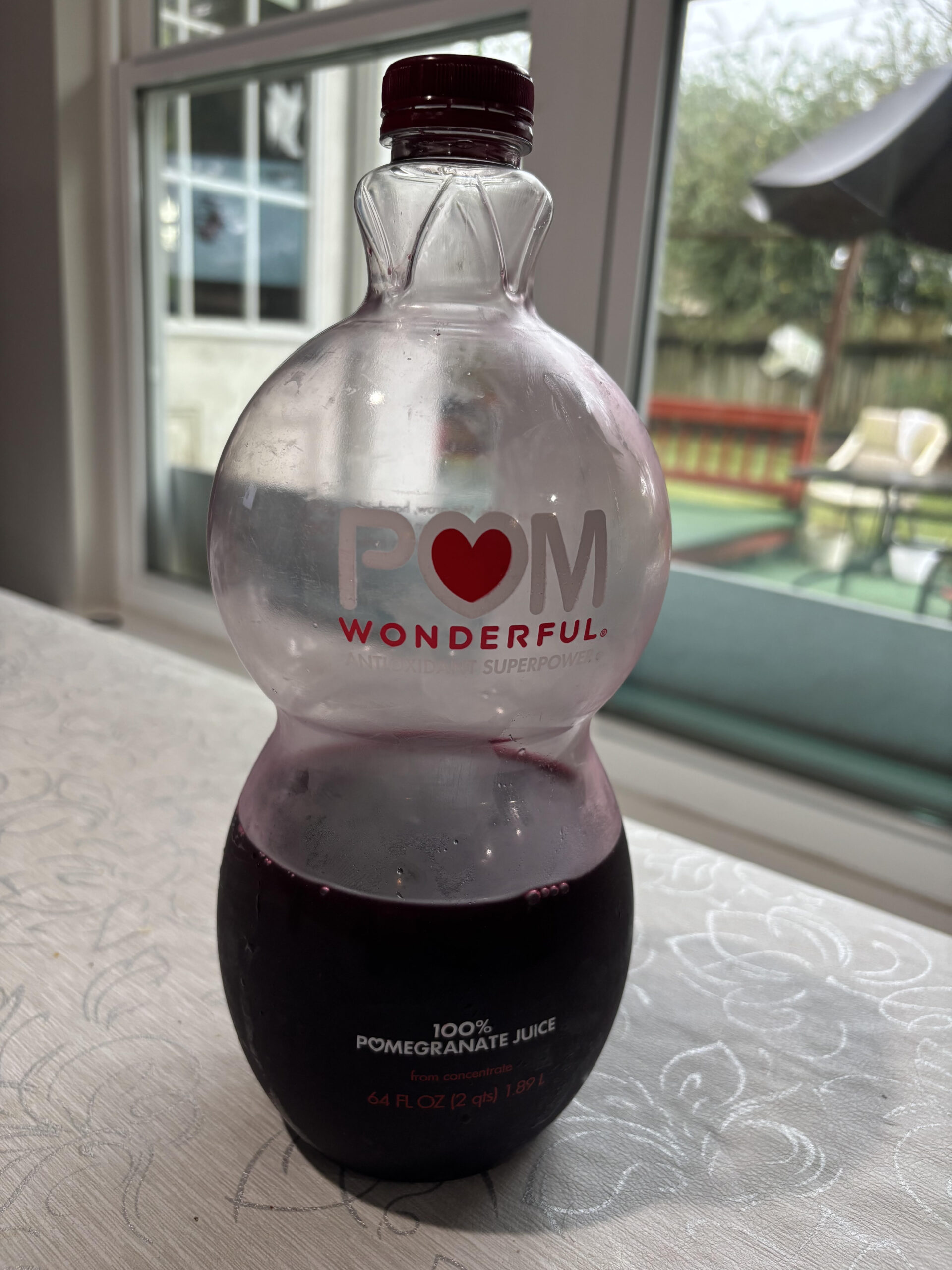
Below are some of the benefits of drinking pomegranate juice daily:

  • it is high in antioxidants and phytonutrients, such as punicalagins that help with reducing oxidative stress in the body.
  • may help to reduce inflammation.  Remember, when a person is under a lot of stress, inflammation may occur in the heart and can cause problems in your arteries.
  • may improve blood pressure.
  • may improve cholesterol profile.
  • and, it may improve in blood vessel function and may enhance the body’s ability to produce nitric oxide (NO).

Drinking pomegranate juice is not a remedy to heart disease or a treatment after experiencing a heart attack.  Always follow the directives of your doctor and take the prescribed medications, if necessary.

Another tip is to be aware of the sugar content in pomegranate juice, especially if you are diabetic or have high levels of blood sugar.  On average, there’s around 34 grams of sugar per serving (8 ounces).  The solution is to dilute it with water and drink in moderation.
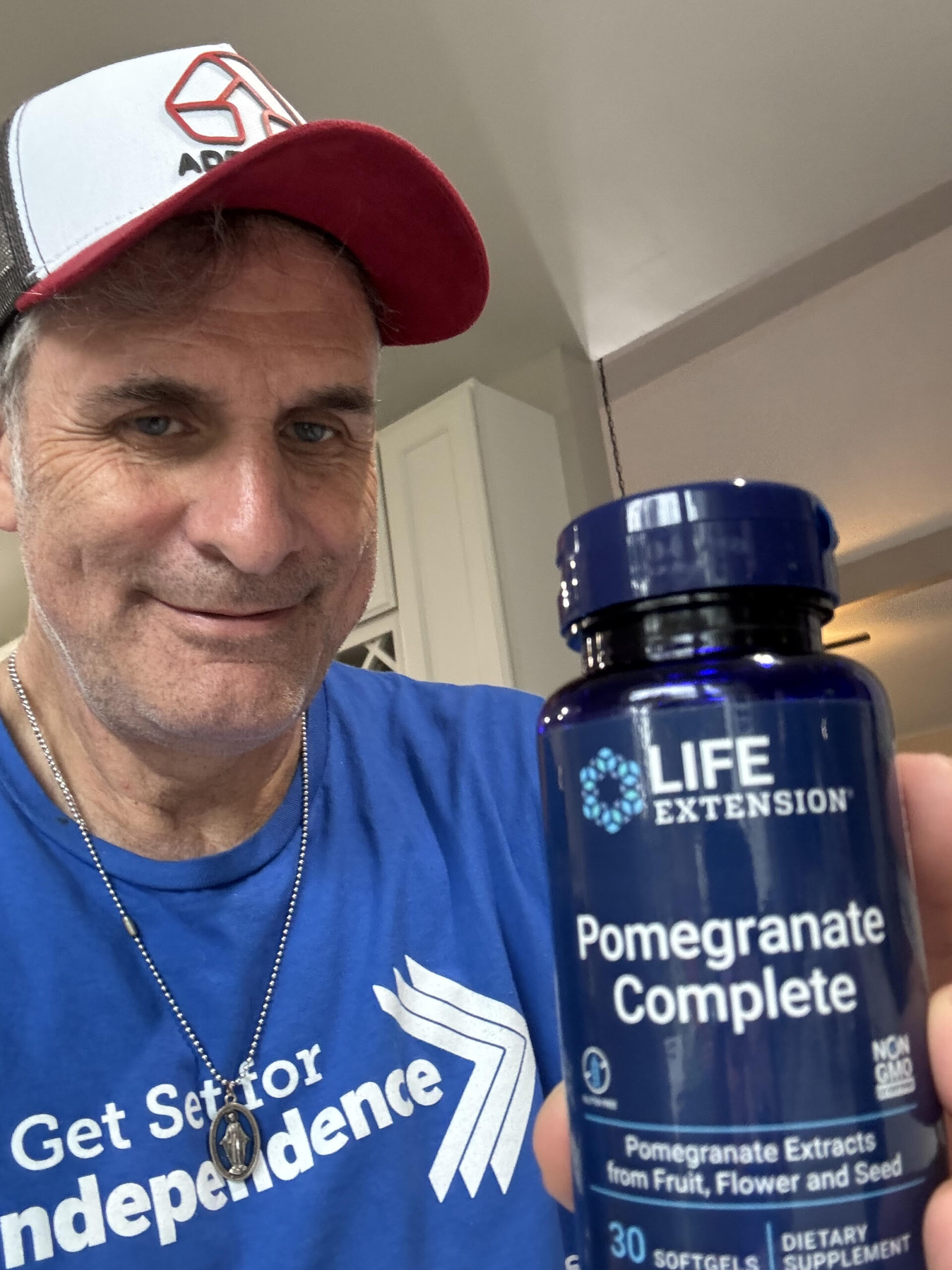
Another convenient option is to take a daily supplement.  The best one I have researched is is by Life Extension (In my opinion, one of the top 5 supplement companies in the world), with a product called “Pomegranate Complete.”  The main reasons why I take this supplement every day are because it contains all of the above-mentioned benefits of drinking pomegranate juice, contains the extracts from the fruit, flower and seed (not just the fruit), and supports your metabolic health by not having any sugar.  Additionally, it contains the polyphenol equivalent of a large amount of pomegranate juice in just one tablet.  The cost is under $20 per month supply.  BTW, I don’t make any money promoting Life Extension or any type of affiliate marketing relationship with them. 
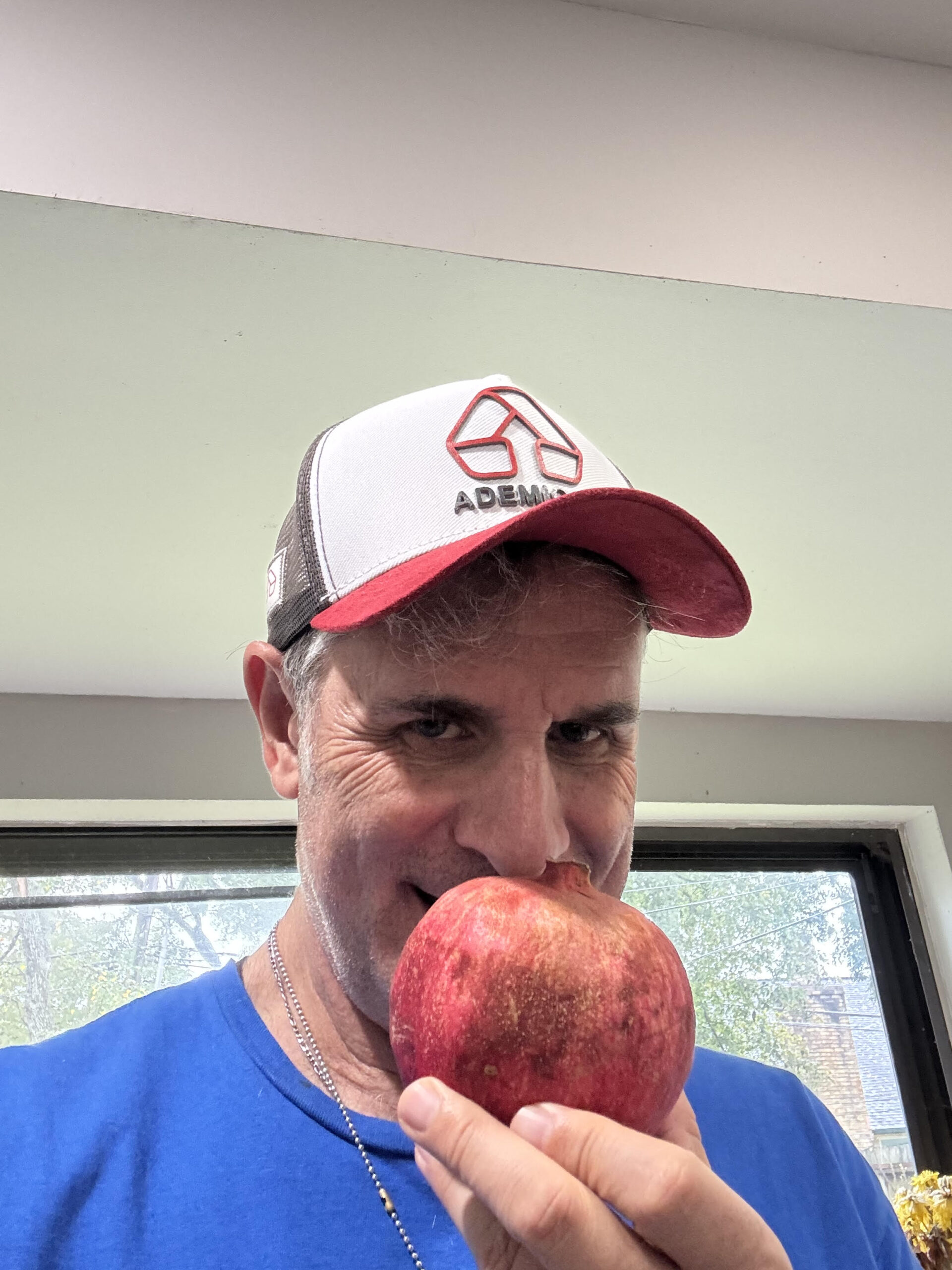
 

And finally, just go out and buy a fresh pomegranate at your local grocery store.  The main advantages in addition to items listed above are that the fresh fruit has fiber, live enzymes (good for your digestive system), and tastes delicious!

Click HERE if you would like to read Part I.
Ride Your Way to a Stronger Heart with Mountain Biking

Louis Moore

If you’re looking for a fun, low-impact way to strengthen your heart—especially after completing cardio rehab—mountain biking on park trails might just become your new favorite workout.

Whether you’re cruising through wooded paths or rolling over gentle hills, trail riding gives you all the benefits of steady-state cardio without the pounding impact of running or other high-stress exercises.

Why Mountain Biking Supports Cardiovascular Health

✔ Great for Steady-State Cardio
Riding at a comfortable, steady pace keeps you in your fat-burning and aerobic training zones. This is the sweet spot where your body burns the most calories safely, strengthens your heart, and boosts metabolic efficiency.

✔ Enhances Circulation and Blood Flow
The consistent pedal motion helps improve blood flow throughout the entire body, feeding your muscles and heart with the oxygen they need to thrive.

✔ Low-Impact, Joint-Friendly Exercise
Mountain biking puts far less stress on your joints than jogging or high-impact exercise. This makes it ideal not only for post-rehab cardio, but also for long-term heart-healthy living.

✔ Excellent Cross-Training
If you normally walk, jog, or lift weights, biking mixes things up and avoids the repetitive stress of doing the same movements day after day. Your body loves variety—and it rewards you with better conditioning.

The above benefits of mountain biking at a steady-state of cardiovascular endurance (around 60% – 80% of your maximum heart rate) are great, but walking at this same intensity level will burn more calories at 20% – 30% more.  However, sometimes the advantages of doing something different in another environment outweighs calorie burning.  Just something to consider . . . 

Of course if you choose to workout on a mountain bike at the anaerobic level (above 85% of your maximum heart rate), you will burn many more calories than walking with high intensity interval training.  However, this won’t be a good option for those going through post rehab cardio training.


Safety Tips for a Better Ride

Keeping your rides safe and productive is just as important as the workout itself. Here are a few essentials:

👉 Warm Up First
Spend 5–10 minutes moving your body, practicing gentle pedal strokes, and getting your heart rate up gradually.

👉 Stretch Before and After
Focus on your hips, quads, hamstrings, and lower back to keep your muscles loose and reduce the chance of strain.

👉 Track Your Heart Rate
A heart-rate-monitor watch is a great tool—especially if you’re watching your training zones after rehab. It helps ensure you’re riding at a safe, effective intensity.

👉 Stick to Established Trails
Avoid busy streets and traffic. Park trails are safer, smoother, and designed for recreational cycling. Plus, nature is a great stress reliever!

👉 Hydrate & Fuel Up
Bring water and a light snack. Even steady-state cardio burns energy faster than most people realize.


Ready to Take Your Fitness to the Next Level?

If you’re looking for personalized support—especially after a heart health wake-up call—my virtual fitness and nutrition coaching is designed to help you rebuild strength, burn fat safely, and stay motivated with expert guidance.

Visit www.cidafitness.com to get started today.
Let’s build a stronger, healthier you—one ride at a time.


Unlock Better Heart Health With a Daily Red Drink


If you’ve been hearing about “red drinks” and wondering why everyone’s talking about them, you’re in the right place. These colorful blends of berries, beets, and other red-pigmented superfoods aren’t just pretty — they’re packed with nutrients that love your heart as much as you   I have occasionally drank a red drink throughout years, but nowadays since I am recovering from a heart attack (just 3 months ago), I have one every day.


❤️ Why Red Drinks Are So Good for Your Heart

They aren’t a miracle cure, but they are a delicious and simple way to give your cardiovascular system daily support.

Here’s what they can do for you:

✅ Support Healthy Blood Flow

Ingredients like beetroot and pomegranate naturally boost nitric oxide (NO) — a compound that relaxes and opens your blood vessels for smoother circulation and lower blood pressure.

✅ Boost Endurance & Energy

More nitric oxide = more oxygen delivered to your muscles. You’ll feel more energized and recover faster from workouts or daily activity.

✅ Reduce Oxidative Stress

Red fruits and veggies are full of antioxidants that help protect your arteries and support long-term heart health.


🍓 The Heart-Healthy All-Stars Inside Red Drinks

You’ll often find these powerful ingredients blended together:

  • Blueberries – protect arteries with anthocyanins

  • Blackberries – fight inflammation

  • Açaí Berry – loaded with antioxidants and healthy fats

  • Pomegranate – enhances nitric oxide production

  • Beetroot – rich in natural nitrates for circulation

  • Tart Cherry – supports recovery and heart function

  • Red Grapes/Resveratrol – promotes healthy cholesterol balance

Each scoop delivers the colorful compounds your body thrives on.


⚡ What Is Nitric Oxide (NO)?

Think of nitric oxide as your body’s natural “blood-flow booster.”
When your body converts plant nitrates from foods like beets and pomegranates into NO, your vessels relax and widen — improving oxygen delivery and overall cardiovascular performance.

More NO =
💪 Better endurance
🫀 Lower blood pressure
🧠 Sharper focus
💨 Easier breathing during exercise

Since my 2 sons Marcos and Gabriel play college soccer and must compete at a high level with a lot of cardiovascular endurance demands, having a red drink is a secret weapon to initiate more NO.


🧘 A Realistic Approach to Heart Health

While red drinks are a great addition, they’re not a cure for blocked arteries.
To truly protect your heart:

🥗 Follow a Mediterranean-style diet (lots of veggies, olive oil, fish, beans, whole grains)
💊 Take medications prescribed by your doctor as needed
🚶 Exercise regularly
😌 Manage stress and get quality sleep

A balanced lifestyle + smart nutrition choices = long-term heart vitality.


💬 Ready to Strengthen Your Heart & Health?

If you want expert help putting it all together—fitness, nutrition, and daily heart-smart habits—I’d love to guide you.

🎯 Start your virtual fitness & nutrition coaching today:
👉 www.cidafitness.com

Let’s make your heart health a lifestyle—not a temporary goal. ❤️

Eating the Brazilian Way for Better Healtlh

There’s something magnetic about Brazil.

It’s not just the beaches, the music, or the rhythm of life—it’s the way people live.

I recently went on my 9th trip to Brazil, and already just a few weeks later, I want to go back.  I guess I’ll have to wait until I retire until I can spend more than 2 weeks at a time per visit.

If you’ve ever sat down for a meal in Brazil, you’ll notice something immediately: nobody’s in a rush. Meals are social, often shared with family or friends, and filled with color, flavor, and laughter. And as it turns out, that same joy at the table is one of the reasons Brazilians are among the healthiest and most beautiful people in the world.

When Cida and I and our big list of extended relatives and friends went to a Churrascaria (Brazilian Steakhouse), I kind of knew what to expect . . .  tons of food, spectacular salad bar, and a never-ending supply of steaks, chicken, and seafood.  But what amazed me was that the restaurant was full to capacity with every single seat being occupied, and there was a waiting line of around 50 people.  The interesting thing that I noticed was that everyone in the entire restaurant was having a great time, even though they didn’t know each other.  If a person was depressed or had lots of anxiety, I’m sure it would go away.  Click HERE to watch this brief 20-second video clip of what I’m talking about.

The secret isn’t found in a fad diet or a supplement—it’s in the country’s deeply rooted food culture.


Why Brazilian Food Is So Healthy

Brazil’s traditional way of eating has remarkable similarities to the Mediterranean Diet, often cited as the world’s healthiest. The difference? Brazilian meals come with a tropical flair—and a cultural rhythm that celebrates both nourishment and connection.

A typical Brazilian diet emphasizes:

  • Fresh vegetables and fruits (many exotic to the rest of the world)

  • Beans and legumes—the cornerstone of most meals

  • Rice (often paired with beans for a perfect protein balance)

  • Fish, chicken, and lean meats cooked simply with olive oil, herbs, and lime

  • Minimal processed foods, with a preference for cooking from scratch

The picture above is the meal that I ate at the Brazilian Churrascaria.  Notice the healthy items of greens, rice/beans, sushi, potatoes, and ceviche;  kind of resembles the Mediterranean Diet if you plan it right. This is the type of food I ate during my entire stay in Brazil considering my health condition after a heart attack a few months ago.

It’s this simple, balanced approach that has given Brazil excellent public health statistics compared to many Western countries. The traditional diet naturally helps control cholesterol, improve digestion, and support a healthy heart.

And perhaps not coincidentally—Brazilians are consistently recognized for their strong, vibrant physiques and natural beauty.  They are also pretty good in soccer too!  It’s not vanity; it’s vitality.


The Staples of Brazilian Eating

In Brazil, food is life. And every meal reflects that balance between nourishment and pleasure.

Common daily staples include:

  • Rice and beans (arroz e feijão) — the classic duo that appears in almost every home

  • Fresh tropical fruits like papaya, mango, açaí, passion fruit, and guava

  • Grilled fish or chicken seasoned simply with garlic and lime

  • Salads of tomato, lettuce, and hearts of palm, often dressed with olive oil and vinegar

  • Vegetables like kale, collard greens, and pumpkin

  • Cassava and plantains, both nutritious and versatile

And yes, a small glass of red wine at dinner is common for many adults—when approved by their doctor, it can be heart-healthy and even relaxing.


The Brazilian Way of Eating

In Brazil, food isn’t just fuel—it’s connection. People make time to eat together. Families gather around the table, and lunch (not dinner) is often the biggest meal of the day.

There’s no “eating on the go,” no gulping meals between meetings. Instead, meals are savored. It’s this mindful approach that helps digestion, reduces overeating, and keeps stress low.

Eating is a leisure experience, not a chore. That alone is a powerful shift in mindset for better health.


Sample 7-Day “Eat Like a Brazilian” Meal Plan

Day 1

  • Breakfast: Papaya with lime and a slice of whole-grain toast with white cheese

  • Lunch: Grilled chicken, rice and black beans, sautéed kale

  • Dinner: Baked fish with vegetables, small glass of red wine

Day 2

  • Breakfast: Smoothie with açaí, banana, and oats

  • Lunch: Shrimp with coconut milk, rice, and fresh salad

  • Dinner: Lentil soup and fruit salad

Day 3

  • Breakfast: Mango and a handful of Brazil nuts

  • Lunch: Rice, beans, grilled tilapia, and mixed vegetables

  • Dinner: Tomato and hearts-of-palm salad, slice of cassava bread

Day 4

  • Breakfast: Coffee with milk, tapioca crepe with banana

  • Lunch: Beef stir-fry (small portion) with beans and green salad

  • Dinner: Vegetable stew and grilled plantains

Day 5

  • Breakfast: Yogurt with granola and passion fruit

  • Lunch: Chicken with okra, rice, and beans

  • Dinner: Vegetable soup and small piece of fresh cheese

Day 6

  • Breakfast: Guava and black coffee

  • Lunch: Baked fish with cassava purée

  • Dinner: Tomato salad with olive oil and a slice of avocado

Day 7

  • Breakfast: Papaya bowl with oats and honey

  • Lunch: Feijoada (light version) with collard greens and orange slices

  • Dinner: Grilled chicken and vegetable medley


The Dark Side (and How to Avoid It)

Of course, modern Brazil has its temptations. American fast-food chains have taken root, caipirnha’s (alcoholic drink with a lot of sugar) red meat consumption can get excessive, and the irresistible bakeries—selling pastries and coxinha (fried cheese and chicken croquettes)—can make self-control tough (Cida in the photo below contemplating whether or not to order a Brazilian pastry).

But that’s the point: it’s about balance. You can enjoy the occasional treat without losing the essence of the Brazilian approach—real food, shared meals, and moderation.

Eat smart. Savor slowly. Move often.

When you do, your health reflects the same vibrant energy that Brazil is known for.


PS: If you’d like a personalized nutrition and fitness plan built around the Brazilian way of eating—healthy, flavorful, and sustainable—I offer virtual coaching across Brazil and all of Latin America at a very reasonable fee.
Reply with “BRAZILIAN FIT” and I’ll send you details and a free starter guide.


The Healing Benefits of the Mediterranean Diet

When someone experiences a heart attack (like me), it’s not just a medical event—it’s a wake-up call.

A moment when everything slows down, and you start asking the real questions: How can I protect my heart? How can I live longer and better?

That’s where the Mediterranean Diet comes in.

More than just a “diet,” it’s a way of life that’s been practiced for generations in places like Italy, France, Greece, and Spain—regions where people live longer, healthier, and happier lives than almost anywhere else on Earth. In fact, studies show that countries such as Italy and Spain consistently rank among the top five in Europe for life expectancy and low rates of heart disease.

The secret? It’s not one single food—it’s the balance, rhythm, and mindset of eating.


Why the Mediterranean Diet Is Considered the Healthiest in the World

This isn’t a fad. It’s a lifestyle deeply rooted in whole, natural, and unprocessed foods that nourish your body and protect your heart.

It’s rich in antioxidants, healthy fats, fiber, and nutrients that help reduce inflammation and stabilize blood sugar—two key factors in heart health.

In the words of Robert Haas, author of Eat to Win for Permanent Fat Loss,

“The body responds beautifully to good nutrition—it’s a high-performance machine that thrives on clean fuel.”

That “clean fuel” includes:

  • Olive oil as the primary fat (a powerhouse of monounsaturated fats).

  • Fresh fruits and vegetables, often seasonal and locally sourced.

  • Whole grains like farro, oats, barley, and brown rice.

  • Legumes such as lentils, chickpeas, and beans.

  • Fish and seafood rich in omega-3s, several times a week.

  • Moderate dairy (mainly yogurt and cheese).

  • Small portions of lean poultry or eggs.

  • Red wine, enjoyed slowly and socially—with your doctor’s approval, of course.

The Mediterranean Diet isn’t restrictive—it’s restorative.


The Heart Connection

For anyone recovering from a heart attack, this diet can be a game-changer.

Research from the European Society of Cardiology shows that individuals who adopt a Mediterranean eating pattern after a cardiac event reduce their risk of a second heart attack by up to 30%.

The emphasis on omega-3s, fiber, and antioxidants helps reduce arterial inflammation, lower cholesterol, and improve circulation—all while maintaining muscle mass and energy.

As Robert Haas also said,

“Eat to win means eat to live—longer, leaner, stronger.”

And that’s exactly what this diet delivers.


The Mediterranean Way of Life

Here’s something most people overlook: It’s not just what you eat—it’s how you eat.

In the Mediterranean, meals are sacred. Families and friends sit down together. No phones. No rushing. No eating in the car.

Food is connection. It’s community. It’s time.

They savor each bite, enjoy conversation, and often finish meals with laughter, fruit, and maybe a small glass of red wine.

That cultural difference—treating meals as leisure, not fuel—is one reason people in Mediterranean regions experience lower stress and longer lifespans.

So when you embrace this diet, think of it not as a plan but as a ritual of slowing down, breathing, and appreciating your food and your health.


Sample 7-Day Mediterranean Meal Plan

Day 1

  • Breakfast: Greek yogurt with honey, walnuts, and berries

  • Lunch: Lentil soup with olive oil drizzle and whole-grain bread

  • Dinner: Grilled salmon, roasted vegetables, and a glass of red wine

Day 2

  • Breakfast: Oatmeal with almonds and fresh figs

  • Lunch: Chickpea salad with tomatoes, cucumber, feta, and olive oil

  • Dinner: Whole-grain pasta with garlic shrimp and spinach

Day 3

  • Breakfast: Whole-grain toast with avocado and olive oil

  • Lunch: Quinoa tabbouleh with lemon and herbs

  • Dinner: Baked cod with tomatoes, olives, and herbs

Day 4

  • Breakfast: Smoothie with banana, spinach, and Greek yogurt

  • Lunch: Roasted vegetable wrap with hummus

  • Dinner: Chicken souvlaki with tzatziki and Greek salad

Day 5

  • Breakfast: Fresh fruit and a handful of almonds

  • Lunch: Tuna salad with olive oil, capers, and greens

  • Dinner: Ratatouille with farro and a drizzle of olive oil

Day 6

  • Breakfast: Yogurt parfait with granola and sliced peaches

  • Lunch: Minestrone soup with beans and kale

  • Dinner: Grilled sea bass, quinoa, and roasted zucchini

Day 7

  • Breakfast: Scrambled eggs with spinach and tomatoes

  • Lunch: Mediterranean flatbread with olives, feta, and roasted peppers

  • Dinner: Eggplant parmigiana with a side of mixed greens

Snack options: fresh fruit, nuts, olives, protein shake, or a small piece of dark chocolate.


The Takeaway

Healing your heart isn’t just about medication or exercise—it’s about daily nourishment that builds longevity from the inside out.

The Mediterranean Diet helps you live longer, think clearer, and feel lighter—not just physically, but emotionally.

If you want to turn your meals into medicine and your kitchen into a space of healing, this is where to begin.


PS: If you’d like a personalized Mediterranean-style nutrition plan tailored to your health goals and recovery, reply with “HEART” and we can help you with our online coaching program.

The Power of Forest Walking

If you’ve ever stepped into a forest park and felt your stress dissolve almost instantly, you’ve already tasted one of the most underrated fitness and wellness secrets available—forest walking.

Today I was reminded of this on my visit to São Francisco de Assisi Park in Curitiba (we’re so lucky, it’s a new municipal park 4 blocks from my in-laws house), where the paths weave through dense, green canopies. The air feels thicker somehow—but not heavy. It’s alive. You breathe in and realize this is what your lungs were made for.

Here’s what’s fascinating:
Studies show that walking on varied terrain with inclines, soft soil, and natural resistance from grass and roots burns up to 20–30% more calories than walking on flat pavement. A 45-minute forest walk can easily burn an extra 70–100 calories, depending on pace and incline.  And today, we even brought our 7-month-old grandson, Caleb, in the stroller for even an additional 20% – 30% more calories burned (he and Cida loved it too).

But the benefits go far beyond the calorie count.

When you walk through dense vegetation, your body is doing something profound. The trees release oxygen and natural compounds called phytoncides—they boost your immune system, reduce cortisol (stress hormone), and even lower blood pressure. It’s why after 20 minutes in a forest, your nervous system begins to switch from “fight or flight” to “rest and recover.”

In other words, your walk becomes therapy.

Walking in the city is still good—but it’s mostly physical. Walking in nature engages your body and your mind. It pulls your attention outward, calms racing thoughts, and resets your emotional state. Regular walkers in forested areas have shown better mood stability, improved sleep, and enhanced creativity compared to those who only walk in urban settings.  And believe me, this is exactly what I needed in order to relax and recover from my recent heart attack incident that nearly took my life 7 weeks ago.

And here’s something fitness pros love: because your stride naturally adjusts to uneven ground, forest walking improves balance, ankle strength, and joint mobility—especially useful for preventing injuries during other workouts.

Safety & Recommendations:

  • Wear supportive footwear with grip; forest paths can get slippery after rain.

  • Walk with a partner or let someone know your route.

  • Stay hydrated—even cooler forest air can mask sweat loss.

  • Avoid headphones occasionally; tune into the sounds of nature to fully engage your senses.

  • Take short breaks to breathe deeply—three slow inhales through the nose, three full exhales through the mouth. Feel the difference.
     

Walking in a place like São Francisco de Assisi Park isn’t just about movement—it’s about renewal. Your body works, your mind clears, and your spirit relaxes. You’ll come out lighter, sharper, and somehow more connected to the world around you.  Look for a great local park in your area and try this.  In Sugar Land, my 2 favorite parks to forest walk are Oyster Creek Park and Culligan Park, both off of HWY 6.  

So next time you plan a “workout,” don’t overlook the simple power of a forest walk. It’s fitness that feeds your soul.