Why You Should Eat Prunes Regularly

A Simple, Natural Solution That Supports Heart Health and Digestive Health

Six months ago, I experienced something that changes a man’s perspective quickly — a heart attack.

As part of my recovery, I was prescribed several medications. And let me be clear: those medications are necessary. They help stabilize blood pressure, protect the heart, regulate cholesterol, and reduce clotting risk. I am grateful for modern medicine.

But there was one frustrating side effect I didn’t expect.

Constipation.

Many common heart medications — including beta blockers, calcium channel blockers, certain pain relievers, and even some cholesterol-lowering drugs — can slow digestion. When that happens, it’s not just uncomfortable. Chronic constipation can increase abdominal pressure, strain the body, and create unnecessary stress — something no cardiac patient needs.

That’s where prunes came in.

And they’ve made a real difference.


My Simple Daily Habit

I now eat 4–5 prunes every single day.

Nothing fancy. No supplements. No harsh laxatives.

Just whole food.

And it works.

This small habit naturally corrects constipation without cramping, urgency, or discomfort. It keeps everything moving in a steady, healthy rhythm.

But prunes do much more than just help digestion.


Why Prunes Work So Well

Prunes (dried plums) are powerful because they combine fiber, natural sorbitol, and plant compounds that support gut motility.

Here’s what you get in a standard serving:

Nutritional Breakdown (5 prunes / ~40–45g)

  • Calories: ~100

  • Fiber: 3 grams

  • Total Carbohydrates: ~26 grams

  • Sugar: ~16 grams

  • Fat: 0 grams

  • Protein: ~1 gram

Key Nutrients in Prunes

  • Potassium (~290 mg) – supports heart rhythm and blood pressure regulation

  • Vitamin K – supports bone and vascular health

  • Vitamin A (beta-carotene) – antioxidant support

  • Magnesium – helps muscle relaxation and digestion

  • Polyphenols – powerful antioxidants that reduce oxidative stress

For someone focused on heart recovery, those nutrients matter.


What About the Sugar?

Yes, prunes contain natural sugar — about 16 grams per 5-prune serving.

But here’s the key:

Because prunes contain fiber and sorbitol, they have a moderate glycemic impact. The fiber slows digestion, preventing a rapid spike in blood sugar. For most people — especially when eaten in a small portion like 4–5 prunes — this does not cause an extreme blood sugar surge.

As always, individuals managing diabetes should monitor their response, but for the majority of people, this is a stable, nutrient-dense choice.

Portion control is everything.


Additional Health Benefits of Eating Prunes Regularly

Beyond digestion, prunes offer several benefits that make them worth including consistently:

1. Heart Health Support

Potassium helps regulate blood pressure. Polyphenols help combat oxidative stress and inflammation — both of which contribute to cardiovascular disease.

2. Bone Strength

Research shows prunes may help preserve bone mineral density due to their vitamin K and boron content.

3. Gut Microbiome Support

The fiber in prunes acts as a prebiotic, feeding beneficial gut bacteria.

4. Natural, Gentle Relief

Unlike stimulant laxatives, prunes work with your body, not against it. No dependency. No harsh effects.


A Practical Solution

After a heart attack, your body is already adjusting to medications, lifestyle changes, and recovery demands.

The last thing you need is preventable digestive distress.

For me, 4–5 prunes per day has been a simple, natural solution. It’s inexpensive. It’s accessible. And it supports overall health beyond just relieving constipation.

Sometimes the best strategies aren’t complicated.

They’re consistent.

If you’re dealing with medication-related constipation or simply want to improve your digestive health naturally, consider adding prunes to your routine. Small habit. Big impact.

Your heart — and your gut — will thank you.

Do Women Really Stress Differently?

About 20 years ago, I read Fantastic Voyage by Ray Kurzweil and Terry Grossman. Recently, I picked it up again and found a section that grabbed my attention just as much as it did the first time: Women Do Stress Differently.

It made me pause.

As someone who works in fitness and nutrition coaching—and who has personally walked through heart recovery—I’m always interested in how stress affects the body. Because let’s be honest: stress is not just mental. It’s biochemical. Hormonal. Cardiovascular. It’s deeply physical.

And according to Kurzweil and Grossman, women may have a built-in physiological edge when it comes to handling stress.

The “Tend and Befriend” Response

We often hear about the classic stress response: fight or flight. Heart rate rises. Blood pressure increases. Cortisol surges. The body prepares for action.

But the authors point out that women also release oxytocin as part of their stress response. Oxytocin is often called the “bonding hormone.” It has a calming effect and encourages what researchers describe as “tend and befriend” behaviors—protecting children, nurturing others, gathering socially, and seeking support.

Here’s where it gets even more interesting:

  • Estrogen enhances oxytocin’s calming effect.

  • Testosterone (higher in men) tends to amplify aggression and hostility under stress.

In other words, while men may be more wired toward confrontation or withdrawal under pressure, women may be biologically nudged toward connection and community.

That’s powerful.

A Possible Heart Advantage?

The book suggests that premenopausal women’s relatively high estrogen levels may offer some protection against heart disease and some of the damaging effects of chronic stress.

From a cardiovascular perspective, this is fascinating. Chronic stress contributes to:

  • Elevated blood pressure

  • Increased inflammation

  • Poor sleep

  • Higher risk of heart disease

If estrogen enhances oxytocin’s calming and bonding effects, it may buffer some of that physiological wear and tear—at least during the premenopausal years.

Of course, this doesn’t mean women are immune to stress-related illness. Not at all. But it does suggest that biology may shape stress patterns differently between men and women.

So… Do Women Have the Advantage?

At first glance, it might seem that way.

But I think the deeper takeaway isn’t about advantage. It’s about awareness.

Women may naturally lean toward connection under stress. That means:

  • Calling a friend

  • Spending time with family

  • Gathering in community

  • Protecting and nurturing

And those behaviors? They’re incredibly healthy.

Social connection lowers stress hormones. Community improves mental health. Support systems improve recovery outcomes. Even from heart disease.

The real question is this:

Are we leaning into the tools we’ve been given?

What This Means for Stress Management

Whether you’re a man or a woman, there’s a lesson here.

  1. Connection is medicine.
    Isolation increases stress. Community reduces it.

  2. Hormones matter—but habits matter more.
    You may not control your estrogen or testosterone levels naturally, but you absolutely control whether you pick up the phone, go for a walk with a friend, or build supportive relationships.

  3. Stress is not just emotional—it’s physical.
    It impacts your heart, digestion, sleep, and recovery.

  4. Men can learn from the “tend and befriend” model too.
    There’s nothing weak about connection. In fact, it may be one of the strongest stress-reduction tools we have.

My Personal Reflection

After going through a heart event myself, I became much more aware of how stress accumulates quietly over time. It’s not always dramatic. Sometimes it’s subtle and chronic.

What helped me most wasn’t just nutrition or exercise (though those are critical). It was community. Prayer. Family. Honest conversations. Support.

Maybe women are biologically nudged toward that sooner.

But the truth is, we all need it.

Final Thoughts

So do women really stress differently?

Biologically—yes, there’s evidence suggesting they do.

But instead of turning this into a competition between men and women, I see it as an invitation:

  • Lean into connection.

  • Build relationships.

  • Protect your heart—physically and emotionally.

  • Understand your stress patterns.

  • Use your biology wisely.

If stress is inevitable (and it is), then managing it intelligently becomes part of living well.

And whether you’re male or female, one thing is clear:

You don’t have to handle stress alone.

Combining GABA and Inositol for Reducing Anxiety and Stress

Seven months ago, after experiencing a heart attack, my perspective on health changed forever. Fitness has always been important to me—but now, stress management sits at the very top of my priority list.

Not just because I want to feel good.
Because I want to live well.

Cardiovascular recovery is not only about cholesterol numbers, medications, or exercise output. It’s about the nervous system. It’s about managing stress hormones. It’s about cultivating calm.

Over the past several months, I’ve built intentional daily habits that protect my heart and mind. And one powerful tool I occasionally use—especially on very stressful days—is the combination of GABA and Inositol.

Let’s break this down.


My Foundation: Daily Stress-Control Habits

Before we even talk about supplements, I want to be clear about something:

No supplement replaces disciplined lifestyle habits.

Here are the pillars I focus on every single week:

  • Eating clean, whole foods

  • Keeping caffeine intake low

  • Exercising daily (even if it’s just a long walk)

  • Getting natural sunlight every day

  • Sleeping 7–9 hours of quality sleep

  • Using the sauna at least 3 times per week

  • Making time for quality leisure and reflection

Drinking tea also plays a big role. Green tea, white tea, and Ceylon tea contain L-theanine and antioxidants that gently support calm focus without overstimulating the nervous system.

But sometimes—especially after a very hard workout or a high-pressure day—your nervous system needs additional support.

That’s where GABA and Inositol come in.


What Is GABA?

GABA (Gamma-Aminobutyric Acid) is your brain’s primary calming neurotransmitter.

Its role is simple but powerful:
It slows down excessive brain activity.

When GABA levels are healthy, you tend to feel:

  • Calm

  • Grounded

  • Less reactive

  • Less mentally “wired”

  • More physically relaxed

Low GABA activity is associated with anxiety, tension, racing thoughts, and difficulty sleeping.

After intense stress—or even after very hard training sessions—your nervous system can remain overstimulated. GABA helps bring things back to balance.


What Is Inositol?

Inositol is often grouped with B vitamins (though technically it isn’t one). It plays a key role in:

  • Supporting healthy neurotransmitter signaling

  • Improving mood balance

  • Reducing anxiety symptoms

  • Enhancing insulin sensitivity

  • Supporting mental clarity

Inositol has been studied for its ability to support individuals dealing with anxiety, panic tendencies, and even obsessive thinking patterns.

What I personally appreciate about Inositol is that it helps me feel mentally clear without feeling sedated.


Why Combine GABA and Inositol?

Here’s where things get interesting.

GABA works primarily by calming the nervous system directly.

Inositol supports neurotransmitter balance and signaling pathways that regulate mood and emotional stability.

Together, they create a synergistic effect:

  • Reduced physical tension

  • Lower mental noise

  • Improved ability to think clearly

  • Better emotional regulation

  • Smoother transition into restful sleep

On very stressful days, this combination helps me stay levelheaded instead of reactive.

After an extremely hard workout—especially intense strength training or conditioning—this blend helps my nervous system shift from “fight-or-flight” into recovery mode.


How I Use It

I keep it simple.

In the early evening, I’ll mix:

  • A moderate dose of GABA

  • A moderate dose of Inositol

I blend it into a smoothie or simply mix it into water or herbal tea.

Within a short period, I can feel my body relax without feeling groggy.

It’s not something I rely on daily—but it’s incredibly helpful when needed.


What Dr. Eric Braverman Says

In The Edge Effect, Eric Braverman explains how neurotransmitter balance shapes personality, mood, and stress resilience. He writes:

“GABA is the brain’s natural tranquilizer, calming nervous tension and quieting excessive brain activity.”

He also discusses how inositol supports serotonin pathways and emotional stability—making it a valuable tool for those struggling with anxiety patterns.

When you understand neurotransmitters, you begin to see that anxiety isn’t just “mental.” It’s biochemical. And supporting the chemistry responsibly can be life-changing.


Why This Matters After a Heart Event

After a cardiac event, stress is no longer something you can ignore.

Chronic stress:

  • Elevates blood pressure

  • Increases inflammation

  • Disrupts sleep

  • Impairs recovery

  • Raises cortisol chronically

Managing stress is not optional—it’s foundational.

And sometimes, strategic supplementation alongside disciplined lifestyle habits can be the difference between surviving and thriving.


Important Note

Always consult your physician before adding supplements—especially if you’re on heart medications or other prescriptions. What works for me may need to be adjusted for you.


Final Thoughts

For me, combining GABA and Inositol has become:

  • A tool for difficult days

  • A recovery aid after intense workouts

  • A mental clarity enhancer

  • A calmness amplifier

But remember: supplements work best when layered on top of disciplined daily habits.

Sunlight. Movement. Clean food. Sauna. Tea. Sleep. Leisure.

Then strategic support when needed.

That’s the formula.


Ready to Take Control of Your Stress and Nutrition?

If you’re serious about improving your health—especially after a major life event—I would love to work with you.

Through my nutrition and fitness coaching at CIDA Fitness, I help clients:

  • Build sustainable nutrition habits

  • Reduce inflammation

  • Improve body composition

  • Manage stress strategically

  • Create long-term cardiovascular resilience

If you’re ready to move from reactive to intentional, reach out to me at www.cidafitness.com and let’s build a plan tailored specifically for you.

Your heart deserves it.

Gluten-Free: The Key to Healthy Pizza

Pizza has a reputation problem.

Some people see it as comfort food. Others see it as a dietary disaster. The truth? It depends almost entirely on the crust.

After five years working at a major pizza chain back in the 1980s (an experience I genuinely appreciated because it helped me get through college), I saw firsthand what went into commercial pizza dough. Every batch included heavy amounts of low-quality oils—often seed oils, sometimes partially hydrogenated oils, and other highly processed ingredients designed for shelf life and profit margin, not health.

That was an eye-opener.

If you want to know whether a pizza is good for you or not, start with the foundation. The crust is the biggest determining factor. And in my experience, the key to a truly healthy pizza is this:

Make your own crust from scratch — and make it gluten-free.


Why Gluten-Free Is a Game-Changer

Going gluten-free isn’t just a trend. For many people, it can make a real difference in how they feel after a meal.

Here’s why:

1. Easier Digestion

Many individuals experience bloating, brain fog, or sluggishness after consuming conventional wheat-based crusts. Even those without celiac disease may have varying levels of gluten sensitivity. Removing gluten often results in lighter digestion and better energy afterward.

2. Lower Inflammatory Load

Highly processed wheat products can contribute to systemic inflammation, especially when paired with refined oils and additives. A thoughtfully prepared gluten-free crust made from whole-food ingredients avoids much of that burden.

3. Better Ingredient Control

When you make your own dough, you eliminate:

  • Industrial seed oils

  • Hydrogenated fats

  • Dough conditioners

  • Preservatives

You control the fats, the flour quality, and the fermentation process.

That’s powerful.

4. Stable Energy

Many gluten-free crusts use alternative flours like rice flour, tapioca, sorghum, or almond flour. When balanced properly, they can help prevent the heavy carb crash that follows most commercial pizza.


A Proven Recipe: Todd English’s Gluten-Free Pizza Dough

If you want a trusted starting point, I recommend the recipe from award-winning chef Todd English in his 2017 book Todd English’s Rustic Pizza. On pages 12–13, he shares a recipe titled “Gluten-Free Pizza Dough.”

It’s a beautifully structured, chef-crafted formula designed to create a crisp yet tender crust with real flavor and integrity.

Highlights of the Recipe

While I encourage you to grab the book for the full details, here are the core components and method overview:

Key Ingredients:

  • Gluten-free flour blend

  • Xanthan gum (for structure)

  • Active dry yeast

  • Warm water

  • Olive oil

  • Sea salt

  • A touch of sugar (to activate yeast)

Basic Method:

  1. Activate the yeast in warm water with sugar.

  2. Combine dry ingredients thoroughly.

  3. Mix wet and dry ingredients to form dough.

  4. Allow the dough to rest and rise.

  5. Press or roll onto parchment into desired thickness.

  6. Pre-bake before adding toppings.

The result? A crust that actually tastes like real pizza — not cardboard.

This is where healthy pizza begins.


Build It the Right Way

Once you’ve nailed the crust, the rest becomes simple — and fun.

1. Choose a Clean Sauce

Look for:

  • Organic crushed tomatoes

  • No added sugar

  • No seed oils

  • Fresh herbs

Or make your own with olive oil, garlic, basil, and sea salt.

2. Use Quality Mozzarella

Opt for:

  • Fresh mozzarella

  • Whole-milk varieties

  • Minimal ingredients

Quality matters.

3. Load the Vegetables

Think:

  • Arugula

  • Mushrooms

  • Red onions

  • Bell peppers

  • Spinach

Color equals nutrients.

4. Add Powerful Proteins

Two of my favorites:

  • Wild-caught salmon

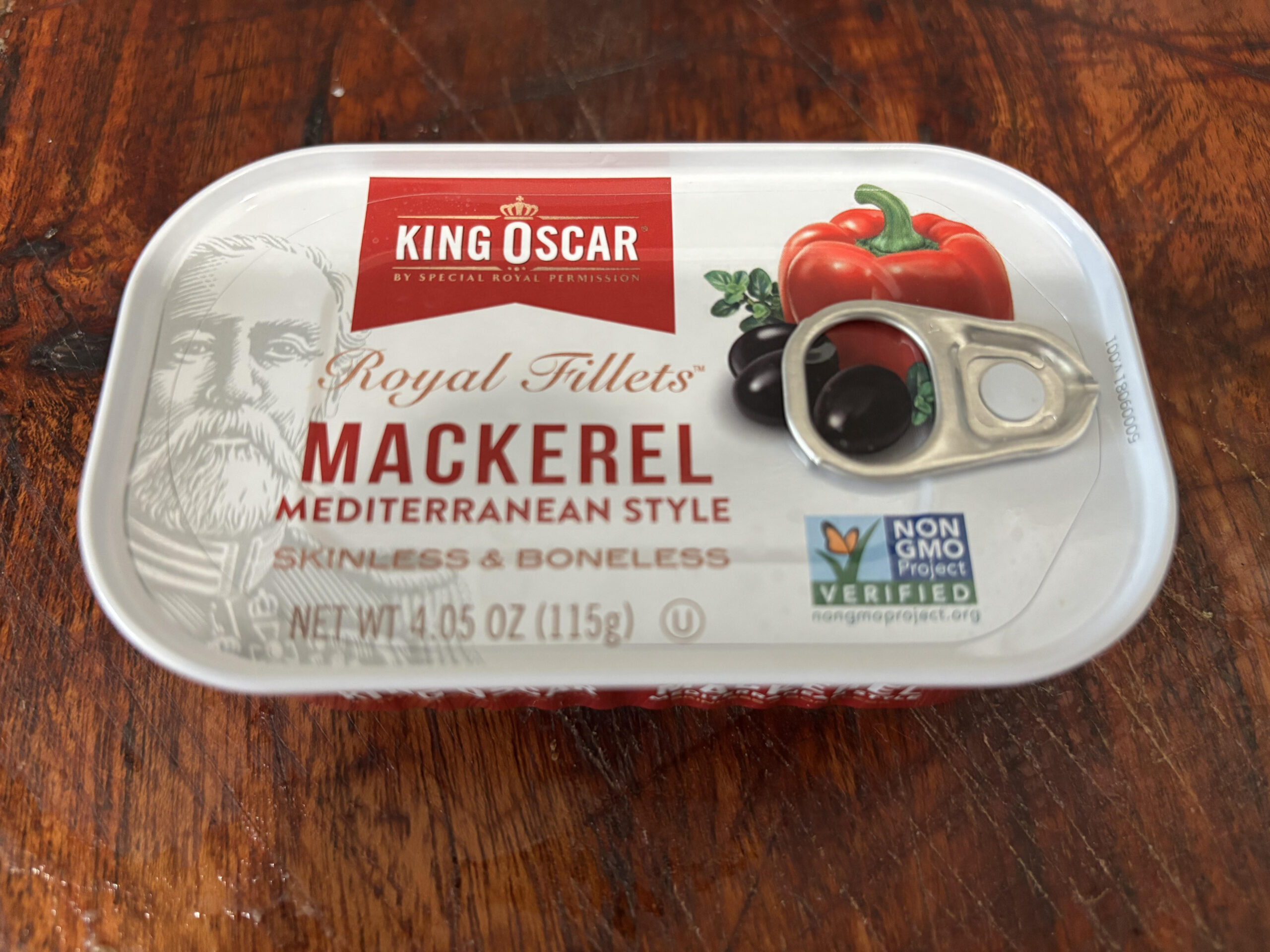
  • Anchovies

Both provide omega-3 fatty acids that support heart health, reduce inflammation, and elevate your pizza from indulgence to nourishment.


Pizza Without Regret

Pizza doesn’t have to be something you “cheat” with. It can be something you craft with intention.

When you remove the processed crust, eliminate poor-quality oils, and build your pizza on a gluten-free foundation made from scratch, everything changes.

You feel lighter.
You digest better.
You enjoy it more.

That’s what real food does.

Healthy pizza isn’t about deprivation. It’s about upgrading the base.

And once you get that right, the rest is easy.

What Makes the Kettlebell Swing So Powerful?

If there’s one exercise I could keep in my program for the rest of my life, it would be the kettlebell swing.

Simple. Powerful. Efficient. And incredibly effective.

The kettlebell swing is one of those rare movements that checks almost every box: strength, conditioning, fat loss, athleticism, hormonal support, and practicality. And the best part? All you need is a single kettlebell.

Let’s talk about why this movement is so spectacular.


What Makes the Kettlebell Swing So Powerful?

The kettlebell swing is a hip-dominant, explosive movement that trains your body the way it was designed to move — with power from the hips.

When performed correctly, it works:

  • Glutes

  • Hamstrings

  • Quadriceps

  • Core (especially deep stabilizers)

  • Lats

  • Shoulders

  • Grip and forearms

  • Lower back (as a stabilizer, not a prime mover)

In other words, it’s a full-body powerhouse.

Unlike isolation exercises, swings train coordinated movement patterns. You’re not just building muscle — you’re building usable strength.


Aerobic and Anaerobic Conditioning in One Exercise

One of the things I love most about swings is their versatility.

  • Perform moderate sets with controlled breathing, and they build aerobic capacity.

  • Perform high-rep sets or heavy swings with short rest periods, and they become a brutally effective anaerobic conditioning tool.

Few exercises can push your heart rate through the roof while strengthening your posterior chain at the same time.

It’s strength and cardio married together in one explosive motion.


Hormonal Benefits: Testosterone and More

Explosive, compound movements stimulate the body in ways machine-based exercises simply cannot.

Because the kettlebell swing recruits large muscle groups — especially the glutes and hamstrings — and demands high neural output, it can contribute to:

  • Increased testosterone production

  • Improved growth hormone response

  • Better insulin sensitivity

  • Enhanced metabolic rate

Movements that train large muscle mass with speed and power send a strong signal to your endocrine system: adapt, grow stronger, stay resilient.

That’s powerful — especially for men over 40 who want to support healthy testosterone levels naturally.


It Burns Serious Calories

If fat loss is one of your goals, kettlebell swings are your friend.

Due to their:

  • Full-body muscle recruitment

  • Explosive hip drive

  • Elevated heart rate response

They burn a high number of calories in a short amount of time. More importantly, they elevate post-exercise oxygen consumption (EPOC), meaning your body continues to burn calories after your workout ends.

It’s efficient. It’s effective. And it doesn’t require an hour on the treadmill.


Minimal Equipment, Maximum Return

Another reason I love this movement — especially for busy professionals — is that it requires:

One kettlebell. That’s it.

No machines.
No complicated setup.
No gym membership required.

You can train at home, in the garage, at a park, or while traveling. For those of us with full schedules, that simplicity is priceless.


How to Perform the Kettlebell Swing Correctly and Safely

This is critical: the swing is a hip hinge, not a squat.

Here’s how to do it properly:

1. Start Position

  • Place the kettlebell slightly in front of you.

  • Feet shoulder-width apart.

  • Hinge at the hips (push hips back).

  • Grab the handle with both hands.

  • Keep your spine neutral and chest proud.

2. Hike Pass

  • Pull the kettlebell back between your legs like you’re hiking a football.

  • Keep it high in the groin area.

  • Load your hamstrings.

3. Explosive Hip Drive

  • Snap your hips forward aggressively.

  • Let the kettlebell float up to chest height.

  • Arms stay relaxed — they are hooks, not lifters.

4. Controlled Descent

  • Let gravity bring the kettlebell back down.

  • Hinge again.

  • Repeat.


Key Safety Tips

  • Do NOT squat the movement.

  • Do NOT lift with your shoulders.

  • Keep your back neutral at all times.

  • Start with a manageable weight and master form first.

  • If you feel pain in your lower back (not muscle fatigue, but pain), stop and reassess technique.

If you’re new to swings, I recommend starting with:

  • 3 sets of 10–15 reps

  • Focus on crisp, powerful hip snaps

  • Rest 45–60 seconds between sets

Quality always beats quantity.


A Word from Alwyn Cosgrove

Strength coach Alwyn Cosgrove, author of The New Rules of Lifting, has long emphasized the power of training large muscle groups with intensity. One of his well-known sentiments about effective conditioning work is:

“If you want to burn fat, train movements — not muscles.”

The kettlebell swing embodies that philosophy perfectly. It’s a movement that trains the entire system — muscular, cardiovascular, and hormonal — all at once.


My Personal Take

As a coach, I’ve seen kettlebell swings:

  • Improve athletic performance

  • Accelerate fat loss

  • Strengthen the posterior chain

  • Improve posture

  • Boost work capacity

And perhaps most importantly, I’ve seen them build confidence.

There’s something empowering about generating force from your hips and feeling that kettlebell float in front of you. It reminds you that your body was designed for power.

If you’re looking for one exercise that delivers extraordinary return on investment — this is it.

Start light. Focus on form. Be consistent.

And swing with purpose.


Controlling Cortisol

When it comes to fitness, longevity, and heart health, one hormone deserves a lot more attention than it usually gets: cortisol.

As a trainer and someone deeply invested in long-term health, I’ve come to appreciate that controlling your cortisol levels is not about eliminating stress. It’s about respecting how powerful this hormone is — and learning how to work with it, not against it.

Let’s break it down in a practical, positive way.

What Is Cortisol?

Cortisol is often called “the stress hormone,” but that label doesn’t tell the full story. It’s produced by your adrenal glands and plays a vital role in your daily survival and performance.

Under the regulation of the hypothalamic-pituitary-adrenal (HPA) axis, cortisol helps your body:

  • Regulate blood sugar

  • Control inflammation

  • Maintain blood pressure

  • Support metabolism

  • Manage your sleep–wake cycle

  • Mobilize energy during physical or emotional stress

In healthy amounts, cortisol is not the enemy. It’s essential.

In fact, cortisol is naturally highest in the early morning. This is called the Cortisol Awakening Response (CAR). It helps wake you up, sharpen your focus, and get you moving.

The problem is not cortisol itself.

The problem is chronically elevated cortisol.

What Happens When Cortisol Stays Too High?

When stress becomes constant — work stress, poor sleep, emotional strain, overtraining, financial pressure — cortisol can remain elevated for too long.

Chronically high cortisol levels may contribute to:

  • Increased abdominal fat storage

  • Elevated blood sugar and insulin resistance

  • High blood pressure

  • Sleep disturbances

  • Impaired immune function

  • Increased inflammation

  • Muscle breakdown

  • Anxiety and irritability

Now let’s talk about something very important: the heart.

Cortisol and Heart Conditions

For individuals with a cardiac condition — or anyone recovering from a cardiac event — managing cortisol becomes even more critical.

Chronic cortisol elevation can:

  • Increase blood pressure

  • Increase resting heart rate

  • Contribute to arterial inflammation

  • Promote blood sugar instability

  • Increase clotting tendency

All of these can place additional strain on the cardiovascular system.

If you’ve experienced a heart event (like me), stress management is not optional. It is foundational.

Managing cortisol and stress is essential to recovering well and living well after a cardiac event. Fitness alone isn’t enough. Nutrition alone isn’t enough. You must calm the hormonal environment that surrounds your heart.

The Good Side of Cortisol

Before we demonize cortisol, let’s give it credit.

Cortisol:

  • Helps you wake up and feel alert

  • Allows you to respond quickly in emergencies

  • Reduces excessive inflammation

  • Supports endurance during exercise

  • Maintains metabolic flexibility

Without cortisol, you wouldn’t have energy for a workout or mental clarity for decision-making.

The goal is rhythm, not suppression.

Cortisol should rise in the morning, gently taper through the day, and be low at night.

When that rhythm is intact, you feel strong, focused, and resilient.

How I Personally Manage Cortisol

Over the years, I’ve adjusted my habits to support a healthier cortisol rhythm.

One simple change I’ve made: I do not drink coffee first thing in the morning.

Because cortisol is already naturally high upon waking, immediately adding caffeine can potentially spike it further. For some people, this may amplify jitters, anxiety, and stress responses.

Instead, first thing in the morning I have a simple Lemon Drink (I wrote about this on this blog last month). It’s refreshing, hydrating, and gentle on the system.

Then about an hour later — once my body has fully awakened — I enjoy a cup of coffee with Laird Superfood creamer. That timing works better for me and feels more balanced.

Small shifts like this can make a meaningful difference over time.

Natural Ways to Manage Cortisol

Here are strategies I consistently recommend:

1. Prioritize Sleep

Aim for 7–8 hours of quality sleep. Cortisol dysregulation and sleep deprivation feed off each other.

2. Get Morning Sunlight

Natural light exposure in the first hour of the day helps anchor your circadian rhythm and supports healthy cortisol timing.

3. Train Smart, Not Excessively

Exercise is beneficial stress. But chronic overtraining can keep cortisol elevated. Recovery days are not weakness — they are strategy.

4. Practice Active Recovery

Walking, mobility work, deep breathing, and light stretching can lower stress hormones while still promoting movement.

5. Eat Balanced Meals

Protein, healthy fats, and fiber-rich carbohydrates help stabilize blood sugar — which in turn stabilizes cortisol.

6. Develop a Stress-Reduction Practice

Prayer, journaling, reading, time outdoors, meaningful conversation — these aren’t luxuries. They are hormonal regulators.

7. Consider Measuring Your Cortisol

It can be helpful to occasionally measure your cortisol levels through a simple blood test.

Keep in mind: insurance may not always cover this test unless there is a specific medical reason. If your doctor does not recommend it or insurance declines coverage, you can have it done privately at a reasonable cost through the Life Extension Foundation.

Having objective data can be empowering. It gives you a clearer picture of how your body is responding to your lifestyle.

The Bigger Picture: Stress, the Heart, and Living Well

If you’ve had a cardiac event — or you’re simply serious about preventing one — controlling cortisol isn’t just about feeling calm.

It’s about:

  • Protecting your arteries

  • Stabilizing blood pressure

  • Supporting metabolic health

  • Reducing inflammatory burden

  • Improving recovery capacity

Managing stress is not soft. It is strategic.

Fitness builds the body. Nutrition fuels it. But hormonal balance protects it.

You don’t need to eliminate stress from your life — that’s impossible. What you can do is build resilience, structure your day wisely, and respect your physiology.

Your heart deserves a calm internal environment.

And when you manage cortisol well, you don’t just recover better — you live better.

Stay strong, stay balanced, and remember: discipline is not only about pushing harder. Sometimes it’s about slowing down intelligently.

MB Diagonal Chop Exercise Tips

At CIDA Fitness, I’m always looking for exercises that don’t just make you look fit—but actually make you move better. One of my all-time favorites for building athletic, real-world strength is the Medicine Ball (MB) Diagonal Chop.

This movement is powerful, dynamic, and incredibly functional. Whether you’re an athlete, a busy professional, or someone who simply wants to stay active and capable for decades to come, the MB Diagonal Chop deserves a place in your training program.


Why the MB Diagonal Chop Matters

Life doesn’t happen in straight lines.

We rotate to put groceries in the car.
We twist to reach for something in the back seat.
We turn explosively to hit a tennis ball or swing a bat.

The MB Diagonal Chop trains your body in the way it was designed to move—in multiple planes, especially rotational and diagonal patterns.

This exercise strengthens:

  • Core musculature (especially obliques and transverse abdominis)

  • Glutes

  • Shoulders

  • Upper back

  • Hip rotators

  • Total kinetic chain coordination

It also enhances:

  • Rotational power

  • Athletic explosiveness

  • Core stability

  • Neuromuscular coordination

  • Balance and deceleration control

And here’s the key: it trains your body to transfer force efficiently from the lower body through the torso and into the upper body. That’s what real performance is all about.


Starting Position

  1. Stand with feet shoulder-width apart.

  2. Hold a medicine ball with both hands.

  3. Engage your core and keep your chest tall.

  4. Position the ball high near one shoulder (as if preparing to swing an axe).

Your knees should be slightly bent and your weight evenly distributed. Think athletic stance—not stiff, not loose.


Movement Instructions

  1. Initiate from the hips, not just the arms.

  2. Rotate your torso and hips diagonally across your body.

  3. Chop the ball downward toward the outside of your opposite knee (or slightly past it).

  4. Allow your back foot to pivot naturally to protect your knees.

  5. Keep your core braced and spine neutral.

  6. Return under control to the starting position.

  7. Repeat for the prescribed reps, then switch sides.

If performed explosively, this can be a power movement. If performed under control, it becomes a tremendous stability and anti-rotational strength builder.

The key cue I give clients:
“Move as one connected system.”


Safety Considerations

This is where smart coaching matters.

  • Avoid rounding the lower back.

  • Rotate through the hips and thoracic spine—not the lumbar spine.

  • Start with a light medicine ball until form is mastered.

  • Do not “muscle” the ball with your arms alone.

  • Keep the core engaged throughout the movement.

  • If you have a history of lower back issues, begin with controlled tempo before progressing to explosive reps.

When performed properly, this movement actually strengthens and protects the spine by improving force distribution across the body.


Why It’s Essential for Athletes

If you play:

  • Soccer

  • Tennis

  • Baseball

  • Golf

  • Basketball

  • Any rotational or field sport

Marcos Moore
Photo Credit: The Rise SC

You need to produce and control rotational power.

The MB Diagonal Chop mimics sport-specific movement patterns. It teaches your body to accelerate and decelerate rotational force—both of which are critical for performance and injury prevention.

Athleticism isn’t just about strength. It’s about how well you apply strength.


Why It’s Essential for Everyday Life

Even if you’re not an athlete, you are still a human being designed to rotate, bend, and move dynamically.

As we age, we don’t lose strength first—we lose coordination and power. And that loss affects our ability to:

  • Carry luggage

  • Lift grandchildren

  • Do yard work

  • Play recreational sports

  • Move confidently and without fear

Functional training helps preserve the quality of movement that makes life enjoyable.

In his book Functional Training, Juan Carlos Santana explains that effective functional exercise must be “multi-planar, multi-joint, and performed in an upright position that integrates acceleration, deceleration, and stabilization.”

That description fits the MB Diagonal Chop perfectly.


Programming Suggestions

For stability focus:

  • 2–3 sets

  • 8–12 controlled reps per side

For power focus:

  • 3–4 sets

  • 5–8 explosive reps per side

  • Full recovery between sets

This movement works beautifully in warm-ups, strength circuits, or athletic performance sessions.


Final Thoughts

I love the MB Diagonal Chop because it respects how the body truly functions. It connects the hips, core, and shoulders into one integrated system. It builds power. It builds resilience. It builds capability.

And capability is what we’re really after.

Fitness isn’t just about aesthetics. It’s about staying ready—ready to compete, ready to move, ready to live fully.

Train movements that matter. Train patterns that transfer. Train for life.

Salmon: The World’s Best “Forever Young” Secret

If you’ve followed my work for any length of time, you know I’m a big believer in simple, nutrient-dense foods that deliver powerful results. There’s one food I come back to again and again with clients, athletes, and busy professionals:

Wild salmon.

In fact, if I had to choose one “forever young” food to eat for the rest of my life, it would be salmon (with sardines right beside it).

This isn’t just my opinion. In his book Forever Young, Dr. Nicholas Perricone dedicates significant attention to salmon and sardines as daily staples for vibrant health and youthful aging (see pages 258–259). He is unapologetic about it: these fish are foundational to his anti-inflammatory nutrition plan.

And after years of coaching clients in nutrition and fitness, I agree.


Why Salmon and Sardines Are So Powerful

According to Dr. Perricone, salmon and sardines are among the most anti-inflammatory foods you can eat. Chronic inflammation is at the root of:

  • Accelerated aging

  • Wrinkles and skin breakdown

  • Joint pain

  • Cardiovascular disease

  • Cognitive decline

  • Metabolic dysfunction

What makes these fish so special?

1. Rich in Omega-3 Fatty Acids (EPA & DHA)

Salmon and sardines are loaded with long-chain omega-3 fats, particularly EPA and DHA. These fats:

  • Reduce systemic inflammation

  • Support cardiovascular health

  • Improve skin hydration and elasticity

  • Enhance brain function

  • Help regulate mood

  • Support fat metabolism

Dr. Perricone emphasizes that these omega-3s are crucial for maintaining youthful skin and preventing inflammatory damage at the cellular level.


2. High-Quality, Complete Protein

Both salmon and sardines provide complete protein with all essential amino acids. This matters because:

  • Protein supports muscle preservation

  • Muscle mass supports metabolic rate

  • Amino acids help repair tissue and skin

  • Protein stabilizes blood sugar

Stable blood sugar = lower insulin spikes = less inflammation.

That’s a longevity win.


3. Astaxanthin: Nature’s Internal Sunscreen

Wild salmon contains astaxanthin, a powerful antioxidant responsible for its pink color. Astaxanthin:

  • Protects skin from UV damage

  • Reduces oxidative stress

  • Supports eye health

  • Protects mitochondrial function

This is one of the reasons salmon is considered a “beauty from within” food.


4. Brain & Mood Support

DHA is a primary structural fat in the brain. Regular intake supports:

  • Memory

  • Focus

  • Mood stability

  • Long-term cognitive protection

When clients tell me they feel sharper and more balanced after increasing fatty fish intake, it’s not placebo. It’s biochemistry.


5. Cardiovascular Protection

Salmon and sardines help:

  • Lower triglycerides

  • Improve HDL cholesterol

  • Support endothelial function

  • Reduce clotting tendency

  • Decrease inflammatory markers

Dr. Perricone makes it clear: if you want to protect your heart while also improving your appearance, this is the place to start.


You Can Eat It Every Day”

One of the bold claims in Forever Young is that salmon and sardines are so beneficial that they can be eaten daily without drawbacks.

When sourced properly (wild-caught, low in contaminants), these fish are low in mercury compared to many larger species and provide such a dense concentration of protective nutrients that they become a nutritional foundation.

In my own coaching, I often recommend salmon or sardines at least 4–6 times per week. Some of my most disciplined clients eat them daily and thrive.


The Madonna “Salmon Rejuvenation” Craze

About 15 years ago, pop star Madonna announced she was embarking on a “salmon rejuvenation” program to “knock twelve years off her appearance.”

Now, I’m not a fan of her music or what she represents culturally. But nutritionally? She was on to something.

The idea that salmon could dramatically improve skin, vitality, and overall health wasn’t hype. It was grounded in real biochemistry. The anti-inflammatory effects of omega-3 fats truly do enhance skin tone, elasticity, and cellular resilience.

When celebrities latch onto something evidence-based, it can create a craze. In this case, the craze actually had merit.


A Quote Worth Remembering

Dr. Nicholas Perricone writes in Forever Young that salmon and sardines are among the healthiest foods you can consume daily because of their unmatched anti-inflammatory properties and their ability to protect the body and skin at the cellular level.

He strongly advocates these fish as core staples of a longevity-focused diet, emphasizing that their combination of omega-3 fats and high-quality protein makes them uniquely powerful for preserving youthful structure and function.

That’s not marketing. That’s physiology.


My Personal Take

If you asked me for a “forever young” formula, it wouldn’t be complicated:

  • Strength training

  • Quality sleep

  • Daily movement

  • Deep faith and gratitude

  • And a steady rotation of wild salmon and sardines

Grill it.
Bake it.
Pan-sear it in olive oil.
Pair it with leafy greens, avocado, or roasted vegetables.

Simple foods. Consistently applied.

You don’t need exotic powders or expensive anti-aging creams when you have one of the most powerful rejuvenation foods available at your local grocery store.

Salmon isn’t just food.

It’s fuel for longevity.

And in my opinion, it may be the world’s best “forever young” secret.


How to Determine If a Food Is Truly High-Protein (And Not Just Marketed That Way)

Let me share something that has completely changed the way I look at food labels.

We live in a time when “high-protein” is stamped on everything — cereals, snack bars, waffles, chips, even desserts. Protein is trending. And because it’s trending, food companies know that if they can get that word on the package, it will sell.

But here’s the truth: many of those foods are not actually high in protein.

They just look like they are.

And if you’re serious about your health, body composition, recovery, and long-term metabolic strength, you deserve better than clever marketing.


The Simple Formula I Use

Here’s a quick and powerful way to determine whether a food is truly high-protein:

👉 Take the grams of protein per serving

👉 Add a zero (multiply by 10)

👉 Compare that number to the total calories per serving

If the new number is much higher than the calories, it’s truly a high-protein food.

If it’s lower — or barely close — it’s not.

This works because protein has 4 calories per gram. When you multiply protein grams by 10, you’re essentially creating a simple comparison that reveals whether protein dominates the calorie profile or not.


Example #1: A Truly High-Protein Food

Let’s say you have a serving of salmon:

  • Protein: 38 grams

  • Calories: 220

Now add a zero to the protein:

38 grams → 380

Compare:

  • 380 (protein x10)

  • 220 (total calories)

380 is far greater than 220.

That means this food is clearly protein-dominant. This is a genuinely high-protein food.

Whole foods like salmon, eggs, lean beef, chicken breast, Greek yogurt — they pass this test easily.


Example #2: The Marketing Trap

Now let’s look at a granola cereal that proudly says “High Protein!” on the front of the box.

  • Protein: 10 grams

  • Calories: 220

Add a zero:

10 grams → 100

Compare:

  • 100 (protein x10)

  • 220 (total calories)

Now we have a deficit.

That means protein is not the dominant macronutrient — calories are coming primarily from carbohydrates and/or fats. Yet the packaging makes you feel like you’re eating a protein-focused food.

This is where many American food companies use clever labeling and questionable marketing tactics. They highlight protein while quietly loading the product with sugar, refined grains, and seed oils.

It creates perception — not reality.


Why This Matters (Especially in the Morning)

Protein is critical for:

  • Muscle preservation

  • Fat loss

  • Blood sugar control

  • Cortisol regulation

  • Satiety and appetite control

  • Long-term metabolic health

When you start your morning with a truly high-protein meal, you stabilize your physiology instead of chasing energy crashes.

As someone who deeply values metabolic health and recovery, I can tell you this — your first meal sets the tone for the day.

A protein-dominant breakfast beats a “protein-flavored carbohydrate” every single time.


Whole Foods Usually Win

Notice something important:

The foods that pass this test are typically minimally processed whole foods.

The foods that fail?
Usually ultra-processed products with flashy labels.

That’s not an accident.

Real food doesn’t need marketing tricks.


What I Encourage You To Do

From now on:

✔ Always read the nutrition label
✔ Use the “add a zero” formula
✔ Compare protein dominance to total calories
✔ Prioritize protein at your first meal of the day

This small habit can completely change how you shop, how you eat, and how you structure your meals.

Don’t let packaging decide your nutrition.
Let math decide.

And once you start using this method, I promise you — you’ll never look at a “high-protein” label the same way again.

Stay strong.
Stay intentional.
And fuel your body with purpose.

The First Fitness Experiences Start Early

There are moments in life that truly stop you in your tracks.

Today is one of them.

I had a memory of when our kids turned 1 year old.  One year. It feels like we were just holding them for the first time yesterday. Becoming a father has been one of the greatest joys of my life. You can work a full day, feel completely drained, and think you have nothing left in the tank. But then you see your energetic, smiling kids… and somehow you find the energy to get down on the floor and play.

And that right there is where fitness begins.


The First Fitness Experiences Start Early

When a young child crawls, pulls himself up, falls, gets back up, and tries again — that’s fitness. When he reaches for a ball, chases it, throws it, or squeals while exploring something new (this will come soon) — that’s physical development in action.

At this young and formative age, children don’t need structured workouts. They need experiences.

They need:

  • Space to explore

  • Opportunities to be creative

  • Freedom to move

  • Encouragement to get messy

Movement at this stage is about neurological development, balance, coordination, strength, curiosity, and confidence. It is the true foundation of physical education. Long before organized sports. Long before strength training. Long before performance metrics.

It starts with crawling, climbing, and playing.


The Playground: The Fitness Center for Young Children

I like to call the playground the fitness center for young children.

Where else can they:

  • Climb ladders

  • Balance on beams

  • Slide

  • Jump

  • Throw

  • Dig

  • Interact with other children

  • Get dirty (yes, that’s encouraged — exposure to good bacteria supports immune development)


The playground is functional training at its purest form. It develops grip strength, coordination, spatial awareness, agility, and social skills — all through play.

And here’s the best part: it’s completely free.

This is your tax dollars at great work for you.  I have worked as a parks and recreation manager for over 35 years and can sincerely say, Sugar Land and Houston have some of the best playground facilities in the country.

Top Playgrounds in Sugar Land, TX

If you live in or near Sugar Land, you are blessed with outstanding park facilities. Here are three of my favorites:

  1. Oyster Creek Park
    A beautiful park with shaded areas, open space, and a fantastic playground setup perfect for toddlers and young children.

  2. Lost Creek Park
    Known for its castle-themed playground, this park sparks imagination and creative movement.

  3. Riverstone Ranch Recreation Center & Playground
    Modern equipment and safe, clean surroundings make this an excellent place for young explorers.

Top Playgrounds in Houston, TX

Houston also offers world-class park facilities for families:

  1. Memorial Park
    Expansive, beautifully maintained, and perfect for family outings with a great playground area.

  2. Cullen Park
    Spacious, scenic, and ideal for active play with multiple recreational options.

  3. Hermann Park
    Centrally located and one of Houston’s gems, offering playgrounds and open green spaces for children to run and explore.

The Foundation for a Lifetime of Health

As someone who has spent decades in fitness and recreation, I can confidently say this: the habits and joy associated with movement start early.

When a child associates movement with fun, connection, laughter, and exploration — that becomes their baseline. Later, sports feel natural. Exercise feels normal. Being active becomes part of who they are.

A young child may not remember his or her first trips to the playground. But his/her brain and body will.

And so will I.

My recommendation is simple:

If you have young kids — whether they’re your own children or your grandchildren — make the time. Take them to a local playground. Get on the ground with them. Chase them. Lift them. Let them climb. Let them get dirty. Laugh with them.

You will be building more than muscles.

You will be building memories.

And trust me — you’ll walk away with more energy than you arrived with.