

Great question—HRV (heart rate variability) is trainable, but not in the “grind harder” way most people expect. You improve HRV by teaching your nervous system to shift smoothly between stress and recovery.
Here’s the clean, evidence-backed way to do it.
1. Breathe like you’re training your nervous system (because you are)
This is the fastest lever.
Best method:
-
5–6 breaths per minute
-
Inhale ~4–5 sec, exhale ~5–6 sec
-
5–10 minutes, 1–2× daily
This stimulates the vagus nerve and improves parasympathetic tone → higher HRV.
Tip: Long exhales matter more than big inhales.
2️⃣ Train, but don’t redline all the time
HRV improves when your body learns stress and recovery.
What helps HRV most:
-
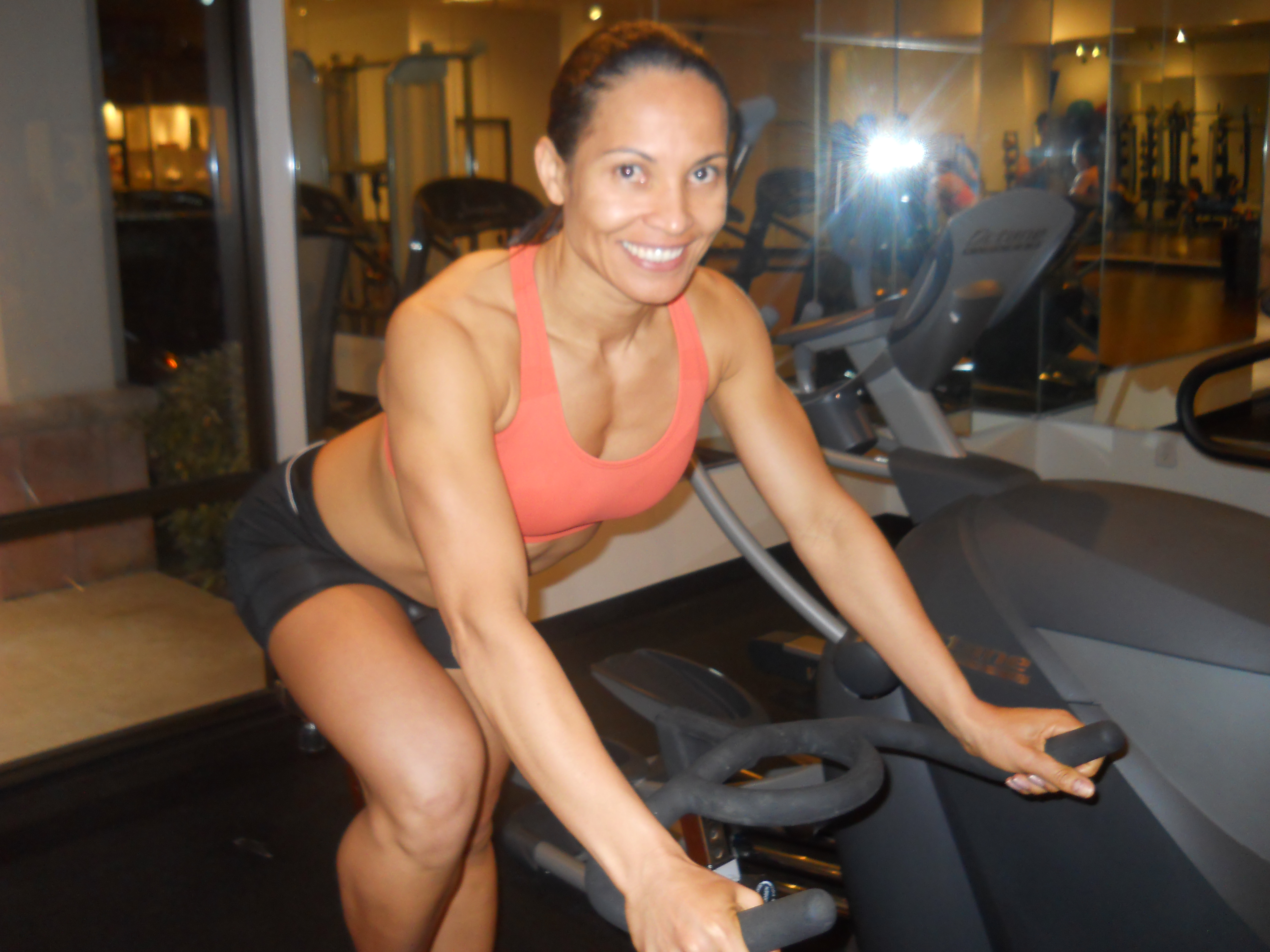
Zone 2 cardio (walking, cycling, swimming)
-
Moderate strength training
-
Short, infrequent HIIT (1–2×/week max)
What hurts HRV if overdone:
-
Daily HIIT
-
Chronic “no rest days” mentality
-
Training hard on poor sleep
Think consistent, not crushing.
3️⃣ Sleep is non-negotiable
No hack beats sleep.
HRV-friendly sleep habits:
-
Same bedtime/wake time
-
Cool, dark room
-
No alcohol close to bedtime (big HRV killer)
-
Morning sunlight exposure
Even one poor night can drop HRV for days.
4️⃣ Cold exposure (used correctly)
Short cold stress improves HRV if you recover from it.
-
Cold shower: 30–90 sec
-
Breathe calmly (no gasping)
-
2–4× per week
Avoid long ice baths if already stressed or under-recovered.
5️⃣ Reduce hidden stressors
Your nervous system doesn’t know the difference between:
-
Emotional stress
-
Overtraining
-
Undereating
-
Poor sleep
All lower HRV.
Check:
-
Are you under-fueling carbs?
-
Too much caffeine?
-
Too little downtime?
6️⃣ Eat for nervous system stability
HRV hates blood sugar chaos.
Support HRV with:
-
Adequate carbs (especially for active people)
-
Magnesium-rich foods (or Mg glycinate)
-
Omega-3s
-
Regular meals
7️⃣ Track trends, not daily numbers
HRV fluctuates a lot.
-
Look at 7–14 day averages
-
Morning readings only
-
Compare against sleep, stress, and training load
Low HRV isn’t “bad”—it’s information.
Simple daily HRV routine (10 minutes)
-
5 min slow breathing
-
5–30 min walk
-
Consistent bedtime
Do this for 4–6 weeks and HRV almost always improves.