When it comes to fitness, longevity, and heart health, one hormone deserves a lot more attention than it usually gets: cortisol.
As a trainer and someone deeply invested in long-term health, I’ve come to appreciate that controlling your cortisol levels is not about eliminating stress. It’s about respecting how powerful this hormone is — and learning how to work with it, not against it.
Let’s break it down in a practical, positive way.

What Is Cortisol?
Cortisol is often called “the stress hormone,” but that label doesn’t tell the full story. It’s produced by your adrenal glands and plays a vital role in your daily survival and performance.
Under the regulation of the hypothalamic-pituitary-adrenal (HPA) axis, cortisol helps your body:
In healthy amounts, cortisol is not the enemy. It’s essential.
In fact, cortisol is naturally highest in the early morning. This is called the Cortisol Awakening Response (CAR). It helps wake you up, sharpen your focus, and get you moving.
The problem is not cortisol itself.
The problem is chronically elevated cortisol.
What Happens When Cortisol Stays Too High?
When stress becomes constant — work stress, poor sleep, emotional strain, overtraining, financial pressure — cortisol can remain elevated for too long.
Chronically high cortisol levels may contribute to:
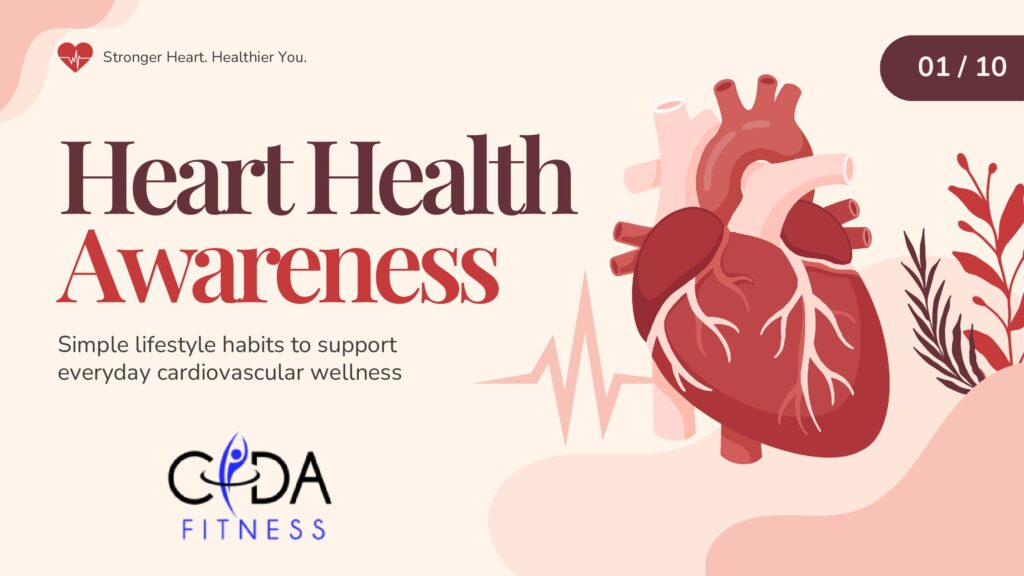
Now let’s talk about something very important: the heart.
Cortisol and Heart Conditions
For individuals with a cardiac condition — or anyone recovering from a cardiac event — managing cortisol becomes even more critical.
Chronic cortisol elevation can:
-
Increase blood pressure
-
Increase resting heart rate
-
Contribute to arterial inflammation
-
Promote blood sugar instability
-
Increase clotting tendency
All of these can place additional strain on the cardiovascular system.
If you’ve experienced a heart event (like me), stress management is not optional. It is foundational.
Managing cortisol and stress is essential to recovering well and living well after a cardiac event. Fitness alone isn’t enough. Nutrition alone isn’t enough. You must calm the hormonal environment that surrounds your heart.
The Good Side of Cortisol
Before we demonize cortisol, let’s give it credit.
Cortisol:
-
Helps you wake up and feel alert
-
Allows you to respond quickly in emergencies
-
Reduces excessive inflammation
-
Supports endurance during exercise
-
Maintains metabolic flexibility
Without cortisol, you wouldn’t have energy for a workout or mental clarity for decision-making.
The goal is rhythm, not suppression.
Cortisol should rise in the morning, gently taper through the day, and be low at night.
When that rhythm is intact, you feel strong, focused, and resilient.
How I Personally Manage Cortisol
Over the years, I’ve adjusted my habits to support a healthier cortisol rhythm.
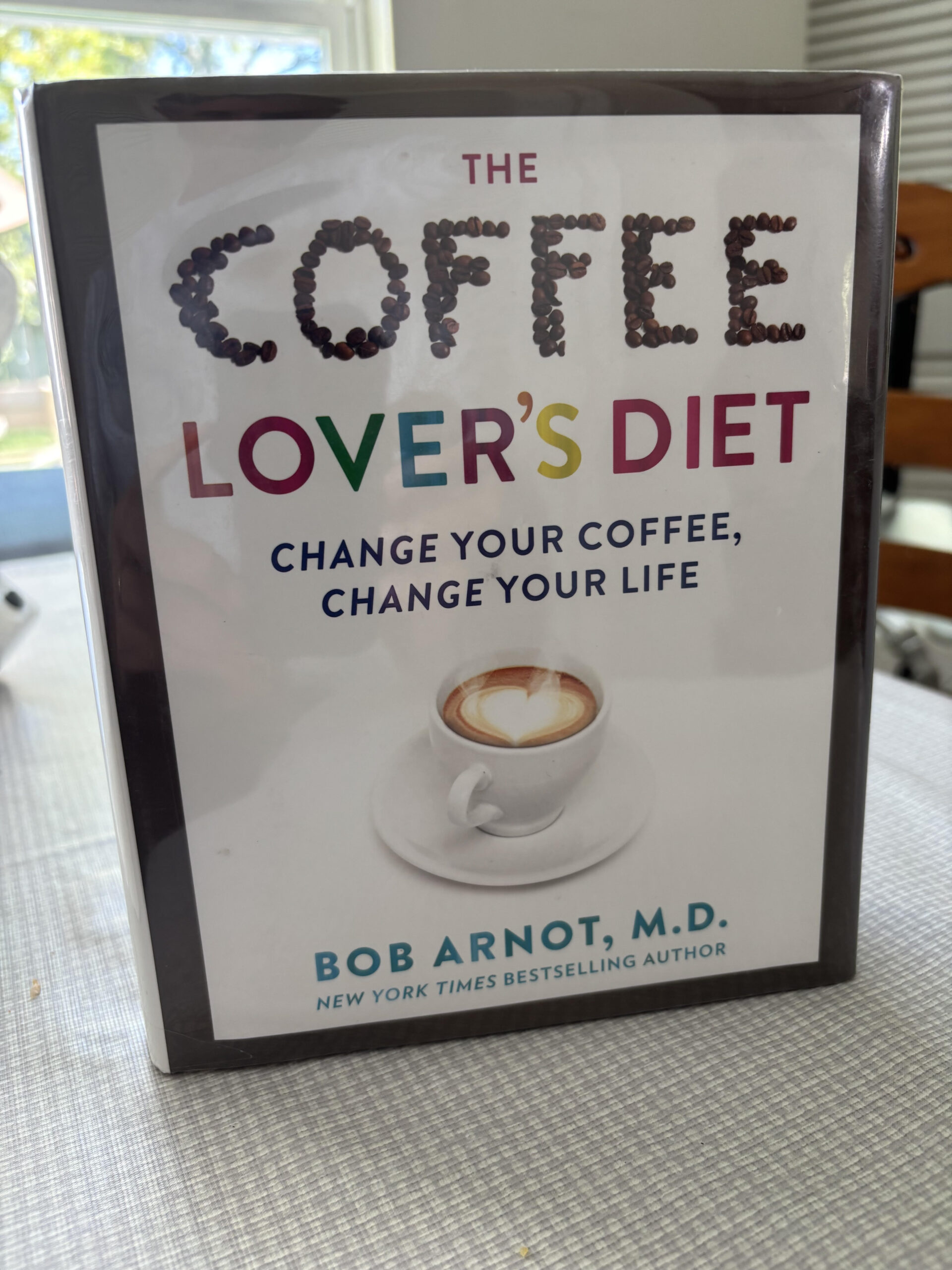
One simple change I’ve made: I do not drink coffee first thing in the morning.
Because cortisol is already naturally high upon waking, immediately adding caffeine can potentially spike it further. For some people, this may amplify jitters, anxiety, and stress responses.
Instead, first thing in the morning I have a simple Lemon Drink (I wrote about this on this blog last month). It’s refreshing, hydrating, and gentle on the system.
Then about an hour later — once my body has fully awakened — I enjoy a cup of coffee with Laird Superfood creamer. That timing works better for me and feels more balanced.
Small shifts like this can make a meaningful difference over time.
Natural Ways to Manage Cortisol
Here are strategies I consistently recommend:
1. Prioritize Sleep
Aim for 7–8 hours of quality sleep. Cortisol dysregulation and sleep deprivation feed off each other.
2. Get Morning Sunlight
Natural light exposure in the first hour of the day helps anchor your circadian rhythm and supports healthy cortisol timing.
3. Train Smart, Not Excessively
Exercise is beneficial stress. But chronic overtraining can keep cortisol elevated. Recovery days are not weakness — they are strategy.
4. Practice Active Recovery
Walking, mobility work, deep breathing, and light stretching can lower stress hormones while still promoting movement.
5. Eat Balanced Meals
Protein, healthy fats, and fiber-rich carbohydrates help stabilize blood sugar — which in turn stabilizes cortisol.
6. Develop a Stress-Reduction Practice
Prayer, journaling, reading, time outdoors, meaningful conversation — these aren’t luxuries. They are hormonal regulators.
7. Consider Measuring Your Cortisol
It can be helpful to occasionally measure your cortisol levels through a simple blood test.
Keep in mind: insurance may not always cover this test unless there is a specific medical reason. If your doctor does not recommend it or insurance declines coverage, you can have it done privately at a reasonable cost through the Life Extension Foundation.
Having objective data can be empowering. It gives you a clearer picture of how your body is responding to your lifestyle.
The Bigger Picture: Stress, the Heart, and Living Well
If you’ve had a cardiac event — or you’re simply serious about preventing one — controlling cortisol isn’t just about feeling calm.
It’s about:
-
Protecting your arteries
-
Stabilizing blood pressure
-
Supporting metabolic health
-
Reducing inflammatory burden
-
Improving recovery capacity
Managing stress is not soft. It is strategic.
Fitness builds the body. Nutrition fuels it. But hormonal balance protects it.
You don’t need to eliminate stress from your life — that’s impossible. What you can do is build resilience, structure your day wisely, and respect your physiology.
Your heart deserves a calm internal environment.
And when you manage cortisol well, you don’t just recover better — you live better.
Stay strong, stay balanced, and remember: discipline is not only about pushing harder. Sometimes it’s about slowing down intelligently.