
Heart-Rate Tracking Log & “Know Your Numbers” Worksheet

Post-Rehab Cardio & Strength Program – CIDA Fitness

Tracking your heart rate helps you exercise safely, confidently, and effectively after a heart attack. This simple system teaches you how to know your numbers, stay in the right training zones, and build long-term heart health without overdoing it.


🔢 KNOW YOUR NUMBERS – Client Worksheet

Before starting your workouts, take a few minutes to learn your personal heart-rate ranges.

Step 1: Estimate Your Maximum Heart Rate

Use this conservative formula:

220 – Your Age = Estimated Maximum Heart Rate

Example:
If you are 60 years old → 220 – 60 = 160 bpm

⚠️ Always follow your cardiologist’s guidance if they have given you specific heart-rate limits.


Step 2: Calculate Your Training Zones

Training Zone % of Max HR Your Heart Rate
Fat-Burning Zone 50–60% __________ bpm
Aerobic Training Zone 60–70% __________ bpm
Anaerobic Training Zone 70–85% __________ bpm

📌 For most post-rehab clients, the majority of training time should stay in the Fat-Burning and Aerobic Zones.


🫀 Understanding the Heart-Rate Training Zones

(Simple, Safe, and Practical)

🟢 Fat-Burning Zone (50–60%)

Primary zone for this program

  • Improves circulation and endurance

  • Supports weight management and metabolic health

  • Very heart-friendly and sustainable

  • You should be able to talk easily in full sentences


🔵 Aerobic Training Zone (60–70%)

Secondary zone for cardiovascular conditioning

  • Strengthens the heart muscle

  • Improves oxygen efficiency

  • Breathing is deeper but controlled

  • You can talk, but with occasional pauses


🔴 Anaerobic Training Zone (70%+)

Advanced zone – used sparingly and carefully

  • Short bursts of higher effort

  • Improves functional strength and resilience

  • Talking becomes difficult

  • Not for sustained effort in early recovery


⚖️ Why Training in All Zones Matters (Even a Little)

A healthy heart is adaptable. While most of your workouts should remain low to moderate intensity, brief and controlled exposure to higher effort — when approved by your doctor — helps the heart respond better to daily life demands (stairs, carrying groceries, travel, stress).

How This Program Uses the Zones Safely:

  • Fat-Burning Zone: Most walking, cycling, swimming

  • Aerobic Zone: Slightly faster walking or steady cycling

  • Anaerobic Zone: Very short moments (e.g., walking up a hill), only if cleared and well-tolerated

💡 Think “a little, not a lot” when it comes to higher intensity.


📋 HEART-RATE TRACKING LOG (Client Use)

Use this log to track progress, build confidence, and stay consistent.

Daily Heart-Rate Log

Date Activity Duration Avg HR Training Zone How You Felt
____ Walking 60 min ____ Fat / Aerobic 😊 😐 😓
____ Cycling 30 min ____ Fat / Aerobic 😊 😐 😓
____ Strength 30 min ____ Mixed 😊 😐 😓

✔️ Circle how you felt
✔️ Note any symptoms (fatigue, shortness of breath, dizziness)


🧠 The Talk Test (Easy & Reliable)

If numbers feel confusing, use this simple rule:

  • Fat-Burning Zone: Talking feels easy

  • Aerobic Zone: Talking is possible, but slightly challenging

  • Too Intense: You cannot talk comfortably → slow down


⚠️ Important Safety Considerations

  • Never hold your breath during cardio or strength training

  • Stop exercising if you feel chest pain, dizziness, or unusual shortness of breath

  • Stay well-hydrated before, during, and after workouts

  • Wear supportive shoes and comfortable clothing

  • When in doubt, stay in the lower heart-rate range


💧 Hydration Reminder

  • Drink water throughout the day

  • Increase fluids in warm or humid conditions

  • Dehydration can elevate heart rate unnecessarily


❤️ Final Encouragement

Consistency is the real secret to heart health.

Training regularly in the right heart-rate zones builds a stronger, more efficient heart — without fear, without burnout, and without pushing too hard.

Your heart doesn’t need extremes. It needs steady, smart movement.

And, to make things more practical for you, use the following Heart Rate Training Form in PDF format to download.  There’s also a Spanish version.

CIDA_Fitness_Heart_Rate_Tracking_Log_4_Weeks_EN

CIDA_Fitness_Heart_Rate_Tracking_Log_4_Weeks_ES

 

THE Powerful Lemon Drink

A powerful beverage I’ve been drinking every day for the last 2 weeks to improve my cardiovascular health is THE Lemon Drink.  For being such a simplistic beverage with only 2 ingredients (warm water and fresh-squeezed lemon juice), it delivers a powerful punch of benefits beyond cardiovascular health.


The lemon is loaded with phytonutrients, such as flavonoids and antioxidants, and is mostly known for liver detox and support.  Sure, these are good benefits like supporting your body’s natural detox pathways, improving insulin sensitivity, and reducing fat buildup in your liver cells.  But, the benefits go beyond this.

The lemon’s natural acids help to stimulate bile production (bile is a fluid made by the liver that helps break down fats and carry waste out of the body), which assists in breaking down fats more efficiently and improves digestion.

Additionally, it helps improve gut health.  This is huge since your gut is where health begins and is mostly responsible for your overall immune functioning.  It helps to support a diverse gut microbiome, lowers inflammation, and enhances mood disposition.   This is most likely why I had a general good feeling every day from just 1 week of consuming this drink.

And finally, there are cardiovascular health benefits, which is why I originally started drinking The Powerful Lemon Drink.  These include:  helps to regulate blood sugar levels; supports healthy blood flow and circulation, maintains healthy cholesterol balance, and reduces oxidative stress and inflammation. 

Below are a few tips to drinking The Powerful Lemon Drink:

  1. Make sure you squeeze enough lemon juice into your 8 – 12 ounces of warm water.  Otherwise, it’s just lemon-flavored water.  Aim for at least half a lemon per serving.
  2. Let it steep for at least 5 – 10 minutes in order for it to fully absorb the Vitamin C and other nutrients.
  3. Drink first thing in the morning on an empty stomach and do not mix with food; it does not mix well with stomach acid.
  4. Don’t add any sugar or artificial sweeteners; the only exception is stevia.
  5. Drink it every single day; once in a while won’t have very much of an effect. 


Unlock Better Health With a Daily Red Drink – Part II

In my opinion the commercially available red drink powder supplements are great.  They are very convenient, affordable, and loaded with nutritional value with phytonutrients.  Additionally, they don’t have sugar (this is huge).

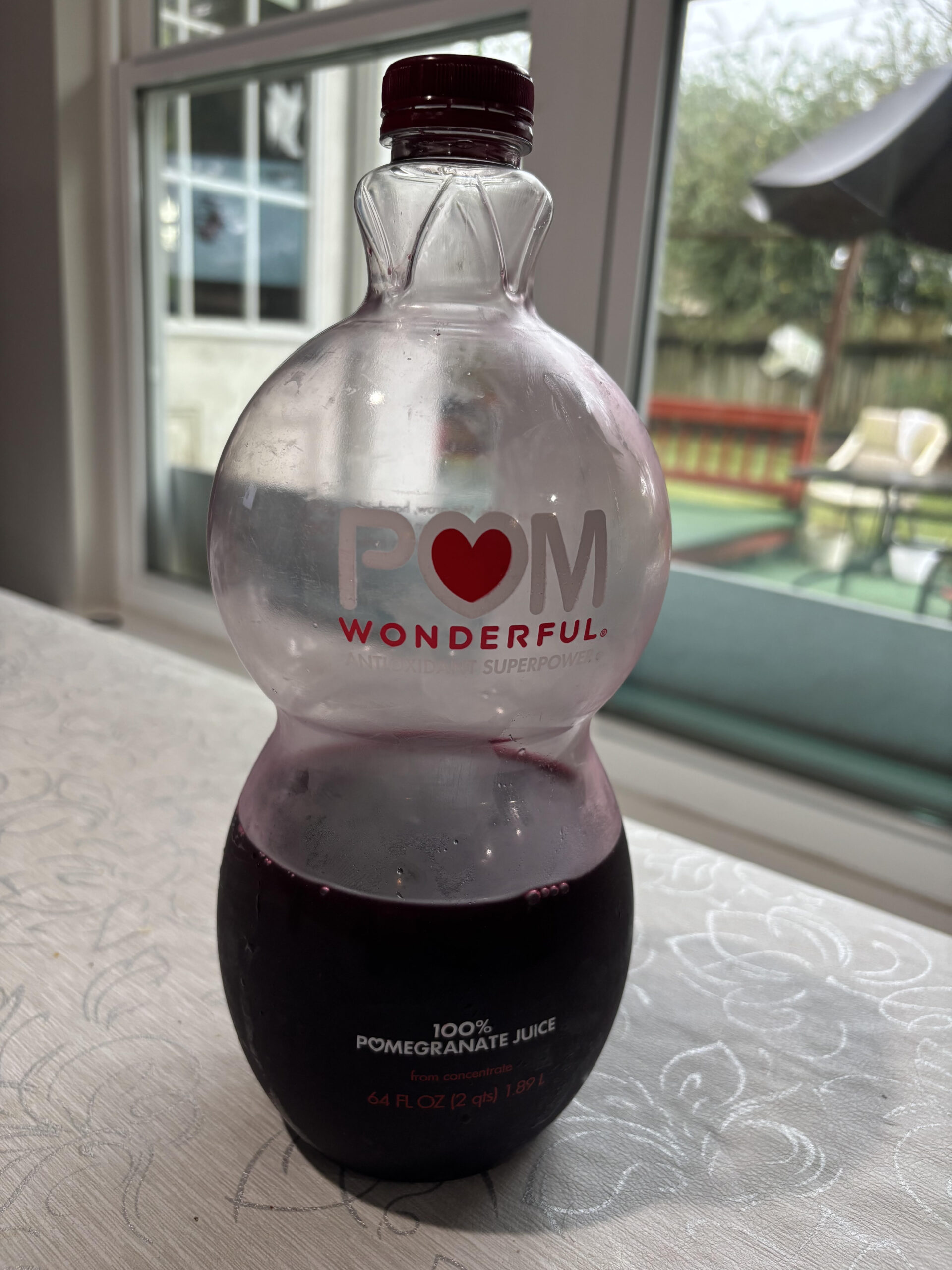
However, there are other options or ways to consume the pomegranate for better cardiovascular health, such as drinking concentrated pomegranate juice.  I like the POMS brand because it is widely available at most grocery stores, including Sam’s Club and Cosco.

Below are some of the benefits of drinking pomegranate juice daily:

  • it is high in antioxidants and phytonutrients, such as punicalagins that help with reducing oxidative stress in the body.
  • may help to reduce inflammation.  Remember, when a person is under a lot of stress, inflammation may occur in the heart and can cause problems in your arteries.
  • may improve blood pressure.
  • may improve cholesterol profile.
  • and, it may improve in blood vessel function and may enhance the body’s ability to produce nitric oxide (NO).

Drinking pomegranate juice is not a remedy to heart disease or a treatment after experiencing a heart attack.  Always follow the directives of your doctor and take the prescribed medications, if necessary.

Another tip is to be aware of the sugar content in pomegranate juice, especially if you are diabetic or have high levels of blood sugar.  On average, there’s around 34 grams of sugar per serving (8 ounces).  The solution is to dilute it with water and drink in moderation.

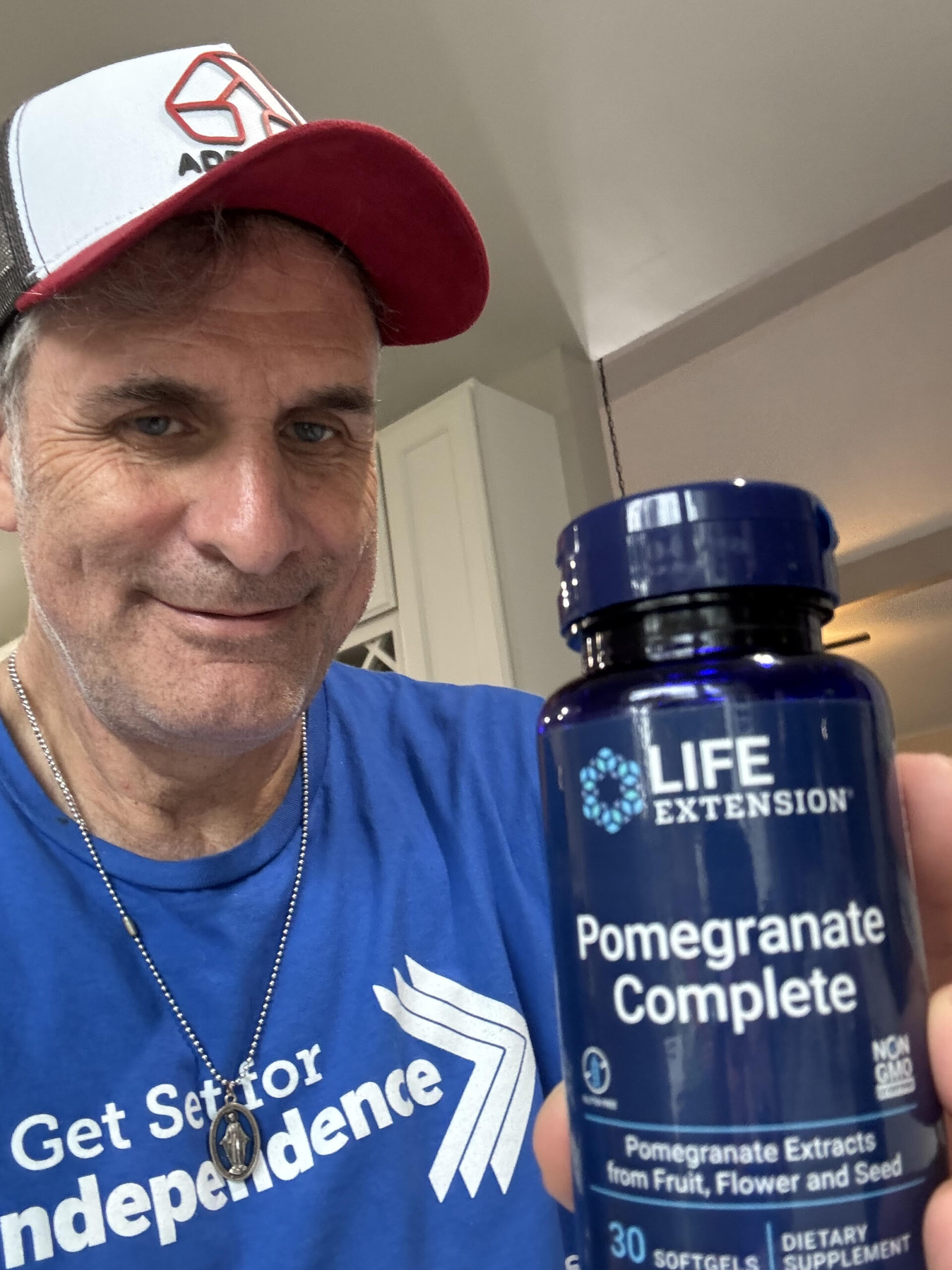
Another convenient option is to take a daily supplement.  The best one I have researched is is by Life Extension (In my opinion, one of the top 5 supplement companies in the world), with a product called “Pomegranate Complete.”  The main reasons why I take this supplement every day are because it contains all of the above-mentioned benefits of drinking pomegranate juice, contains the extracts from the fruit, flower and seed (not just the fruit), and supports your metabolic health by not having any sugar.  Additionally, it contains the polyphenol equivalent of a large amount of pomegranate juice in just one tablet.  The cost is under $20 per month supply.  BTW, I don’t make any money promoting Life Extension or any type of affiliate marketing relationship with them. 


And finally, just go out and buy a fresh pomegranate at your local grocery store.  The main advantages in addition to items listed above are that the fresh fruit has fiber, live enzymes (good for your digestive system), and tastes delicious!

Click HERE if you would like to read Part I.

Unlock Better Heart Health With a Daily Red Drink


If you’ve been hearing about “red drinks” and wondering why everyone’s talking about them, you’re in the right place. These colorful blends of berries, beets, and other red-pigmented superfoods aren’t just pretty — they’re packed with nutrients that love your heart as much as you   I have occasionally drank a red drink throughout years, but nowadays since I am recovering from a heart attack (just 3 months ago), I have one every day.


❤️ Why Red Drinks Are So Good for Your Heart

They aren’t a miracle cure, but they are a delicious and simple way to give your cardiovascular system daily support.

Here’s what they can do for you:

✅ Support Healthy Blood Flow

Ingredients like beetroot and pomegranate naturally boost nitric oxide (NO) — a compound that relaxes and opens your blood vessels for smoother circulation and lower blood pressure.

✅ Boost Endurance & Energy

More nitric oxide = more oxygen delivered to your muscles. You’ll feel more energized and recover faster from workouts or daily activity.

✅ Reduce Oxidative Stress

Red fruits and veggies are full of antioxidants that help protect your arteries and support long-term heart health.


🍓 The Heart-Healthy All-Stars Inside Red Drinks

You’ll often find these powerful ingredients blended together:

  • Blueberries – protect arteries with anthocyanins

  • Blackberries – fight inflammation

  • Açaí Berry – loaded with antioxidants and healthy fats

  • Pomegranate – enhances nitric oxide production

  • Beetroot – rich in natural nitrates for circulation

  • Tart Cherry – supports recovery and heart function

  • Red Grapes/Resveratrol – promotes healthy cholesterol balance

Each scoop delivers the colorful compounds your body thrives on.


⚡ What Is Nitric Oxide (NO)?

Think of nitric oxide as your body’s natural “blood-flow booster.”
When your body converts plant nitrates from foods like beets and pomegranates into NO, your vessels relax and widen — improving oxygen delivery and overall cardiovascular performance.

More NO =
💪 Better endurance
🫀 Lower blood pressure
🧠 Sharper focus
💨 Easier breathing during exercise

Since my 2 sons Marcos and Gabriel play college soccer and must compete at a high level with a lot of cardiovascular endurance demands, having a red drink is a secret weapon to initiate more NO.


🧘 A Realistic Approach to Heart Health

While red drinks are a great addition, they’re not a cure for blocked arteries.
To truly protect your heart:

🥗 Follow a Mediterranean-style diet (lots of veggies, olive oil, fish, beans, whole grains)
💊 Take medications prescribed by your doctor as needed
🚶 Exercise regularly
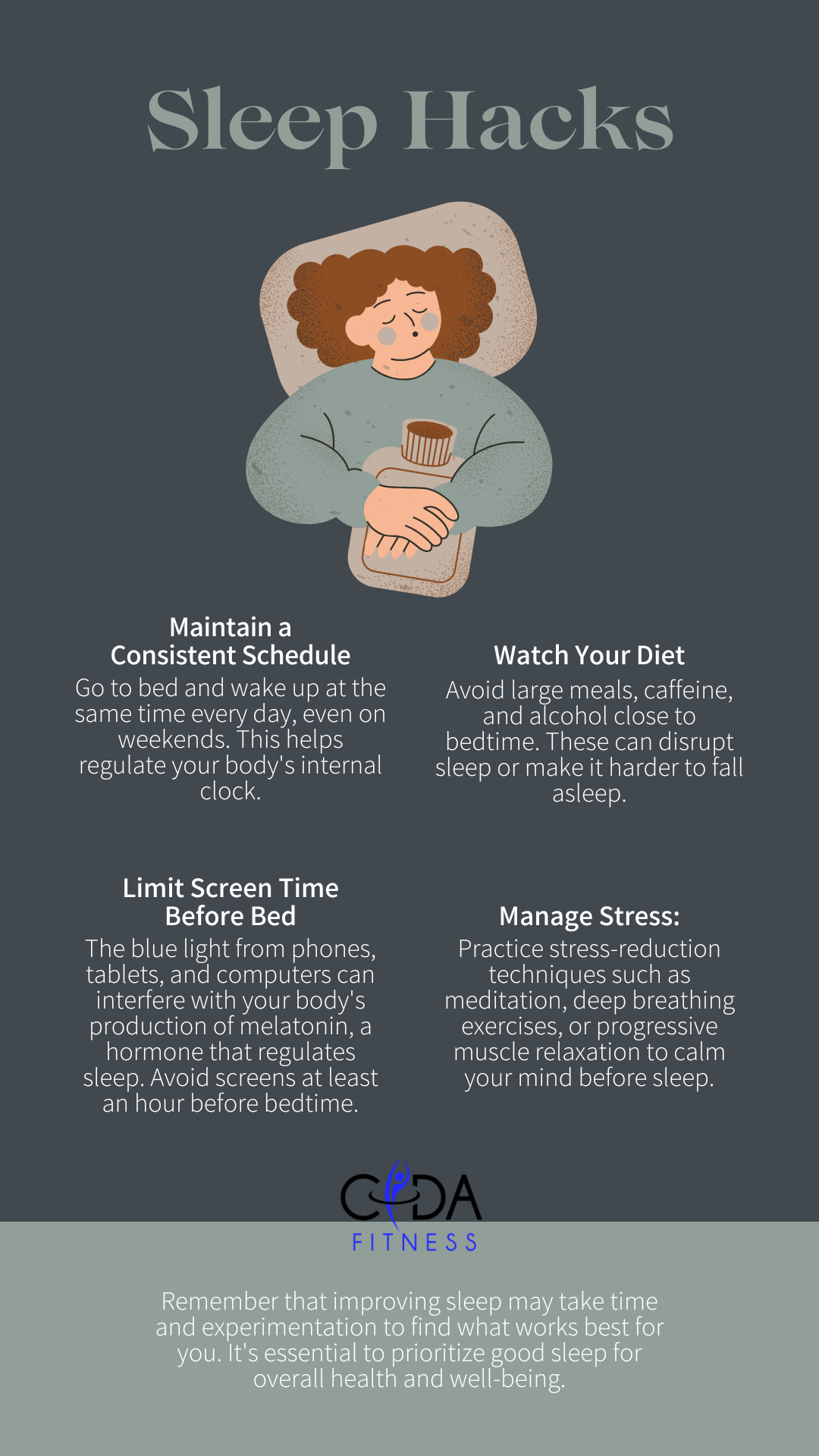
😌 Manage stress and get quality sleep

A balanced lifestyle + smart nutrition choices = long-term heart vitality.


💬 Ready to Strengthen Your Heart & Health?

If you want expert help putting it all together—fitness, nutrition, and daily heart-smart habits—I’d love to guide you.

🎯 Start your virtual fitness & nutrition coaching today:
👉 www.cidafitness.com

Let’s make your heart health a lifestyle—not a temporary goal. ❤️