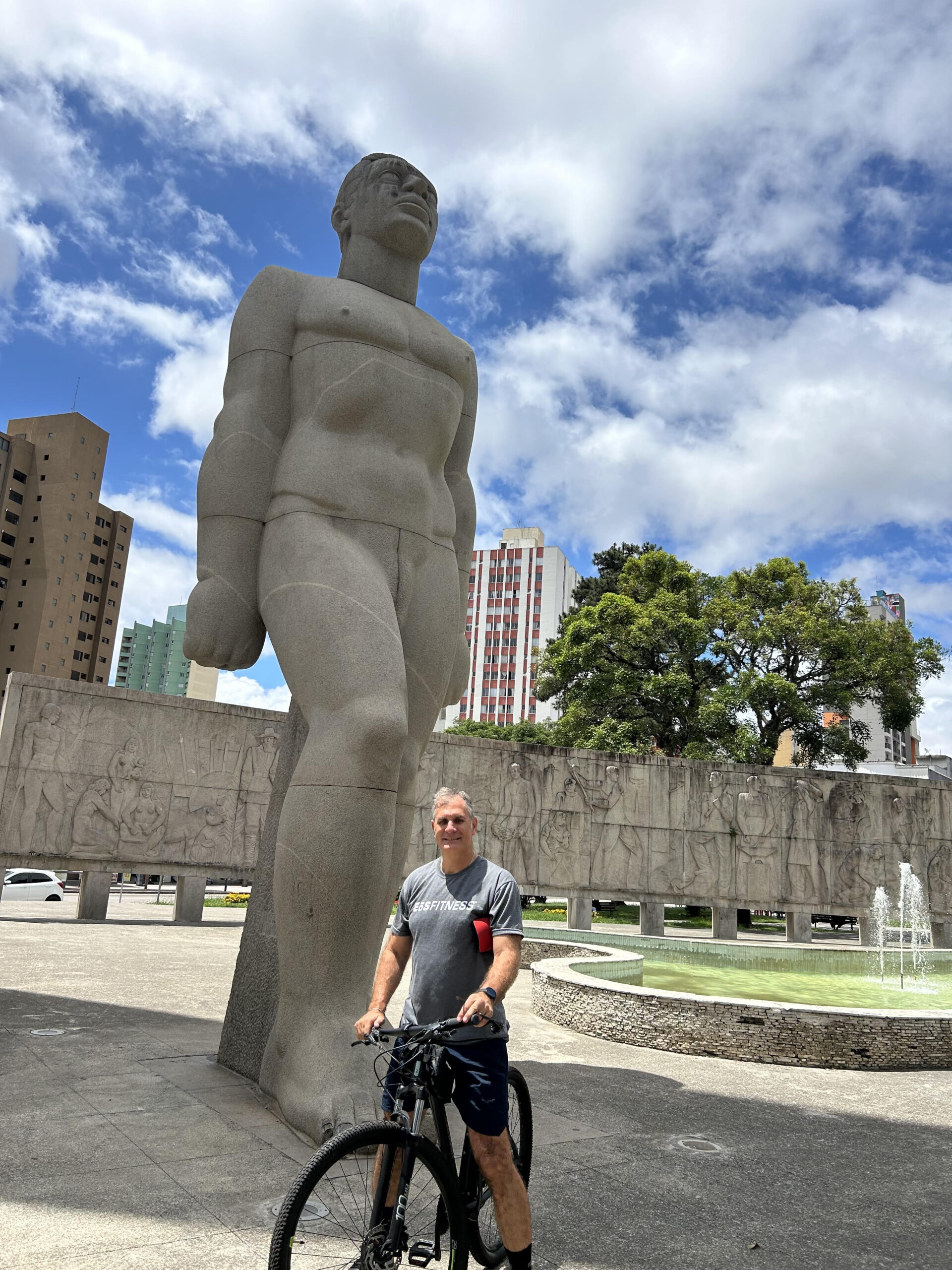
Biking in Curitiba
My Morning Walk: A Simple 45-Minute Workout for Heart Health and Recovery
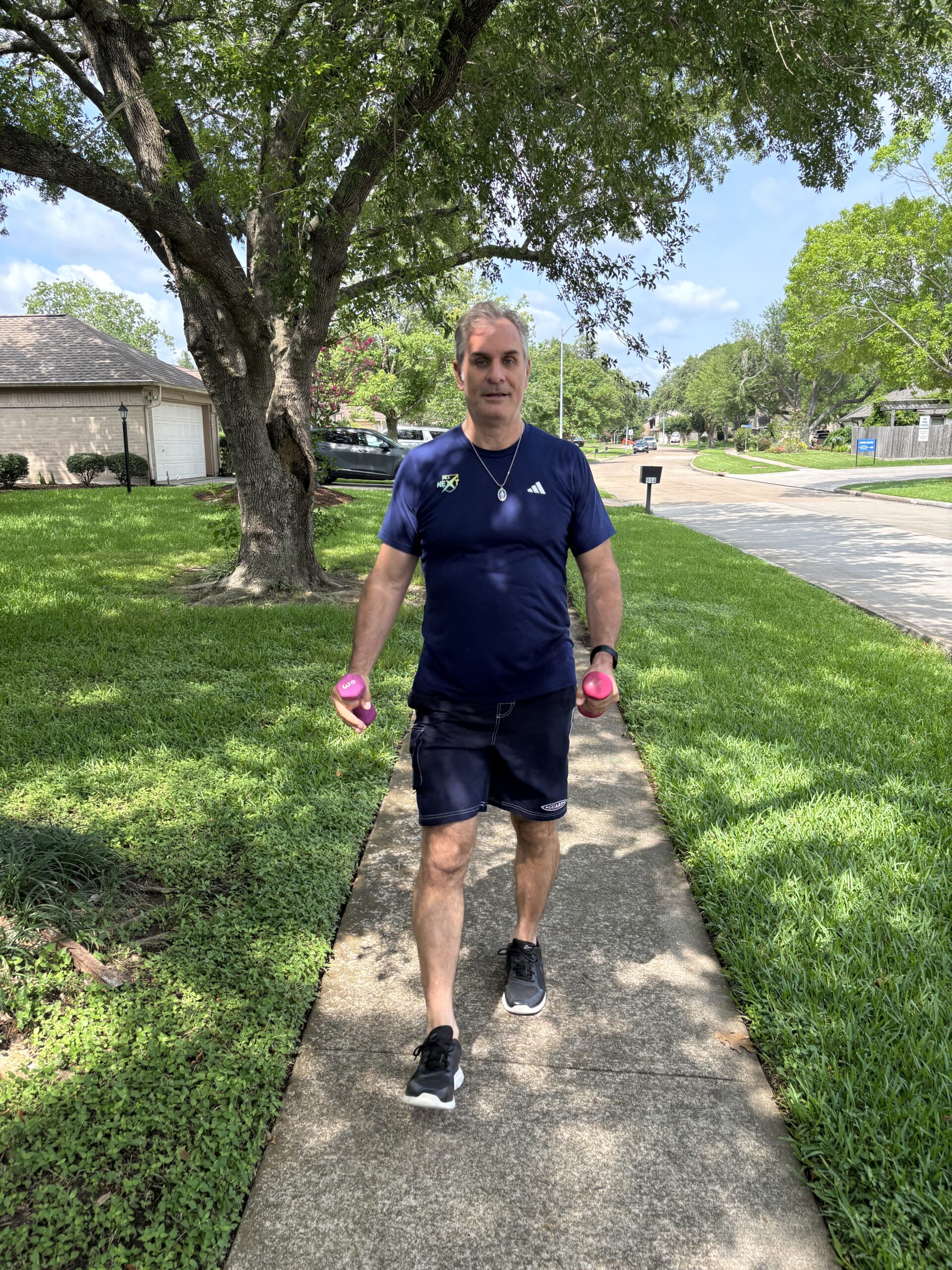
One of the greatest lessons I’ve learned during my journey of cardiac rehabilitation is that sometimes the simplest workouts are the most effective.
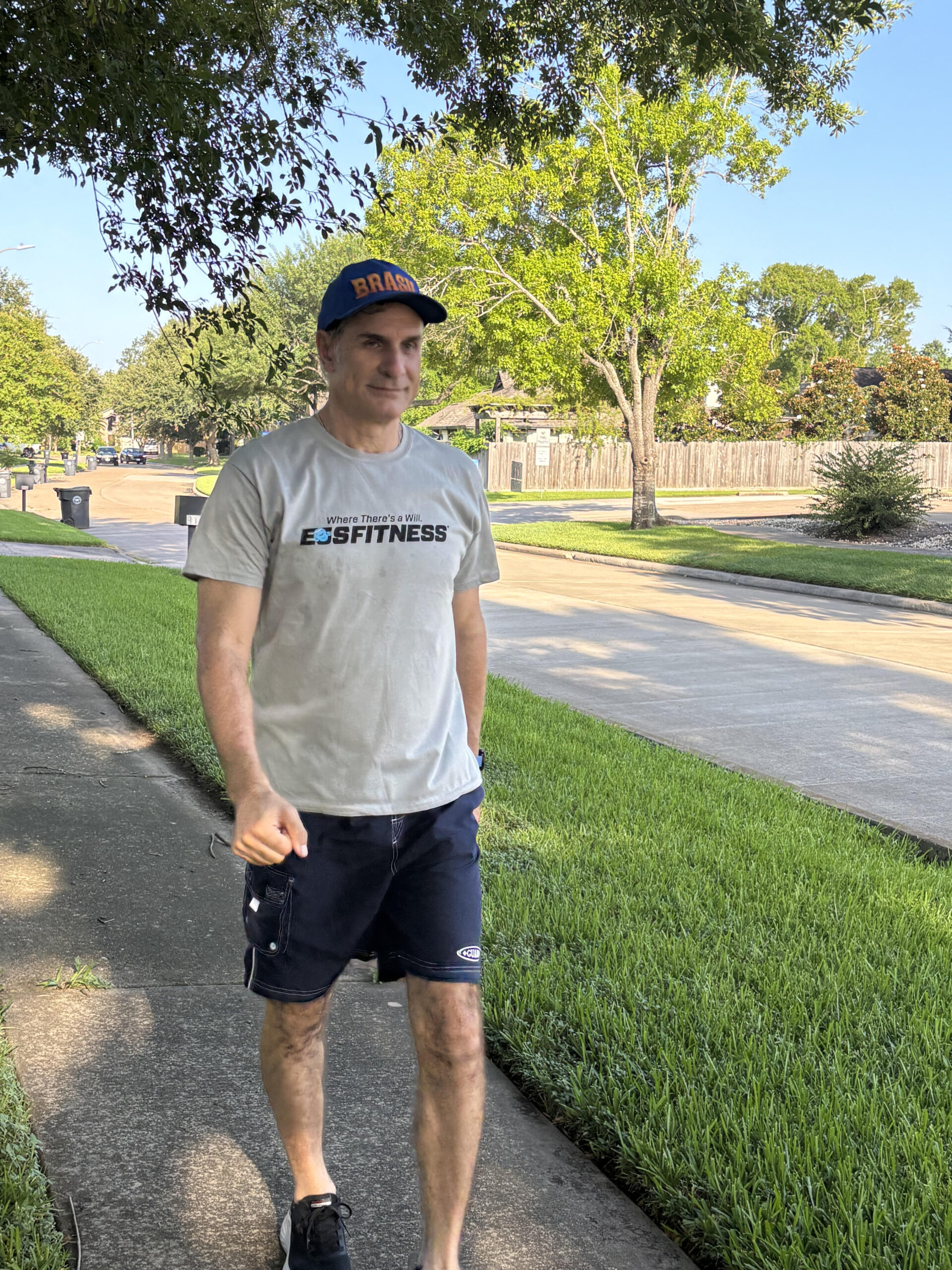
This morning at 8:00 a.m., I headed out into my neighborhood for a 45-minute brisk walk. The weather was pleasant, the sun was just beginning to warm the day, and it was the perfect time to get outside before the Texas heat became too intense.
My primary goal for today’s workout wasn’t speed or distance—it was heart rate control.
I intentionally maintained a pace that kept my heart rate below 110 beats per minute throughout the entire workout. This is an important part of my post-cardiac rehabilitation program, allowing my heart to become stronger while staying within a safe training zone recommended for recovery.
Why This Workout Matters
Many people believe that improving heart health requires intense exercise. In reality, consistent moderate-intensity exercise is one of the most powerful tools available for strengthening the cardiovascular system.
Today’s walk provided several important benefits:
Improves Cardiovascular Health
Walking at a brisk, controlled pace helps improve circulation, strengthens the heart muscle, and increases the body’s ability to use oxygen more efficiently. Over time, regular walking can help lower blood pressure, improve cholesterol levels, and reduce the risk of future cardiac events.
Gentle on the Joints
Unlike running or other high-impact activities, brisk walking places much less stress on the knees, hips, ankles, and lower back. This makes it an excellent lifelong form of exercise, especially for adults over 50 or anyone recovering from illness or injury.
Safe for Cardiac Rehabilitation
Keeping my heart rate below 110 beats per minute allows me to exercise confidently while avoiding unnecessary strain on my recovering heart. Every individual should follow the heart rate guidelines provided by their healthcare team, but controlled walking is often one of the safest forms of cardiovascular exercise.
Convenient
One of the best fitness facilities in the world is right outside your front door.
No commute.
No waiting for equipment.
No membership fees.
Just put on a comfortable pair of walking shoes and start moving.
It’s Completely Free
You don’t need expensive equipment or a costly gym membership to improve your health. Walking is available to nearly everyone and remains one of the most affordable and effective exercises ever discovered.
Great Way to Start the Day
Walking early in the morning helps avoid the stronger afternoon sun, especially during the summer months. It also provides a peaceful opportunity to clear your mind, reduce stress, and begin the day with a sense of accomplishment.
The Secret Ingredient: Consistency
If there’s one message I’d like to share with anyone recovering from a heart attack—or simply wanting to improve their health—it’s this:
Consistency beats intensity.
You don’t have to complete an exhausting workout every day.
You simply need to keep showing up.
Walking 30 to 45 minutes most days of the week can produce remarkable improvements in cardiovascular fitness, energy levels, blood sugar control, weight management, and overall quality of life. Those small daily efforts add up over weeks, months, and years.
Remember, your heart doesn’t become stronger because of one workout.
It becomes stronger because of hundreds of workouts performed consistently over time.
My Encouragement to You
Whether you’re recovering from heart disease, trying to prevent one, or simply looking for a practical way to improve your health, don’t underestimate the power of a daily walk.
Find a comfortable pace.
Stay within your recommended heart rate zone.
Be consistent.
Your future self—and your heart—will thank you for every step you take.
My Morning Water Walking Workout: A Simple Way to Strengthen Your Heart
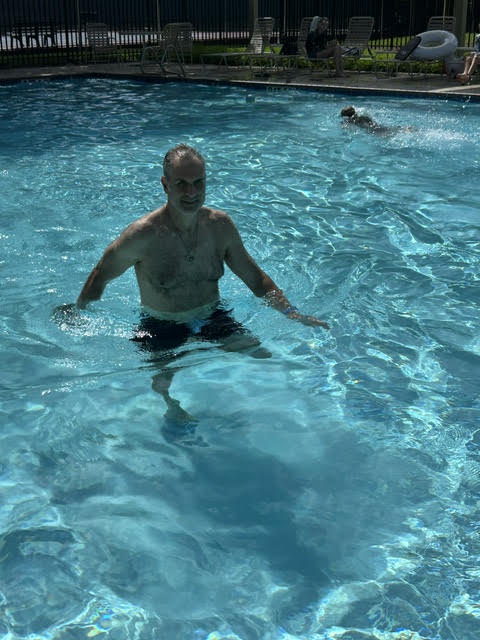
This morning at 9:00 a.m., I walked just one block from my house to our neighborhood swimming pool for one of the simplest—and most effective—cardio workouts I’ve done in a long time.
The Texas heat was just beginning to build, but thankfully this pool has plenty of shade, making it a comfortable place to exercise even during the summer months. Sometimes the best workout isn’t the most complicated one. It’s simply the one you’ll consistently do.
Keeping It Simple
Today’s workout didn’t require any special equipment.
No water dumbbells.
No resistance gloves.
No flotation belt.
Just brisk water walking from one side of the pool to the other for 45 continuous minutes.
Because I recently experienced a heart attack, my cardiologist prescribed a safe aerobic workout with one important guideline:
Keep my heart rate below 110 beats per minute.
To be honest, I felt like I could have pushed much harder. My energy level was good, and I wanted to increase the pace. But recovery is about being smart, not proving how much you can do. Following your physician’s recommendations is one of the best investments you can make in your long-term heart health.
Why Water Walking Is So Effective
Water walking is often overlooked, but it offers some remarkable benefits:
- Provides an excellent cardiovascular workout.
- Significantly reduces stress on the knees, hips, ankles, and lower back.
- Creates gentle resistance in every direction, helping strengthen muscles without heavy weights.
- Improves circulation and endurance.
- Is appropriate for many people recovering from injury, surgery, or cardiovascular events when approved by their healthcare provider.
The natural resistance of the water means your muscles are working during every step, while the buoyancy protects your joints from the impact that comes with walking or jogging on land.
Recovery Is About Consistency
One lesson I’ve learned during my recovery is that progress isn’t always measured by intensity.
Sometimes the greatest gains come from showing up consistently, staying within your prescribed limits, and allowing your heart to become stronger one workout at a time.
Today’s session wasn’t about setting records.
It was about investing in my health for the future.
Give Water Walking a Try
You don’t need to have heart disease to benefit from water walking.
If you’re looking for a low-impact, joint-friendly form of exercise that still provides an effective cardiovascular workout, I encourage you to give it a try. Whether you’re recovering from a medical condition, managing arthritis, carrying extra weight, or simply looking for a refreshing alternative to walking on land, water walking can be an outstanding addition to your fitness routine.
Remember to start at a comfortable pace, stay hydrated, and always consult your physician before beginning any new exercise program if you have heart disease or other medical conditions.
Sometimes the simplest workouts are the ones that make the biggest difference.
Here’s to stronger hearts, healthier lives, and taking one step at a time—whether it’s on land or in the water.
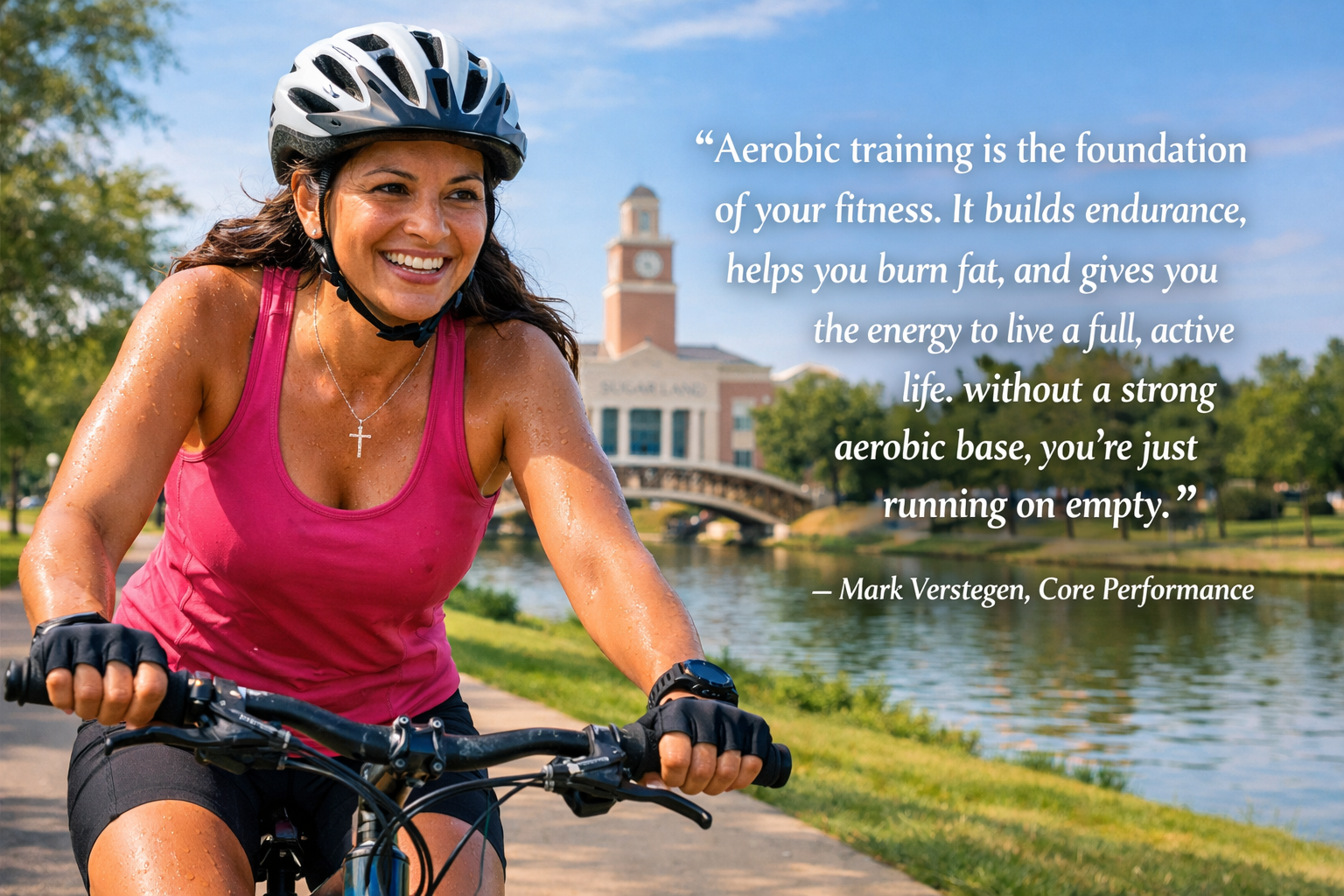
The Importance of Consistent Aerobic Training
The Benefits of Sauna Use for Heart Health, Cardiac Recovery, and Athletic Performance

Lately, I’ve been using the sauna a few times a week and really feel the difference. It helps me to relax and I can tell my cardiovascular system is getting a nice workout. It’s also a good time for me to read.
You see, sauna use isn’t just a luxury—it’s a powerful wellness practice with deep roots in cardiovascular health, recovery, and performance. When used properly and with a physician’s approval, regular sauna sessions can be especially beneficial for individuals recovering from a cardiac event and for athletes looking to optimize recovery, endurance, and overall health.
Let’s explore why sauna therapy has stood the test of time, how often to use it, and how to do so safely.
Why Sauna Use Is So Powerful for the Heart
Sauna bathing creates a gentle cardiovascular workout. As body temperature rises, blood vessels dilate, circulation improves, and the heart rate increases—similar to light-to-moderate exercise.
Research-backed heart benefits include:
-
Improved blood vessel function and circulation
-
Reduced blood pressure over time
-
Enhanced heart rate variability (a key marker of heart resilience)
-
Lower risk of future cardiovascular events when used consistently
For individuals recovering from a heart attack or cardiac procedure, sauna use—only with medical clearance—can support circulation, relaxation, and stress reduction, all of which are critical for heart healing.
Think of the sauna as active recovery for your cardiovascular system.
Sauna Use After a Cardiac Event (With Doctor’s Approval)
For post-cardiac clients, sauna use should always be:
-
Gradual
-
Moderate
-
Closely monitored
General guidelines often approved by physicians:
-
Frequency: 2–4 times per week
-
Duration: 10–20 minutes per session
-
Temperature: Moderate heat (not extreme)
-
Progression: Slowly build tolerance over several weeks
Benefits for cardiac recovery may include:
-
Reduced stress hormones
-
Improved endothelial (artery) function
-
Better sleep and relaxation
-
Enhanced overall quality of life
⚠️ Always stop immediately if dizziness, chest discomfort, nausea, or unusual fatigue occurs.
Why Athletes Love the Sauna
Athletes around the world use sauna therapy as a secret weapon for recovery and performance.
Athletic benefits include:
-
Faster muscle recovery and reduced soreness
-
Improved circulation and nutrient delivery
-
Heat adaptation that may improve endurance
-
Increased growth hormone release
-
Mental relaxation and improved sleep
Athlete-focused sauna protocol:
-
Frequency: 3–5 times per week
-
Duration: 15–30 minutes per session
-
Timing: Post-workout or on recovery days
Many endurance athletes even use sauna exposure to mimic heat training, helping the body adapt and perform better under physical stress.
Finland’s Sauna Culture: A Blueprint for Health 🇫🇮
In Finland, sauna use isn’t a trend—it’s a way of life.
-
Over 3 million saunas for a population of 5.5 million
-
Many Finns use the sauna 4–7 times per week
-
Sauna bathing is linked to lower rates of heart disease, stroke, and all-cause mortality
For Finns, sauna time is about connection, relaxation, and consistency—not extremes. This balanced approach is exactly what makes sauna use so effective and sustainable.
How Long & How Often for Real Benefits?
For most people, benefits begin with consistency—not intensity.
Ideal sauna use for health:
-
2–4 sessions per week for heart health
-
15–25 minutes per session
-
Sweating lightly to moderately, not pushing limits
Consistency over months—not days—is what delivers lasting cardiovascular and metabolic benefits.
Sauna Safety: What You Need to Know
Sauna use is generally safe for healthy individuals, but safety matters—especially for heart patients.
Important precautions:
-
Get medical clearance after a cardiac event
-
Stay well hydrated before and after
-
Avoid alcohol before or after sauna use
-
Start with short sessions and build gradually
-
Exit immediately if you feel lightheaded or unwell
-
Cool down slowly—no sudden cold plunges unless approved
Sauna therapy should leave you feeling refreshed and relaxed, not depleted.
The Bottom Line
When used wisely, sauna therapy can be a powerful ally for:
-
Heart health and cardiac recovery
-
Athletic performance and recovery
-
Stress reduction and longevity
At CIDA Fitness, we believe in smart, evidence-based lifestyle strategies that support long-term health—especially for individuals recovering from a cardiac event and athletes committed to peak performance.
If you’re unsure how sauna use fits into your recovery or training plan, we’re here to help guide you safely and effectively.
Heart-Rate Tracking Log & “Know Your Numbers” Worksheet
Post-Rehab Cardio & Strength Program – CIDA Fitness
Tracking your heart rate helps you exercise safely, confidently, and effectively after a heart attack. This simple system teaches you how to know your numbers, stay in the right training zones, and build long-term heart health without overdoing it.
🔢 KNOW YOUR NUMBERS – Client Worksheet
Before starting your workouts, take a few minutes to learn your personal heart-rate ranges.
Step 1: Estimate Your Maximum Heart Rate
Use this conservative formula:
220 – Your Age = Estimated Maximum Heart Rate
Example:
If you are 60 years old → 220 – 60 = 160 bpm
⚠️ Always follow your cardiologist’s guidance if they have given you specific heart-rate limits.
Step 2: Calculate Your Training Zones
| Training Zone | % of Max HR | Your Heart Rate |
|---|---|---|
| Fat-Burning Zone | 50–60% | __________ bpm |
| Aerobic Training Zone | 60–70% | __________ bpm |
| Anaerobic Training Zone | 70–85% | __________ bpm |
📌 For most post-rehab clients, the majority of training time should stay in the Fat-Burning and Aerobic Zones.
🫀 Understanding the Heart-Rate Training Zones
(Simple, Safe, and Practical)
🟢 Fat-Burning Zone (50–60%)
Primary zone for this program
-
Improves circulation and endurance
-
Supports weight management and metabolic health
-
Very heart-friendly and sustainable
-
You should be able to talk easily in full sentences
🔵 Aerobic Training Zone (60–70%)
Secondary zone for cardiovascular conditioning
-
Strengthens the heart muscle
-
Improves oxygen efficiency
-
Breathing is deeper but controlled
-
You can talk, but with occasional pauses
🔴 Anaerobic Training Zone (70%+)
Advanced zone – used sparingly and carefully
-
Short bursts of higher effort
-
Improves functional strength and resilience
-
Talking becomes difficult
-
Not for sustained effort in early recovery
⚖️ Why Training in All Zones Matters (Even a Little)
A healthy heart is adaptable. While most of your workouts should remain low to moderate intensity, brief and controlled exposure to higher effort — when approved by your doctor — helps the heart respond better to daily life demands (stairs, carrying groceries, travel, stress).
How This Program Uses the Zones Safely:
-
Fat-Burning Zone: Most walking, cycling, swimming
-
Aerobic Zone: Slightly faster walking or steady cycling
-
Anaerobic Zone: Very short moments (e.g., walking up a hill), only if cleared and well-tolerated
💡 Think “a little, not a lot” when it comes to higher intensity.
📋 HEART-RATE TRACKING LOG (Client Use)
Use this log to track progress, build confidence, and stay consistent.
Daily Heart-Rate Log
| Date | Activity | Duration | Avg HR | Training Zone | How You Felt |
|---|---|---|---|---|---|
| ____ | Walking | 60 min | ____ | Fat / Aerobic | 😊 😐 😓 |
| ____ | Cycling | 30 min | ____ | Fat / Aerobic | 😊 😐 😓 |
| ____ | Strength | 30 min | ____ | Mixed | 😊 😐 😓 |
✔️ Circle how you felt
✔️ Note any symptoms (fatigue, shortness of breath, dizziness)
🧠 The Talk Test (Easy & Reliable)
If numbers feel confusing, use this simple rule:
-
Fat-Burning Zone: Talking feels easy
-
Aerobic Zone: Talking is possible, but slightly challenging
-
Too Intense: You cannot talk comfortably → slow down
⚠️ Important Safety Considerations
-
Never hold your breath during cardio or strength training
-
Stop exercising if you feel chest pain, dizziness, or unusual shortness of breath
-
Stay well-hydrated before, during, and after workouts
-
Wear supportive shoes and comfortable clothing
-
When in doubt, stay in the lower heart-rate range
💧 Hydration Reminder
-
Drink water throughout the day
-
Increase fluids in warm or humid conditions
-
Dehydration can elevate heart rate unnecessarily
❤️ Final Encouragement
Consistency is the real secret to heart health.
Training regularly in the right heart-rate zones builds a stronger, more efficient heart — without fear, without burnout, and without pushing too hard.
Your heart doesn’t need extremes. It needs steady, smart movement.
And, to make things more practical for you, use the following Heart Rate Training Form in PDF format to download. There’s also a Spanish version.
CIDA_Fitness_Heart_Rate_Tracking_Log_4_Weeks_EN
CIDA_Fitness_Heart_Rate_Tracking_Log_4_Weeks_ES

Post-Rehab Cardio & Strength Program (4 Weeks)
For Individuals 6 Months–3 Years Post Heart Attack
This program is designed for individuals who have:
-
Experienced a heart attack 6 months to 3 years ago
-
Successfully completed cardiac rehab / physical therapy
-
Received doctor’s approval to begin a structured fitness program
Our focus is heart-safe, progressive fitness that builds stamina, strength, confidence, and long-term consistency — without pushing into anaerobic or high-risk zones.
Reminder: This is not a race. Healing hearts thrive on patience, rhythm, and consistency ❤️
Program Philosophy
-
✅ Train primarily in the Fat-Burning Zone and Aerobic Zone
-
❌ Avoid anaerobic, max-effort, or breath-holding exercises
-
✅ Emphasize daily movement, light resistance, and recovery
-
✅ Encourage two workouts per day for metabolic health and heart resilience
-
✅ Progress gradually month-to-month
Weekly Structure Overview
Cardio: 6 days per week
Strength Training: 3 days per week (full body)
Flexibility & Mobility: Daily
Rest Day: 1 full rest or active recovery day per week
🌅 Daily Morning Workout (6 Days/Week)
60-Minute Walk – Morning Sunlight Session
Why mornings matter:
Morning sunlight (especially blue light rays) supports:
-
Circadian rhythm regulation
-
Hormonal balance
-
Better sleep quality
-
Improved cardiovascular and metabolic health
Workout Details:
-
Duration: 60 minutes
-
Intensity: Comfortable, conversational pace
-
Heart Rate Zone: Fat-Burning to Low Aerobic Zone
-
Location: Outdoors whenever possible
💡 You should be able to walk and speak in full sentences without gasping.
🌤 Second Daily Workout (Later in the Day)
Rotate cardio and strength training depending on the day.
Cardio Training Plan (6 Days/Week)
30–60 minutes per session (including warm-up & cool-down)
Approved Cardio Activities
Choose 1 activity per session:
-
Walking (outdoor or treadmill)
-
Stationary or outdoor cycling
-
Swimming
-
Water fitness / aqua aerobics
Intensity Guidelines
-
Stay in Fat-Burning or Aerobic Zones
-
Breathing should remain controlled
-
No sprinting or high-intensity intervals
Weekly Cardio Schedule Example
| Day | Cardio Focus |
|---|---|
| Mon | Walking |
| Tue | Cycling |
| Wed | Swimming or Water Fitness |
| Thu | Walking |
| Fri | Cycling |
| Sat | Choice Cardio |
| Sun | Rest or gentle walk/stretch |
💪 Strength Training (3 Days/Week – Full Body)
Example Days: Monday, Wednesday, Friday
Duration: ~30 minutes
Resistance: Light dumbbells, bands, or machines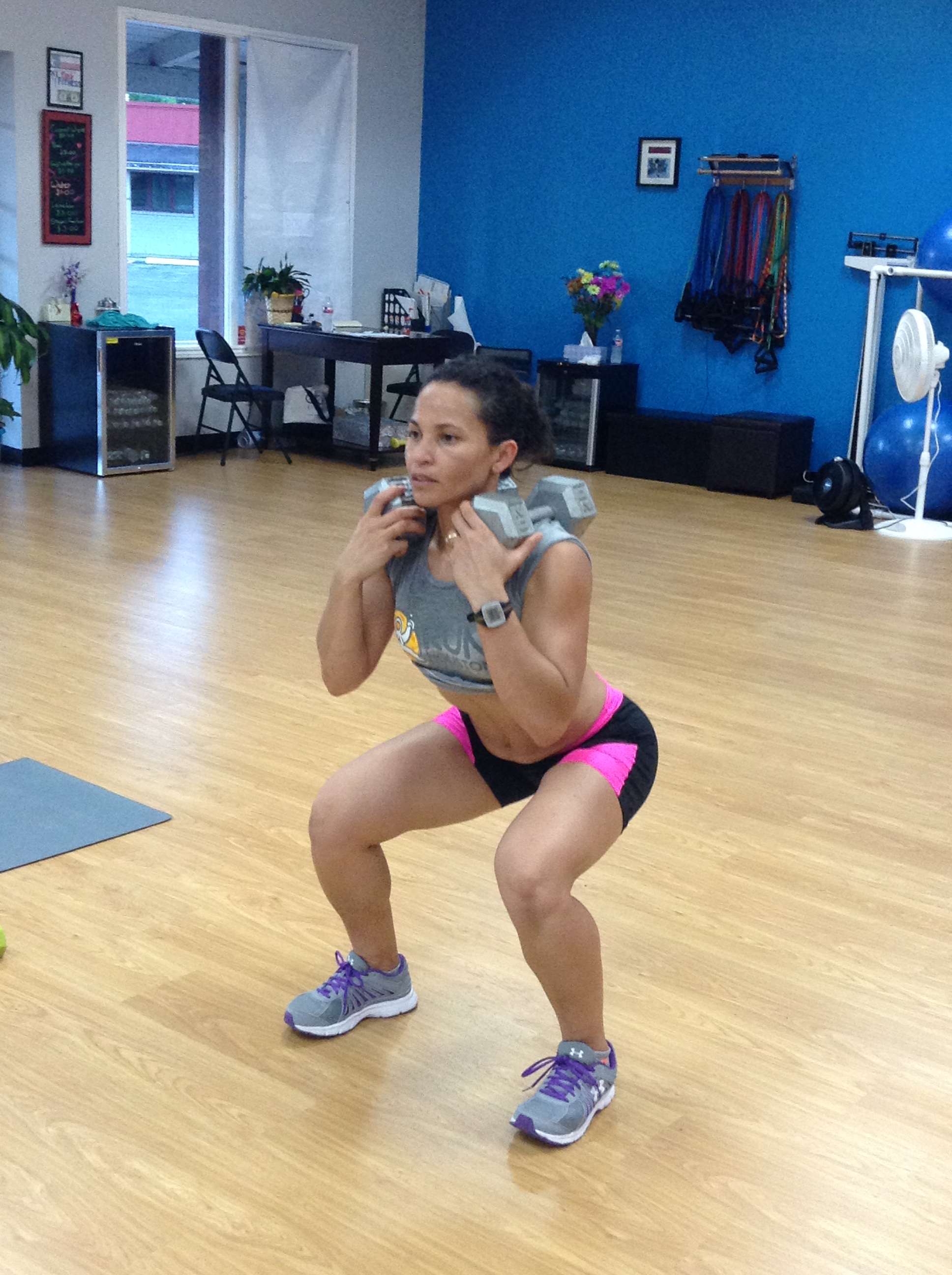
Repetition Guidelines
-
1–2 sets per exercise
-
10–15 slow, controlled reps
-
Rest 45–75 seconds between sets
-
No breath holding (exhale on effort)
Strength Training Exercises
Upper Body
-
Chest: Wall push-ups or chest press
-
Back: Seated row or resistance band row
-
Shoulders: Light shoulder raises
-
Biceps: Dumbbell curls
-
Triceps: Triceps extensions or kickbacks
Lower Body
-
Quadriceps: Chair squats or leg press
-
Hamstrings: Hamstring curls or hip hinge
-
Calves: Standing calf raises
Core (Gentle & Controlled)
-
Seated abdominal bracing
-
Standing torso rotations (light)
-
Pelvic tilts or modified planks (optional)
🧘 Warm-Up & Cool-Down (Every Workout)
Warm-Up (5–10 Minutes)
-
Slow walking or cycling
-
Arm circles
-
Shoulder rolls
-
Marching in place
Cool-Down (5–10 Minutes)
-
Gradual slowing of movement
-
Deep breathing
-
Light stretching
Flexibility & Mobility (Daily)
Focus on:
-
Hamstrings
-
Calves
-
Hips
-
Chest & shoulders
-
Lower back
Hold each stretch 15–30 seconds, breathing calmly.
📅 4-Week Program Commitment
This program is designed for 1 month (4 weeks).
👉 Each month, the program will be updated with:
-
Slightly longer durations
-
New exercises
-
Increased confidence and strength
-
Continued heart-safe progression
Results come from stacking small wins consistently.
⚠️ Safety First – Always
-
✔ Get medical clearance before starting
-
✔ Stop exercise if you feel dizziness, chest pain, or unusual shortness of breath
-
✔ Never hold your breath
-
✔ Wear supportive footwear
-
✔ Exercise in a cool, well-ventilated environment
💧 Hydration Matters
-
Drink water before, during, and after workouts
-
Aim for pale-yellow urine as a hydration guide
-
Increase fluids in heat or humid conditions
❤️ Final Reminder
Consistency beats intensity — every time.
Walking daily, moving gently, lifting light, breathing well, and staying hydrated creates long-term heart health and confidence in your body again.
Your heart doesn’t need punishment — it needs movement, patience, and care.
Ride Your Way to a Stronger Heart with Mountain Biking
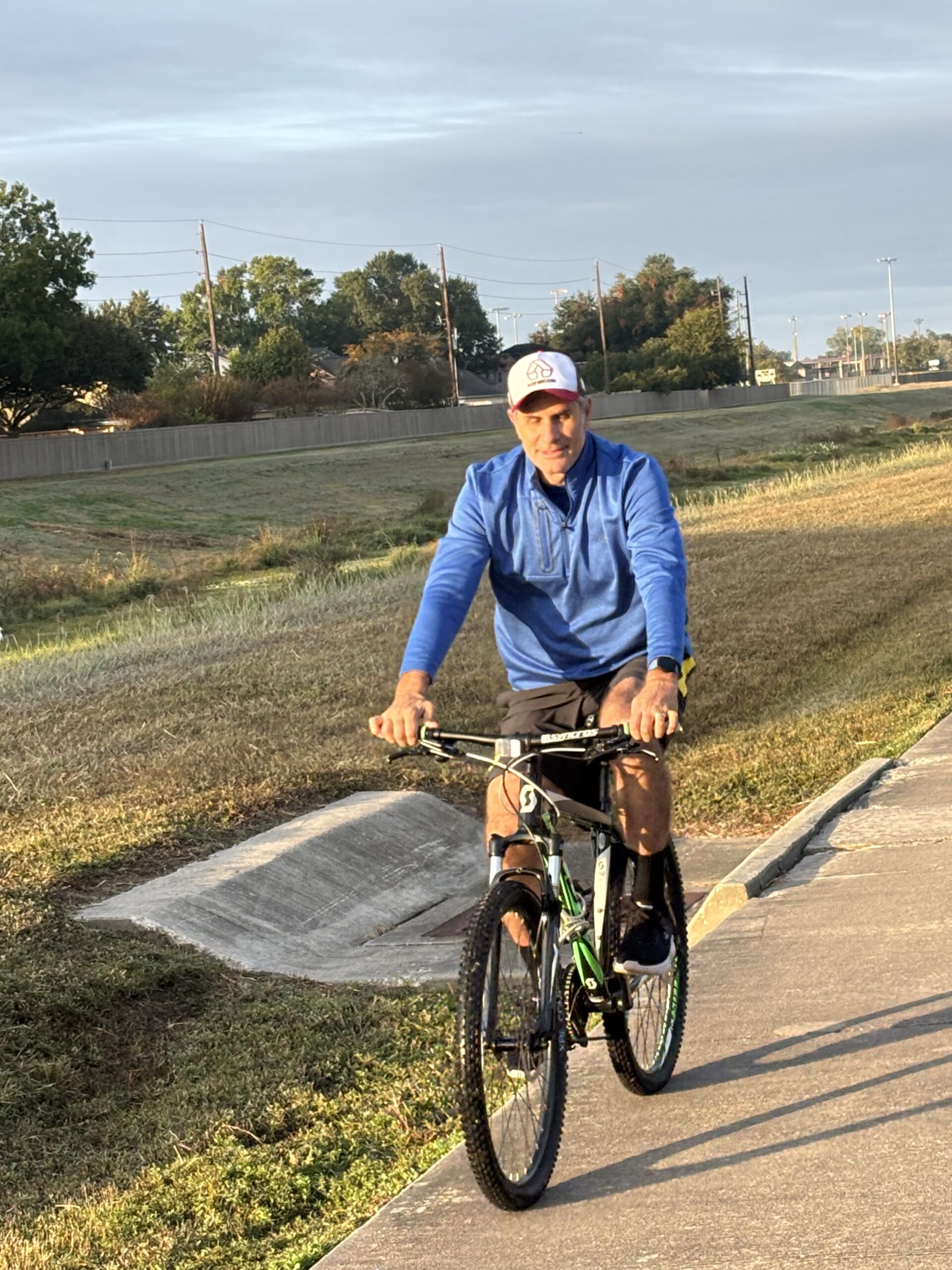
If you’re looking for a fun, low-impact way to strengthen your heart—especially after completing cardio rehab—mountain biking on park trails might just become your new favorite workout.
Whether you’re cruising through wooded paths or rolling over gentle hills, trail riding gives you all the benefits of steady-state cardio without the pounding impact of running or other high-stress exercises.
Why Mountain Biking Supports Cardiovascular Health
✔ Great for Steady-State Cardio
Riding at a comfortable, steady pace keeps you in your fat-burning and aerobic training zones. This is the sweet spot where your body burns the most calories safely, strengthens your heart, and boosts metabolic efficiency.
✔ Enhances Circulation and Blood Flow
The consistent pedal motion helps improve blood flow throughout the entire body, feeding your muscles and heart with the oxygen they need to thrive.
✔ Low-Impact, Joint-Friendly Exercise
Mountain biking puts far less stress on your joints than jogging or high-impact exercise. This makes it ideal not only for post-rehab cardio, but also for long-term heart-healthy living.
✔ Excellent Cross-Training
If you normally walk, jog, or lift weights, biking mixes things up and avoids the repetitive stress of doing the same movements day after day. Your body loves variety—and it rewards you with better conditioning.
The above benefits of mountain biking at a steady-state of cardiovascular endurance (around 60% – 80% of your maximum heart rate) are great, but walking at this same intensity level will burn more calories at 20% – 30% more. However, sometimes the advantages of doing something different in another environment outweighs calorie burning. Just something to consider . . .
Of course if you choose to workout on a mountain bike at the anaerobic level (above 85% of your maximum heart rate), you will burn many more calories than walking with high intensity interval training. However, this won’t be a good option for those going through post rehab cardio training.
Safety Tips for a Better Ride
Keeping your rides safe and productive is just as important as the workout itself. Here are a few essentials:
👉 Warm Up First
Spend 5–10 minutes moving your body, practicing gentle pedal strokes, and getting your heart rate up gradually.
👉 Stretch Before and After
Focus on your hips, quads, hamstrings, and lower back to keep your muscles loose and reduce the chance of strain.
👉 Track Your Heart Rate
A heart-rate-monitor watch is a great tool—especially if you’re watching your training zones after rehab. It helps ensure you’re riding at a safe, effective intensity.
👉 Stick to Established Trails
Avoid busy streets and traffic. Park trails are safer, smoother, and designed for recreational cycling. Plus, nature is a great stress reliever!
👉 Hydrate & Fuel Up
Bring water and a light snack. Even steady-state cardio burns energy faster than most people realize.
Ready to Take Your Fitness to the Next Level?
If you’re looking for personalized support—especially after a heart health wake-up call—my virtual fitness and nutrition coaching is designed to help you rebuild strength, burn fat safely, and stay motivated with expert guidance.
Visit www.cidafitness.com to get started today.
Let’s build a stronger, healthier you—one ride at a time.
The Power of Forest Walking
If you’ve ever stepped into a forest park and felt your stress dissolve almost instantly, you’ve already tasted one of the most underrated fitness and wellness secrets available—forest walking.
Today I was reminded of this on my visit to São Francisco de Assisi Park in Curitiba (we’re so lucky, it’s a new municipal park 4 blocks from my in-laws house), where the paths weave through dense, green canopies. The air feels thicker somehow—but not heavy. It’s alive. You breathe in and realize this is what your lungs were made for.
Here’s what’s fascinating:
Studies show that walking on varied terrain with inclines, soft soil, and natural resistance from grass and roots burns up to 20–30% more calories than walking on flat pavement. A 45-minute forest walk can easily burn an extra 70–100 calories, depending on pace and incline. And today, we even brought our 7-month-old grandson, Caleb, in the stroller for even an additional 20% – 30% more calories burned (he and Cida loved it too).
But the benefits go far beyond the calorie count.
When you walk through dense vegetation, your body is doing something profound. The trees release oxygen and natural compounds called phytoncides—they boost your immune system, reduce cortisol (stress hormone), and even lower blood pressure. It’s why after 20 minutes in a forest, your nervous system begins to switch from “fight or flight” to “rest and recover.”
In other words, your walk becomes therapy.
Walking in the city is still good—but it’s mostly physical. Walking in nature engages your body and your mind. It pulls your attention outward, calms racing thoughts, and resets your emotional state. Regular walkers in forested areas have shown better mood stability, improved sleep, and enhanced creativity compared to those who only walk in urban settings. And believe me, this is exactly what I needed in order to relax and recover from my recent heart attack incident that nearly took my life 7 weeks ago.
And here’s something fitness pros love: because your stride naturally adjusts to uneven ground, forest walking improves balance, ankle strength, and joint mobility—especially useful for preventing injuries during other workouts.
Safety & Recommendations:
-
Wear supportive footwear with grip; forest paths can get slippery after rain.
-
Walk with a partner or let someone know your route.
-
Stay hydrated—even cooler forest air can mask sweat loss.
-
Avoid headphones occasionally; tune into the sounds of nature to fully engage your senses.
-
Take short breaks to breathe deeply—three slow inhales through the nose, three full exhales through the mouth. Feel the difference.
Walking in a place like São Francisco de Assisi Park isn’t just about movement—it’s about renewal. Your body works, your mind clears, and your spirit relaxes. You’ll come out lighter, sharper, and somehow more connected to the world around you. Look for a great local park in your area and try this. In Sugar Land, my 2 favorite parks to forest walk are Oyster Creek Park and Culligan Park, both off of HWY 6.
So next time you plan a “workout,” don’t overlook the simple power of a forest walk. It’s fitness that feeds your soul.