
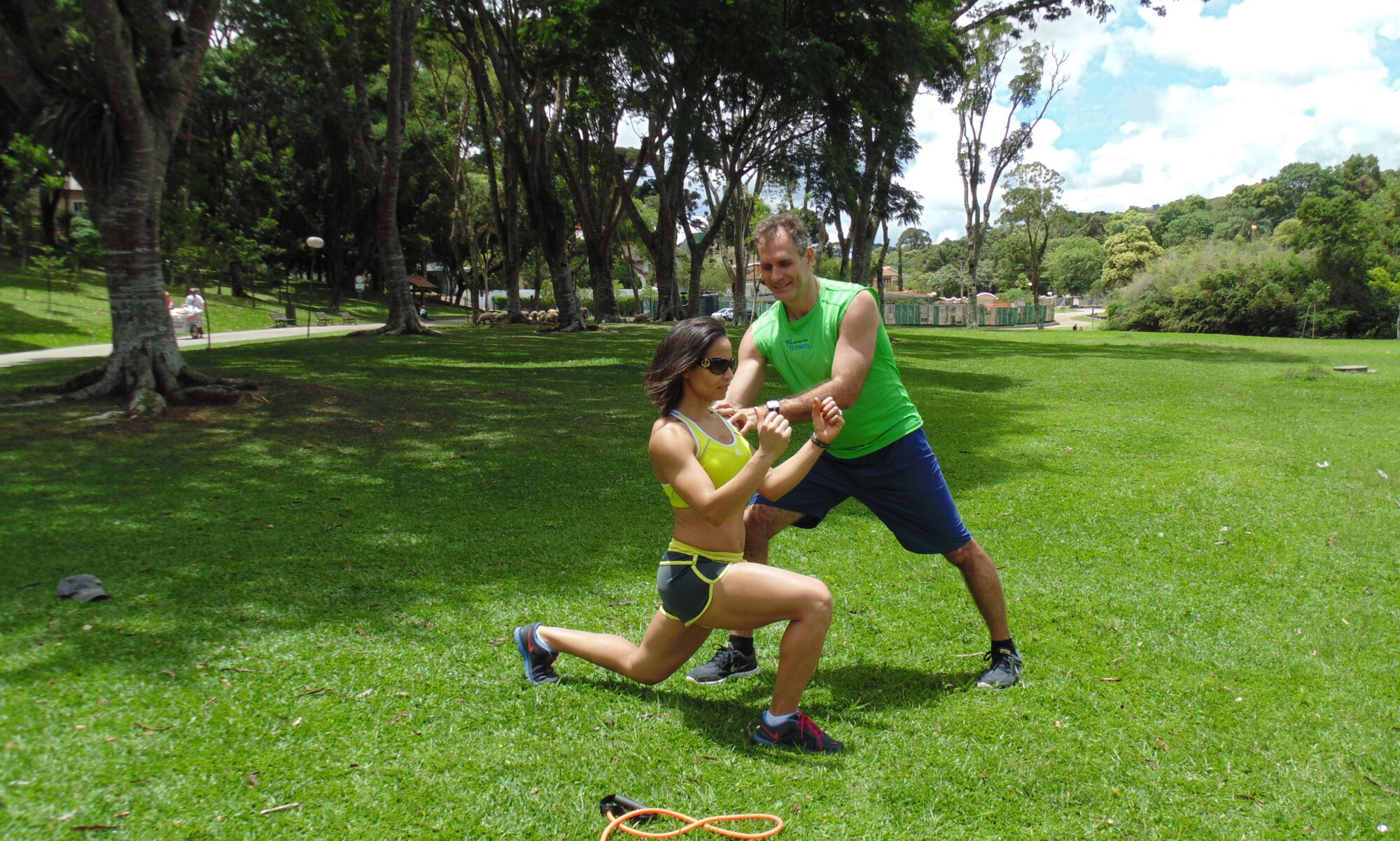
It’s hard to believe it’s been more than 40 years since taking this picture in 1985. I thank and praise God every single day!
Fitness isn't just about how you look. It's about how you live.
It’s hard to believe it’s been more than 40 years since taking this picture in 1985. I thank and praise God every single day!
Over the past year, Cida and I have spent a great deal of time reflecting on the future of Cida Fitness and how we can best serve others. As many of you know, I experienced a life-changing heart attack last year. That experience forever changed the way I think about health, fitness, and what truly matters.
While I have always believed in the power of exercise and good nutrition, surviving a heart attack gave me an entirely new perspective. Recovery has taught me that good health isn’t just about looking fit—it’s about protecting the heart, improving quality of life, and helping people live longer, healthier, and more meaningful lives.
It also means controlling your stress levels effectively (this was my big problem which I believe was the cause of my heart attack).
Because of that experience, we are excited to announce a new direction for Cida Fitness.
While we will always value the years we spent promoting community group fitness classes and personal training, our primary emphasis will now be on cardiovascular health.
Our mission is to educate, encourage, and inspire adults—especially those over 50—to:
This new focus is deeply personal to us because we are living this journey ourselves.
Beginning this month, we’ll continue sending our newsletter approximately once each month with practical, science-based information that you can immediately apply to your own life.
Topics will include:
Our goal is to present information that is practical, encouraging, and easy to understand—whether you’re trying to prevent heart disease or you’ve already begun your own recovery journey.
I’ve also been writing many new articles on these topics and regularly posting them on our website at www.cidafitness.com since I had my heart attack in August 2025.
There you’ll find practical information about cardiovascular health, exercise, nutrition, recipes, recovery, and motivation—all designed to help you take positive steps toward a healthier life.
I invite you to visit the website regularly as new content is added throughout the month.
I understand that this new direction may not be what everyone originally signed up for—and that’s perfectly okay. Some of you may still be involved in sports and high-intensity interval training. I still love these areas of fitness and advise my 2 sons, Marcos and Gabriel, how to train for competitive college soccer (the Fall Season starts in 2 weeks).
However, if cardiovascular health, heart disease prevention, and recovery aren’t topics that interest you, please don’t feel obligated to remain on our mailing list. You are always welcome to unsubscribe, and we’ll sincerely thank you for being part of our journey over the years. (I’ve had this e-newsletter for over 15 years)
However, if you’re interested in learning how to build a stronger, healthier heart—or if you know someone who could benefit from this information—I hope you’ll stay with us.
We believe that even small lifestyle changes can make an extraordinary difference over time.
Thank you for your friendship, encouragement, and support through the years. Cida and I are excited about this new chapter, and we look forward to sharing what we’re learning as we continue our own journey toward better cardiovascular health.
Our hope is simple:
To encourage, educate, and inspire people to live healthier, longer, and more vibrant lives—one heart at a time.
With gratitude, stay strong!
Louis
One of the greatest lessons I’ve learned during my journey of cardiac rehabilitation is that sometimes the simplest workouts are the most effective.
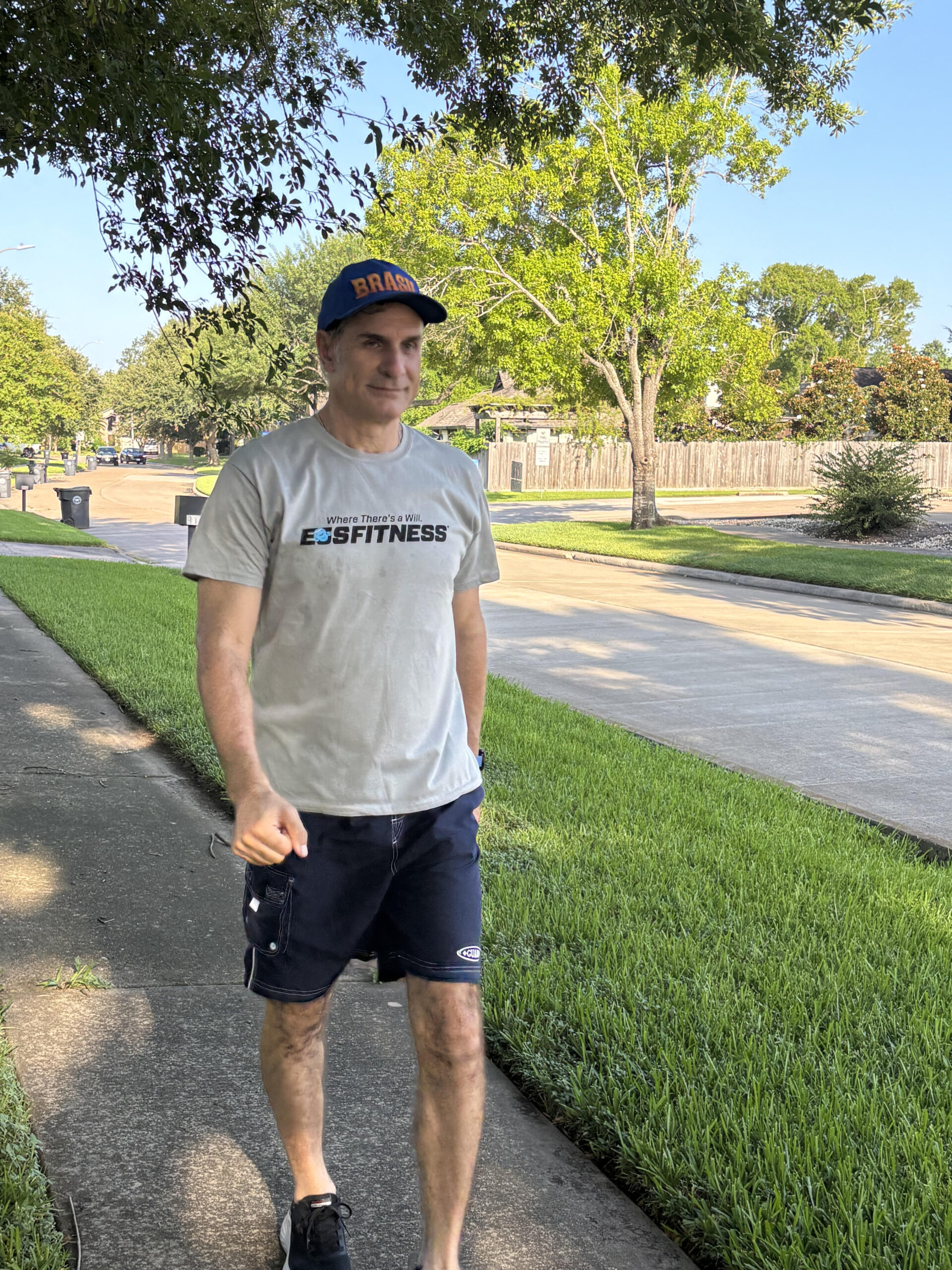
This morning at 8:00 a.m., I headed out into my neighborhood for a 45-minute brisk walk. The weather was pleasant, the sun was just beginning to warm the day, and it was the perfect time to get outside before the Texas heat became too intense.
My primary goal for today’s workout wasn’t speed or distance—it was heart rate control.
I intentionally maintained a pace that kept my heart rate below 110 beats per minute throughout the entire workout. This is an important part of my post-cardiac rehabilitation program, allowing my heart to become stronger while staying within a safe training zone recommended for recovery.
Many people believe that improving heart health requires intense exercise. In reality, consistent moderate-intensity exercise is one of the most powerful tools available for strengthening the cardiovascular system.
Today’s walk provided several important benefits:
Walking at a brisk, controlled pace helps improve circulation, strengthens the heart muscle, and increases the body’s ability to use oxygen more efficiently. Over time, regular walking can help lower blood pressure, improve cholesterol levels, and reduce the risk of future cardiac events.
Unlike running or other high-impact activities, brisk walking places much less stress on the knees, hips, ankles, and lower back. This makes it an excellent lifelong form of exercise, especially for adults over 50 or anyone recovering from illness or injury.
Keeping my heart rate below 110 beats per minute allows me to exercise confidently while avoiding unnecessary strain on my recovering heart. Every individual should follow the heart rate guidelines provided by their healthcare team, but controlled walking is often one of the safest forms of cardiovascular exercise.
One of the best fitness facilities in the world is right outside your front door.
No commute.
No waiting for equipment.
No membership fees.
Just put on a comfortable pair of walking shoes and start moving.
You don’t need expensive equipment or a costly gym membership to improve your health. Walking is available to nearly everyone and remains one of the most affordable and effective exercises ever discovered.
Walking early in the morning helps avoid the stronger afternoon sun, especially during the summer months. It also provides a peaceful opportunity to clear your mind, reduce stress, and begin the day with a sense of accomplishment.
If there’s one message I’d like to share with anyone recovering from a heart attack—or simply wanting to improve their health—it’s this:
Consistency beats intensity.
You don’t have to complete an exhausting workout every day.
You simply need to keep showing up.
Walking 30 to 45 minutes most days of the week can produce remarkable improvements in cardiovascular fitness, energy levels, blood sugar control, weight management, and overall quality of life. Those small daily efforts add up over weeks, months, and years.
Remember, your heart doesn’t become stronger because of one workout.
It becomes stronger because of hundreds of workouts performed consistently over time.
Whether you’re recovering from heart disease, trying to prevent one, or simply looking for a practical way to improve your health, don’t underestimate the power of a daily walk.
Find a comfortable pace.
Stay within your recommended heart rate zone.
Be consistent.
Your future self—and your heart—will thank you for every step you take.
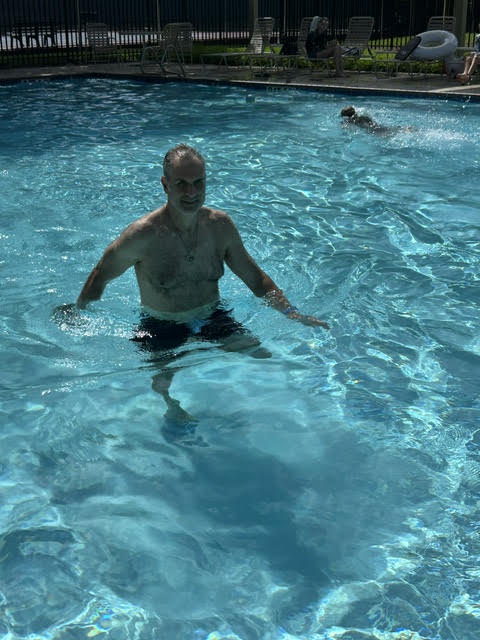
This morning at 9:00 a.m., I walked just one block from my house to our neighborhood swimming pool for one of the simplest—and most effective—cardio workouts I’ve done in a long time.
The Texas heat was just beginning to build, but thankfully this pool has plenty of shade, making it a comfortable place to exercise even during the summer months. Sometimes the best workout isn’t the most complicated one. It’s simply the one you’ll consistently do.
Today’s workout didn’t require any special equipment.
No water dumbbells.
No resistance gloves.
No flotation belt.
Just brisk water walking from one side of the pool to the other for 45 continuous minutes.
Because I recently experienced a heart attack, my cardiologist prescribed a safe aerobic workout with one important guideline:
Keep my heart rate below 110 beats per minute.
To be honest, I felt like I could have pushed much harder. My energy level was good, and I wanted to increase the pace. But recovery is about being smart, not proving how much you can do. Following your physician’s recommendations is one of the best investments you can make in your long-term heart health.
Water walking is often overlooked, but it offers some remarkable benefits:
The natural resistance of the water means your muscles are working during every step, while the buoyancy protects your joints from the impact that comes with walking or jogging on land.
One lesson I’ve learned during my recovery is that progress isn’t always measured by intensity.
Sometimes the greatest gains come from showing up consistently, staying within your prescribed limits, and allowing your heart to become stronger one workout at a time.
Today’s session wasn’t about setting records.
It was about investing in my health for the future.
You don’t need to have heart disease to benefit from water walking.
If you’re looking for a low-impact, joint-friendly form of exercise that still provides an effective cardiovascular workout, I encourage you to give it a try. Whether you’re recovering from a medical condition, managing arthritis, carrying extra weight, or simply looking for a refreshing alternative to walking on land, water walking can be an outstanding addition to your fitness routine.
Remember to start at a comfortable pace, stay hydrated, and always consult your physician before beginning any new exercise program if you have heart disease or other medical conditions.
Sometimes the simplest workouts are the ones that make the biggest difference.
Here’s to stronger hearts, healthier lives, and taking one step at a time—whether it’s on land or in the water.
If you’ve ever stepped into a forest park and felt your stress dissolve almost instantly, you’ve already tasted one of the most underrated fitness and wellness secrets available—forest walking.
Today I was reminded of this on my visit to São Francisco de Assisi Park in Curitiba (we’re so lucky, it’s a new municipal park 4 blocks from my in-laws house), where the paths weave through dense, green canopies. The air feels thicker somehow—but not heavy. It’s alive. You breathe in and realize this is what your lungs were made for.
Here’s what’s fascinating:
Studies show that walking on varied terrain with inclines, soft soil, and natural resistance from grass and roots burns up to 20–30% more calories than walking on flat pavement. A 45-minute forest walk can easily burn an extra 70–100 calories, depending on pace and incline. And today, we even brought our 7-month-old grandson, Caleb, in the stroller for even an additional 20% – 30% more calories burned (he and Cida loved it too).
But the benefits go far beyond the calorie count.
When you walk through dense vegetation, your body is doing something profound. The trees release oxygen and natural compounds called phytoncides—they boost your immune system, reduce cortisol (stress hormone), and even lower blood pressure. It’s why after 20 minutes in a forest, your nervous system begins to switch from “fight or flight” to “rest and recover.”
In other words, your walk becomes therapy.
Walking in the city is still good—but it’s mostly physical. Walking in nature engages your body and your mind. It pulls your attention outward, calms racing thoughts, and resets your emotional state. Regular walkers in forested areas have shown better mood stability, improved sleep, and enhanced creativity compared to those who only walk in urban settings. And believe me, this is exactly what I needed in order to relax and recover from my recent heart attack incident that nearly took my life 7 weeks ago.
And here’s something fitness pros love: because your stride naturally adjusts to uneven ground, forest walking improves balance, ankle strength, and joint mobility—especially useful for preventing injuries during other workouts.
Safety & Recommendations:
Wear supportive footwear with grip; forest paths can get slippery after rain.
Walk with a partner or let someone know your route.
Stay hydrated—even cooler forest air can mask sweat loss.
Avoid headphones occasionally; tune into the sounds of nature to fully engage your senses.
Take short breaks to breathe deeply—three slow inhales through the nose, three full exhales through the mouth. Feel the difference.
Walking in a place like São Francisco de Assisi Park isn’t just about movement—it’s about renewal. Your body works, your mind clears, and your spirit relaxes. You’ll come out lighter, sharper, and somehow more connected to the world around you. Look for a great local park in your area and try this. In Sugar Land, my 2 favorite parks to forest walk are Oyster Creek Park and Culligan Park, both off of HWY 6.
So next time you plan a “workout,” don’t overlook the simple power of a forest walk. It’s fitness that feeds your soul.