
Sometimes the most powerful health tools aren’t found in a supplement bottle or a fancy wellness store—they’re sitting quietly in your own backyard.
That’s exactly what I was reminded of recently.
At our home, my wife Cida has spent years—decades, really—loving and nurturing several large aloe plants in both our front and backyard garden. If you know Cida, you know she’s passionate about natural health, especially when it comes to taking care of your skin and hair. Aloe has always been one of her go-to remedies.
But last night, I saw its power in a whole new way.
While cleaning the oven, Cida accidentally burned her hand—badly. She didn’t realize the oven was still hot, and I’m sure the pain hit instantly. Without hesitation, she went straight outside, cut a large piece from one of her aloe plants, and applied the fresh gel directly onto the burn.
Almost immediately, she felt relief.
Now here’s the part that really surprised me…
The next morning, I fully expected her hand to be swollen, red, and extremely sore. But it wasn’t. Not even close. The burn was barely noticeable.
I just stood there thinking: Wow… this plant is incredible.
What Makes Aloe So Powerful?
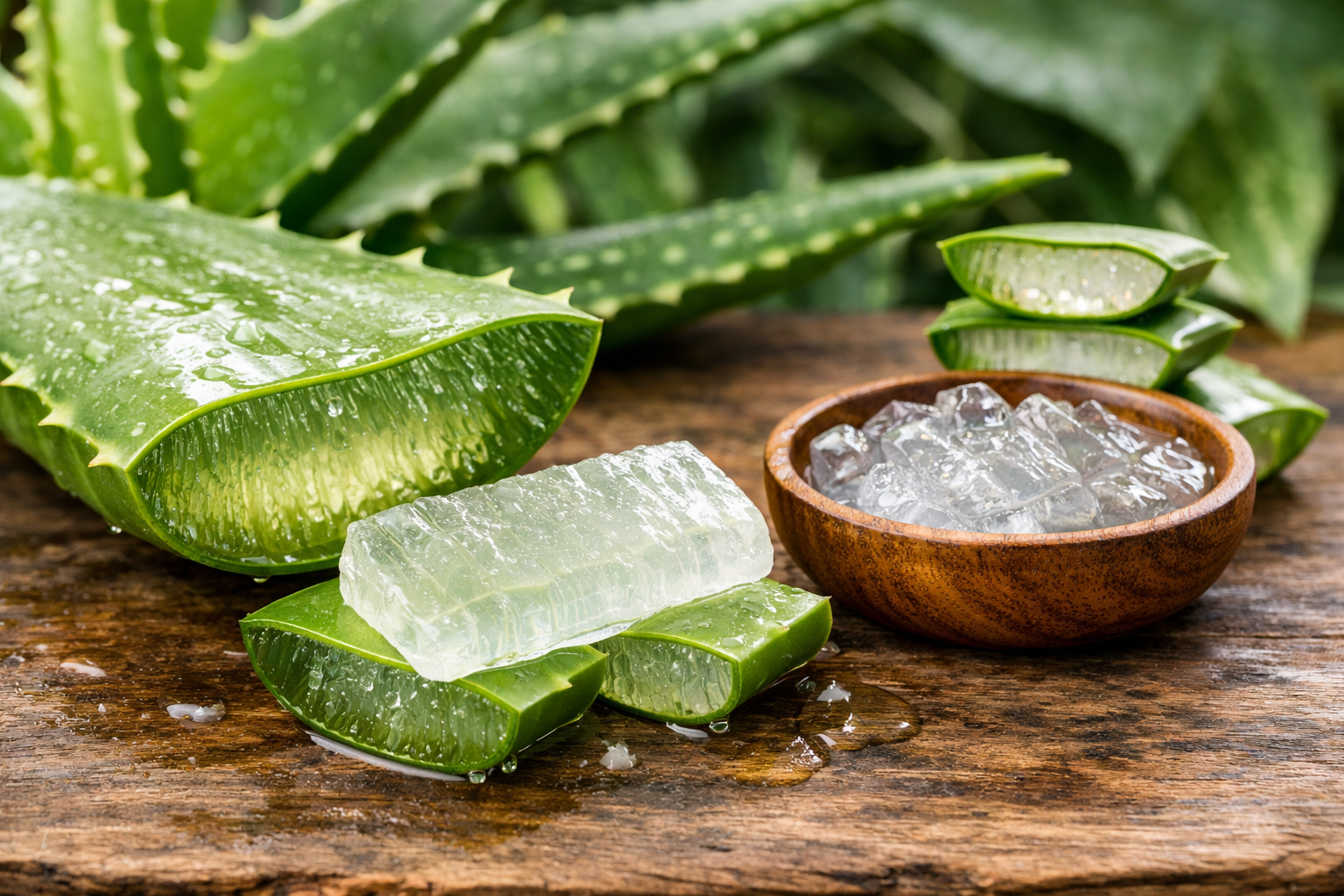
Aloe vera has been used for centuries across different cultures for its healing and soothing properties. The thick, clear gel inside its leaves is packed with beneficial compounds that support the body in several ways:
- Soothes burns and skin irritation – As we experienced firsthand, aloe helps calm inflammation and supports skin recovery.
- Deeply hydrates skin – It’s a natural moisturizer that doesn’t leave a greasy feel.
- Supports wound healing – Aloe can help speed up the repair process for minor cuts and abrasions.
- Promotes healthy hair and scalp – Cida swears by it for conditioning and maintaining a healthy scalp.
- Contains antioxidants and vitamins – Including vitamins A, C, and E, which help protect the skin.
- Cooling and anti-inflammatory effect – Perfect for sunburns, rashes, and irritation.
It’s simple, natural, and incredibly effective.
Growing Aloe at Home (It’s Easier Than You Think)
One of the best things about aloe is that you don’t need to be a master gardener to grow it. If Cida can grow multiple thriving plants for decades, trust me—you can too.
Here’s how to get started:
- Sunlight: Aloe loves bright, indirect sunlight. A sunny patio or windowsill works great.
- Watering: Keep it simple—water deeply, but only when the soil is completely dry. Overwatering is the most common mistake.
- Soil: Use well-draining soil (cactus or succulent mix works best).
- Containers or ground: Aloe grows well in pots or directly in the ground, especially in warm climates like we have here in Texas.
- Low maintenance: Once established, it practically takes care of itself.
Before you know it, you’ll have your own natural “first-aid plant” right at your fingertips.
A Simple Reminder
This experience reminded me that health and wellness don’t always have to be complicated. Sometimes, the best solutions are the ones that are natural, accessible, and time-tested.
Aloe is one of those gifts.
And now, I have an even greater appreciation for the care Cida has put into growing these plants over the years. What she’s been saying all along… she was right.
Ready to Take Your Health to the Next Level?
If you’re someone who values natural health, simple habits, and real results, I’d love to help guide you on your journey.
Through my virtual fitness and nutrition coaching, I work with individuals who want to:
- Improve their energy and strength
- Build sustainable nutrition habits
- Maintain a healthy weight
- Feel confident and perform at their best
You don’t need extreme diets or complicated routines—just the right plan and consistent action.
Visit www.cidafitness.com to learn more and get started today.
Let’s build a healthier, stronger you—one simple step at a time.