
One of the greatest lessons I’ve learned during my journey of cardiac rehabilitation is that sometimes the simplest workouts are the most effective.
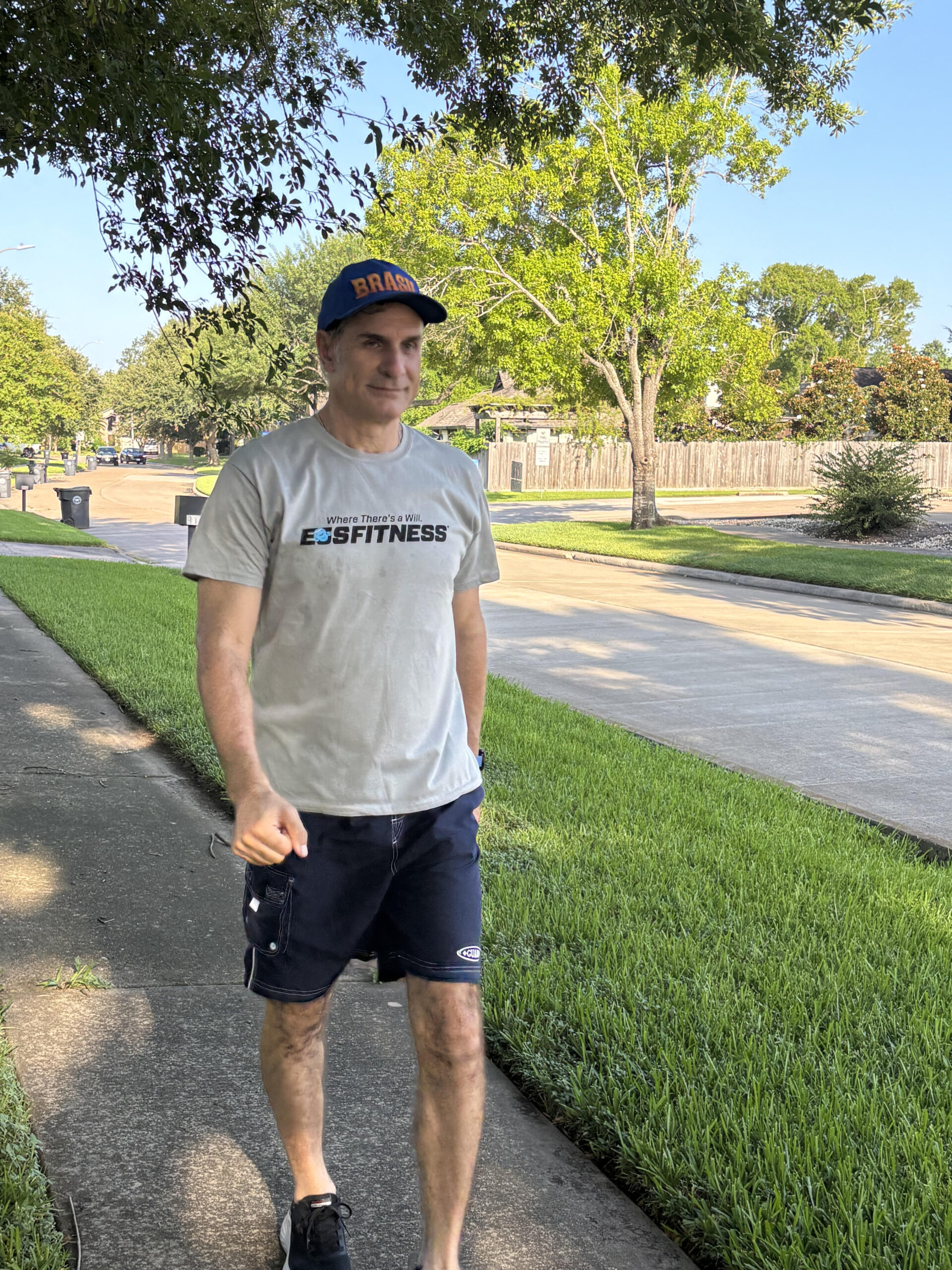
This morning at 8:00 a.m., I headed out into my neighborhood for a 45-minute brisk walk. The weather was pleasant, the sun was just beginning to warm the day, and it was the perfect time to get outside before the Texas heat became too intense.
My primary goal for today’s workout wasn’t speed or distance—it was heart rate control.
I intentionally maintained a pace that kept my heart rate below 110 beats per minute throughout the entire workout. This is an important part of my post-cardiac rehabilitation program, allowing my heart to become stronger while staying within a safe training zone recommended for recovery.
Why This Workout Matters
Many people believe that improving heart health requires intense exercise. In reality, consistent moderate-intensity exercise is one of the most powerful tools available for strengthening the cardiovascular system.
Today’s walk provided several important benefits:
Improves Cardiovascular Health
Walking at a brisk, controlled pace helps improve circulation, strengthens the heart muscle, and increases the body’s ability to use oxygen more efficiently. Over time, regular walking can help lower blood pressure, improve cholesterol levels, and reduce the risk of future cardiac events.
Gentle on the Joints
Unlike running or other high-impact activities, brisk walking places much less stress on the knees, hips, ankles, and lower back. This makes it an excellent lifelong form of exercise, especially for adults over 50 or anyone recovering from illness or injury.
Safe for Cardiac Rehabilitation
Keeping my heart rate below 110 beats per minute allows me to exercise confidently while avoiding unnecessary strain on my recovering heart. Every individual should follow the heart rate guidelines provided by their healthcare team, but controlled walking is often one of the safest forms of cardiovascular exercise.
Convenient
One of the best fitness facilities in the world is right outside your front door.
No commute.
No waiting for equipment.
No membership fees.
Just put on a comfortable pair of walking shoes and start moving.
It’s Completely Free
You don’t need expensive equipment or a costly gym membership to improve your health. Walking is available to nearly everyone and remains one of the most affordable and effective exercises ever discovered.
Great Way to Start the Day
Walking early in the morning helps avoid the stronger afternoon sun, especially during the summer months. It also provides a peaceful opportunity to clear your mind, reduce stress, and begin the day with a sense of accomplishment.
The Secret Ingredient: Consistency
If there’s one message I’d like to share with anyone recovering from a heart attack—or simply wanting to improve their health—it’s this:
Consistency beats intensity.
You don’t have to complete an exhausting workout every day.
You simply need to keep showing up.
Walking 30 to 45 minutes most days of the week can produce remarkable improvements in cardiovascular fitness, energy levels, blood sugar control, weight management, and overall quality of life. Those small daily efforts add up over weeks, months, and years.
Remember, your heart doesn’t become stronger because of one workout.
It becomes stronger because of hundreds of workouts performed consistently over time.
My Encouragement to You
Whether you’re recovering from heart disease, trying to prevent one, or simply looking for a practical way to improve your health, don’t underestimate the power of a daily walk.
Find a comfortable pace.
Stay within your recommended heart rate zone.
Be consistent.
Your future self—and your heart—will thank you for every step you take.