Post-Rehab Cardio & Strength Program (4 Weeks)

Louis Moore

For Individuals 6 Months–3 Years Post Heart Attack

This program is designed for individuals who have:

  • Experienced a heart attack 6 months to 3 years ago

  • Successfully completed cardiac rehab / physical therapy

  • Received doctor’s approval to begin a structured fitness program

Our focus is heart-safe, progressive fitness that builds stamina, strength, confidence, and long-term consistency — without pushing into anaerobic or high-risk zones.

Reminder: This is not a race. Healing hearts thrive on patience, rhythm, and consistency ❤️


Program Philosophy

  • ✅ Train primarily in the Fat-Burning Zone and Aerobic Zone

  • ❌ Avoid anaerobic, max-effort, or breath-holding exercises

  • ✅ Emphasize daily movement, light resistance, and recovery

  • ✅ Encourage two workouts per day for metabolic health and heart resilience

  • ✅ Progress gradually month-to-month


Weekly Structure Overview

Cardio: 6 days per week
Strength Training: 3 days per week (full body)
Flexibility & Mobility: Daily
Rest Day: 1 full rest or active recovery day per week


🌅 Daily Morning Workout (6 Days/Week)

60-Minute Walk – Morning Sunlight Session

Why mornings matter:
Morning sunlight (especially blue light rays) supports:

  • Circadian rhythm regulation

  • Hormonal balance

  • Better sleep quality

  • Improved cardiovascular and metabolic health

Workout Details:

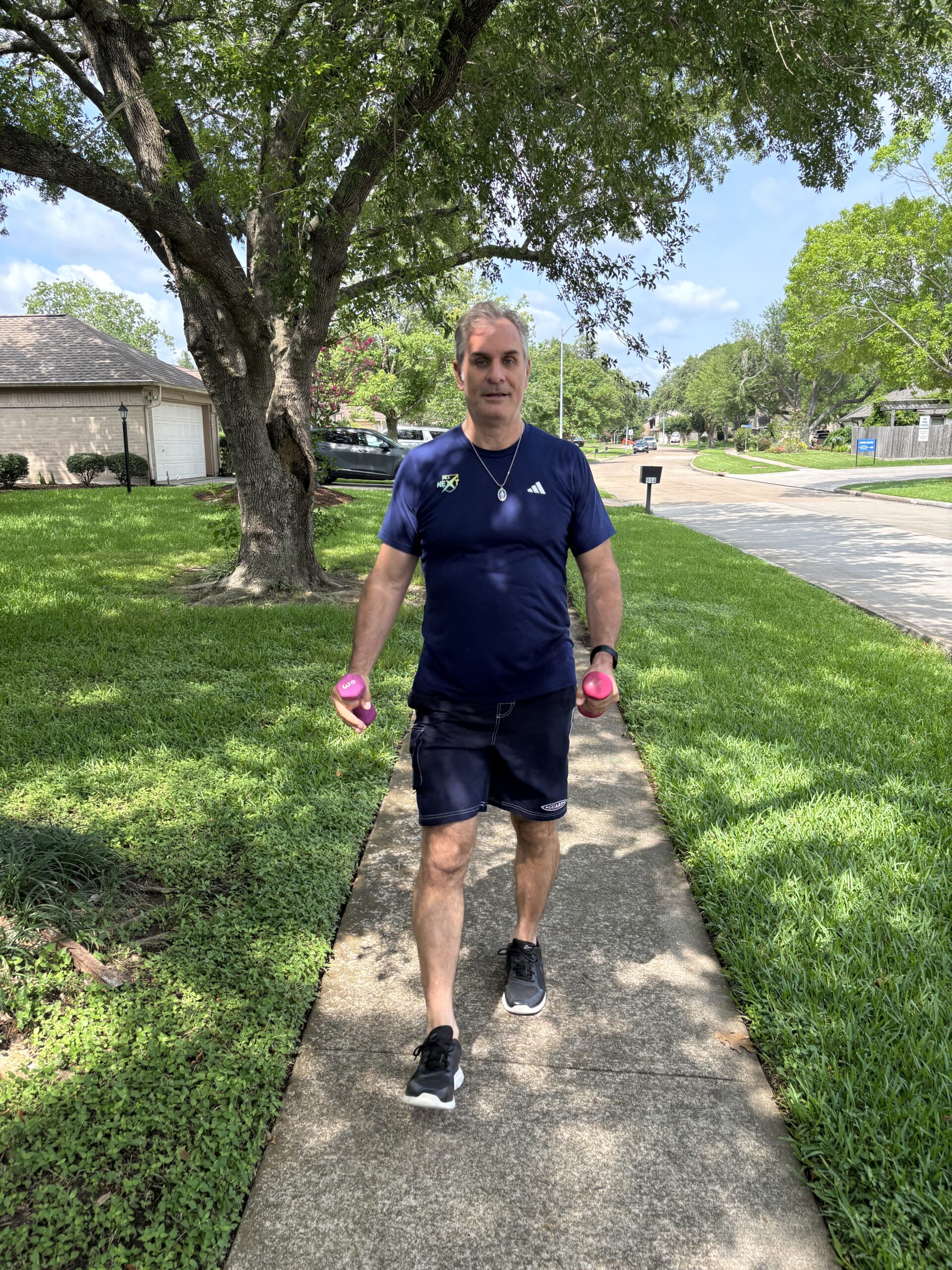
  • Duration: 60 minutes

  • Intensity: Comfortable, conversational pace

  • Heart Rate Zone: Fat-Burning to Low Aerobic Zone

  • Location: Outdoors whenever possible

💡 You should be able to walk and speak in full sentences without gasping.


🌤 Second Daily Workout (Later in the Day)

Rotate cardio and strength training depending on the day.


Cardio Training Plan (6 Days/Week)

30–60 minutes per session (including warm-up & cool-down)

Approved Cardio Activities

Choose 1 activity per session:

  • Walking (outdoor or treadmill)

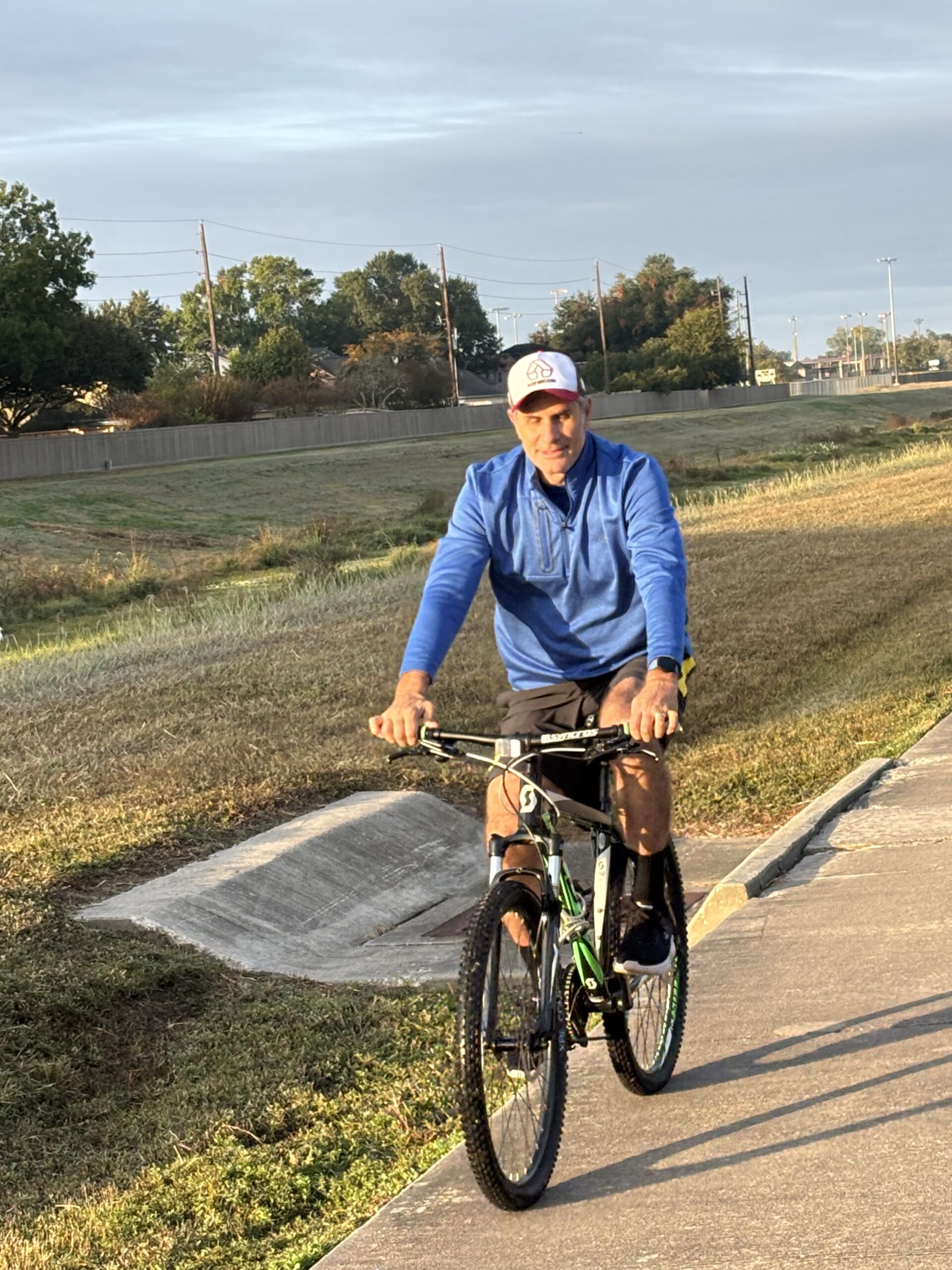
  • Stationary or outdoor cycling

  • Swimming

  • Water fitness / aqua aerobics

Intensity Guidelines

  • Stay in Fat-Burning or Aerobic Zones

  • Breathing should remain controlled

  • No sprinting or high-intensity intervals


Weekly Cardio Schedule Example

Day Cardio Focus
Mon Walking
Tue Cycling
Wed Swimming or Water Fitness
Thu Walking
Fri Cycling
Sat Choice Cardio
Sun Rest or gentle walk/stretch

💪 Strength Training (3 Days/Week – Full Body)

Example Days: Monday, Wednesday, Friday
Duration: ~30 minutes
Resistance: Light dumbbells, bands, or machines

Repetition Guidelines

  • 1–2 sets per exercise

  • 10–15 slow, controlled reps

  • Rest 45–75 seconds between sets

  • No breath holding (exhale on effort)


Strength Training Exercises

Upper Body

  • Chest: Wall push-ups or chest press

  • Back: Seated row or resistance band row

  • Shoulders: Light shoulder raises

  • Biceps: Dumbbell curls

  • Triceps: Triceps extensions or kickbacks

Lower Body

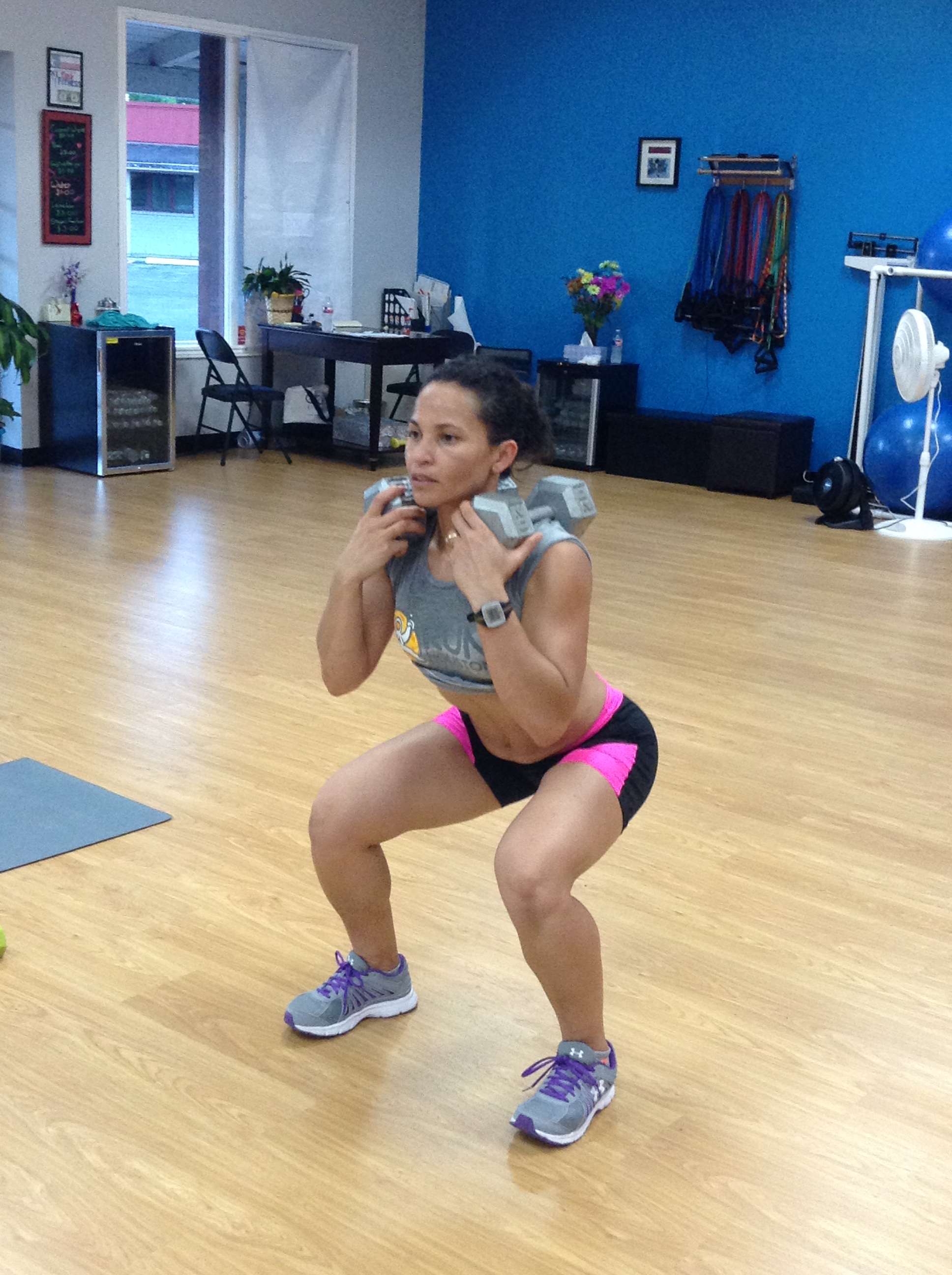
  • Quadriceps: Chair squats or leg press

  • Hamstrings: Hamstring curls or hip hinge

  • Calves: Standing calf raises

Core (Gentle & Controlled)

  • Seated abdominal bracing

  • Standing torso rotations (light)

  • Pelvic tilts or modified planks (optional)


🧘 Warm-Up & Cool-Down (Every Workout)

Warm-Up (5–10 Minutes)

  • Slow walking or cycling

  • Arm circles

  • Shoulder rolls

  • Marching in place

Cool-Down (5–10 Minutes)

  • Gradual slowing of movement

  • Deep breathing

  • Light stretching


Flexibility & Mobility (Daily)

Focus on:

  • Hamstrings

  • Calves

  • Hips

  • Chest & shoulders

  • Lower back

Hold each stretch 15–30 seconds, breathing calmly.


📅 4-Week Program Commitment

This program is designed for 1 month (4 weeks).

👉 Each month, the program will be updated with:

  • Slightly longer durations

  • New exercises

  • Increased confidence and strength

  • Continued heart-safe progression

Results come from stacking small wins consistently.


⚠️ Safety First – Always

  • ✔ Get medical clearance before starting

  • ✔ Stop exercise if you feel dizziness, chest pain, or unusual shortness of breath

  • ✔ Never hold your breath

  • ✔ Wear supportive footwear

  • ✔ Exercise in a cool, well-ventilated environment


💧 Hydration Matters

  • Drink water before, during, and after workouts

  • Aim for pale-yellow urine as a hydration guide

  • Increase fluids in heat or humid conditions


❤️ Final Reminder

Consistency beats intensity — every time.

Walking daily, moving gently, lifting light, breathing well, and staying hydrated creates long-term heart health and confidence in your body again.

Your heart doesn’t need punishment — it needs movement, patience, and care.

Nothing Beats Liver

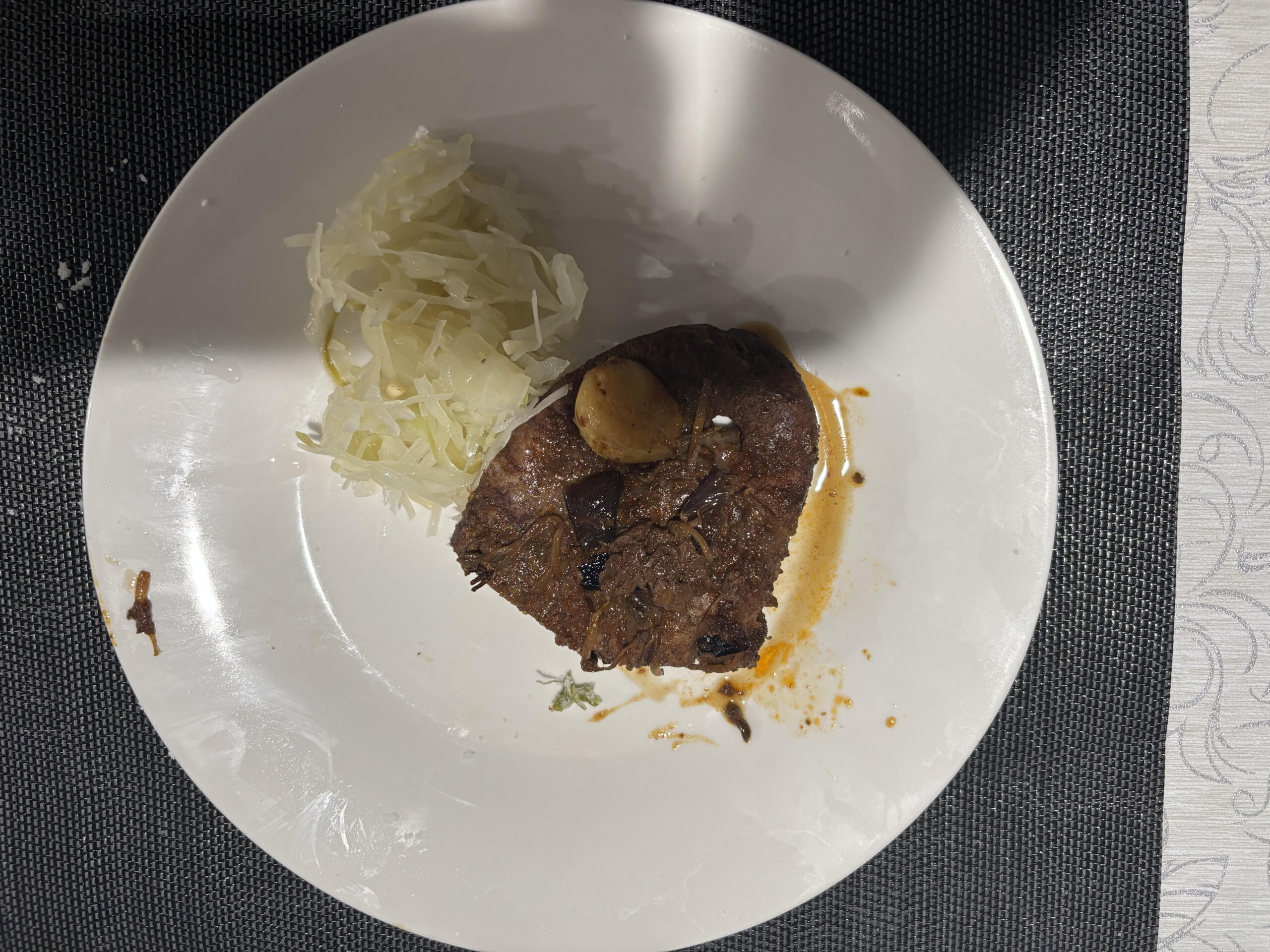
The other day I sent my son, Marcos, a text with a picture of beef liver and sauerkraut that I had just finished preparing as a meal. He said, “what in the world in that? It does not look too appealing.”

I told him that beef liver as well as sauerkraut are some of the most nutritionally dense foods you can eat, especially for someone recovering from a heart attack or a college soccer athlete.

You see, beef liver is like a powerhouse multivitamin that delivers more nutrients than the majority of other foods, but in a very absorbable whole food form. Here’s the breakdown:

  1. Vitamin B Support (B6, B12, Folate) – supports red blood cell production; helps oxygen delivery throughout the body; good for nerve health; and aids in energy levels. (this is especially important after a heart attack when oxygen efficiency and cellular energy are compromised).
  2. Vitamin A – supports immune function and tissue repair; helps regulate inflammation (this is
    very important); and assists with healthy blood vessel lining. (this is important for healing
    arterial tissue after damage, which is the main strategy to heal your body after a cardio event).
  3. CoQ10 – essential for heart muscle energy production; supports mitochondrial production. (the heart is one of the most energy-demanding organs in the body, and CoQ10 is often significantly reduced or totally depleted after a heart attack, and especially with statin use. Most doctors won’t tell you this little detail, so it’s important to consume beef liver on a regular basis (one or twice every 2 weeks) and to aggressively supplement with CoQ10 (around 200 – 300 mg per day). Otherwise, you will feel very tired every day.
  4. Iron – improves oxygen transport; enhances stamina and recovery; and prevents anemia-related fatigue (remember, better oxygen delivery = less strain on the heart during healing). Doing breathing exercises significantly helps in this area too.
  5. Copper & Zinc Balance – Copper supports blood vessel elasticity and collagen formation; Zinc helps with immune function, wound healing, and testosterone production. (these 2 mightly minerals help maintain strong, flexible arteries).
  6. Choline – supports liver detoxification (this is important since statin use causes inflammation to the liver); helps manage homocysteine levels (a cardiovascular and inflammation risk marker); and it’s important for heart and brain recovery. (this is critically important since statin use has been known to cause brain fog and other cognitive issue and inflammation to the liver). And again, most doctors won’t mention this to you either.
  7. Protein & Amino Acids – provides glycine and methionine; supports muscle repair and connective tissue health. (this is very important to rebuild tissues and supports metabolic stability). Athletes will find beef liver appealing because it will have a different amino acid profile compared to red meat, chicken, and fish. It’s good for variety of amino acids.

In summary, consuming beef liver on a regular basis (once per week) after a cardio event
or for athletic training, it will help you with enhancing cellular energy, oxygen delivery and efficiency, tissue and arterial repair, mental clarity and better mood, and helps calm chronic inflammation.

And here’s one of the best benefits of beef liver . . . it is way cheaper to purchase than steak, chicken, lamb, or fish. This is a good thing since the prices of groceries have become outrageous in the past few years.

Additionally, preparing beef liver is important too; many people complain it is hard to eat because of the bad taste. I simply add lots of spices, such as pepper, salt, and paprika. You can even mix a little ground beef to harmonize the flavor. A good side dish is any type of fibrous carb, like spinach or broccoli. Sauerkraut is also an excellent side dish since it is a fermented food and is very beneficial to your gut health.

Remember, eating beef liver on a regular basis isn’t about being extreme — it’s about giving your body the nutrients it needs to heal well. When done intentionally, and rotating with other superfoods like sardines and salmon, it can be a powerful strategy in heart recovery, long-term wellness, and athletic performance.

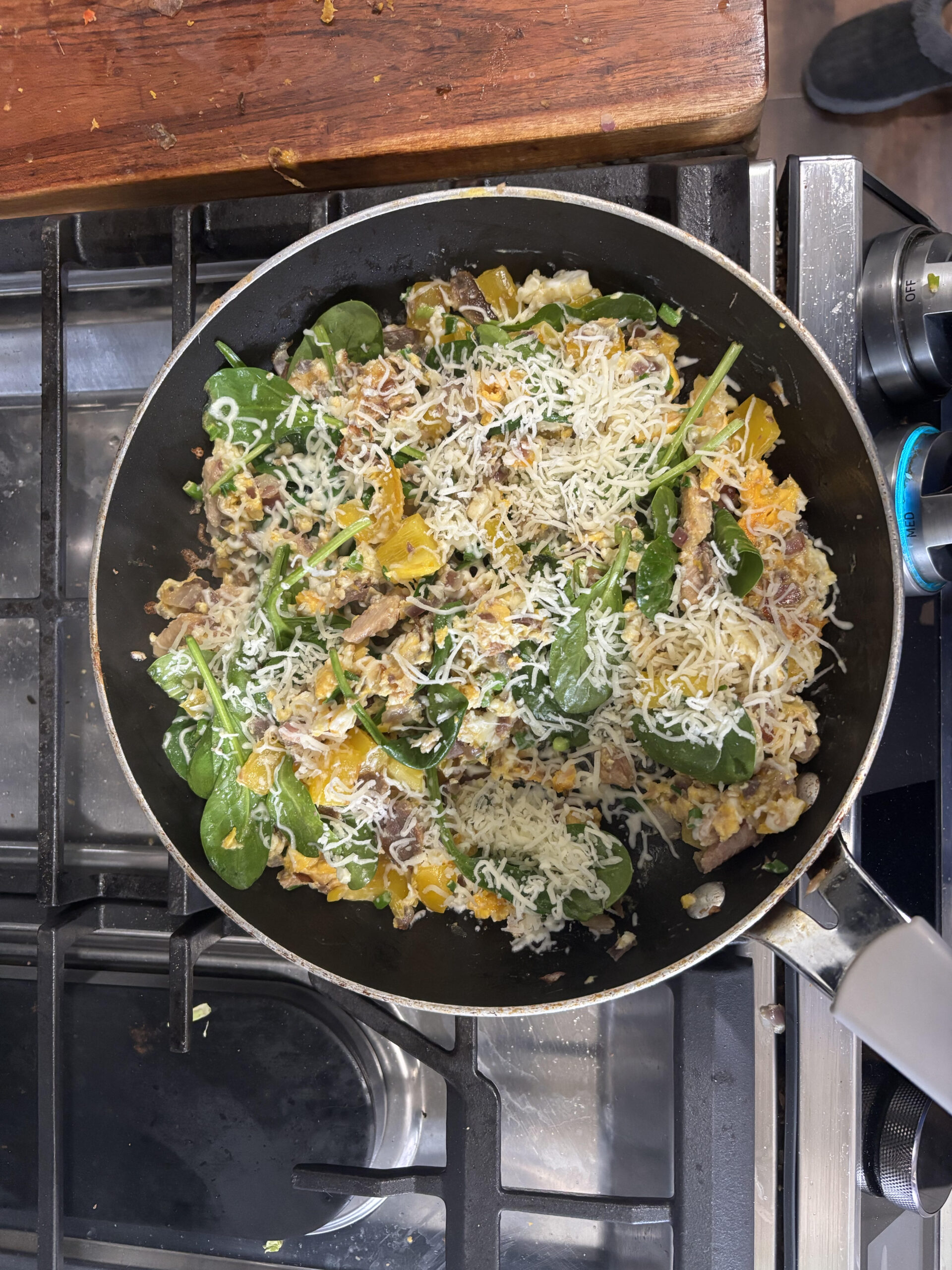
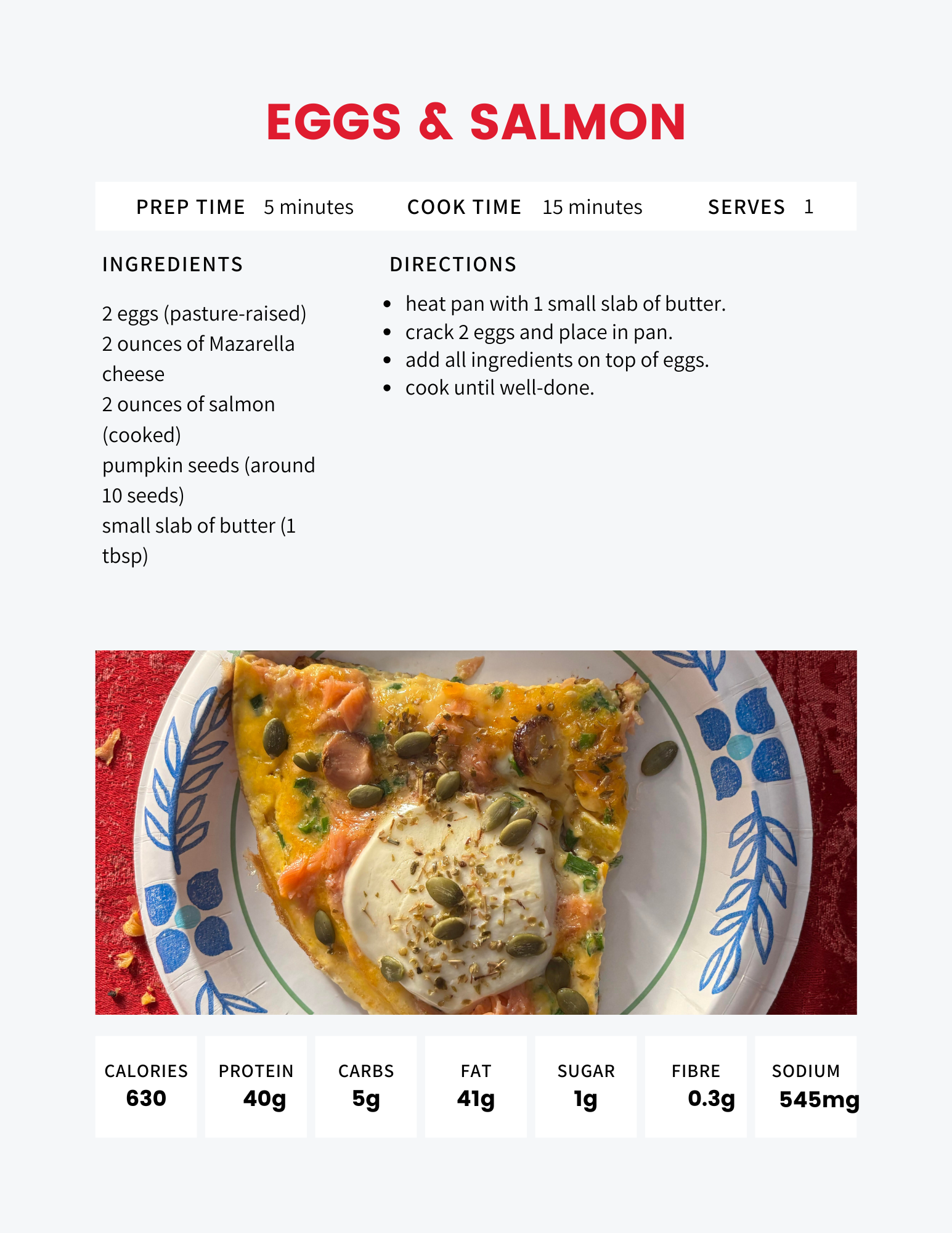
Recipe: Eggs and Salmon

An easy and quick recipe you can make in minutes that is high protein-low carb and is very heart-supportive with good fats (omega-3’s, CLA, phospholipids).  It is also blood-sugar friendly meal and excellent satiety meal.

THE Powerful Lemon Drink

A powerful beverage I’ve been drinking every day for the last 2 weeks to improve my cardiovascular health is THE Lemon Drink.  For being such a simplistic beverage with only 2 ingredients (warm water and fresh-squeezed lemon juice), it delivers a powerful punch of benefits beyond cardiovascular health.


The lemon is loaded with phytonutrients, such as flavonoids and antioxidants, and is mostly known for liver detox and support.  Sure, these are good benefits like supporting your body’s natural detox pathways, improving insulin sensitivity, and reducing fat buildup in your liver cells.  But, the benefits go beyond this.

The lemon’s natural acids help to stimulate bile production (bile is a fluid made by the liver that helps break down fats and carry waste out of the body), which assists in breaking down fats more efficiently and improves digestion.

Additionally, it helps improve gut health.  This is huge since your gut is where health begins and is mostly responsible for your overall immune functioning.  It helps to support a diverse gut microbiome, lowers inflammation, and enhances mood disposition.   This is most likely why I had a general good feeling every day from just 1 week of consuming this drink.

And finally, there are cardiovascular health benefits, which is why I originally started drinking The Powerful Lemon Drink.  These include:  helps to regulate blood sugar levels; supports healthy blood flow and circulation, maintains healthy cholesterol balance, and reduces oxidative stress and inflammation. 

Below are a few tips to drinking The Powerful Lemon Drink:

  1. Make sure you squeeze enough lemon juice into your 8 – 12 ounces of warm water.  Otherwise, it’s just lemon-flavored water.  Aim for at least half a lemon per serving.
  2. Let it steep for at least 5 – 10 minutes in order for it to fully absorb the Vitamin C and other nutrients.
  3. Drink first thing in the morning on an empty stomach and do not mix with food; it does not mix well with stomach acid.
  4. Don’t add any sugar or artificial sweeteners; the only exception is stevia.
  5. Drink it every single day; once in a while won’t have very much of an effect. 


Getting Through Setbacks

It was exactly 3 months since I had my heart attack, and things were going well .. . . till I had my first setback.

I was exercising every day, walking, lifting weights, swimming, going to work, and all of my normal activities.  Then, all of a sudden, one night I was watching a Boston Celtics vs. NY Knicks game lying down on my sofa, and then I became extremely dizzy and felt like passing out.  It was a scary feeling because it was unexpected, and I didn’t know how serious this incident was going to be.

My wife, Cida, immediately called the paramedics, and they arrived at my house within 2 minutes (Sugar Land has great municipal services).  Fortunately, everything checked out fine with me.  The paramedics checked my blood pressure, blood sugar levels, and even did an EKG.  I was relieved, but Iwas wondering what prompted this episode.

Since it was late in the evening, I could not contact my cardiologist to discuss further.  I had to wait till the next morning.  This was an uncomfortable situation because I really didn’t know what was wrong with me.  Scary thoughts went through my mind for the first time, such as, “what if I don’t wake up?”

I knew this was the evil one trying to instill fear in my mind, leading to despair.  If I didn’t have self-awareness of this, I may have been drawn towards despair.  Thankfully, I did not.

A few things to think about afterwards:

First, I had to remind myself that a setback is a reminder that healing is a journey and not an immediate thing.  Seeking a cure is short-term and something that is physical, such as an Achilles Rupture Tear.  This type of physical injury will eventually get better.  The cardiac arrest with my heart, both in a physical sense, but more importantly, in a spiritual way, is a matter of healing.  This can take much longer and is dependent upon the Graces of God.  The theological virtues of Faith, Hope, and Charity are absolutely essential for healing.

It also helps if you surround yourself with positive people who follow the Faith.  Pray the rosary and ask for their prayers too.