
When it comes to heart health, most people are familiar with resting heart rate and blood pressure.
Another powerful—but often overlooked—metric is Heart Rate Variability (HRV). For individuals living with heart conditions, HRV can be a valuable daily insight into how the body is responding to stress, recovery, exercise, and overall lifestyle habits. Let’s break it down in a simple, encouraging way.
What Is HRV?
Heart Rate Variability (HRV) measures the variation in time between each heartbeat. Even though your heart may feel like it’s beating steadily, the tiny differences between beats tell an important story about your nervous system.
- Higher HRV generally reflects better recovery, adaptability, and nervous system balance
- Lower HRV may indicate stress, fatigue, illness, poor sleep, or overexertion
HRV reflects how well your autonomic nervous system—the system that controls heart rate, breathing, and recovery—is functioning.
Why HRV Is Especially Important for Individuals With Heart Conditions
For people with heart disease, a history of cardiac events, arrhythmias, or those in cardiac rehab, HRV can be a non-invasive way to monitor daily readiness and recovery.
Benefits include:
- Early awareness of stress or fatigue before symptoms appear
- Guidance for exercise intensity, helping avoid overtraining
- Insight into sleep quality and recovery
- Support for long-term heart health habits
HRV is not a diagnostic tool, but when tracked over time, it can help you and your healthcare or fitness professional make more informed decisions.
How to Measure Your HRV
You don’t need medical-grade equipment to begin tracking HRV. Many consumer devices and apps can do this accurately enough for daily awareness.
Common ways to measure HRV:
- Wearable devices (wrist or ring-based)
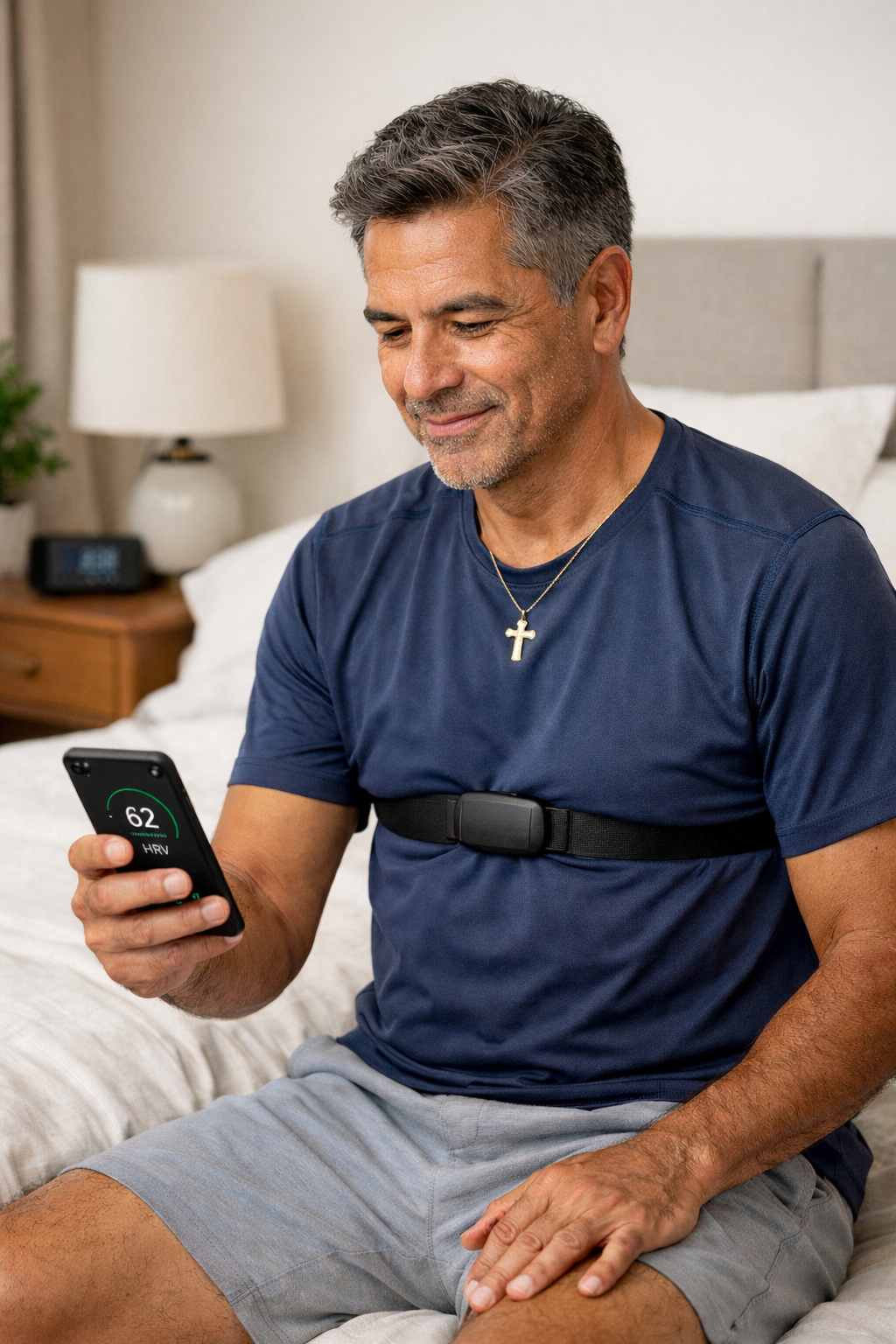
- Chest heart-rate straps
- Smartphone apps using a short morning reading
For best results:
- Measure once daily, ideally in the morning
- Stay consistent with time and position
- Focus on trends, not single-day numbers
How to Log and Track HRV Daily
Logging your HRV is simple and helps you see patterns over time.
You can:
- Use an app dashboard (automatic logging)
- Track in Apple Health or Google Fit
- Keep a simple journal noting HRV, sleep, exercise, and stress levels
Pairing HRV data with lifestyle notes helps you understand why your HRV changes.
Useful HRV Apps (Including Free Options)
Here are some popular and reliable apps for HRV tracking:
Free or Partially Free Apps
- Elite HRV – Free
- Excellent for beginners
- Uses chest straps or phone camera
- Clear charts and educational insights
- Apple Health – Free with Apple Watch
- Automatically tracks HRV
- Easy integration with fitness and health data
- Fitbit App – Included with device
- Nighttime HRV trends
- Simple and user-friendly
Paid Apps & Devices
- HRV4Training – Low-cost, one-time fee
- Popular with athletes and cardiac-conscious users
- Morning readiness assessments
- WHOOP – Subscription-based
- Continuous HRV tracking
- Strong recovery and strain insights
- Oura Ring – Subscription-based
- Comfortable, sleep-focused
- Excellent HRV trend data
A Positive Reminder
HRV is one piece of the wellness puzzle, not a scorecard. Fluctuations are normal. What matters most is
building healthy habits—regular movement, stress management, quality sleep, and proper recovery.
If you have a heart condition, always:
- Discuss new fitness or monitoring tools with your healthcare provider
- Use HRV as a guide, not a source of anxiety
At CIDA Fitness, we believe knowledge empowers healthier choices. HRV can help you listen to your body with confidence, compassion, and consistency.