

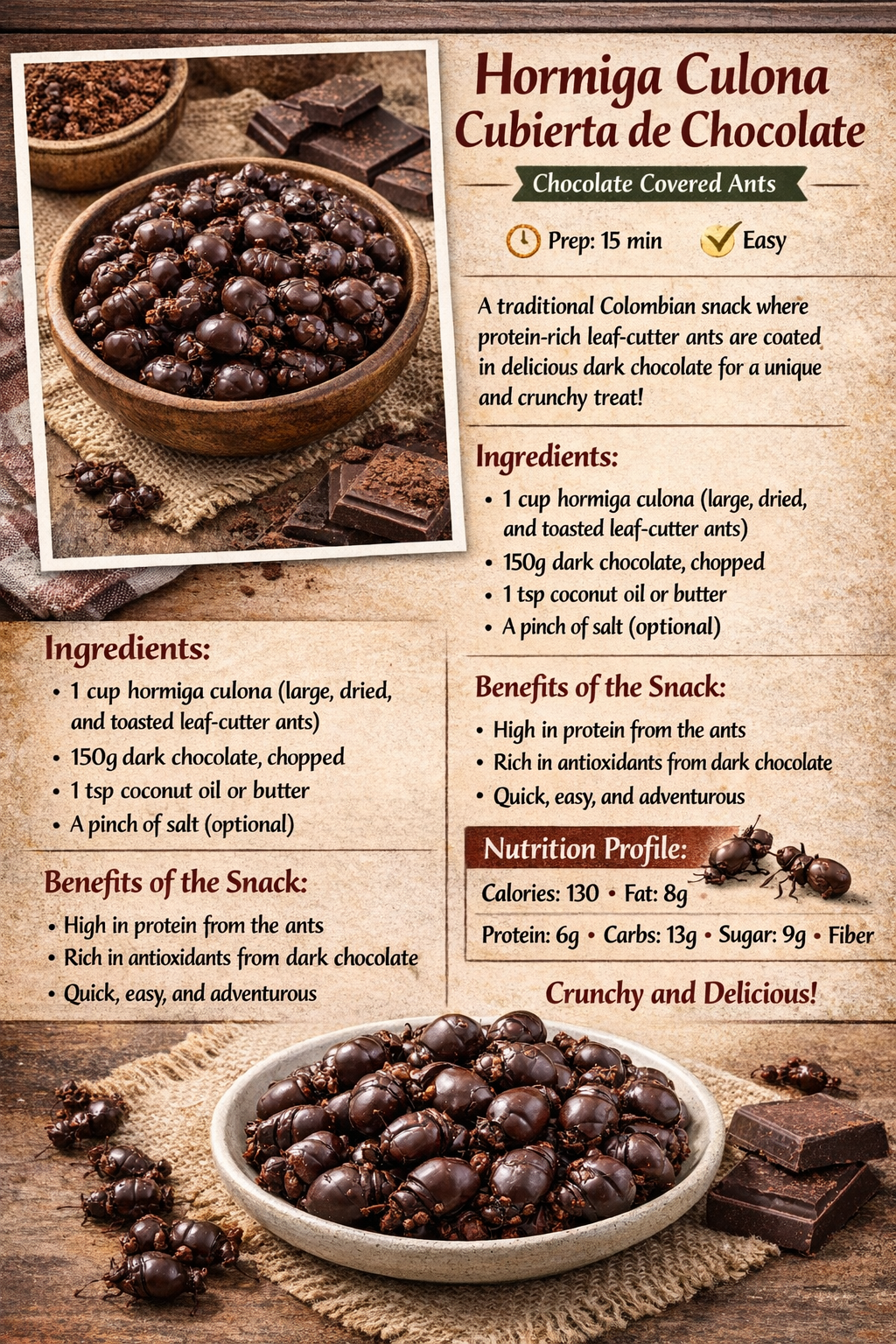
Colombian “Hormigas Culonas”: A Bold, Nutritious Tradition Worth Trying
If you’ve followed my work at CIDA Fitness, you know I appreciate traditional foods that combine culture, simplicity, and solid nutrition. One of the most unique snacks I grew up knowing about comes straight from my family roots in Bucaramanga, Colombia: hormigas culonas — literally “big-bottomed ants.”
My mother is from Bucaramanga, and that’s how I first learned about this tradition. When visiting relatives in Colombia as a kid, I remember occasionally enjoying this crunchy snack with family. At first, the idea sounded adventurous. But once you taste them — toasted, lightly salted, and nutty — you understand why this has been a regional delicacy for generations.
Let’s talk about the history, culture, and yes — the nutrition.
What Are Hormigas Culonas?
Hormigas culonas are large leaf-cutter ants harvested primarily in the Santander region of Colombia. They are traditionally toasted in clay pots with salt and sometimes a little oil. The result? A crispy, earthy, slightly smoky snack with a surprisingly pleasant flavor profile.
They’re not an everyday food — they’re seasonal and special.
The Seasonal Harvest Tradition
Each year during the rainy season — typically March and April — the winged queen ants emerge from their colonies for mating flights. This is when locals in and around Bucaramanga collect them.
The tradition goes back centuries, even to pre-Columbian Indigenous communities. Families often gather together to collect, prepare, and roast the ants. It’s a community experience — part food, part celebration, part heritage.
Because of their limited seasonal availability, hormigas culonas are considered something of a prized treat rather than a daily snack.
From Santander to New York City
What was once a regional Colombian specialty has made its way onto gourmet menus. In recent years, chefs in New York City have featured hormigas culonas as a delicacy in high-end restaurants.
Due to their rarity and the labor involved in harvesting them, prices can reach approximately $80–$120 per pound in specialty markets or gourmet import shops in the United States. That price reflects their seasonal nature and growing global demand.
Nutritional Profile (Per 1 oz / 28g toasted ants, approximate)
Hormigas culonas are surprisingly nutrient-dense.
-
Calories: ~150
-
Protein: ~13g
-
Fat: ~9g
-
Carbohydrates: ~2g
-
Sugar: 0g
-
Fiber: ~1–2g
Why They’re Considered Healthy (In Moderation)
-
High-Quality Protein
With around 13 grams of protein per ounce, they offer a dense source of amino acids — comparable gram-for-gram to some traditional animal proteins. -
Healthy Fats
Much of the fat content comes from unsaturated fats, contributing to satiety and energy. -
Low Carbohydrate & Zero Sugar
For individuals managing blood sugar or aiming for metabolic health, this makes them an interesting snack option. -
Micronutrients
Insects naturally contain minerals such as iron and zinc, both important for immune function and oxygen transport.
Of course, this isn’t something you eat daily. But as an occasional traditional snack, it’s both culturally rich and nutritionally respectable.
Cultural Meaning Beyond Nutrition
Food connects us to identity. For me, knowing that my mother grew up in Bucaramanga and that I was introduced to hormigas culonas during family visits gives this snack deeper meaning.
It reminds me that “healthy eating” isn’t just about macros and micronutrients. It’s about tradition, community, and remembering where you come from.
Final Thoughts
Would I recommend eating ants every day? No.
Would I say they’re a delightful, protein-rich, culturally meaningful snack when enjoyed occasionally? Absolutely.
Sometimes the healthiest thing you can do is embrace whole, traditional foods that have stood the test of time. Hormigas culonas from Bucaramanga are a perfect example — seasonal, nutrient-dense, and rooted in heritage.
And if you ever find yourself in Santander during harvest season, don’t be afraid to try one. You might be surprised.
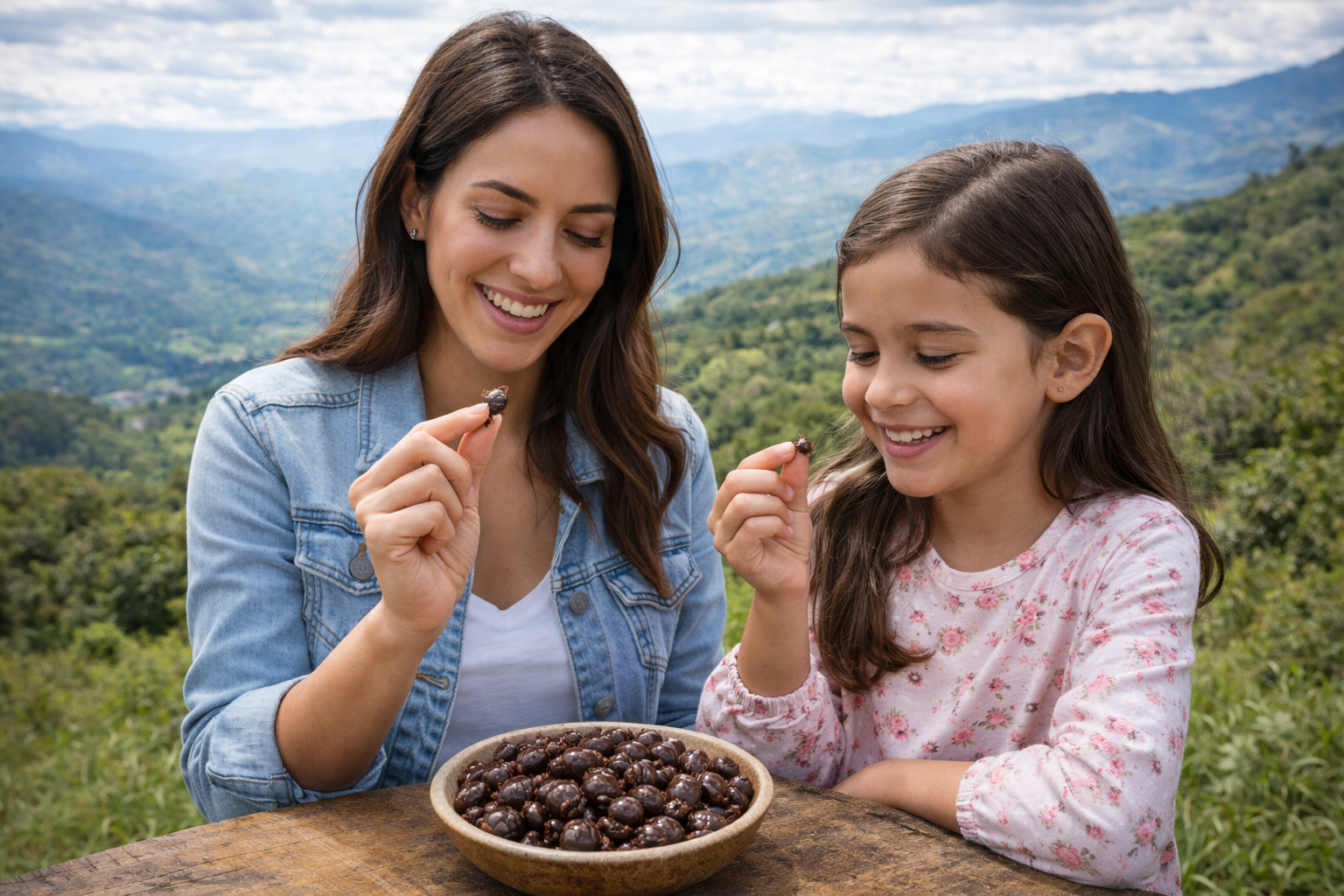
Colombian Chocolate Covered Ants
Zumba Jam at Sugar Land Town Center

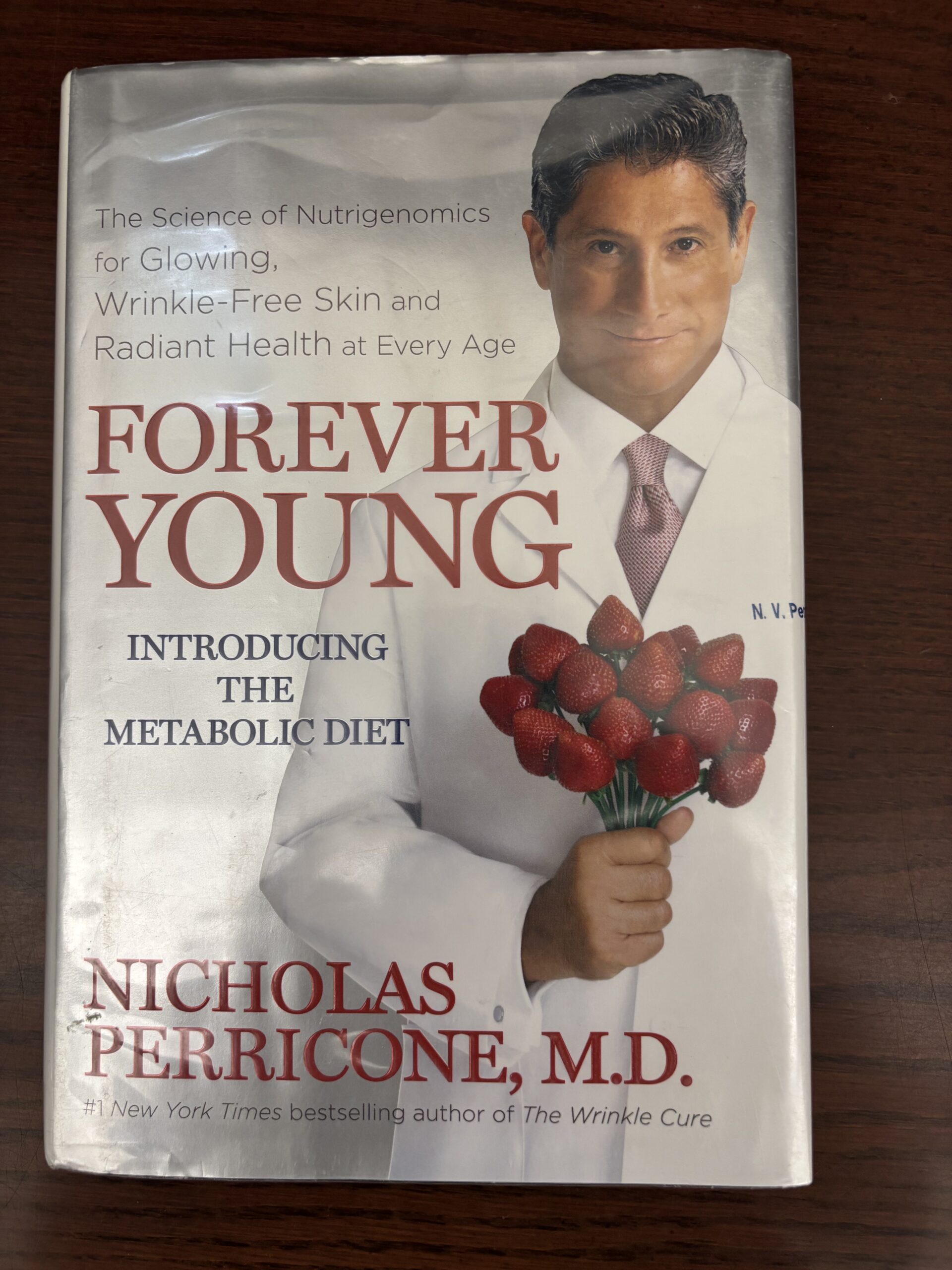
Salmon: The World’s Best “Forever Young” Secret

“What is the Point of Being Alive if you don’t do something remarkable”

How to Determine If a Food Is Truly High-Protein (And Not Just Marketed That Way)
Let me share something that has completely changed the way I look at food labels.
We live in a time when “high-protein” is stamped on everything — cereals, snack bars, waffles, chips, even desserts. Protein is trending. And because it’s trending, food companies know that if they can get that word on the package, it will sell.
But here’s the truth: many of those foods are not actually high in protein.
They just look like they are.
And if you’re serious about your health, body composition, recovery, and long-term metabolic strength, you deserve better than clever marketing.

The Simple Formula I Use
Here’s a quick and powerful way to determine whether a food is truly high-protein:
👉 Take the grams of protein per serving
👉 Add a zero (multiply by 10)
👉 Compare that number to the total calories per serving
If the new number is much higher than the calories, it’s truly a high-protein food.
If it’s lower — or barely close — it’s not.
This works because protein has 4 calories per gram. When you multiply protein grams by 10, you’re essentially creating a simple comparison that reveals whether protein dominates the calorie profile or not.
Example #1: A Truly High-Protein Food
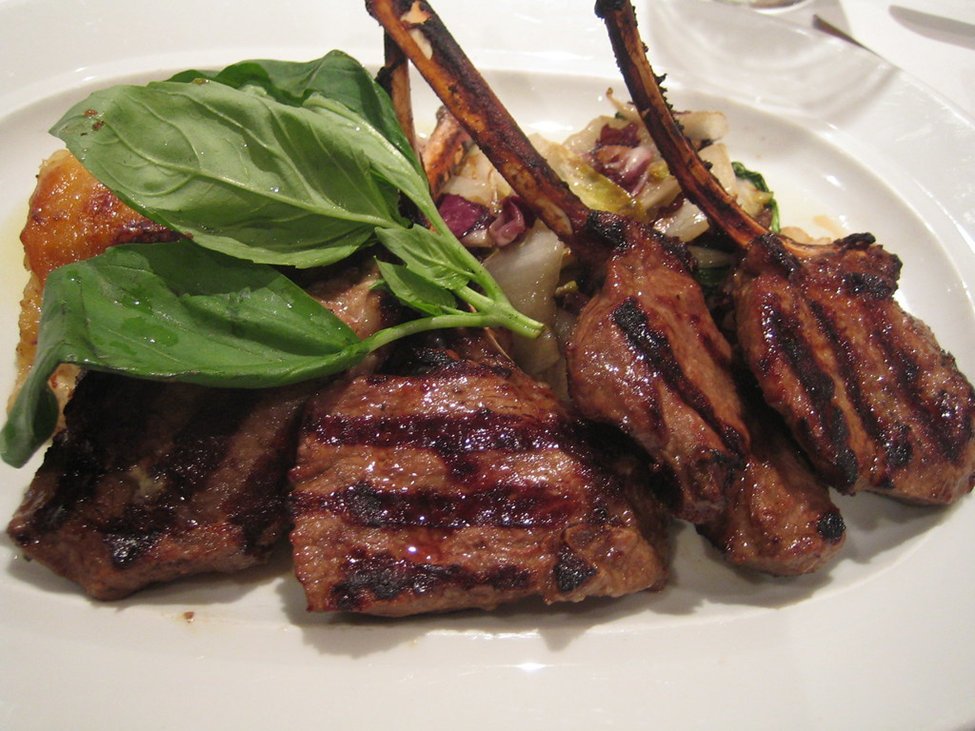
Let’s say you have a serving of salmon:
-
Protein: 38 grams
-
Calories: 220
Now add a zero to the protein:
38 grams → 380
Compare:
-
380 (protein x10)
-
220 (total calories)
380 is far greater than 220.
That means this food is clearly protein-dominant. This is a genuinely high-protein food.
Whole foods like salmon, eggs, lean beef, chicken breast, Greek yogurt — they pass this test easily.
Example #2: The Marketing Trap
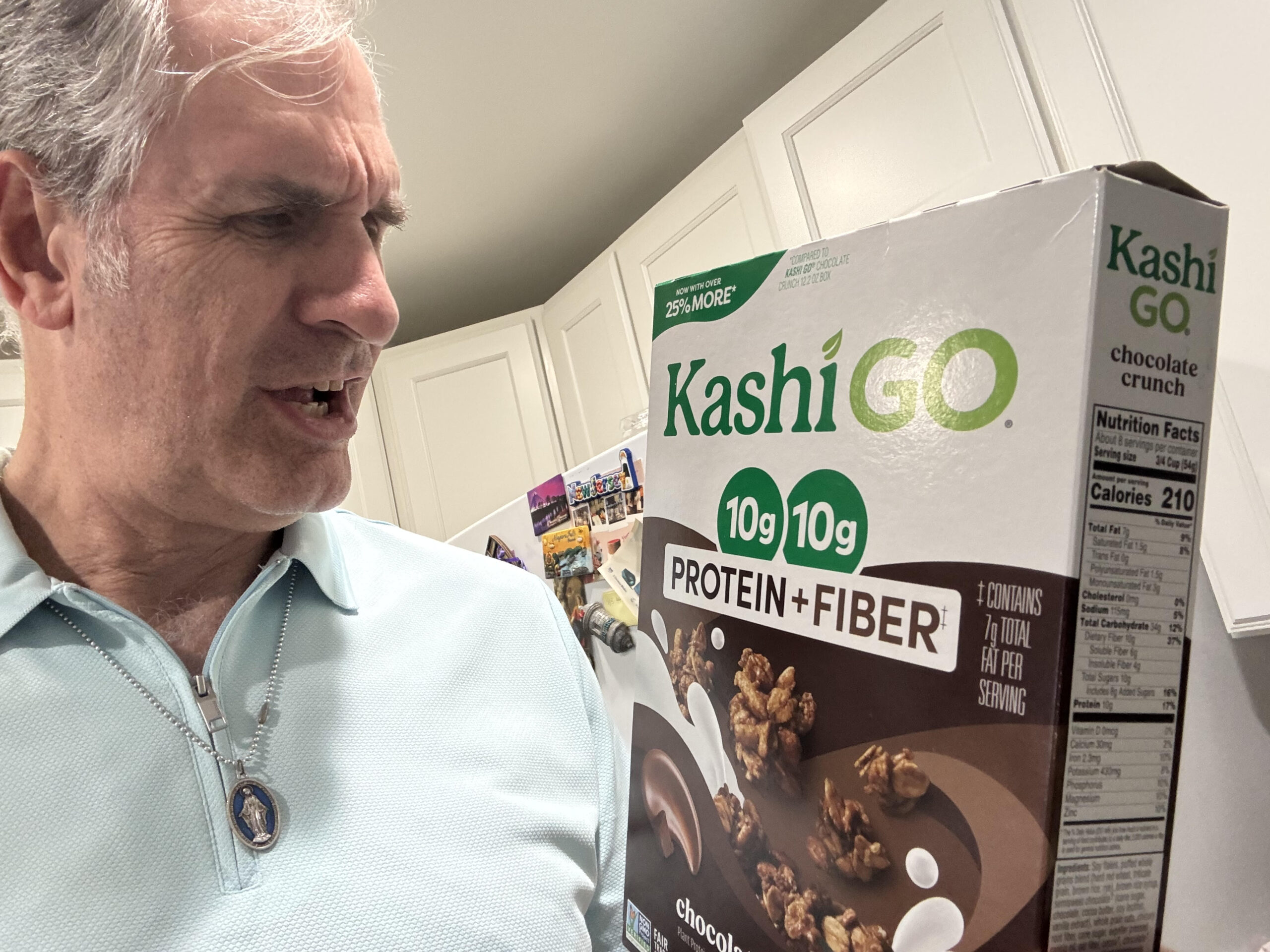
Now let’s look at a granola cereal that proudly says “High Protein!” on the front of the box.
-
Protein: 10 grams
-
Calories: 220
Add a zero:
10 grams → 100
Compare:
-
100 (protein x10)
-
220 (total calories)
Now we have a deficit.
That means protein is not the dominant macronutrient — calories are coming primarily from carbohydrates and/or fats. Yet the packaging makes you feel like you’re eating a protein-focused food.
This is where many American food companies use clever labeling and questionable marketing tactics. They highlight protein while quietly loading the product with sugar, refined grains, and seed oils.
It creates perception — not reality.
Why This Matters (Especially in the Morning)
Protein is critical for:
-
Muscle preservation
-
Fat loss
-
Blood sugar control
-
Cortisol regulation
-
Satiety and appetite control
-
Long-term metabolic health
When you start your morning with a truly high-protein meal, you stabilize your physiology instead of chasing energy crashes.
As someone who deeply values metabolic health and recovery, I can tell you this — your first meal sets the tone for the day.
A protein-dominant breakfast beats a “protein-flavored carbohydrate” every single time.
Whole Foods Usually Win
Notice something important:
The foods that pass this test are typically minimally processed whole foods.
The foods that fail?
Usually ultra-processed products with flashy labels.
That’s not an accident.
Real food doesn’t need marketing tricks.
What I Encourage You To Do
From now on:
✔ Always read the nutrition label
✔ Use the “add a zero” formula
✔ Compare protein dominance to total calories
✔ Prioritize protein at your first meal of the day
This small habit can completely change how you shop, how you eat, and how you structure your meals.
Don’t let packaging decide your nutrition.
Let math decide.
And once you start using this method, I promise you — you’ll never look at a “high-protein” label the same way again.
Stay strong.
Stay intentional.
And fuel your body with purpose.
The First Fitness Experiences Start Early
There are moments in life that truly stop you in your tracks.
Today is one of them.
Cida and I are celebrating our grandson Caleb turning one year old. One year. It feels like we were just holding him for the first time yesterday. Becoming a grandfather has been one of the greatest joys of my life. You can work a full day, feel completely drained, and think you have nothing left in the tank. But then you see your energetic, smiling grandson… and somehow you find the energy to get down on the floor and play.
And that right there is where fitness begins.

The First Fitness Experiences Start Early
When Caleb crawls, pulls himself up, falls, gets back up, and tries again — that’s fitness. When he reaches for a ball, chases it, throws it, or squeals while exploring something new (this will come soon) — that’s physical development in action.
At this young and formative age, children don’t need structured workouts. They need experiences.
They need:
-
Space to explore
-
Opportunities to be creative
-
Freedom to move
-
Encouragement to get messy
Movement at this stage is about neurological development, balance, coordination, strength, curiosity, and confidence. It is the true foundation of physical education. Long before organized sports. Long before strength training. Long before performance metrics.
It starts with crawling, climbing, and playing.
The Playground: The Fitness Center for Young Children
I like to call the playground the fitness center for young children.
Where else can they:
-
Climb ladders
-
Balance on beams
-
Slide
-
Jump
-
Throw
-
Dig
-
Interact with other children
-
Get dirty (yes, that’s encouraged — exposure to good bacteria supports immune development)

The playground is functional training at its purest form. It develops grip strength, coordination, spatial awareness, agility, and social skills — all through play.
And here’s the best part: it’s completely free.
This is your tax dollars at great work for you. I have worked as a parks and recreation manager for over 35 years and can sincerely say, Sugar Land and Houston have some of the best playground facilities in the country.
Top Playgrounds in Sugar Land, TX
If you live in or near Sugar Land, you are blessed with outstanding park facilities. Here are three of my favorites:
-
Oyster Creek Park
A beautiful park with shaded areas, open space, and a fantastic playground setup perfect for toddlers and young children. -
Lost Creek Park
Known for its castle-themed playground, this park sparks imagination and creative movement. -
Riverstone Ranch Recreation Center & Playground
Modern equipment and safe, clean surroundings make this an excellent place for young explorers.
Top Playgrounds in Houston, TX
Houston also offers world-class park facilities for families:
-
Memorial Park
Expansive, beautifully maintained, and perfect for family outings with a great playground area. -
Cullen Park
Spacious, scenic, and ideal for active play with multiple recreational options. -
Hermann Park
Centrally located and one of Houston’s gems, offering playgrounds and open green spaces for children to run and explore.
The Foundation for a Lifetime of Health
As someone who has spent decades in fitness and recreation, I can confidently say this: the habits and joy associated with movement start early.
When a child associates movement with fun, connection, laughter, and exploration — that becomes their baseline. Later, sports feel natural. Exercise feels normal. Being active becomes part of who they are.
Caleb may not remember his first trips to the playground. But his brain and body will.
And so will I.
My recommendation is simple:
If you have young kids — whether they’re your own children or your grandchildren — make the time. Take them to a local playground. Get on the ground with them. Chase them. Lift them. Let them climb. Let them get dirty. Laugh with them.
You will be building more than muscles.
You will be building memories.
And trust me — you’ll walk away with more energy than you arrived with.

The Greatness of Ceylon Tea
If you’re looking for a simple daily habit that supports heart health, stress management, and overall wellness, Ceylon Tea deserves a place in your routine.
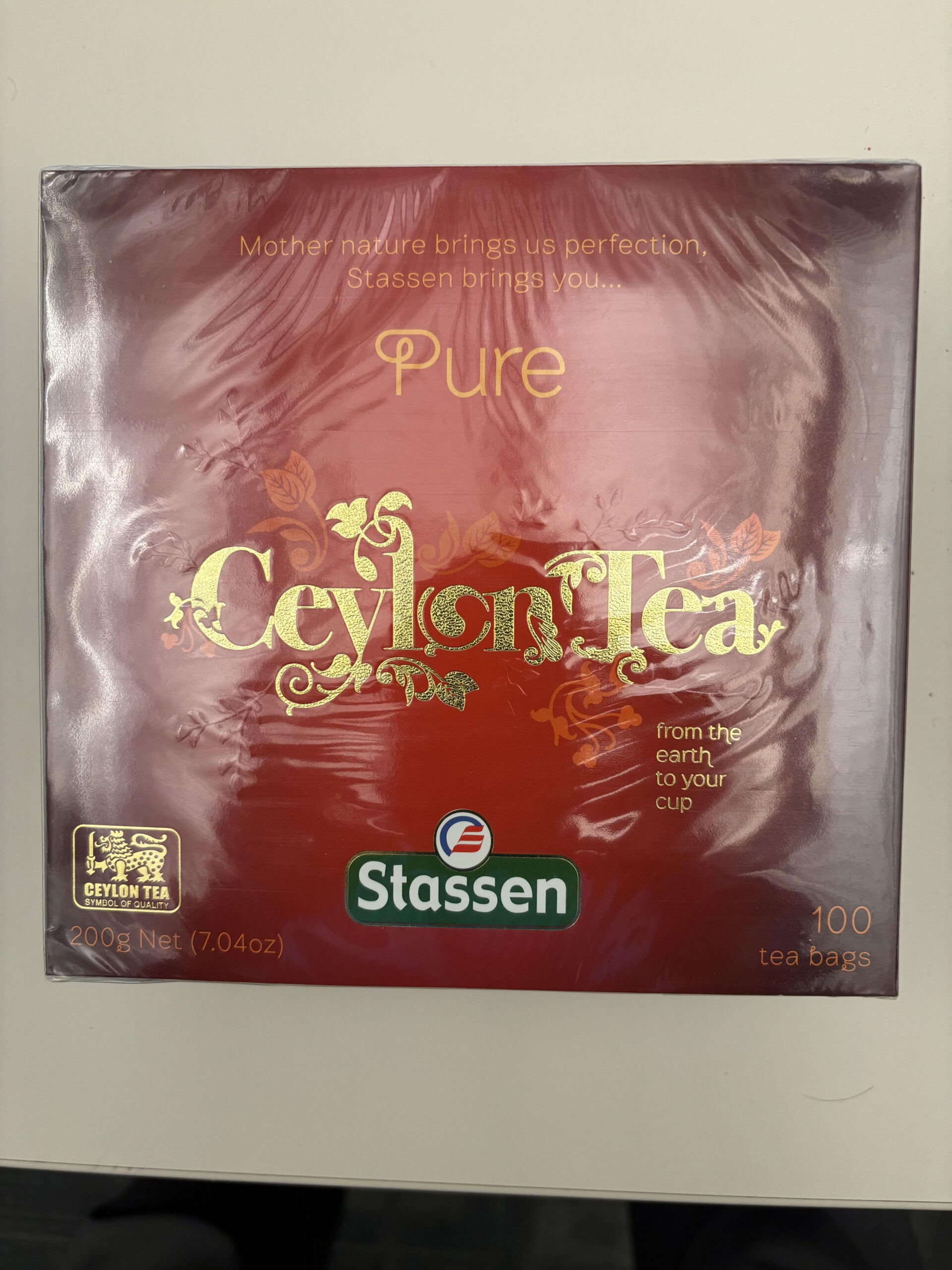
Exclusively grown and produced in Sri Lanka, Ceylon Tea is more than just a flavorful beverage—it’s a time-tested health ally. In fact, authentic Ceylon Tea is certified by the Sri Lanka Tea Board with the official Lion Logo, which guarantees that the tea was grown and packed in Sri Lanka and meets strict quality standards. When you see that Lion emblem, you know you’re getting the real thing.
Let’s break down why this tea is such a powerful addition to a heart-focused lifestyle.

What Makes Ceylon Tea Unique?
Ceylon Tea is typically a black tea (though green and white varieties are also produced in Sri Lanka), known for its:
-
Bright, brisk flavor
-
Citrus-like notes
-
Light to medium body
-
Clean, refreshing finish
Depending on the elevation where it’s grown, the taste can range from bold and full-bodied to delicate and floral. It’s invigorating without being overpowering—making it an excellent morning or early afternoon choice.
Specific Heart Health Benefits of Ceylon Tea
For those focused on cardiovascular health—whether prevention or recovery—Ceylon Tea offers several compelling benefits.
1. Rich in Flavonoids and Antioxidants
Ceylon Tea contains powerful polyphenols, especially theaflavins and thearubigins (in black tea varieties). These compounds help:
-
Reduce oxidative stress
-
Protect blood vessels from damage
-
Support healthy endothelial function
Oxidative stress plays a major role in atherosclerosis and cardiovascular disease. Antioxidant-rich foods and beverages like Ceylon Tea can help counteract this process.
2. Supports Healthy Cholesterol Levels
Regular black tea consumption has been associated with improvements in lipid profiles. Some research suggests it may:
-
Help lower LDL (bad cholesterol)
-
Support improved total cholesterol balance
While tea is not a replacement for lifestyle intervention, it can be part of a heart-smart nutrition strategy.
3. May Support Healthy Blood Pressure
Certain tea polyphenols may help improve vascular tone and blood vessel flexibility, which can contribute to healthier blood pressure levels over time.
4. Anti-Inflammatory Effects
Chronic low-grade inflammation is strongly linked to cardiovascular disease. The antioxidants in Ceylon Tea help modulate inflammatory pathways, supporting long-term heart health.
L-Theanine: Calm Focus Without the Crash
One of the most beneficial compounds in tea is L-theanine, an amino acid known for promoting relaxation without drowsiness.
L-theanine works by:
-
Increasing alpha brain waves (associated with calm focus)
-
Helping reduce stress perception
-
Supporting a balanced mood
When combined with the natural caffeine in Ceylon Tea, L-theanine creates a smoother, more stable energy boost—without the jittery spike and crash associated with coffee. For individuals managing stress (especially those recovering from cardiac events), this can be a valuable daily tool.
Stress management is not optional for heart health—it is essential.
General Health Benefits
Beyond cardiovascular support, Ceylon Tea may:
-
Support immune function
-
Improve gut health through polyphenol activity
-
Enhance metabolic function
-
Provide mild appetite regulation
-
Improve mental alertness
It’s low in calories, naturally sugar-free (unless you add sweeteners), and easy to incorporate into almost any nutrition plan.
Rotate Your Teas for Broader Benefits
While Ceylon Tea is excellent, variety is powerful.
Consider rotating daily with other health-supportive teas such as:
-
Green Tea – rich in EGCG and known for metabolic and anti-inflammatory benefits
-
Jasmine Tea – calming, aromatic, and antioxidant-rich
-
White Tea – minimally processed and high in delicate polyphenols
Rotating teas exposes your body to a broader spectrum of beneficial plant compounds while keeping your routine enjoyable and sustainable.
How to Enjoy Ceylon Tea
-
Brew with freshly boiled water
-
Steep 3–5 minutes depending on desired strength
-
Enjoy plain to appreciate the natural citrus-brisk profile
-
Optional: a squeeze of lemon enhances its brightness
It can be enjoyed hot or iced and pairs beautifully with a protein-rich breakfast or as a mid-afternoon reset.
Final Thoughts
Ceylon Tea is a simple, affordable, and enjoyable daily ritual that supports heart health, stress resilience, and overall wellness. Certified by the Sri Lanka Tea Board and exclusively grown in Sri Lanka, it carries both authenticity and quality assurance (notice the Lion emblem on bottom left corner).
In a world that overcomplicates health, sometimes the most powerful tools are also the simplest.
A warm cup of Ceylon Tea may not solve everything—but as part of a consistent lifestyle focused on nutrition, movement, recovery, and stress management, it can be a meaningful step in the right direction.
If you’re building a heart-healthy routine, consider adding Ceylon Tea to your rotation this week. Small daily habits compound into long-term health.
The Main Key to Youth Sports Skill Development: Stage of Readiness