Heart Rate Variability (HRV): A Helpful Tool for Heart Health Awareness

When it comes to heart health, most people are familiar with resting heart rate and blood pressure.

Another powerful—but often overlooked—metric is Heart Rate Variability (HRV). For individuals living with heart conditions, HRV can be a valuable daily insight into how the body is responding to stress, recovery, exercise, and overall lifestyle habits.  Let’s break it down in a simple, encouraging way.
What Is HRV?

Heart Rate Variability (HRV) measures the variation in time between each heartbeat. Even though your heart may feel like it’s beating steadily, the tiny differences between beats tell an important story about your nervous system.

  • Higher HRV generally reflects better recovery, adaptability, and nervous system balance
  • Lower HRV may indicate stress, fatigue, illness, poor sleep, or overexertion

HRV reflects how well your autonomic nervous system—the system that controls heart rate, breathing, and recovery—is functioning.

Why HRV Is Especially Important for Individuals With Heart Conditions

For people with heart disease, a history of cardiac events, arrhythmias, or those in cardiac rehab, HRV can be a non-invasive way to monitor daily readiness and recovery.

Benefits include:

  •  Early awareness of stress or fatigue before symptoms appear
  •  Guidance for exercise intensity, helping avoid overtraining
  •  Insight into sleep quality and recovery
  •  Support for long-term heart health habits

HRV is not a diagnostic tool, but when tracked over time, it can help you and your healthcare or fitness professional make more informed decisions.

How to Measure Your HRV

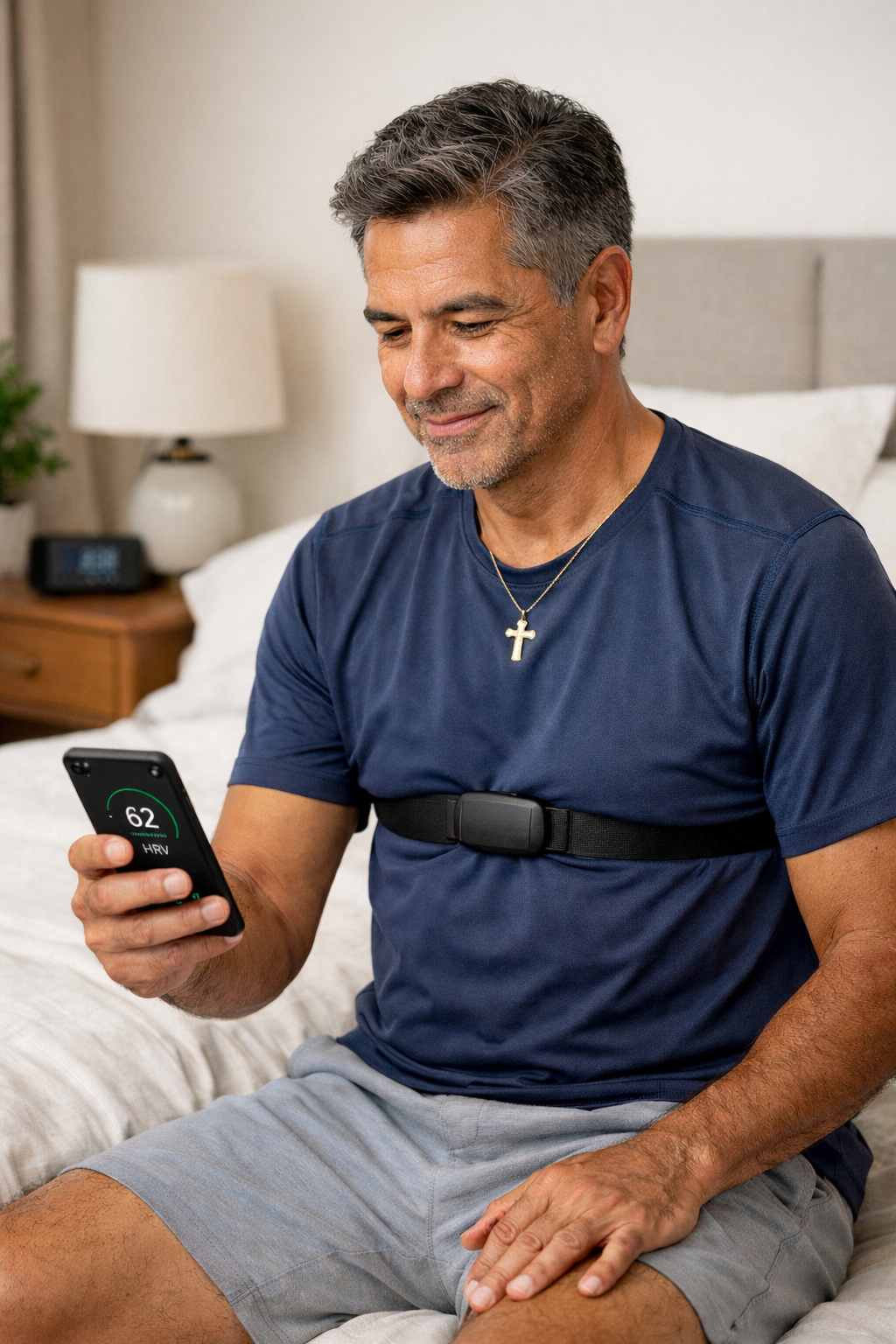
You don’t need medical-grade equipment to begin tracking HRV. Many consumer devices and apps can do this accurately enough for daily awareness.

Common ways to measure HRV:

  • Wearable devices (wrist or ring-based)
  • Chest heart-rate straps
  • Smartphone apps using a short morning reading

For best results:

  • Measure once daily, ideally in the morning
  • Stay consistent with time and position
  • Focus on trends, not single-day numbers

How to Log and Track HRV Daily

Logging your HRV is simple and helps you see patterns over time.

You can:

  • Use an app dashboard (automatic logging)
  • Track in Apple Health or Google Fit
  • Keep a simple journal noting HRV, sleep, exercise, and stress levels

Pairing HRV data with lifestyle notes helps you understand why your HRV changes.

Useful HRV Apps (Including Free Options)

Here are some popular and reliable apps for HRV tracking:

 Free or Partially Free Apps

  • Elite HRV – Free
    • Excellent for beginners
    • Uses chest straps or phone camera
    • Clear charts and educational insights
  • Apple Health – Free with Apple Watch
    • Automatically tracks HRV
    • Easy integration with fitness and health data
  • Fitbit App – Included with device
    • Nighttime HRV trends
    • Simple and user-friendly

 Paid Apps & Devices

  • HRV4Training – Low-cost, one-time fee
    • Popular with athletes and cardiac-conscious users
    • Morning readiness assessments
  • WHOOP – Subscription-based
    • Continuous HRV tracking
    • Strong recovery and strain insights
  • Oura Ring – Subscription-based
    • Comfortable, sleep-focused
    • Excellent HRV trend data

A Positive Reminder 

HRV is one piece of the wellness puzzle, not a scorecard. Fluctuations are normal. What matters most is

building healthy habits—regular movement, stress management, quality sleep, and proper recovery.

If you have a heart condition, always:

  • Discuss new fitness or monitoring tools with your healthcare provider
  • Use HRV as a guide, not a source of anxiety

At CIDA Fitness, we believe knowledge empowers healthier choices. HRV can help you listen to your body with confidence, compassion, and consistency.

The Benefits of Sauna Use for Heart Health, Cardiac Recovery, and Athletic Performance

Lately, I’ve been using the sauna a few times a week and really feel the difference.  It helps me to relax and I can tell my cardiovascular system is getting a nice workout.  It’s also a good time for me to read.

You see, sauna use isn’t just a luxury—it’s a powerful wellness practice with deep roots in cardiovascular health, recovery, and performance. When used properly and with a physician’s approval, regular sauna sessions can be especially beneficial for individuals recovering from a cardiac event and for athletes looking to optimize recovery, endurance, and overall health.

Let’s explore why sauna therapy has stood the test of time, how often to use it, and how to do so safely.


Why Sauna Use Is So Powerful for the Heart 

Sauna bathing creates a gentle cardiovascular workout. As body temperature rises, blood vessels dilate, circulation improves, and the heart rate increases—similar to light-to-moderate exercise.

Research-backed heart benefits include:

  • Improved blood vessel function and circulation

  • Reduced blood pressure over time

  • Enhanced heart rate variability (a key marker of heart resilience)

  • Lower risk of future cardiovascular events when used consistently

For individuals recovering from a heart attack or cardiac procedure, sauna use—only with medical clearance—can support circulation, relaxation, and stress reduction, all of which are critical for heart healing.

Think of the sauna as active recovery for your cardiovascular system.


Sauna Use After a Cardiac Event (With Doctor’s Approval)

For post-cardiac clients, sauna use should always be:

  • Gradual

  • Moderate

  • Closely monitored

General guidelines often approved by physicians:

  • Frequency: 2–4 times per week

  • Duration: 10–20 minutes per session

  • Temperature: Moderate heat (not extreme)

  • Progression: Slowly build tolerance over several weeks

Benefits for cardiac recovery may include:

  • Reduced stress hormones

  • Improved endothelial (artery) function

  • Better sleep and relaxation

  • Enhanced overall quality of life

⚠️ Always stop immediately if dizziness, chest discomfort, nausea, or unusual fatigue occurs.


Why Athletes Love the Sauna 

Athletes around the world use sauna therapy as a secret weapon for recovery and performance.

Athletic benefits include:

  • Faster muscle recovery and reduced soreness

  • Improved circulation and nutrient delivery

  • Heat adaptation that may improve endurance

  • Increased growth hormone release

  • Mental relaxation and improved sleep

Athlete-focused sauna protocol:

  • Frequency: 3–5 times per week

  • Duration: 15–30 minutes per session

  • Timing: Post-workout or on recovery days

Many endurance athletes even use sauna exposure to mimic heat training, helping the body adapt and perform better under physical stress.


Finland’s Sauna Culture: A Blueprint for Health 🇫🇮

In Finland, sauna use isn’t a trend—it’s a way of life.

  • Over 3 million saunas for a population of 5.5 million

  • Many Finns use the sauna 4–7 times per week

  • Sauna bathing is linked to lower rates of heart disease, stroke, and all-cause mortality

For Finns, sauna time is about connection, relaxation, and consistency—not extremes. This balanced approach is exactly what makes sauna use so effective and sustainable.


How Long & How Often for Real Benefits?

For most people, benefits begin with consistency—not intensity.

Ideal sauna use for health:

  • 2–4 sessions per week for heart health

  • 15–25 minutes per session

  • Sweating lightly to moderately, not pushing limits

Consistency over months—not days—is what delivers lasting cardiovascular and metabolic benefits.


Sauna Safety: What You Need to Know 

Sauna use is generally safe for healthy individuals, but safety matters—especially for heart patients.

Important precautions:

  • Get medical clearance after a cardiac event

  • Stay well hydrated before and after

  • Avoid alcohol before or after sauna use

  • Start with short sessions and build gradually

  • Exit immediately if you feel lightheaded or unwell

  • Cool down slowly—no sudden cold plunges unless approved

Sauna therapy should leave you feeling refreshed and relaxed, not depleted.


The Bottom Line

When used wisely, sauna therapy can be a powerful ally for:

  • Heart health and cardiac recovery

  • Athletic performance and recovery

  • Stress reduction and longevity

At CIDA Fitness, we believe in smart, evidence-based lifestyle strategies that support long-term health—especially for individuals recovering from a cardiac event and athletes committed to peak performance.

If you’re unsure how sauna use fits into your recovery or training plan, we’re here to help guide you safely and effectively.

Post-Rehab Cardio & Strength Program (4 Weeks)

Louis Moore

For Individuals 6 Months–3 Years Post Heart Attack

This program is designed for individuals who have:

  • Experienced a heart attack 6 months to 3 years ago

  • Successfully completed cardiac rehab / physical therapy

  • Received doctor’s approval to begin a structured fitness program

Our focus is heart-safe, progressive fitness that builds stamina, strength, confidence, and long-term consistency — without pushing into anaerobic or high-risk zones.

Reminder: This is not a race. Healing hearts thrive on patience, rhythm, and consistency ❤️


Program Philosophy

  • ✅ Train primarily in the Fat-Burning Zone and Aerobic Zone

  • ❌ Avoid anaerobic, max-effort, or breath-holding exercises

  • ✅ Emphasize daily movement, light resistance, and recovery

  • ✅ Encourage two workouts per day for metabolic health and heart resilience

  • ✅ Progress gradually month-to-month


Weekly Structure Overview

Cardio: 6 days per week
Strength Training: 3 days per week (full body)
Flexibility & Mobility: Daily
Rest Day: 1 full rest or active recovery day per week


🌅 Daily Morning Workout (6 Days/Week)

60-Minute Walk – Morning Sunlight Session

Why mornings matter:
Morning sunlight (especially blue light rays) supports:

  • Circadian rhythm regulation

  • Hormonal balance

  • Better sleep quality

  • Improved cardiovascular and metabolic health

Workout Details:

  • Duration: 60 minutes

  • Intensity: Comfortable, conversational pace

  • Heart Rate Zone: Fat-Burning to Low Aerobic Zone

  • Location: Outdoors whenever possible

💡 You should be able to walk and speak in full sentences without gasping.


🌤 Second Daily Workout (Later in the Day)

Rotate cardio and strength training depending on the day.


Cardio Training Plan (6 Days/Week)

30–60 minutes per session (including warm-up & cool-down)

Approved Cardio Activities

Choose 1 activity per session:

  • Walking (outdoor or treadmill)

  • Stationary or outdoor cycling

  • Swimming

  • Water fitness / aqua aerobics

Intensity Guidelines

  • Stay in Fat-Burning or Aerobic Zones

  • Breathing should remain controlled

  • No sprinting or high-intensity intervals


Weekly Cardio Schedule Example

Day Cardio Focus
Mon Walking
Tue Cycling
Wed Swimming or Water Fitness
Thu Walking
Fri Cycling
Sat Choice Cardio
Sun Rest or gentle walk/stretch

💪 Strength Training (3 Days/Week – Full Body)

Example Days: Monday, Wednesday, Friday
Duration: ~30 minutes
Resistance: Light dumbbells, bands, or machines

Repetition Guidelines

  • 1–2 sets per exercise

  • 10–15 slow, controlled reps

  • Rest 45–75 seconds between sets

  • No breath holding (exhale on effort)


Strength Training Exercises

Upper Body

  • Chest: Wall push-ups or chest press

  • Back: Seated row or resistance band row

  • Shoulders: Light shoulder raises

  • Biceps: Dumbbell curls

  • Triceps: Triceps extensions or kickbacks

Lower Body

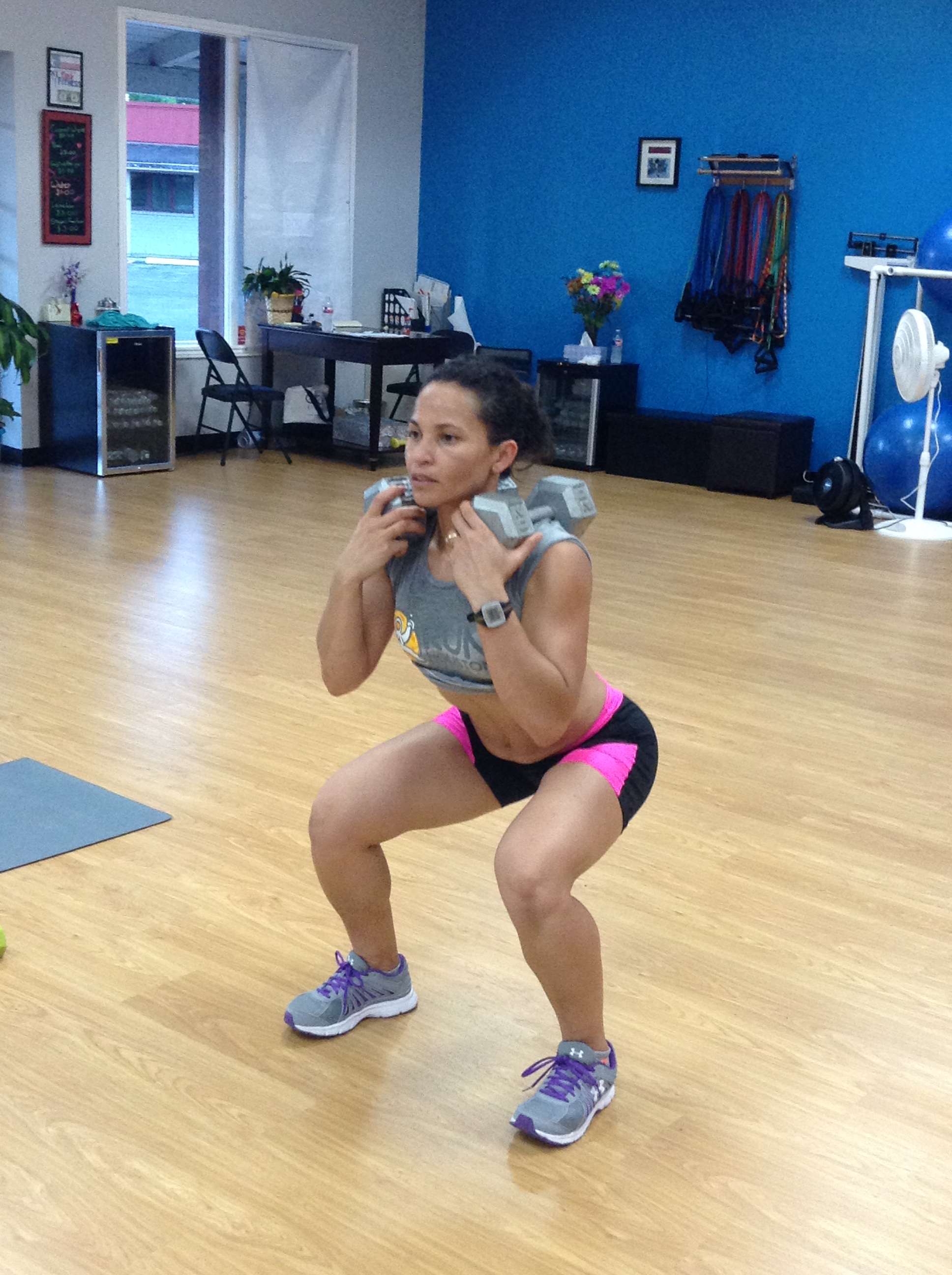
  • Quadriceps: Chair squats or leg press

  • Hamstrings: Hamstring curls or hip hinge

  • Calves: Standing calf raises

Core (Gentle & Controlled)

  • Seated abdominal bracing

  • Standing torso rotations (light)

  • Pelvic tilts or modified planks (optional)


🧘 Warm-Up & Cool-Down (Every Workout)

Warm-Up (5–10 Minutes)

  • Slow walking or cycling

  • Arm circles

  • Shoulder rolls

  • Marching in place

Cool-Down (5–10 Minutes)

  • Gradual slowing of movement

  • Deep breathing

  • Light stretching


Flexibility & Mobility (Daily)

Focus on:

  • Hamstrings

  • Calves

  • Hips

  • Chest & shoulders

  • Lower back

Hold each stretch 15–30 seconds, breathing calmly.


📅 4-Week Program Commitment

This program is designed for 1 month (4 weeks).

👉 Each month, the program will be updated with:

  • Slightly longer durations

  • New exercises

  • Increased confidence and strength

  • Continued heart-safe progression

Results come from stacking small wins consistently.


⚠️ Safety First – Always

  • ✔ Get medical clearance before starting

  • ✔ Stop exercise if you feel dizziness, chest pain, or unusual shortness of breath

  • ✔ Never hold your breath

  • ✔ Wear supportive footwear

  • ✔ Exercise in a cool, well-ventilated environment


💧 Hydration Matters

  • Drink water before, during, and after workouts

  • Aim for pale-yellow urine as a hydration guide

  • Increase fluids in heat or humid conditions


❤️ Final Reminder

Consistency beats intensity — every time.

Walking daily, moving gently, lifting light, breathing well, and staying hydrated creates long-term heart health and confidence in your body again.

Your heart doesn’t need punishment — it needs movement, patience, and care.

Getting Through Setbacks

It was exactly 3 months since I had my heart attack, and things were going well .. . . till I had my first setback.

I was exercising every day, walking, lifting weights, swimming, going to work, and all of my normal activities.  Then, all of a sudden, one night I was watching a Boston Celtics vs. NY Knicks game lying down on my sofa, and then I became extremely dizzy and felt like passing out.  It was a scary feeling because it was unexpected, and I didn’t know how serious this incident was going to be.

My wife, Cida, immediately called the paramedics, and they arrived at my house within 2 minutes (Sugar Land has great municipal services).  Fortunately, everything checked out fine with me.  The paramedics checked my blood pressure, blood sugar levels, and even did an EKG.  I was relieved, but Iwas wondering what prompted this episode.

Since it was late in the evening, I could not contact my cardiologist to discuss further.  I had to wait till the next morning.  This was an uncomfortable situation because I really didn’t know what was wrong with me.  Scary thoughts went through my mind for the first time, such as, “what if I don’t wake up?”

I knew this was the evil one trying to instill fear in my mind, leading to despair.  If I didn’t have self-awareness of this, I may have been drawn towards despair.  Thankfully, I did not.

A few things to think about afterwards:

First, I had to remind myself that a setback is a reminder that healing is a journey and not an immediate thing.  Seeking a cure is short-term and something that is physical, such as an Achilles Rupture Tear.  This type of physical injury will eventually get better.  The cardiac arrest with my heart, both in a physical sense, but more importantly, in a spiritual way, is a matter of healing.  This can take much longer and is dependent upon the Graces of God.  The theological virtues of Faith, Hope, and Charity are absolutely essential for healing.

It also helps if you surround yourself with positive people who follow the Faith.  Pray the rosary and ask for their prayers too.

Breathe of Life

After my heart surgery, I awakened and came to my senses.  I was stiff and sore and wanted to move around, but realized I needed assistance from my wife, Cida, to do basic things, such as eating a meal and walking to the restroom.  Shortly after, the doctor checked on me and provided directions in 4 areas:  medications (which I did not like), food (the Mediterranean Diet), movement (physical therapy), and breathing exercises, which is the focus of this post.

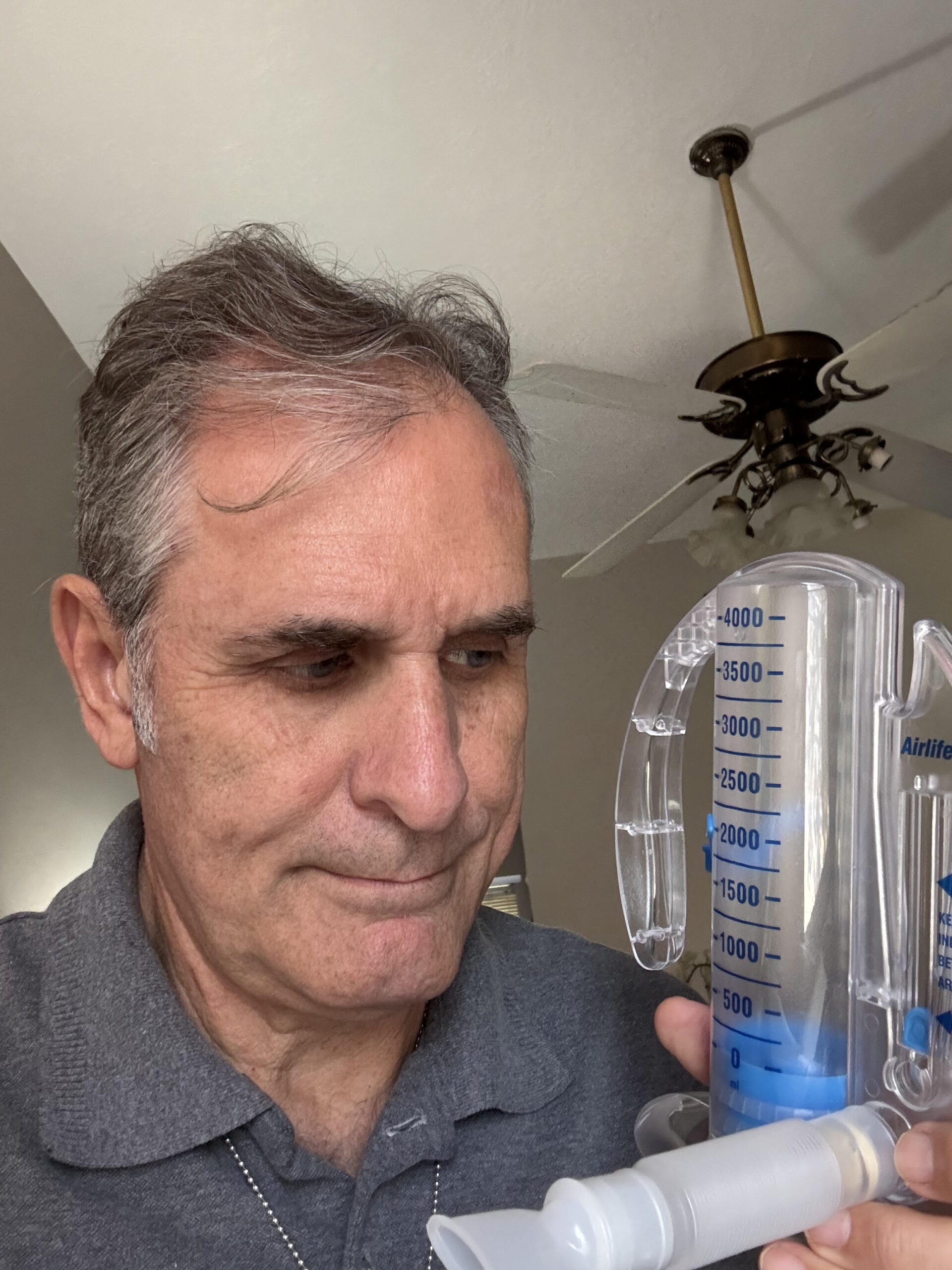
The nurse gave me a spirometer (device for breathing exercises; see picture below) and said I needed to do the breathing exercises several times per day for around 10 – 15 reps).  No problem, I welcomed this directive because I’ve always known that breathing, or more specifically, oxygen, is the key to energy production and how well you do anything.  Without proper breathing, it can seriously affect your mental, physical, and emotional states.


The spirometer is an important tool because after surgery you really don’t feel like doing deep breath work.  You’re tired and fatigued and still trying to figure out what really happened to you to get in the hospital.  It helps you get started in breath work and motivates you to continue.

You may be wondering why utilizing a spirometer is so important?  You see, after surgery many patients spend long periods of time lying down on a bed (in my case it was 4 days) and are inactive.  This may cause a person’s breathing to be shallow and even painful, but even more serious, could lead to lung collapse, low oxygen levels, and other complications like Pneumonia.  I suppose doctor’s think it’s the most practical way to get a person to practice breathing immediately after a surgery.  Doing so will provide the following benefits:

  • expands your lungs fully
  • strengthens respiratory muscles (this is really important)
  • improves oxygenation
  • helps improve your overall cardiovascular system

Another good thing to know about breathing is that it is an important skill that you can learn and strengthen just like any other skill developed in the fitness center or sportsfield.  It can be the standalone skill that you train in to enhance all of the other fitness and athletic skills that you pursue, such as running, swimming, strength training, Zumba, playing soccer, etc.  It can even help you better digest food, recover from workouts, sleep, think, and deal with stress.

 In addition to using the spirometer, there are many breath exercises that don’t require any devices that you can do.  It’s all a matter of implementing correct technique with a variety of available exercises.  Some of them are basic and others are more challenging intended for elite athletes. 

One concept to keep in mind is mouth breathing versus nose breathing.  Most people aren’t conscious of their breathing patterns in every day living and causes them to breath inefficiently.  This is critically important to start paying attention to because breathing through the mouth regularly causes you to breathe with shallow and rapid breaths sending your body into a parasympathetic state (fight or flight state).  This effect minimizes the healthy exchange of oxygen and carbon dioxide in the body.  This is huge because it can make the difference between having a great fitness workout or not.  Note:  there are times when breathing through the mouth is essential, especially during high-intensity interval training or anaerobic sports like soccer and basketball.

 Conversely, breathing through the nose promotes an efficient process of breathing with a lower breathing rate and maximizes the exchange of oxygen and carbon dioxide.  Additionally, it promotes the production of nitric oxide (NO), which enhances cardiovascular functioning and circulation.

As I mentioned before, there are many breathing exercises available for you to do.  Below is a brief video of me demonstrating 3 breathing exercises to strengthen exhalation muscles:

Unlock Better Health With a Daily Red Drink – Part II

In my opinion the commercially available red drink powder supplements are great.  They are very convenient, affordable, and loaded with nutritional value with phytonutrients.  Additionally, they don’t have sugar (this is huge).

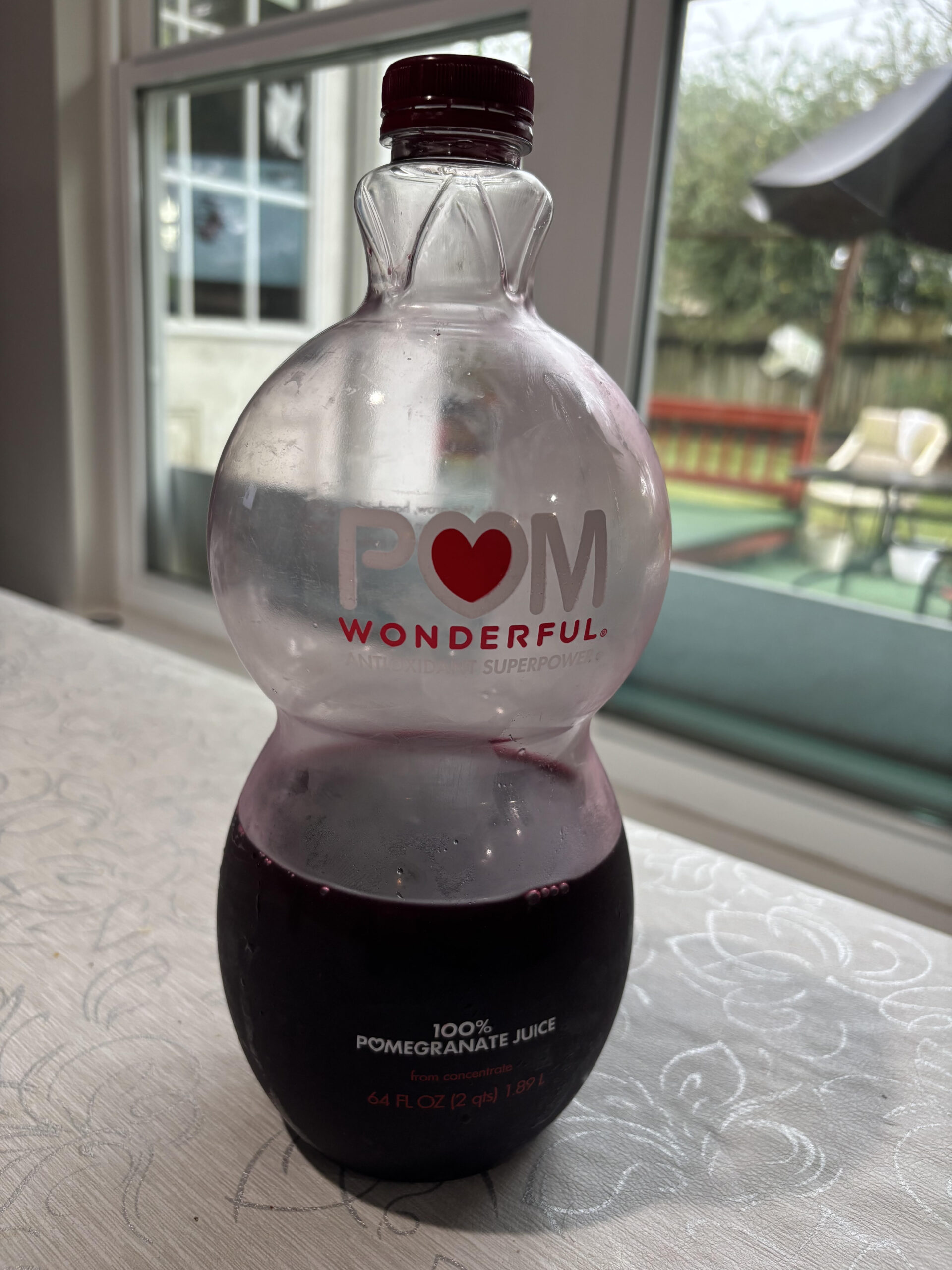
However, there are other options or ways to consume the pomegranate for better cardiovascular health, such as drinking concentrated pomegranate juice.  I like the POMS brand because it is widely available at most grocery stores, including Sam’s Club and Cosco.

Below are some of the benefits of drinking pomegranate juice daily:

  • it is high in antioxidants and phytonutrients, such as punicalagins that help with reducing oxidative stress in the body.
  • may help to reduce inflammation.  Remember, when a person is under a lot of stress, inflammation may occur in the heart and can cause problems in your arteries.
  • may improve blood pressure.
  • may improve cholesterol profile.
  • and, it may improve in blood vessel function and may enhance the body’s ability to produce nitric oxide (NO).

Drinking pomegranate juice is not a remedy to heart disease or a treatment after experiencing a heart attack.  Always follow the directives of your doctor and take the prescribed medications, if necessary.

Another tip is to be aware of the sugar content in pomegranate juice, especially if you are diabetic or have high levels of blood sugar.  On average, there’s around 34 grams of sugar per serving (8 ounces).  The solution is to dilute it with water and drink in moderation.

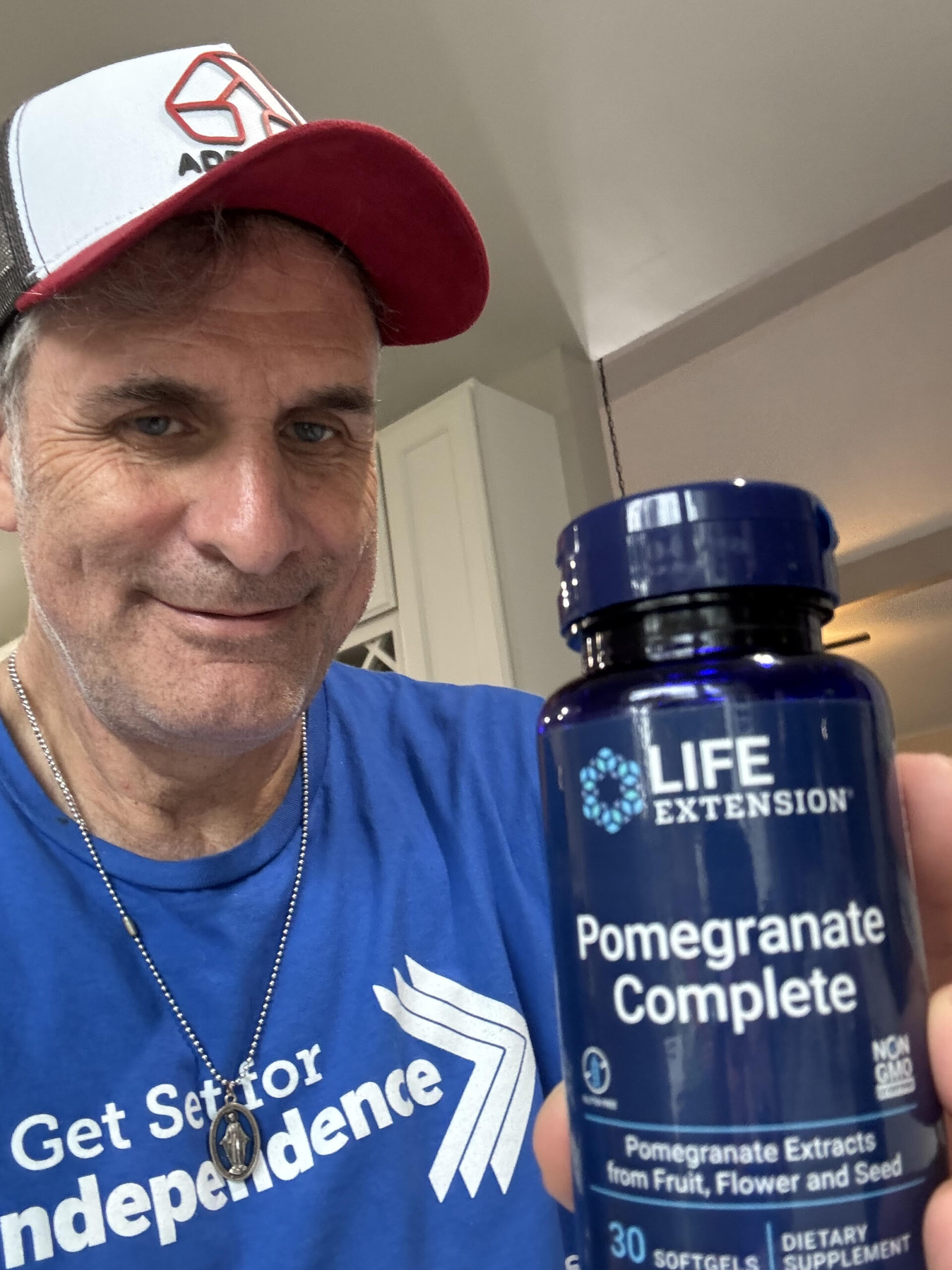
Another convenient option is to take a daily supplement.  The best one I have researched is is by Life Extension (In my opinion, one of the top 5 supplement companies in the world), with a product called “Pomegranate Complete.”  The main reasons why I take this supplement every day are because it contains all of the above-mentioned benefits of drinking pomegranate juice, contains the extracts from the fruit, flower and seed (not just the fruit), and supports your metabolic health by not having any sugar.  Additionally, it contains the polyphenol equivalent of a large amount of pomegranate juice in just one tablet.  The cost is under $20 per month supply.  BTW, I don’t make any money promoting Life Extension or any type of affiliate marketing relationship with them. 


And finally, just go out and buy a fresh pomegranate at your local grocery store.  The main advantages in addition to items listed above are that the fresh fruit has fiber, live enzymes (good for your digestive system), and tastes delicious!

Click HERE if you would like to read Part I.

Ride Your Way to a Stronger Heart with Mountain Biking

Louis Moore

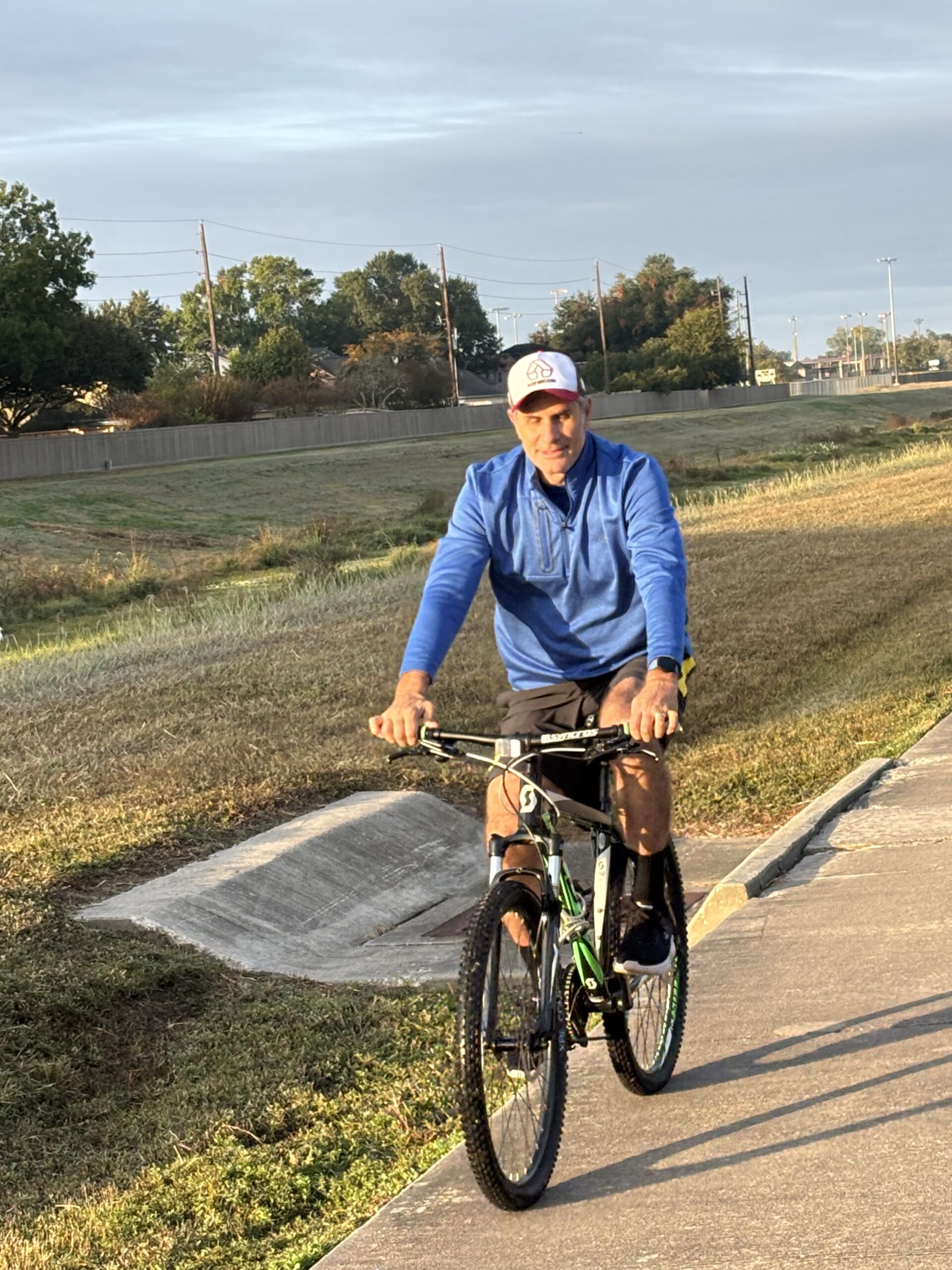
If you’re looking for a fun, low-impact way to strengthen your heart—especially after completing cardio rehab—mountain biking on park trails might just become your new favorite workout.

Whether you’re cruising through wooded paths or rolling over gentle hills, trail riding gives you all the benefits of steady-state cardio without the pounding impact of running or other high-stress exercises.

Why Mountain Biking Supports Cardiovascular Health

✔ Great for Steady-State Cardio
Riding at a comfortable, steady pace keeps you in your fat-burning and aerobic training zones. This is the sweet spot where your body burns the most calories safely, strengthens your heart, and boosts metabolic efficiency.

✔ Enhances Circulation and Blood Flow
The consistent pedal motion helps improve blood flow throughout the entire body, feeding your muscles and heart with the oxygen they need to thrive.

✔ Low-Impact, Joint-Friendly Exercise
Mountain biking puts far less stress on your joints than jogging or high-impact exercise. This makes it ideal not only for post-rehab cardio, but also for long-term heart-healthy living.

✔ Excellent Cross-Training
If you normally walk, jog, or lift weights, biking mixes things up and avoids the repetitive stress of doing the same movements day after day. Your body loves variety—and it rewards you with better conditioning.

The above benefits of mountain biking at a steady-state of cardiovascular endurance (around 60% – 80% of your maximum heart rate) are great, but walking at this same intensity level will burn more calories at 20% – 30% more.  However, sometimes the advantages of doing something different in another environment outweighs calorie burning.  Just something to consider . . . 

Of course if you choose to workout on a mountain bike at the anaerobic level (above 85% of your maximum heart rate), you will burn many more calories than walking with high intensity interval training.  However, this won’t be a good option for those going through post rehab cardio training.


Safety Tips for a Better Ride

Keeping your rides safe and productive is just as important as the workout itself. Here are a few essentials:

👉 Warm Up First
Spend 5–10 minutes moving your body, practicing gentle pedal strokes, and getting your heart rate up gradually.

👉 Stretch Before and After
Focus on your hips, quads, hamstrings, and lower back to keep your muscles loose and reduce the chance of strain.

👉 Track Your Heart Rate
A heart-rate-monitor watch is a great tool—especially if you’re watching your training zones after rehab. It helps ensure you’re riding at a safe, effective intensity.

👉 Stick to Established Trails
Avoid busy streets and traffic. Park trails are safer, smoother, and designed for recreational cycling. Plus, nature is a great stress reliever!

👉 Hydrate & Fuel Up
Bring water and a light snack. Even steady-state cardio burns energy faster than most people realize.


Ready to Take Your Fitness to the Next Level?

If you’re looking for personalized support—especially after a heart health wake-up call—my virtual fitness and nutrition coaching is designed to help you rebuild strength, burn fat safely, and stay motivated with expert guidance.

Visit www.cidafitness.com to get started today.
Let’s build a stronger, healthier you—one ride at a time.


Unlock Better Heart Health With a Daily Red Drink


If you’ve been hearing about “red drinks” and wondering why everyone’s talking about them, you’re in the right place. These colorful blends of berries, beets, and other red-pigmented superfoods aren’t just pretty — they’re packed with nutrients that love your heart as much as you   I have occasionally drank a red drink throughout years, but nowadays since I am recovering from a heart attack (just 3 months ago), I have one every day.


❤️ Why Red Drinks Are So Good for Your Heart

They aren’t a miracle cure, but they are a delicious and simple way to give your cardiovascular system daily support.

Here’s what they can do for you:

✅ Support Healthy Blood Flow

Ingredients like beetroot and pomegranate naturally boost nitric oxide (NO) — a compound that relaxes and opens your blood vessels for smoother circulation and lower blood pressure.

✅ Boost Endurance & Energy

More nitric oxide = more oxygen delivered to your muscles. You’ll feel more energized and recover faster from workouts or daily activity.

✅ Reduce Oxidative Stress

Red fruits and veggies are full of antioxidants that help protect your arteries and support long-term heart health.


🍓 The Heart-Healthy All-Stars Inside Red Drinks

You’ll often find these powerful ingredients blended together:

  • Blueberries – protect arteries with anthocyanins

  • Blackberries – fight inflammation

  • Açaí Berry – loaded with antioxidants and healthy fats

  • Pomegranate – enhances nitric oxide production

  • Beetroot – rich in natural nitrates for circulation

  • Tart Cherry – supports recovery and heart function

  • Red Grapes/Resveratrol – promotes healthy cholesterol balance

Each scoop delivers the colorful compounds your body thrives on.


⚡ What Is Nitric Oxide (NO)?

Think of nitric oxide as your body’s natural “blood-flow booster.”
When your body converts plant nitrates from foods like beets and pomegranates into NO, your vessels relax and widen — improving oxygen delivery and overall cardiovascular performance.

More NO =
💪 Better endurance
🫀 Lower blood pressure
🧠 Sharper focus
💨 Easier breathing during exercise

Since my 2 sons Marcos and Gabriel play college soccer and must compete at a high level with a lot of cardiovascular endurance demands, having a red drink is a secret weapon to initiate more NO.


🧘 A Realistic Approach to Heart Health

While red drinks are a great addition, they’re not a cure for blocked arteries.
To truly protect your heart:

🥗 Follow a Mediterranean-style diet (lots of veggies, olive oil, fish, beans, whole grains)
💊 Take medications prescribed by your doctor as needed
🚶 Exercise regularly
😌 Manage stress and get quality sleep

A balanced lifestyle + smart nutrition choices = long-term heart vitality.


💬 Ready to Strengthen Your Heart & Health?

If you want expert help putting it all together—fitness, nutrition, and daily heart-smart habits—I’d love to guide you.

🎯 Start your virtual fitness & nutrition coaching today:
👉 www.cidafitness.com

Let’s make your heart health a lifestyle—not a temporary goal. ❤️

Eating the Brazilian Way for Better Healtlh

There’s something magnetic about Brazil.

It’s not just the beaches, the music, or the rhythm of life—it’s the way people live.

I recently went on my 9th trip to Brazil, and already just a few weeks later, I want to go back.  I guess I’ll have to wait until I retire until I can spend more than 2 weeks at a time per visit.

If you’ve ever sat down for a meal in Brazil, you’ll notice something immediately: nobody’s in a rush. Meals are social, often shared with family or friends, and filled with color, flavor, and laughter. And as it turns out, that same joy at the table is one of the reasons Brazilians are among the healthiest and most beautiful people in the world.

When Cida and I and our big list of extended relatives and friends went to a Churrascaria (Brazilian Steakhouse), I kind of knew what to expect . . .  tons of food, spectacular salad bar, and a never-ending supply of steaks, chicken, and seafood.  But what amazed me was that the restaurant was full to capacity with every single seat being occupied, and there was a waiting line of around 50 people.  The interesting thing that I noticed was that everyone in the entire restaurant was having a great time, even though they didn’t know each other.  If a person was depressed or had lots of anxiety, I’m sure it would go away.  Click HERE to watch this brief 20-second video clip of what I’m talking about.

The secret isn’t found in a fad diet or a supplement—it’s in the country’s deeply rooted food culture.


Why Brazilian Food Is So Healthy

Brazil’s traditional way of eating has remarkable similarities to the Mediterranean Diet, often cited as the world’s healthiest. The difference? Brazilian meals come with a tropical flair—and a cultural rhythm that celebrates both nourishment and connection.

A typical Brazilian diet emphasizes:

  • Fresh vegetables and fruits (many exotic to the rest of the world)

  • Beans and legumes—the cornerstone of most meals

  • Rice (often paired with beans for a perfect protein balance)

  • Fish, chicken, and lean meats cooked simply with olive oil, herbs, and lime

  • Minimal processed foods, with a preference for cooking from scratch

The picture above is the meal that I ate at the Brazilian Churrascaria.  Notice the healthy items of greens, rice/beans, sushi, potatoes, and ceviche;  kind of resembles the Mediterranean Diet if you plan it right. This is the type of food I ate during my entire stay in Brazil considering my health condition after a heart attack a few months ago.

It’s this simple, balanced approach that has given Brazil excellent public health statistics compared to many Western countries. The traditional diet naturally helps control cholesterol, improve digestion, and support a healthy heart.

And perhaps not coincidentally—Brazilians are consistently recognized for their strong, vibrant physiques and natural beauty.  They are also pretty good in soccer too!  It’s not vanity; it’s vitality.


The Staples of Brazilian Eating

In Brazil, food is life. And every meal reflects that balance between nourishment and pleasure.

Common daily staples include:

  • Rice and beans (arroz e feijão) — the classic duo that appears in almost every home

  • Fresh tropical fruits like papaya, mango, açaí, passion fruit, and guava

  • Grilled fish or chicken seasoned simply with garlic and lime

  • Salads of tomato, lettuce, and hearts of palm, often dressed with olive oil and vinegar

  • Vegetables like kale, collard greens, and pumpkin

  • Cassava and plantains, both nutritious and versatile

And yes, a small glass of red wine at dinner is common for many adults—when approved by their doctor, it can be heart-healthy and even relaxing.


The Brazilian Way of Eating

In Brazil, food isn’t just fuel—it’s connection. People make time to eat together. Families gather around the table, and lunch (not dinner) is often the biggest meal of the day.

There’s no “eating on the go,” no gulping meals between meetings. Instead, meals are savored. It’s this mindful approach that helps digestion, reduces overeating, and keeps stress low.

Eating is a leisure experience, not a chore. That alone is a powerful shift in mindset for better health.


Sample 7-Day “Eat Like a Brazilian” Meal Plan

Day 1

  • Breakfast: Papaya with lime and a slice of whole-grain toast with white cheese

  • Lunch: Grilled chicken, rice and black beans, sautéed kale

  • Dinner: Baked fish with vegetables, small glass of red wine

Day 2

  • Breakfast: Smoothie with açaí, banana, and oats

  • Lunch: Shrimp with coconut milk, rice, and fresh salad

  • Dinner: Lentil soup and fruit salad

Day 3

  • Breakfast: Mango and a handful of Brazil nuts

  • Lunch: Rice, beans, grilled tilapia, and mixed vegetables

  • Dinner: Tomato and hearts-of-palm salad, slice of cassava bread

Day 4

  • Breakfast: Coffee with milk, tapioca crepe with banana

  • Lunch: Beef stir-fry (small portion) with beans and green salad

  • Dinner: Vegetable stew and grilled plantains

Day 5

  • Breakfast: Yogurt with granola and passion fruit

  • Lunch: Chicken with okra, rice, and beans

  • Dinner: Vegetable soup and small piece of fresh cheese

Day 6

  • Breakfast: Guava and black coffee

  • Lunch: Baked fish with cassava purée

  • Dinner: Tomato salad with olive oil and a slice of avocado

Day 7

  • Breakfast: Papaya bowl with oats and honey

  • Lunch: Feijoada (light version) with collard greens and orange slices

  • Dinner: Grilled chicken and vegetable medley


The Dark Side (and How to Avoid It)

Of course, modern Brazil has its temptations. American fast-food chains have taken root, caipirnha’s (alcoholic drink with a lot of sugar) red meat consumption can get excessive, and the irresistible bakeries—selling pastries and coxinha (fried cheese and chicken croquettes)—can make self-control tough (Cida in the photo below contemplating whether or not to order a Brazilian pastry).

But that’s the point: it’s about balance. You can enjoy the occasional treat without losing the essence of the Brazilian approach—real food, shared meals, and moderation.

Eat smart. Savor slowly. Move often.

When you do, your health reflects the same vibrant energy that Brazil is known for.


PS: If you’d like a personalized nutrition and fitness plan built around the Brazilian way of eating—healthy, flavorful, and sustainable—I offer virtual coaching across Brazil and all of Latin America at a very reasonable fee.
Reply with “BRAZILIAN FIT” and I’ll send you details and a free starter guide.