

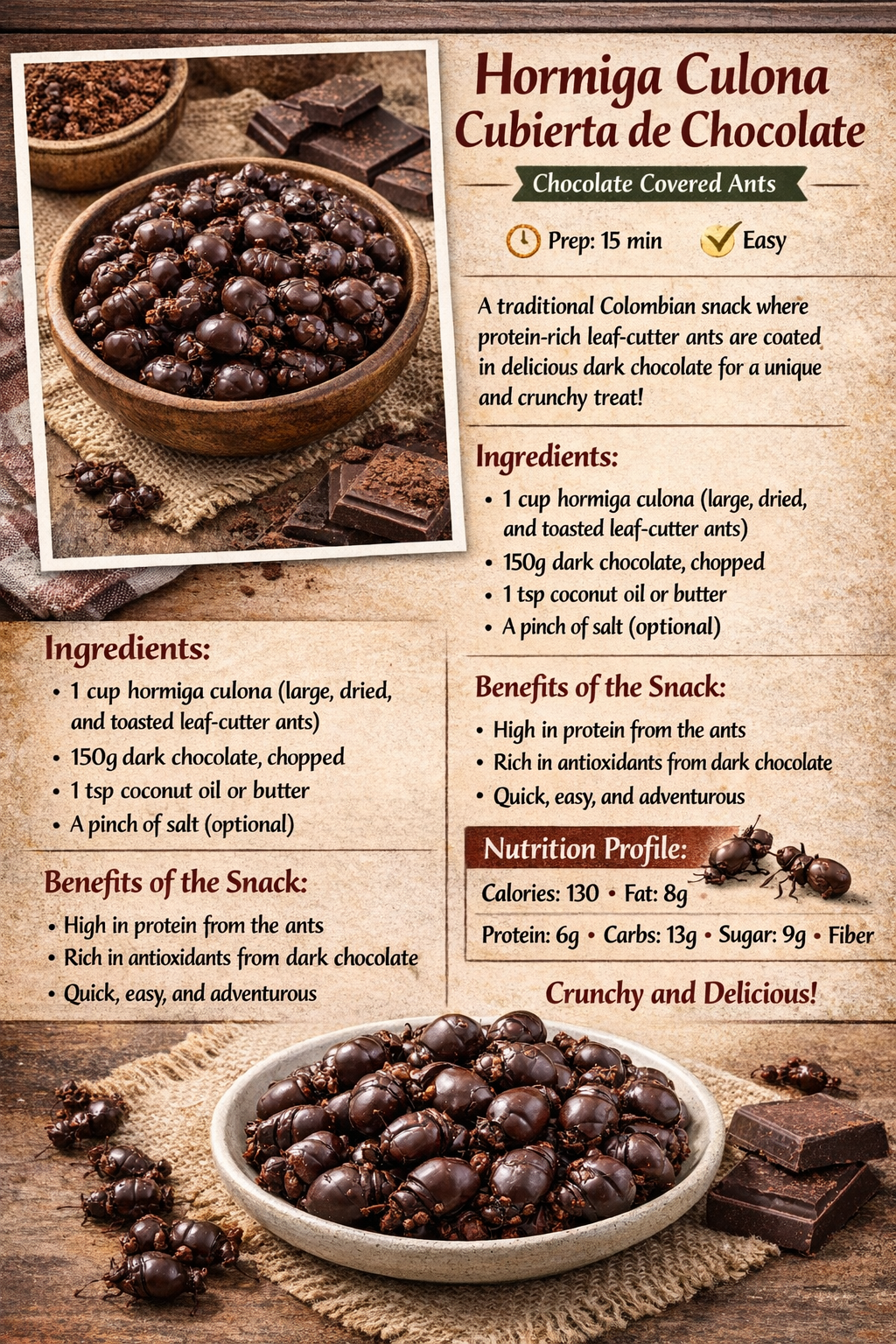
Colombian “Hormigas Culonas”: A Bold, Nutritious Tradition Worth Trying
If you’ve followed my work at CIDA Fitness, you know I appreciate traditional foods that combine culture, simplicity, and solid nutrition. One of the most unique snacks I grew up knowing about comes straight from my family roots in Bucaramanga, Colombia: hormigas culonas — literally “big-bottomed ants.”
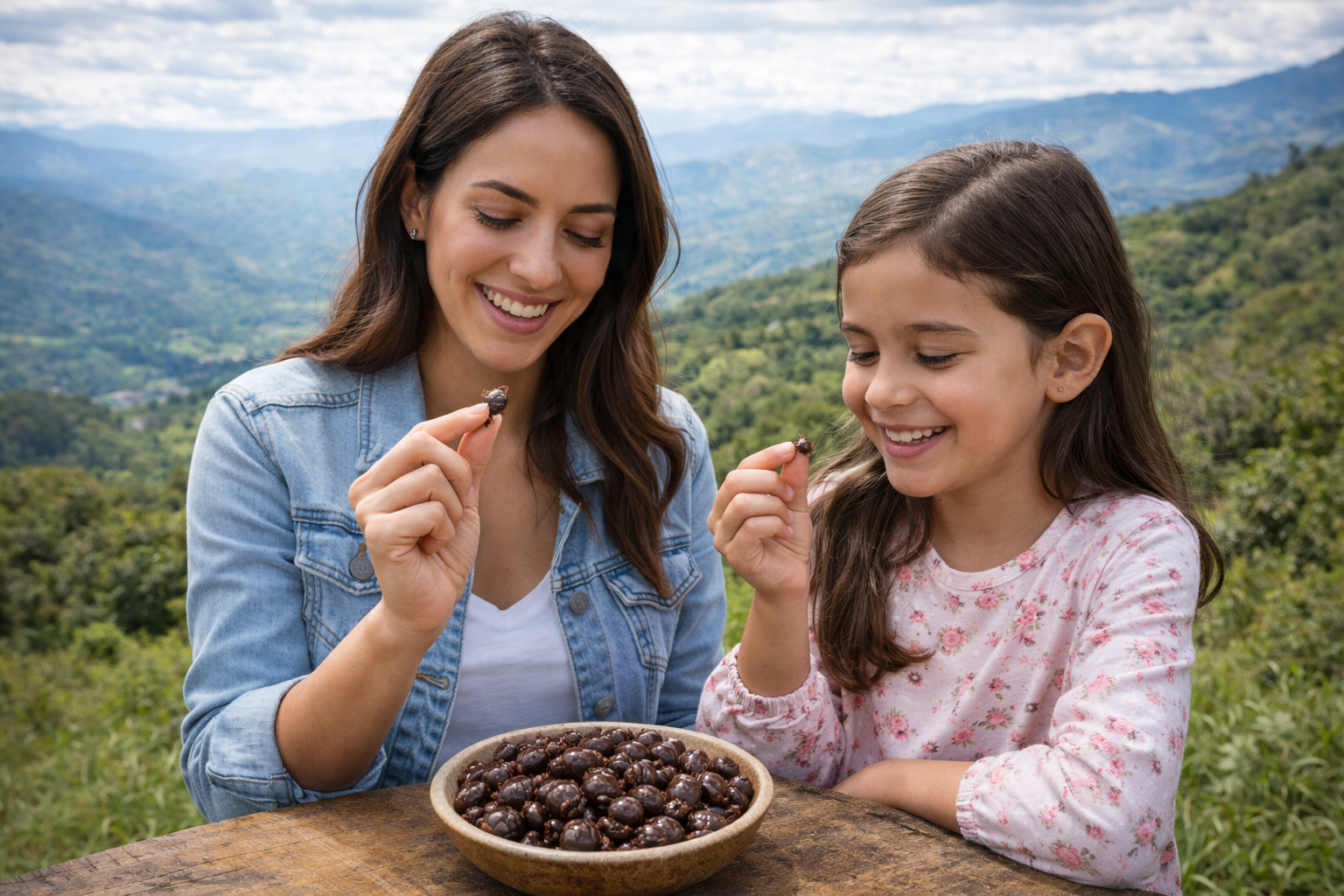
My mother is from Bucaramanga, and that’s how I first learned about this tradition. When visiting relatives in Colombia as a kid, I remember occasionally enjoying this crunchy snack with family. At first, the idea sounded adventurous. But once you taste them — toasted, lightly salted, and nutty — you understand why this has been a regional delicacy for generations.
Let’s talk about the history, culture, and yes — the nutrition.
What Are Hormigas Culonas?
Hormigas culonas are large leaf-cutter ants harvested primarily in the Santander region of Colombia. They are traditionally toasted in clay pots with salt and sometimes a little oil. The result? A crispy, earthy, slightly smoky snack with a surprisingly pleasant flavor profile.
They’re not an everyday food — they’re seasonal and special.
The Seasonal Harvest Tradition
Each year during the rainy season — typically March and April — the winged queen ants emerge from their colonies for mating flights. This is when locals in and around Bucaramanga collect them.
The tradition goes back centuries, even to pre-Columbian Indigenous communities. Families often gather together to collect, prepare, and roast the ants. It’s a community experience — part food, part celebration, part heritage.
Because of their limited seasonal availability, hormigas culonas are considered something of a prized treat rather than a daily snack.
From Santander to New York City
What was once a regional Colombian specialty has made its way onto gourmet menus. In recent years, chefs in New York City have featured hormigas culonas as a delicacy in high-end restaurants.
Due to their rarity and the labor involved in harvesting them, prices can reach approximately $80–$120 per pound in specialty markets or gourmet import shops in the United States. That price reflects their seasonal nature and growing global demand.
Nutritional Profile (Per 1 oz / 28g toasted ants, approximate)
Hormigas culonas are surprisingly nutrient-dense.
-
Calories: ~150
-
Protein: ~13g
-
Fat: ~9g
-
Carbohydrates: ~2g
-
Sugar: 0g
-
Fiber: ~1–2g
Why They’re Considered Healthy (In Moderation)
-
High-Quality Protein
With around 13 grams of protein per ounce, they offer a dense source of amino acids — comparable gram-for-gram to some traditional animal proteins. -
Healthy Fats
Much of the fat content comes from unsaturated fats, contributing to satiety and energy. -
Low Carbohydrate & Zero Sugar
For individuals managing blood sugar or aiming for metabolic health, this makes them an interesting snack option. -
Micronutrients
Insects naturally contain minerals such as iron and zinc, both important for immune function and oxygen transport.
Of course, this isn’t something you eat daily. But as an occasional traditional snack, it’s both culturally rich and nutritionally respectable.
Cultural Meaning Beyond Nutrition
Food connects us to identity. For me, knowing that my mother grew up in Bucaramanga and that I was introduced to hormigas culonas during family visits gives this snack deeper meaning.
It reminds me that “healthy eating” isn’t just about macros and micronutrients. It’s about tradition, community, and remembering where you come from.
Final Thoughts
Would I recommend eating ants every day? No.
Would I say they’re a delightful, protein-rich, culturally meaningful snack when enjoyed occasionally? Absolutely.
Sometimes the healthiest thing you can do is embrace whole, traditional foods that have stood the test of time. Hormigas culonas from Bucaramanga are a perfect example — seasonal, nutrient-dense, and rooted in heritage.
And if you ever find yourself in Santander during harvest season, don’t be afraid to try one. You might be surprised.
Colombian Chocolate Covered Ants
Nothing Beats Liver
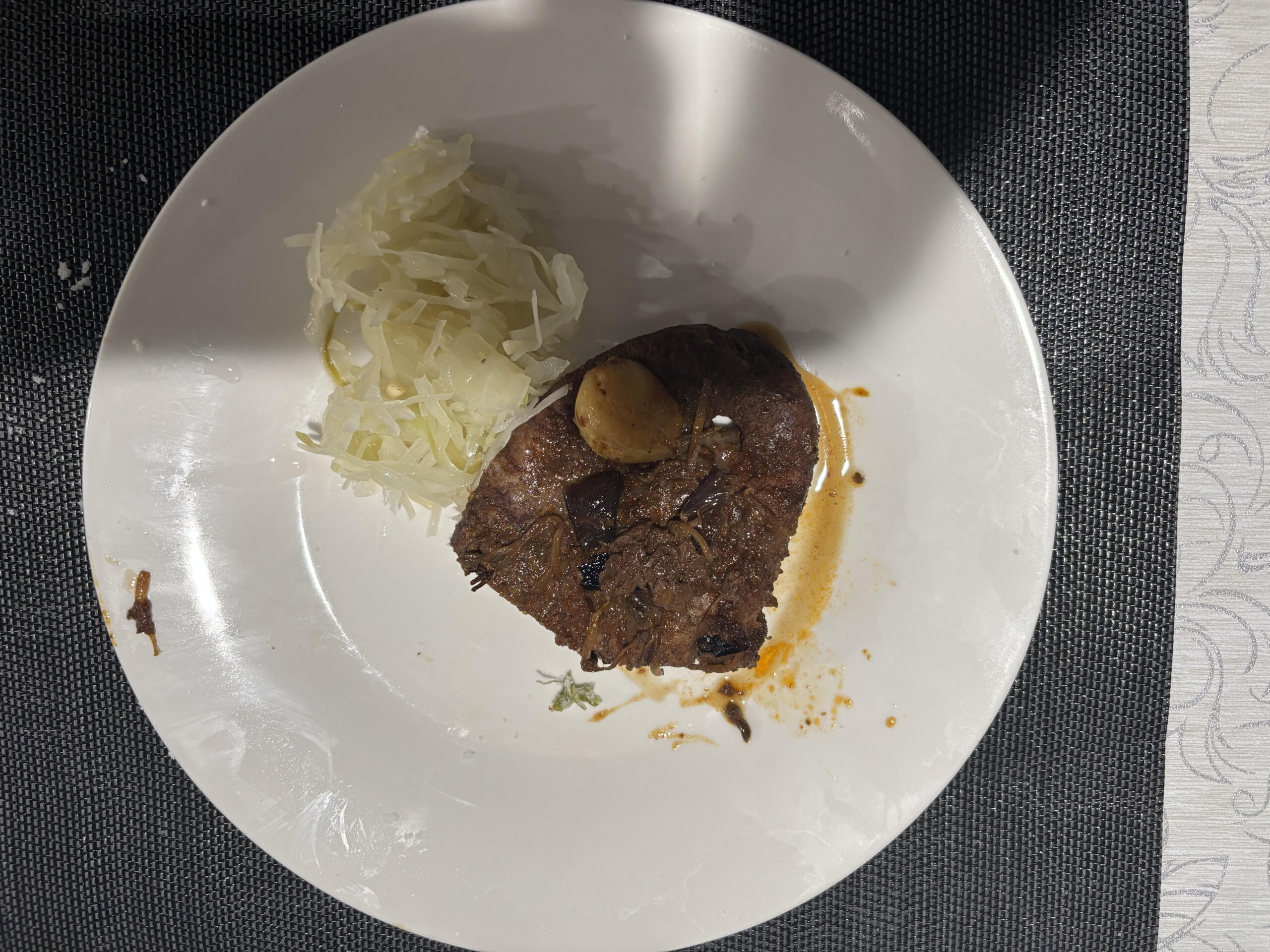
The other day I sent my son, Marcos, a text with a picture of beef liver and sauerkraut that I had just finished preparing as a meal. He said, “what in the world in that? It does not look too appealing.”
I told him that beef liver as well as sauerkraut are some of the most nutritionally dense foods you can eat, especially for someone recovering from a heart attack or a college soccer athlete.

You see, beef liver is like a powerhouse multivitamin that delivers more nutrients than the majority of other foods, but in a very absorbable whole food form. Here’s the breakdown:
- Vitamin B Support (B6, B12, Folate) – supports red blood cell production; helps oxygen delivery throughout the body; good for nerve health; and aids in energy levels. (this is especially important after a heart attack when oxygen efficiency and cellular energy are compromised).
- Vitamin A – supports immune function and tissue repair; helps regulate inflammation (this is
very important); and assists with healthy blood vessel lining. (this is important for healing
arterial tissue after damage, which is the main strategy to heal your body after a cardio event). - CoQ10 – essential for heart muscle energy production; supports mitochondrial production. (the heart is one of the most energy-demanding organs in the body, and CoQ10 is often significantly reduced or totally depleted after a heart attack, and especially with statin use. Most doctors won’t tell you this little detail, so it’s important to consume beef liver on a regular basis (one or twice every 2 weeks) and to aggressively supplement with CoQ10 (around 200 – 300 mg per day). Otherwise, you will feel very tired every day.
- Iron – improves oxygen transport; enhances stamina and recovery; and prevents anemia-related fatigue (remember, better oxygen delivery = less strain on the heart during healing). Doing breathing exercises significantly helps in this area too.
- Copper & Zinc Balance – Copper supports blood vessel elasticity and collagen formation; Zinc helps with immune function, wound healing, and testosterone production. (these 2 mightly minerals help maintain strong, flexible arteries).
- Choline – supports liver detoxification (this is important since statin use causes inflammation to the liver); helps manage homocysteine levels (a cardiovascular and inflammation risk marker); and it’s important for heart and brain recovery. (this is critically important since statin use has been known to cause brain fog and other cognitive issue and inflammation to the liver). And again, most doctors won’t mention this to you either.
- Protein & Amino Acids – provides glycine and methionine; supports muscle repair and connective tissue health. (this is very important to rebuild tissues and supports metabolic stability). Athletes will find beef liver appealing because it will have a different amino acid profile compared to red meat, chicken, and fish. It’s good for variety of amino acids.
In summary, consuming beef liver on a regular basis (once per week) after a cardio event
or for athletic training, it will help you with enhancing cellular energy, oxygen delivery and efficiency, tissue and arterial repair, mental clarity and better mood, and helps calm chronic inflammation.
And here’s one of the best benefits of beef liver . . . it is way cheaper to purchase than steak, chicken, lamb, or fish. This is a good thing since the prices of groceries have become outrageous in the past few years.
Additionally, preparing beef liver is important too; many people complain it is hard to eat because of the bad taste. I simply add lots of spices, such as pepper, salt, and paprika. You can even mix a little ground beef to harmonize the flavor. A good side dish is any type of fibrous carb, like spinach or broccoli. Sauerkraut is also an excellent side dish since it is a fermented food and is very beneficial to your gut health.
Remember, eating beef liver on a regular basis isn’t about being extreme — it’s about giving your body the nutrients it needs to heal well. When done intentionally, and rotating with other superfoods like sardines and salmon, it can be a powerful strategy in heart recovery, long-term wellness, and athletic performance.
Eating the Brazilian Way for Better Healtlh
There’s something magnetic about Brazil.
It’s not just the beaches, the music, or the rhythm of life—it’s the way people live.
I recently went on my 9th trip to Brazil, and already just a few weeks later, I want to go back. I guess I’ll have to wait until I retire until I can spend more than 2 weeks at a time per visit.
If you’ve ever sat down for a meal in Brazil, you’ll notice something immediately: nobody’s in a rush. Meals are social, often shared with family or friends, and filled with color, flavor, and laughter. And as it turns out, that same joy at the table is one of the reasons Brazilians are among the healthiest and most beautiful people in the world.
When Cida and I and our big list of extended relatives and friends went to a Churrascaria (Brazilian Steakhouse), I kind of knew what to expect . . . tons of food, spectacular salad bar, and a never-ending supply of steaks, chicken, and seafood. But what amazed me was that the restaurant was full to capacity with every single seat being occupied, and there was a waiting line of around 50 people. The interesting thing that I noticed was that everyone in the entire restaurant was having a great time, even though they didn’t know each other. If a person was depressed or had lots of anxiety, I’m sure it would go away. Click HERE to watch this brief 20-second video clip of what I’m talking about.
The secret isn’t found in a fad diet or a supplement—it’s in the country’s deeply rooted food culture.
Why Brazilian Food Is So Healthy
Brazil’s traditional way of eating has remarkable similarities to the Mediterranean Diet, often cited as the world’s healthiest. The difference? Brazilian meals come with a tropical flair—and a cultural rhythm that celebrates both nourishment and connection.
A typical Brazilian diet emphasizes:
-
Fresh vegetables and fruits (many exotic to the rest of the world)
-
Beans and legumes—the cornerstone of most meals
-
Rice (often paired with beans for a perfect protein balance)
-
Fish, chicken, and lean meats cooked simply with olive oil, herbs, and lime
-
Minimal processed foods, with a preference for cooking from scratch

The picture above is the meal that I ate at the Brazilian Churrascaria. Notice the healthy items of greens, rice/beans, sushi, potatoes, and ceviche; kind of resembles the Mediterranean Diet if you plan it right. This is the type of food I ate during my entire stay in Brazil considering my health condition after a heart attack a few months ago.
It’s this simple, balanced approach that has given Brazil excellent public health statistics compared to many Western countries. The traditional diet naturally helps control cholesterol, improve digestion, and support a healthy heart.
And perhaps not coincidentally—Brazilians are consistently recognized for their strong, vibrant physiques and natural beauty. They are also pretty good in soccer too! It’s not vanity; it’s vitality.
The Staples of Brazilian Eating
In Brazil, food is life. And every meal reflects that balance between nourishment and pleasure.
Common daily staples include:
-
Rice and beans (arroz e feijão) — the classic duo that appears in almost every home
-
Fresh tropical fruits like papaya, mango, açaí, passion fruit, and guava
-
Grilled fish or chicken seasoned simply with garlic and lime
-
Salads of tomato, lettuce, and hearts of palm, often dressed with olive oil and vinegar
-
Vegetables like kale, collard greens, and pumpkin
-
Cassava and plantains, both nutritious and versatile
And yes, a small glass of red wine at dinner is common for many adults—when approved by their doctor, it can be heart-healthy and even relaxing.
The Brazilian Way of Eating
In Brazil, food isn’t just fuel—it’s connection. People make time to eat together. Families gather around the table, and lunch (not dinner) is often the biggest meal of the day.
There’s no “eating on the go,” no gulping meals between meetings. Instead, meals are savored. It’s this mindful approach that helps digestion, reduces overeating, and keeps stress low.
Eating is a leisure experience, not a chore. That alone is a powerful shift in mindset for better health.
Sample 7-Day “Eat Like a Brazilian” Meal Plan
Day 1
-
Breakfast: Papaya with lime and a slice of whole-grain toast with white cheese
-
Lunch: Grilled chicken, rice and black beans, sautéed kale
-
Dinner: Baked fish with vegetables, small glass of red wine
Day 2
-
Breakfast: Smoothie with açaí, banana, and oats
-
Lunch: Shrimp with coconut milk, rice, and fresh salad
-
Dinner: Lentil soup and fruit salad
Day 3
-
Breakfast: Mango and a handful of Brazil nuts
-
Lunch: Rice, beans, grilled tilapia, and mixed vegetables
-
Dinner: Tomato and hearts-of-palm salad, slice of cassava bread
Day 4
-
Breakfast: Coffee with milk, tapioca crepe with banana
-
Lunch: Beef stir-fry (small portion) with beans and green salad
-
Dinner: Vegetable stew and grilled plantains
Day 5
-
Breakfast: Yogurt with granola and passion fruit
-
Lunch: Chicken with okra, rice, and beans
-
Dinner: Vegetable soup and small piece of fresh cheese
Day 6
-
Breakfast: Guava and black coffee
-
Lunch: Baked fish with cassava purée
-
Dinner: Tomato salad with olive oil and a slice of avocado
Day 7
-
Breakfast: Papaya bowl with oats and honey
-
Lunch: Feijoada (light version) with collard greens and orange slices
-
Dinner: Grilled chicken and vegetable medley
The Dark Side (and How to Avoid It)
Of course, modern Brazil has its temptations. American fast-food chains have taken root, caipirnha’s (alcoholic drink with a lot of sugar) red meat consumption can get excessive, and the irresistible bakeries—selling pastries and coxinha (fried cheese and chicken croquettes)—can make self-control tough (Cida in the photo below contemplating whether or not to order a Brazilian pastry).
But that’s the point: it’s about balance. You can enjoy the occasional treat without losing the essence of the Brazilian approach—real food, shared meals, and moderation.
Eat smart. Savor slowly. Move often.
When you do, your health reflects the same vibrant energy that Brazil is known for.
PS: If you’d like a personalized nutrition and fitness plan built around the Brazilian way of eating—healthy, flavorful, and sustainable—I offer virtual coaching across Brazil and all of Latin America at a very reasonable fee.
Reply with “BRAZILIAN FIT” and I’ll send you details and a free starter guide.