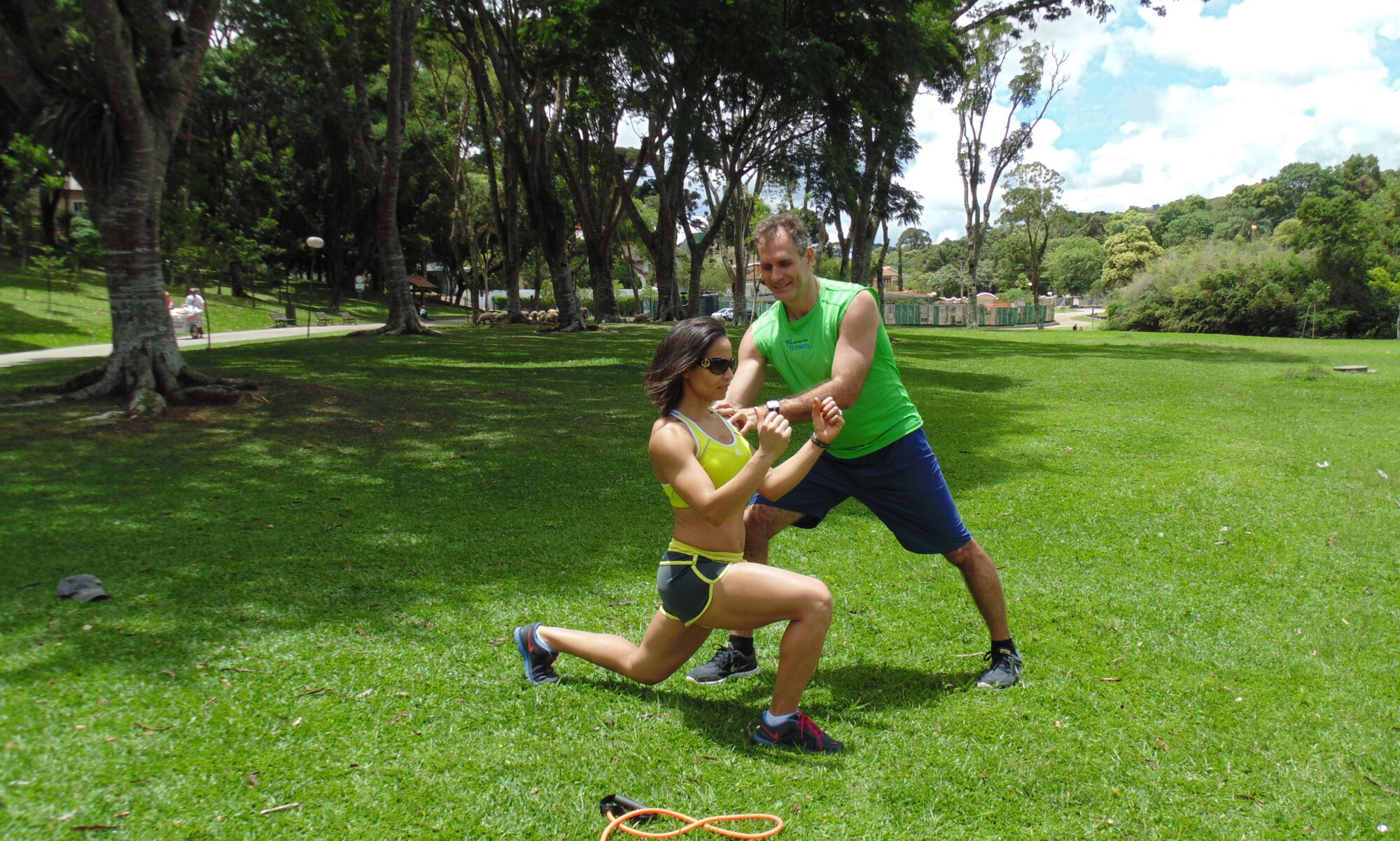
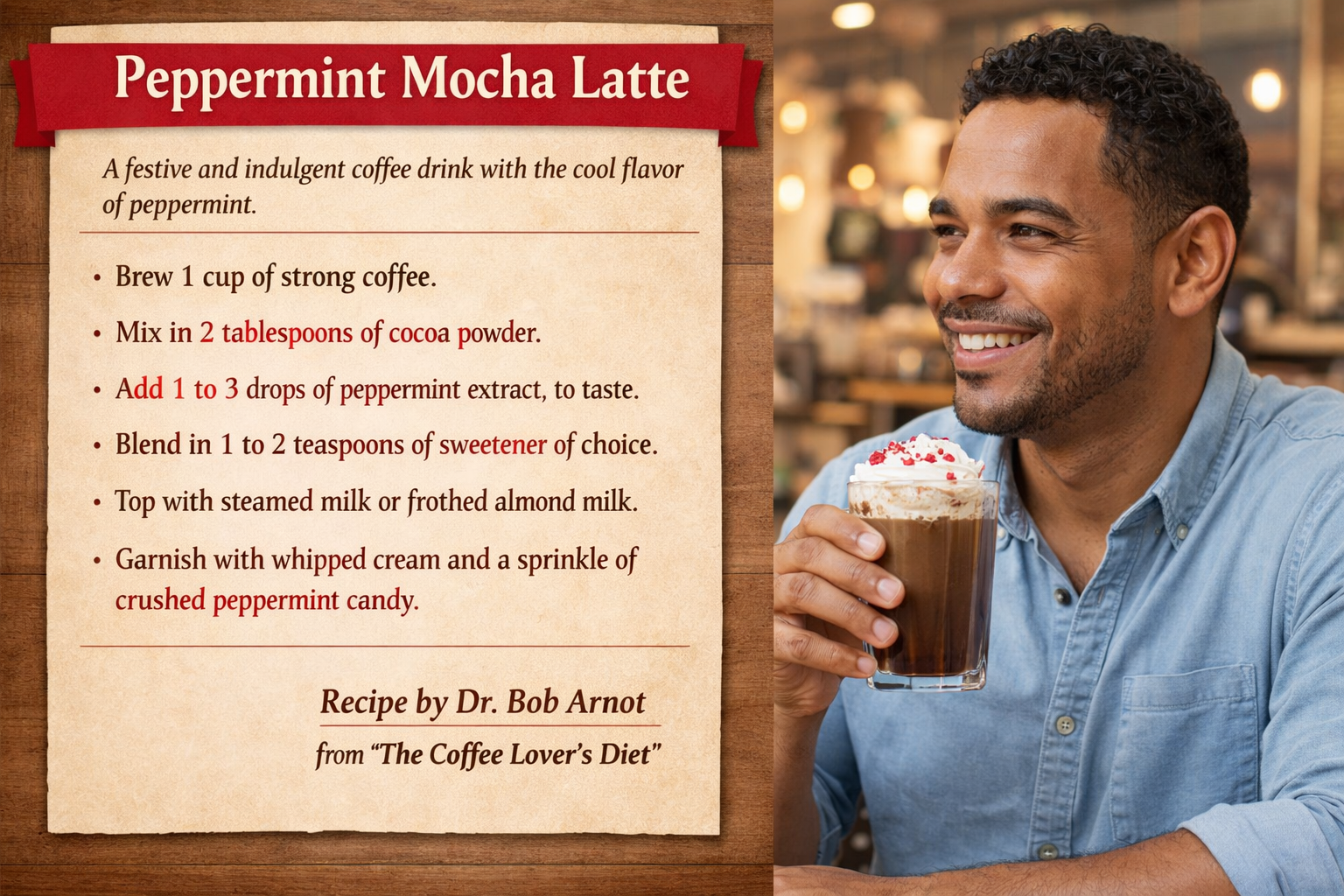
Peppermint Mocha Latte Recipe
Healthy Fats: Why Your Body (and Taste Buds) Thrive on Them

Let me talk to you the same way I would if we were all hanging out in my living room, maybe with a good cup of coffee in hand. For years, fats got a bad reputation—but the truth is, the right fats are not the enemy. In fact, they’re essential for your health, your energy, and even how you feel day to day.
Let’s break this down in a simple, practical way so you can confidently include healthy fats in your daily routine.
Why Healthy Fats Matter So Much
Healthy fats play a huge role in your body. When you consistently consume the right types, you’re supporting:
- Cellular health – Your cells are literally built with fat
- Hormonal balance – Key for energy, metabolism, and overall well-being
- Brain function – Your brain is nearly 60% fat
- Reduced inflammation – Critical for long-term health and disease prevention
- Heart health – Yes, fats can actually help your cardiovascular system when chosen wisely
If you’re trying to feel better, perform better, and age well—this is non-negotiable.
Understanding the Types of Healthy Fats
Let’s simplify the science without making it boring.
1. Monounsaturated Fats (Your Everyday Go-To)
These are heart-healthy fats that help reduce inflammation and support cholesterol balance.
Great sources:
- Olive oil (especially extra virgin)
- Avocados
- Almonds, cashews, and macadamia nuts

2. Saturated Fats (Quality Matters Here)
These have been controversial, but high-quality saturated fats can absolutely be part of a healthy diet.
Best sources:
- Coconut oil
- Grass-fed butter
- Ghee (clarified butter)
- MCT oil (medium-chain triglycerides for quick energy)
The key: focus on quality. Grass-fed, minimally processed, and natural sources are what you want.
Don’t Forget Omega-3 Fats
Omega-3s are essential fats your body can’t produce on its own, and they’re incredibly powerful for reducing inflammation.
Top sources:
- Sardines
- Wild-caught salmon
- Mackerel
These are especially important if you’re focused on heart health and recovery.
Yes… Bulletproof Coffee Can Fit
Every now and then, it’s perfectly fine to enjoy a bulletproof coffee—a blend of coffee, grass-fed butter, and MCT oil.
It can:
- Provide steady energy
- Help with mental clarity
- Keep you full longer
Just don’t overdo it—think of it as a tool, not a daily necessity.

Fats to Avoid (This Is Huge)
Now let’s talk about the ones doing real damage.
Highly processed fats and industrial seed oils are strongly linked to:
- Chronic inflammation
- Heart disease
- Metabolic issues
Limit or avoid:
- Vegetable oil
- Soybean oil
- Corn oil
- Canola oil (highly processed versions)
- Margarine and hydrogenated oils
- Deep-fried fast foods
- Packaged snacks and baked goods
If your goal is to improve cardiovascular health and lower inflammation, this is one of the biggest upgrades you can make.
How Much Healthy Fat Do You Actually Need?
A good general guideline:
- 20–35% of your daily calories should come from healthy fats
For most active adults, that often looks like:
- 2–4 tablespoons of healthy oils (olive oil, coconut oil, etc.)
- A handful of nuts or seeds
- Fatty fish a few times per week
- Whole food sources like avocado
The exact amount can vary based on your goals (fat loss, muscle gain, performance), but consistency is key.
A Powerful Perspective on Fat and Inflammation
Andrew Weil, in his book Eating Well for Optimum Health, emphasizes the importance of choosing fats wisely as part of an anti-inflammatory diet:
“The kinds of fats you eat may be even more important than the total amount.”
That’s the game-changer right there.
Bringing It All Together
If you take nothing else from this, remember:
- Don’t fear fat—choose the right kinds
- Prioritize whole, natural sources
- Cut back on processed and inflammatory oils
- Include healthy fats daily, not occasionally
This isn’t about being perfect—it’s about being intentional.
Final Thought
If we were wrapping up this conversation at home, I’d tell you this:
Start simple. Add olive oil to your meals. Eat salmon a couple times a week. Snack on nuts instead of chips. Swap out processed oils for better ones.
These small shifts? They compound into real results—better energy, better health, and a stronger body over time.
If you want help dialing in your nutrition and building a plan that fits your lifestyle, that’s exactly what I do. Let’s take it to the next level together.
Hydration for Active Adults: Unlocking Energy, Performance, and Longevity
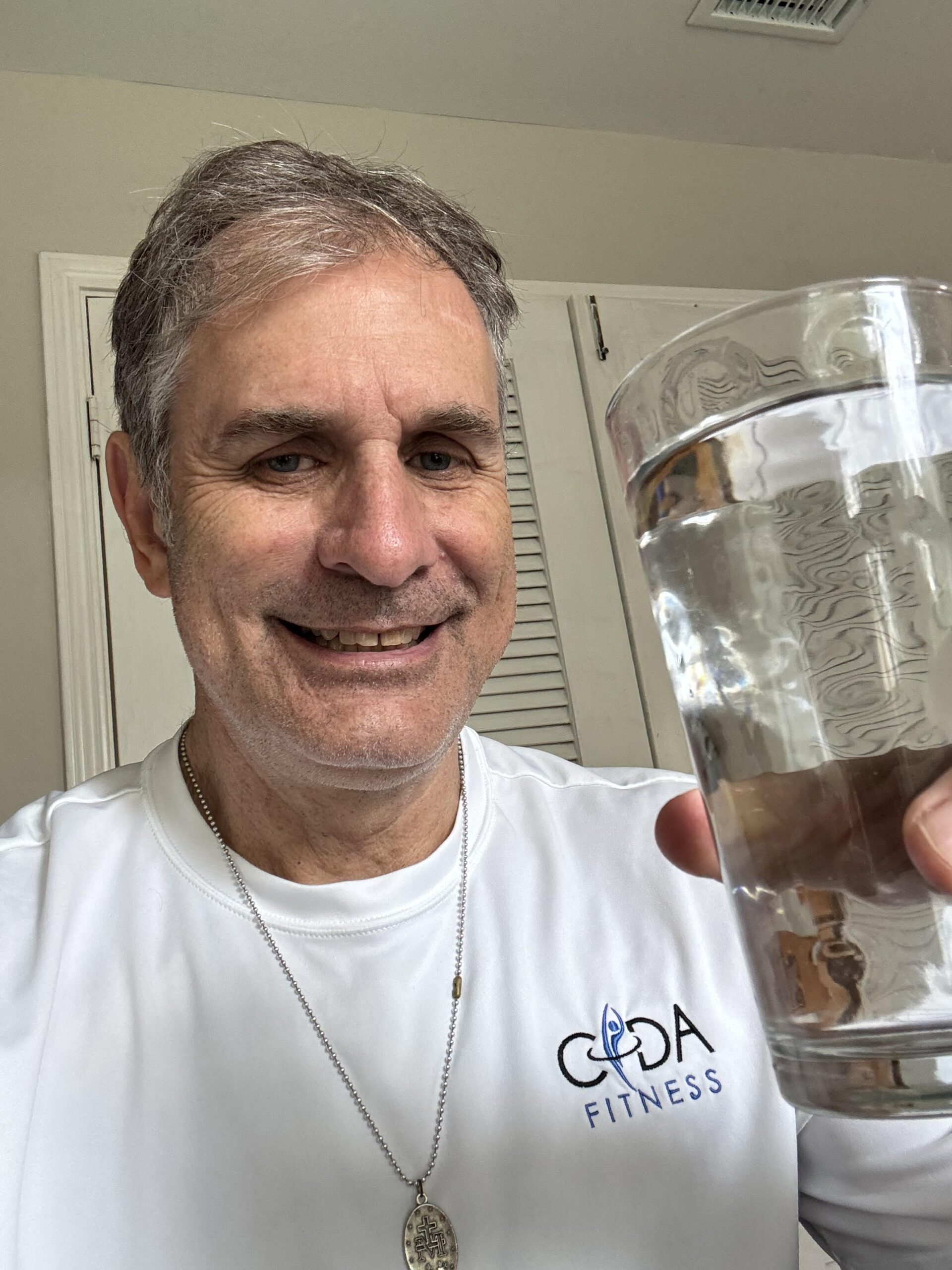
When it comes to fitness and nutrition, most people focus on protein, carbs, and supplements—but overlook one of the most powerful performance tools available:
Water.
If you are an active adult—training, coaching, or simply striving to stay fit—your hydration habits will either support your goals…or quietly sabotage them.
Why Hydration Matters More Than You Think
Your body is made up of about 60% water, and every major system depends on it. From regulating body temperature to delivering nutrients and oxygen to your muscles, hydration is essential for optimal function.
When you’re properly hydrated, you’ll notice:
- Better energy levels
- Improved strength and endurance
- Sharper mental focus
- Faster recovery
But when hydration drops—even slightly—performance drops with it.
What Happens When You Don’t Drink Enough?
Dehydration doesn’t just make you thirsty—it impacts your entire system.
Even mild dehydration can cause:
- Early fatigue during workouts
- Reduced strength and stamina
- Brain fog and poor concentration
- Muscle cramps
As dehydration worsens, your heart works harder, your body overheats faster, and your risk of heat exhaustion increases—especially in hot climates like Houston, Texas.
Bottom line: If you wait until you feel thirsty, you are already behind.
How Much Water Do You Really Need?
While needs vary, here’s a simple and effective guideline for active adults:
- Daily baseline: Half your body weight (lbs) in ounces of water
- Before workouts: 16–20 oz
- During workouts: 5–10 oz every 15–20 minutes
- After workouts: Replenish fluids lost through sweat
In hot, humid environments, you’ll need even more.
What Are the Best Types of Water?
Quality matters—but don’t overcomplicate it. The key is consistency.
Here are your best options:
- Spring Water: Naturally filtered and rich in trace minerals
- Filtered Water: Clean, accessible, and removes contaminants
- Mineral Water: Contains natural electrolytes
- Purified Water: Safe and widely available
For most people, filtered or spring water is an excellent daily choice.
Hydration Through Food: The Hidden Advantage
Here’s something many people overlook:
You can “eat” your water.
Fruits and vegetables are loaded with water and can significantly boost your hydration levels.
Aim for 8–9 servings daily, including:
- Watermelon
- Cucumbers
- Oranges
- Berries
- Leafy greens
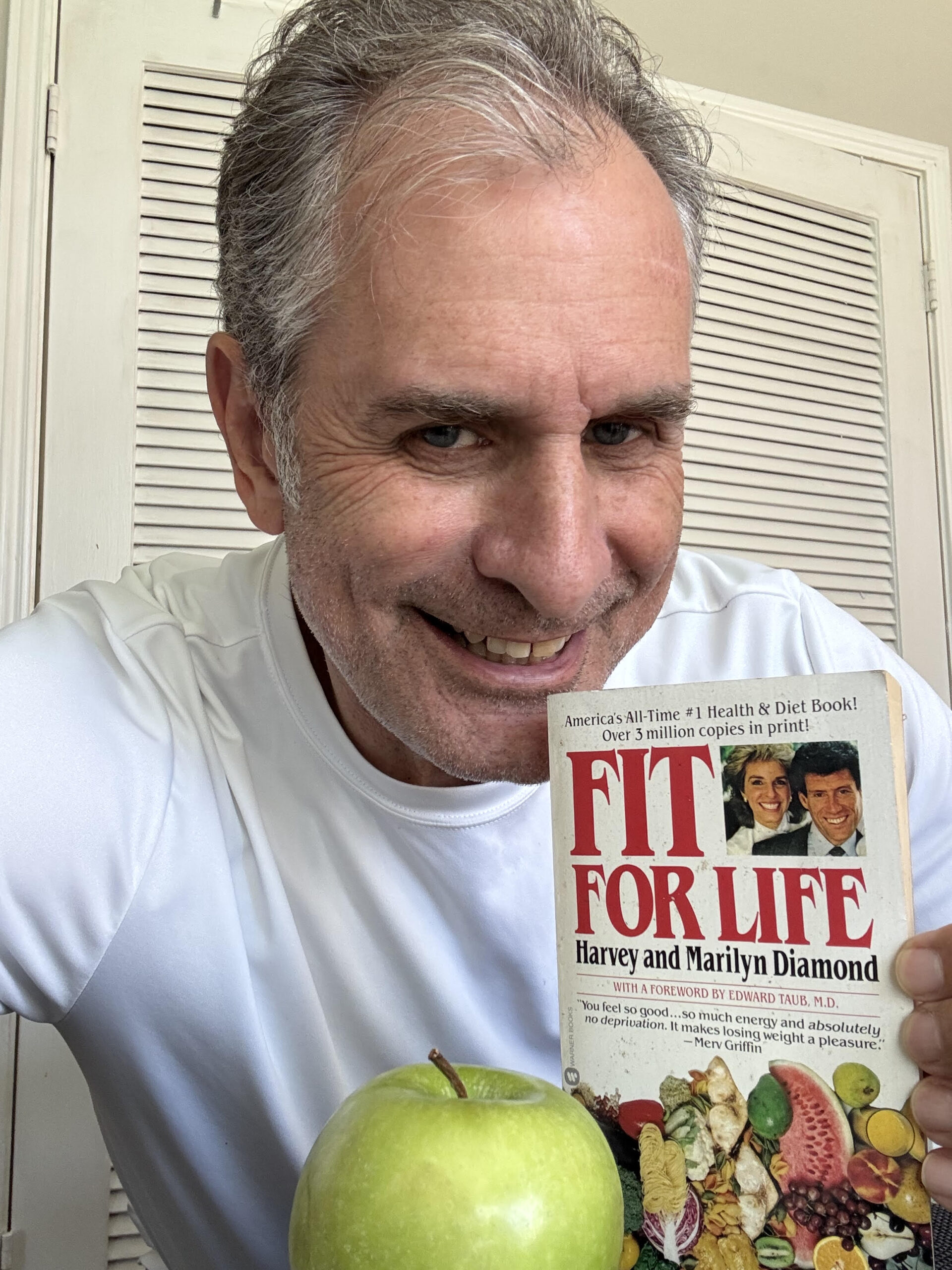
As Harvey Diamond, author of Fit for Life, explains:
“Fruits are the most water-rich foods we can eat.”
This is one of the simplest ways to improve hydration while also fueling your body with essential nutrients.
Expert Insight on Hydration
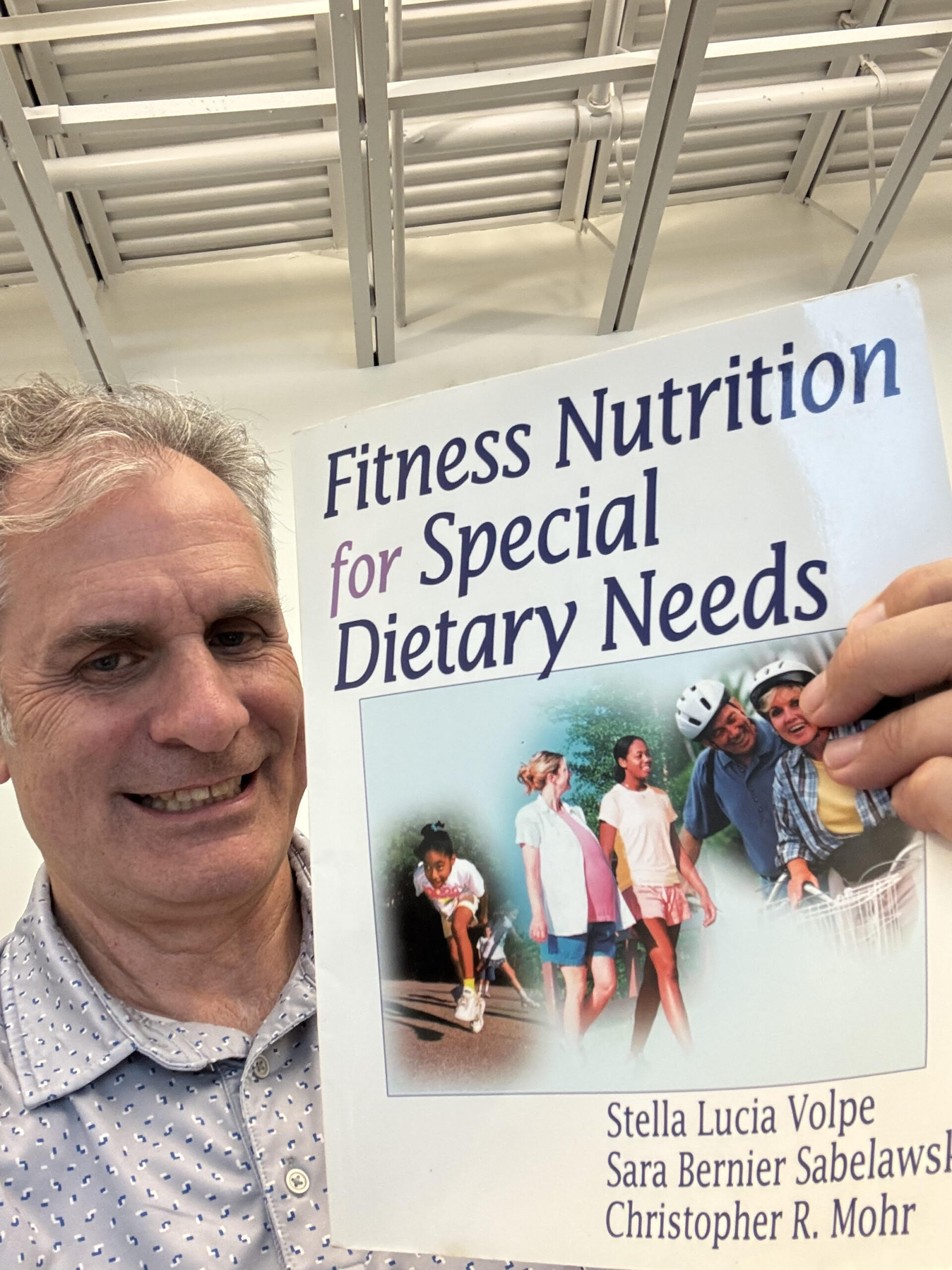
In Fitness Nutrition for Special Dietary Needs, Dr. Christopher R. Mohr emphasizes a principle every active adult should follow:
“Proper hydration is essential for optimal performance and recovery.”
This is not optional—it is foundational.
Training in the Heat: Smart Hydration Strategies
If you live in a hot climate like Houston, hydration becomes even more critical.
Here’s how to stay safe and perform your best:
- Start hydrating before your workout
- Train early morning or later in the evening
- Wear lightweight, breathable clothing
- Take breaks when needed
- Monitor urine color (light yellow = hydrated)
Heat and humidity increase sweat loss significantly, so you must be proactive—not reactive.
Should You Use Electrolyte Drinks?
For shorter workouts, water is enough.
But for longer sessions, intense training, or heavy sweating, electrolytes can help maintain balance and performance.
Recommended Options:
- LMNT Electrolyte Powder (high sodium, no sugar)
- Liquid I.V. Hydration Multiplier
- Nuun Sport Tablets
- Gatorade (useful for endurance training)
- Coconut water (natural alternative)
Electrolytes help replace what you lose in sweat and improve hydration efficiency.
Final Thought: Hydration Is a Discipline
Hydration is not something you think about occasionally—it’s something you practice daily.
When you stay hydrated, you:
- Train harder
- Recover faster
- Think clearer
- Feel better
Simple habits create powerful results.
Start today:
Drink more water.
Eat more whole foods.
Be intentional.
Your body will respond.
Real Estate – 2020

Why You Should Eat Prunes Regularly
A Simple, Natural Solution That Supports Heart Health and Digestive Health
Six months ago, I experienced something that changes a man’s perspective quickly — a heart attack.
As part of my recovery, I was prescribed several medications. And let me be clear: those medications are necessary. They help stabilize blood pressure, protect the heart, regulate cholesterol, and reduce clotting risk. I am grateful for modern medicine.
But there was one frustrating side effect I didn’t expect.
Constipation.
Many common heart medications — including beta blockers, calcium channel blockers, certain pain relievers, and even some cholesterol-lowering drugs — can slow digestion. When that happens, it’s not just uncomfortable. Chronic constipation can increase abdominal pressure, strain the body, and create unnecessary stress — something no cardiac patient needs.
That’s where prunes came in.
And they’ve made a real difference.
My Simple Daily Habit
I now eat 4–5 prunes every single day.
Nothing fancy. No supplements. No harsh laxatives.
Just whole food.
And it works.
This small habit naturally corrects constipation without cramping, urgency, or discomfort. It keeps everything moving in a steady, healthy rhythm.
But prunes do much more than just help digestion.
Why Prunes Work So Well
Prunes (dried plums) are powerful because they combine fiber, natural sorbitol, and plant compounds that support gut motility.
Here’s what you get in a standard serving:
Nutritional Breakdown (5 prunes / ~40–45g)
-
Calories: ~100
-
Fiber: 3 grams
-
Total Carbohydrates: ~26 grams
-
Sugar: ~16 grams
-
Fat: 0 grams
-
Protein: ~1 gram
Key Nutrients in Prunes
-
Potassium (~290 mg) – supports heart rhythm and blood pressure regulation
-
Vitamin K – supports bone and vascular health
-
Vitamin A (beta-carotene) – antioxidant support
-
Magnesium – helps muscle relaxation and digestion
-
Polyphenols – powerful antioxidants that reduce oxidative stress
For someone focused on heart recovery, those nutrients matter.
What About the Sugar?
Yes, prunes contain natural sugar — about 16 grams per 5-prune serving.
But here’s the key:
Because prunes contain fiber and sorbitol, they have a moderate glycemic impact. The fiber slows digestion, preventing a rapid spike in blood sugar. For most people — especially when eaten in a small portion like 4–5 prunes — this does not cause an extreme blood sugar surge.
As always, individuals managing diabetes should monitor their response, but for the majority of people, this is a stable, nutrient-dense choice.
Portion control is everything.
Additional Health Benefits of Eating Prunes Regularly
Beyond digestion, prunes offer several benefits that make them worth including consistently:
1. Heart Health Support
Potassium helps regulate blood pressure. Polyphenols help combat oxidative stress and inflammation — both of which contribute to cardiovascular disease.
2. Bone Strength
Research shows prunes may help preserve bone mineral density due to their vitamin K and boron content.
3. Gut Microbiome Support
The fiber in prunes acts as a prebiotic, feeding beneficial gut bacteria.
4. Natural, Gentle Relief
Unlike stimulant laxatives, prunes work with your body, not against it. No dependency. No harsh effects.
A Practical Solution
After a heart attack, your body is already adjusting to medications, lifestyle changes, and recovery demands.
The last thing you need is preventable digestive distress.
For me, 4–5 prunes per day has been a simple, natural solution. It’s inexpensive. It’s accessible. And it supports overall health beyond just relieving constipation.
Sometimes the best strategies aren’t complicated.
They’re consistent.
If you’re dealing with medication-related constipation or simply want to improve your digestive health naturally, consider adding prunes to your routine. Small habit. Big impact.
Your heart — and your gut — will thank you.
Do Women Really Stress Differently?
About 20 years ago, I read Fantastic Voyage by Ray Kurzweil and Terry Grossman. Recently, I picked it up again and found a section that grabbed my attention just as much as it did the first time: Women Do Stress Differently.

It made me pause.
As someone who works in fitness and nutrition coaching—and who has personally walked through heart recovery—I’m always interested in how stress affects the body. Because let’s be honest: stress is not just mental. It’s biochemical. Hormonal. Cardiovascular. It’s deeply physical.
And according to Kurzweil and Grossman, women may have a built-in physiological edge when it comes to handling stress.
The “Tend and Befriend” Response
We often hear about the classic stress response: fight or flight. Heart rate rises. Blood pressure increases. Cortisol surges. The body prepares for action.
But the authors point out that women also release oxytocin as part of their stress response. Oxytocin is often called the “bonding hormone.” It has a calming effect and encourages what researchers describe as “tend and befriend” behaviors—protecting children, nurturing others, gathering socially, and seeking support.
Here’s where it gets even more interesting:
-
Estrogen enhances oxytocin’s calming effect.
-
Testosterone (higher in men) tends to amplify aggression and hostility under stress.
In other words, while men may be more wired toward confrontation or withdrawal under pressure, women may be biologically nudged toward connection and community.
That’s powerful.
A Possible Heart Advantage?
The book suggests that premenopausal women’s relatively high estrogen levels may offer some protection against heart disease and some of the damaging effects of chronic stress.
From a cardiovascular perspective, this is fascinating. Chronic stress contributes to:
-
Elevated blood pressure
-
Increased inflammation
-
Poor sleep
-
Higher risk of heart disease
If estrogen enhances oxytocin’s calming and bonding effects, it may buffer some of that physiological wear and tear—at least during the premenopausal years.
Of course, this doesn’t mean women are immune to stress-related illness. Not at all. But it does suggest that biology may shape stress patterns differently between men and women.
So… Do Women Have the Advantage?
At first glance, it might seem that way.
But I think the deeper takeaway isn’t about advantage. It’s about awareness.
Women may naturally lean toward connection under stress. That means:
-
Calling a friend
-
Spending time with family
-
Gathering in community
-
Protecting and nurturing
And those behaviors? They’re incredibly healthy.
Social connection lowers stress hormones. Community improves mental health. Support systems improve recovery outcomes. Even from heart disease.
The real question is this:
Are we leaning into the tools we’ve been given?
What This Means for Stress Management
Whether you’re a man or a woman, there’s a lesson here.
-
Connection is medicine.
Isolation increases stress. Community reduces it. -
Hormones matter—but habits matter more.
You may not control your estrogen or testosterone levels naturally, but you absolutely control whether you pick up the phone, go for a walk with a friend, or build supportive relationships. -
Stress is not just emotional—it’s physical.
It impacts your heart, digestion, sleep, and recovery. -
Men can learn from the “tend and befriend” model too.
There’s nothing weak about connection. In fact, it may be one of the strongest stress-reduction tools we have.
My Personal Reflection
After going through a heart event myself, I became much more aware of how stress accumulates quietly over time. It’s not always dramatic. Sometimes it’s subtle and chronic.
What helped me most wasn’t just nutrition or exercise (though those are critical). It was community. Prayer. Family. Honest conversations. Support.
Maybe women are biologically nudged toward that sooner.
But the truth is, we all need it.
Final Thoughts
So do women really stress differently?
Biologically—yes, there’s evidence suggesting they do.
But instead of turning this into a competition between men and women, I see it as an invitation:
-
Lean into connection.
-
Build relationships.
-
Protect your heart—physically and emotionally.
-
Understand your stress patterns.
-
Use your biology wisely.
If stress is inevitable (and it is), then managing it intelligently becomes part of living well.
And whether you’re male or female, one thing is clear:
You don’t have to handle stress alone.
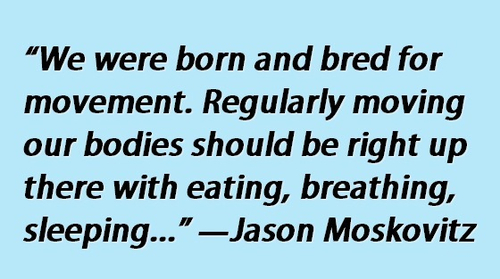
Moskovitz Quote
Zumba Jam at Sugar Land Town Center – 2017

At Castle Rock, CO