
Core & More with Cida
My Daily HRV Morning Ritual: A Simple Routine to Support Heart Health, Stress, and Recovery
Over the past six months, as I’ve continued recovering from a cardiac event, I’ve become even more intentional about how I start my mornings. What I do in the first few hours of the day sets the tone for my heart rate variability (HRV), stress levels, energy, and overall health.
Every morning before heading to work, I follow a simple routine built around consistency, awareness, and calm. My intention is not to convince you to copy my routine exactly—because morning routines are very individual—but rather to encourage you to create a rhythm that works for your body, your schedule, and your health goals.
A Quick Review: What Is HRV and Why It Matters
HRV, or Heart Rate Variability, measures the variation in time between heartbeats. In simple terms, it reflects how well your nervous system adapts to stress and recovery. A higher, well-trended HRV is generally associated with better recovery, resilience, and cardiovascular health.
What’s important to understand—especially for individuals recovering from a cardiac event—is that HRV should be tracked as a trend over time, not judged based on a single day. Daily fluctuations are normal. The goal is to look for patterns that tell you how your body is responding to sleep, stress, exercise, nutrition, and recovery practices.
My Daily HRV Morning Ritual
Below is what my mornings typically look like. These steps help me stay grounded, relaxed, and physically prepared for the day ahead—while supporting my HRV and overall health.
1. Wake up at 6:00 a.m.
Consistency matters. Waking up at the same time each day supports circadian rhythm, nervous system balance, and recovery.
2. A brief prayer of gratitude to God
I begin the day calmly, centered, and thankful. This simple act reduces mental stress and sets a positive emotional tone.
3. Check blood pressure and HRV using an app
This is about awareness, not judgment. I take note of the numbers and move on with my day, focusing on trends over time.
4. Breathing exercises
Slow, intentional breathing helps activate the parasympathetic (rest-and-recover) nervous system, which is key for HRV.
5. Lemon drink
Hydration first thing in the morning supports digestion and helps gently wake up the body.
6. A 60-minute walk in my neighborhood
This is one of the most powerful parts of my routine. Walking improves circulation, lowers stress, supports HRV, and provides time outdoors.
7. A balanced breakfast
I typically eat eggs along with sardines or salmon and vegetables. This provides high-quality protein, omega-3 fats, and nutrients that support heart and brain health.
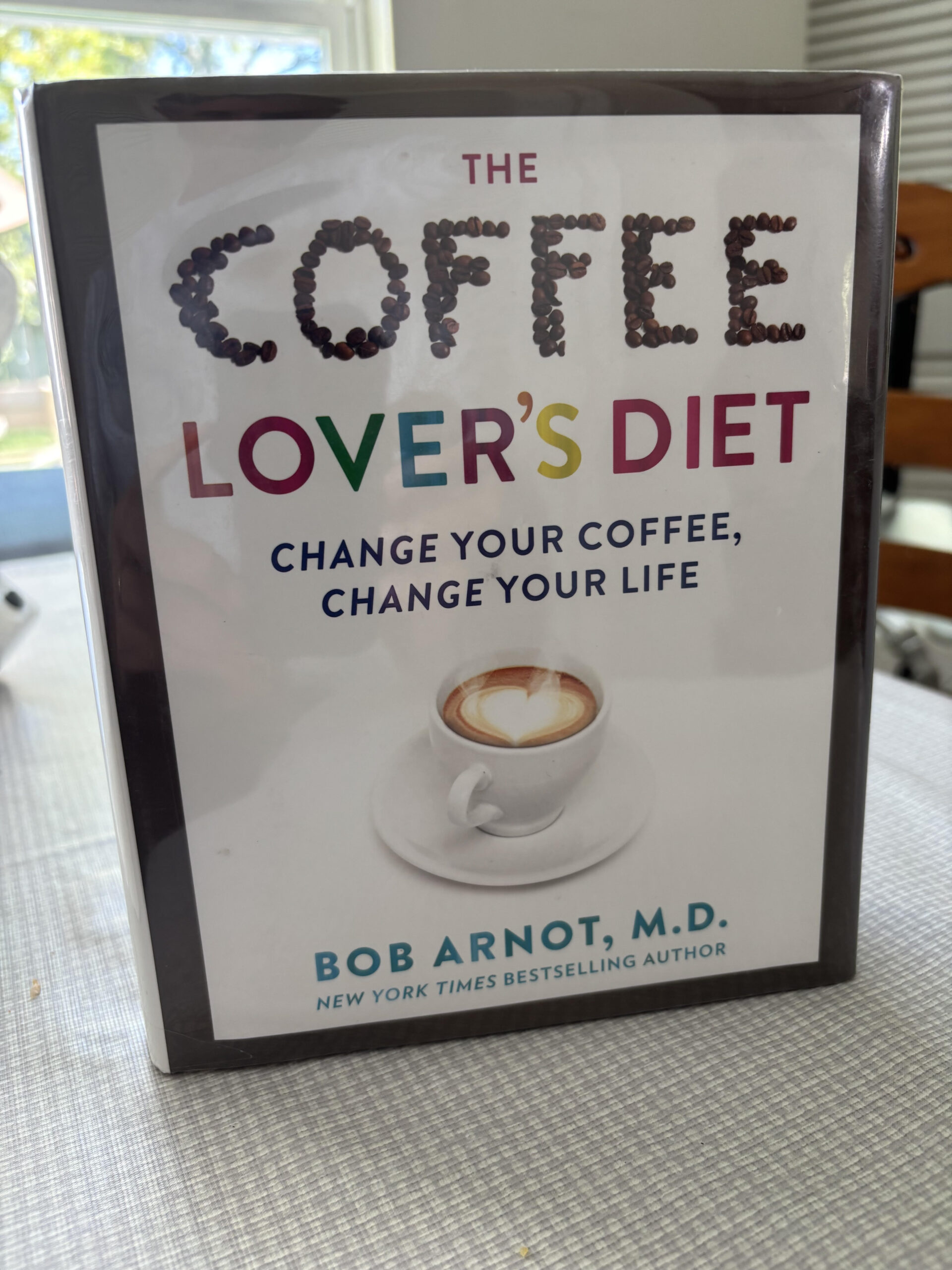
8. One cup of coffee with Laird Superfood Creamer
I enjoy just one cup per day. The clean ingredients and coconut-based creamer enhance the experience without unnecessary additives.
9. A large glass of a red drink with my morning supplements
This supports micronutrient intake and complements my overall nutrition plan.
10. Praying the rosary
This is a time of reflection, calm, and spiritual grounding—an often overlooked but powerful contributor to stress management and recovery.
By 9:00 a.m., I’m ready for work, feeling mentally clear, physically prepared, and emotionally steady.
Why Morning Routines Matter—Especially After a Cardiac Event
For individuals who have recently experienced a cardiac event, a consistent morning routine is essential for recovery. It helps regulate stress, supports nervous system balance, improves adherence to healthy habits, and creates a sense of control during a vulnerable phase of healing.
At the same time, morning routines aren’t just for recovery—they’re just as important for anyone who wants to improve health, fitness, energy, and quality of life.
Find Your Routine
Your morning routine doesn’t need to look like mine. It might be shorter, simpler, or structured differently—and that’s perfectly okay. What matters most is that it’s intentional, repeatable, and supportive of your well-being.
Start small. Stay consistent. Track trends, not perfection.
A thoughtful morning routine is one of the most powerful investments you can make—for your heart, your mind, and your life.
Enjoyment and Friendship
Grounding, Ocean Swimming, and Sunlight: Natural Ways to Support Heart Health and Cardiac Recovery
Recovering from a cardiac event is about more than medications and workouts—it’s also about restoring balance, lowering stress, and reconnecting with the natural rhythms of the body. Three simple, natural practices can play a powerful role in heart health and recovery: grounding (walking barefoot), swimming in ocean salt water, and getting natural sunlight.
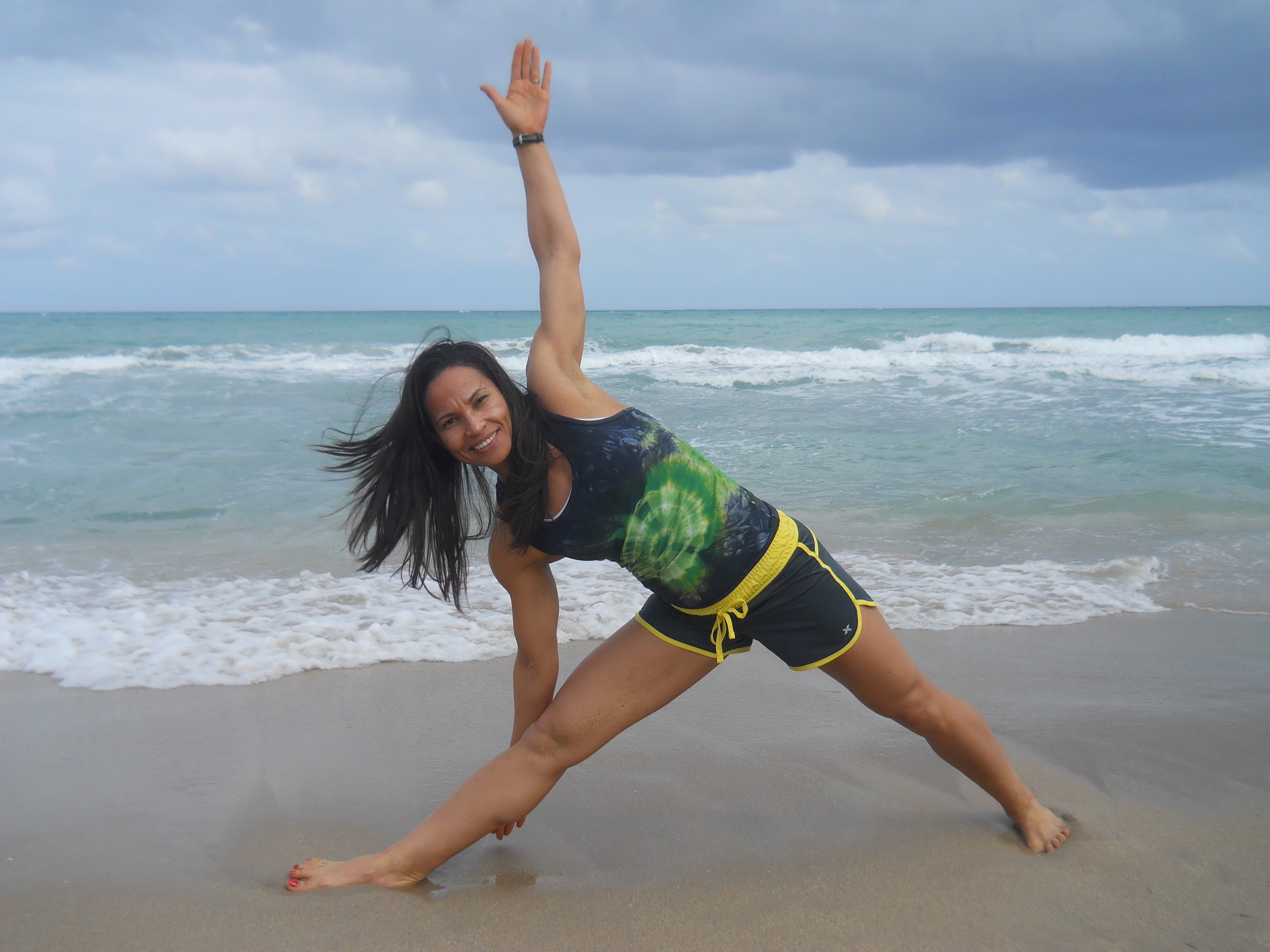
These are the reasons why I love visiting Fort Lauderdale, FL, so I can relax and enjoy the beautiful beach. My favorite place to go is Aruba’s, the only restaurant actuallly on the beach. I can eat a great, healthy meal and then walk outside on the beach (grounding) and then jump in the ocean. All at once!
These habits are especially beneficial on days when flying, when the body experiences increased stress, inflammation, and circulation challenges.
What Is Grounding and Why Is It Good for Heart Health?
Grounding, also known as earthing, involves walking barefoot on natural surfaces such as grass, sand, or soil. Direct contact with the Earth may help neutralize excess electrical charge in the body, supporting relaxation and nervous system balance.
Potential heart-health benefits of grounding include:
-
Reduced stress and cortisol levels
-
Improved sleep quality
-
Enhanced circulation
-
Greater sense of calm and mental clarity
Stress reduction is especially important for individuals recovering from a heart attack or other cardiac event, as chronic stress can negatively affect blood pressure and heart rhythm.
Benefits of Swimming in Ocean Salt Water
Swimming in the ocean is one of the most heart-friendly forms of movement available. Salt water provides natural buoyancy, reducing joint strain while offering gentle resistance that supports cardiovascular fitness.
Why ocean swimming supports cardiac recovery:
-
Encourages healthy circulation
-
Helps relax muscles and reduce inflammation
-
Supports mobility without overloading the heart
-
Promotes nervous system calm and emotional well-being
For those who travel frequently, ocean swimming after flying can be particularly helpful. Long flights often lead to dehydration, stiffness, and sluggish circulation. Salt water swimming helps the body rehydrate, reset, and feel grounded again.
Natural Sunlight and Its Role in Cardiac Recovery
Getting natural sunlight is one of the most overlooked but powerful tools for heart health. Moderate sun exposure supports vitamin D production, which is linked to healthy blood pressure, vascular function, and immune health.
Sunlight benefits for heart recovery include:
-
Supports vitamin D levels
-
Helps regulate circadian rhythm and sleep
-
Improves mood and reduces anxiety
-
Encourages healthier blood pressure regulation
For individuals recovering from a cardiac event, sunlight can enhance energy levels and support the body’s natural healing processes. Even 10–20 minutes of sunlight per day, especially in the morning or late afternoon, can make a meaningful difference.
Why These Practices Work Best Together
Grounding, ocean swimming, and sunlight work synergistically to:
-
Calm the nervous system
-
Improve circulation and oxygen delivery
-
Reduce inflammation and stress
-
Support emotional and physical recovery
These practices remind the body how to heal naturally—without extremes or complicated routines.
Simple, Natural Habits for a Healthier Heart
You don’t need intense workouts or complex protocols to support heart health. Sometimes the most effective recovery tools are the simplest:
-
Walk barefoot on grass or sand
-
Swim gently in the ocean
-
Spend time in natural sunlight
At CIDA Fitness, we believe heart recovery is about rebuilding confidence, strength, and vitality—while honoring the body’s natural design.
If you’re recovering from a cardiac event or working toward better cardiovascular health, these nature-based practices can be powerful additions to your wellness routine.
Look for Aruba’s Restaurant if you visit Fort Lauderdale.
Is it time for another cruise?
Are There Any Free HRV Apps?
Absolutely — you can start tracking HRV without paying a dime! Here are some free apps that let you measure or monitor HRV with minimal cost or basic tools:
Free HRV Measurement Apps
1. WatchMyHRV (Apple Watch & iPhone) – Free
-
Real-time on-demand HRV measurements
-
Shows RMSSD, SDNN & recovery status
-
Works nicely with Apple Watch health data
2. SelfLoops HRV (iPhone/iPad) – Free + optional upgrades
-
Provides key HRV metrics (RMSSD, SDNN)
-
Works with Bluetooth heart rate monitors (e.g., chest straps)
3. Heartify: Heart Health Monitor (iPhone) – Free + optional subscriptions
-
Uses phone camera to estimate HRV and stress levels
-
Tracks trends over time
4. HRV Health basic (iPhone) – Free
-
Daily HRV tracking tied to lifestyle and recovery
-
Requires compatible heart monitor (e.g., Polar H9/H10) for best accuracy
5. Welltory (iOS & Android) – Free tier available
-
Measures HRV, stress, energy, sleep quality
-
Uses phone camera or wearable data
-
Free features include basic readings; premium features are paid
Notes Before You Start
-
Phone camera HRV apps (like Heartify or Welltory) use light changes on your fingertip (photoplethysmography) to estimate beat-to-beat intervals — not as accurate as ECG/chest straps, but great for daily trend tracking.
-
Apple Watch & Samsung Health: Your Apple Watch and Samsung phones/watches do measure HRV passively (especially overnight), but dedicated apps like WatchMyHRV give you more intentional control of readings.
-
External chest straps (Polar, Wahoo, etc.) paired with these apps often give much better HRV quality than camera-only methods.
Bonus Tip
Even if an app is “free,” consistency beats sensor type. Daily 1–3-minute HRV readings done at the same time (like right after waking up) are far more useful than sporadic long tests.
Throwback Thursday – Cida Fitness
How do you train your HRV?
Great question—HRV (heart rate variability) is trainable, but not in the “grind harder” way most people expect. You improve HRV by teaching your nervous system to shift smoothly between stress and recovery.
Here’s the clean, evidence-backed way to do it.
1. Breathe like you’re training your nervous system (because you are)
This is the fastest lever.
Best method:
-
5–6 breaths per minute
-
Inhale ~4–5 sec, exhale ~5–6 sec
-
5–10 minutes, 1–2× daily
This stimulates the vagus nerve and improves parasympathetic tone → higher HRV.
Tip: Long exhales matter more than big inhales.
2️⃣ Train, but don’t redline all the time
HRV improves when your body learns stress and recovery.
What helps HRV most:
-
Zone 2 cardio (walking, cycling, swimming)
-
Moderate strength training
-
Short, infrequent HIIT (1–2×/week max)
What hurts HRV if overdone:
-
Daily HIIT
-
Chronic “no rest days” mentality
-
Training hard on poor sleep
Think consistent, not crushing.
3️⃣ Sleep is non-negotiable
No hack beats sleep.
HRV-friendly sleep habits:
-
Same bedtime/wake time
-
Cool, dark room
-
No alcohol close to bedtime (big HRV killer)
-
Morning sunlight exposure
Even one poor night can drop HRV for days.
4️⃣ Cold exposure (used correctly)
Short cold stress improves HRV if you recover from it.
-
Cold shower: 30–90 sec
-
Breathe calmly (no gasping)
-
2–4× per week
Avoid long ice baths if already stressed or under-recovered.
5️⃣ Reduce hidden stressors
Your nervous system doesn’t know the difference between:
-
Emotional stress
-
Overtraining
-
Undereating
-
Poor sleep
All lower HRV.
Check:
-
Are you under-fueling carbs?
-
Too much caffeine?
-
Too little downtime?
6️⃣ Eat for nervous system stability
HRV hates blood sugar chaos.
Support HRV with:
-
Adequate carbs (especially for active people)
-
Magnesium-rich foods (or Mg glycinate)
-
Omega-3s
-
Regular meals
7️⃣ Track trends, not daily numbers
HRV fluctuates a lot.
-
Look at 7–14 day averages
-
Morning readings only
-
Compare against sleep, stress, and training load
Low HRV isn’t “bad”—it’s information.
Simple daily HRV routine (10 minutes)
-
5 min slow breathing
-
5–30 min walk
-
Consistent bedtime
Do this for 4–6 weeks and HRV almost always improves.