

Let me share something that has completely changed the way I look at food labels.
We live in a time when “high-protein” is stamped on everything — cereals, snack bars, waffles, chips, even desserts. Protein is trending. And because it’s trending, food companies know that if they can get that word on the package, it will sell.
But here’s the truth: many of those foods are not actually high in protein.
They just look like they are.
And if you’re serious about your health, body composition, recovery, and long-term metabolic strength, you deserve better than clever marketing.

The Simple Formula I Use
Here’s a quick and powerful way to determine whether a food is truly high-protein:
👉 Take the grams of protein per serving
👉 Add a zero (multiply by 10)
👉 Compare that number to the total calories per serving
If the new number is much higher than the calories, it’s truly a high-protein food.
If it’s lower — or barely close — it’s not.
This works because protein has 4 calories per gram. When you multiply protein grams by 10, you’re essentially creating a simple comparison that reveals whether protein dominates the calorie profile or not.
Example #1: A Truly High-Protein Food
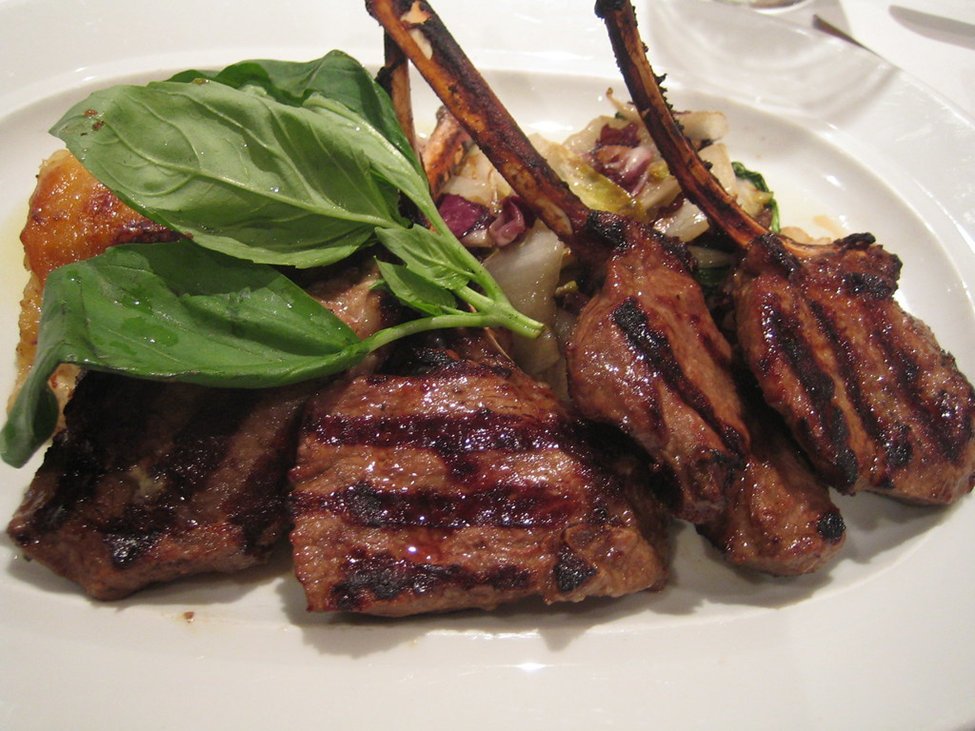
Let’s say you have a serving of salmon:
-
Protein: 38 grams
-
Calories: 220
Now add a zero to the protein:
38 grams → 380
Compare:
-
380 (protein x10)
-
220 (total calories)
380 is far greater than 220.
That means this food is clearly protein-dominant. This is a genuinely high-protein food.
Whole foods like salmon, eggs, lean beef, chicken breast, Greek yogurt — they pass this test easily.
Example #2: The Marketing Trap
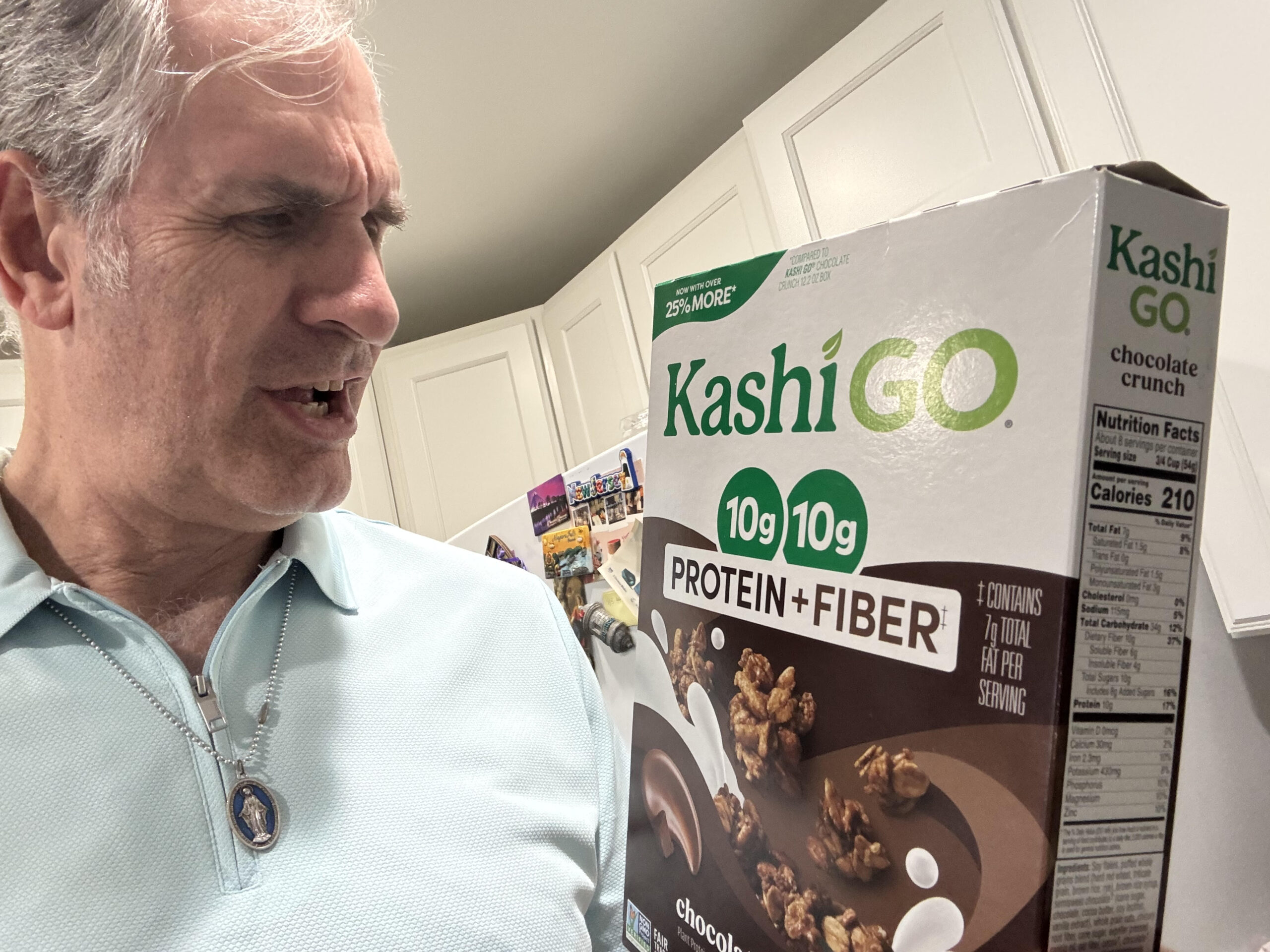
Now let’s look at a granola cereal that proudly says “High Protein!” on the front of the box.
-
Protein: 10 grams
-
Calories: 220
Add a zero:
10 grams → 100
Compare:
-
100 (protein x10)
-
220 (total calories)
Now we have a deficit.
That means protein is not the dominant macronutrient — calories are coming primarily from carbohydrates and/or fats. Yet the packaging makes you feel like you’re eating a protein-focused food.
This is where many American food companies use clever labeling and questionable marketing tactics. They highlight protein while quietly loading the product with sugar, refined grains, and seed oils.
It creates perception — not reality.
Why This Matters (Especially in the Morning)
Protein is critical for:
-
Muscle preservation
-
Fat loss
-
Blood sugar control
-
Cortisol regulation
-
Satiety and appetite control
-
Long-term metabolic health
When you start your morning with a truly high-protein meal, you stabilize your physiology instead of chasing energy crashes.
As someone who deeply values metabolic health and recovery, I can tell you this — your first meal sets the tone for the day.
A protein-dominant breakfast beats a “protein-flavored carbohydrate” every single time.
Whole Foods Usually Win
Notice something important:
The foods that pass this test are typically minimally processed whole foods.
The foods that fail?
Usually ultra-processed products with flashy labels.
That’s not an accident.
Real food doesn’t need marketing tricks.
What I Encourage You To Do
From now on:
✔ Always read the nutrition label
✔ Use the “add a zero” formula
✔ Compare protein dominance to total calories
✔ Prioritize protein at your first meal of the day
This small habit can completely change how you shop, how you eat, and how you structure your meals.
Don’t let packaging decide your nutrition.
Let math decide.
And once you start using this method, I promise you — you’ll never look at a “high-protein” label the same way again.
Stay strong.
Stay intentional.
And fuel your body with purpose.