

Pizza has a reputation problem.
Some people see it as comfort food. Others see it as a dietary disaster. The truth? It depends almost entirely on the crust.
After five years working at a major pizza chain back in the 1980s (an experience I genuinely appreciated because it helped me get through college), I saw firsthand what went into commercial pizza dough. Every batch included heavy amounts of low-quality oils—often seed oils, sometimes partially hydrogenated oils, and other highly processed ingredients designed for shelf life and profit margin, not health.
That was an eye-opener.
If you want to know whether a pizza is good for you or not, start with the foundation. The crust is the biggest determining factor. And in my experience, the key to a truly healthy pizza is this:
Make your own crust from scratch — and make it gluten-free.
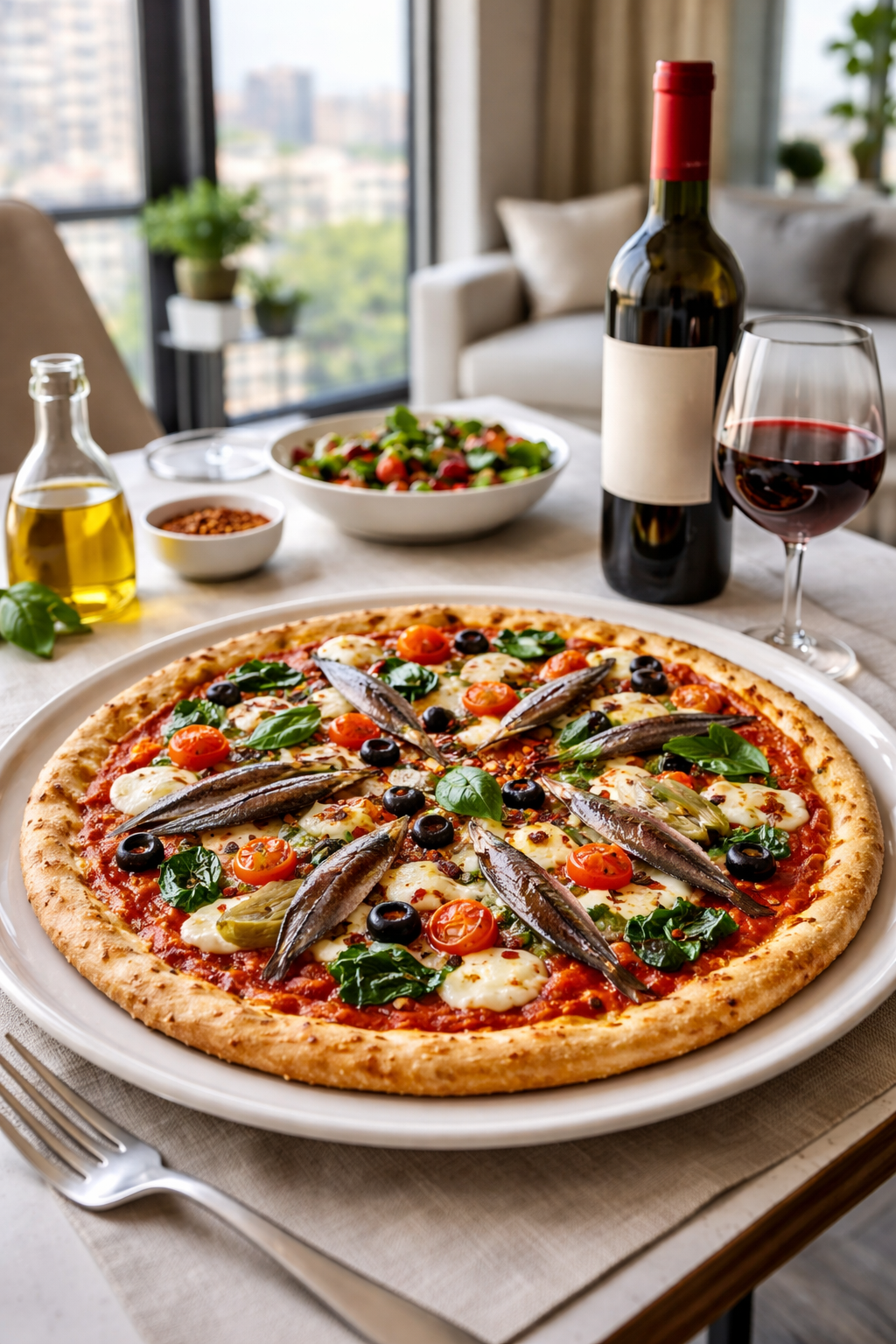
Why Gluten-Free Is a Game-Changer
Going gluten-free isn’t just a trend. For many people, it can make a real difference in how they feel after a meal.
Here’s why:
1. Easier Digestion
Many individuals experience bloating, brain fog, or sluggishness after consuming conventional wheat-based crusts. Even those without celiac disease may have varying levels of gluten sensitivity. Removing gluten often results in lighter digestion and better energy afterward.
2. Lower Inflammatory Load
Highly processed wheat products can contribute to systemic inflammation, especially when paired with refined oils and additives. A thoughtfully prepared gluten-free crust made from whole-food ingredients avoids much of that burden.
3. Better Ingredient Control
When you make your own dough, you eliminate:
-
Industrial seed oils
-
Hydrogenated fats
-
Dough conditioners
-
Preservatives
You control the fats, the flour quality, and the fermentation process.
That’s powerful.
4. Stable Energy
Many gluten-free crusts use alternative flours like rice flour, tapioca, sorghum, or almond flour. When balanced properly, they can help prevent the heavy carb crash that follows most commercial pizza.
A Proven Recipe: Todd English’s Gluten-Free Pizza Dough
If you want a trusted starting point, I recommend the recipe from award-winning chef Todd English in his 2017 book Todd English’s Rustic Pizza. On pages 12–13, he shares a recipe titled “Gluten-Free Pizza Dough.”
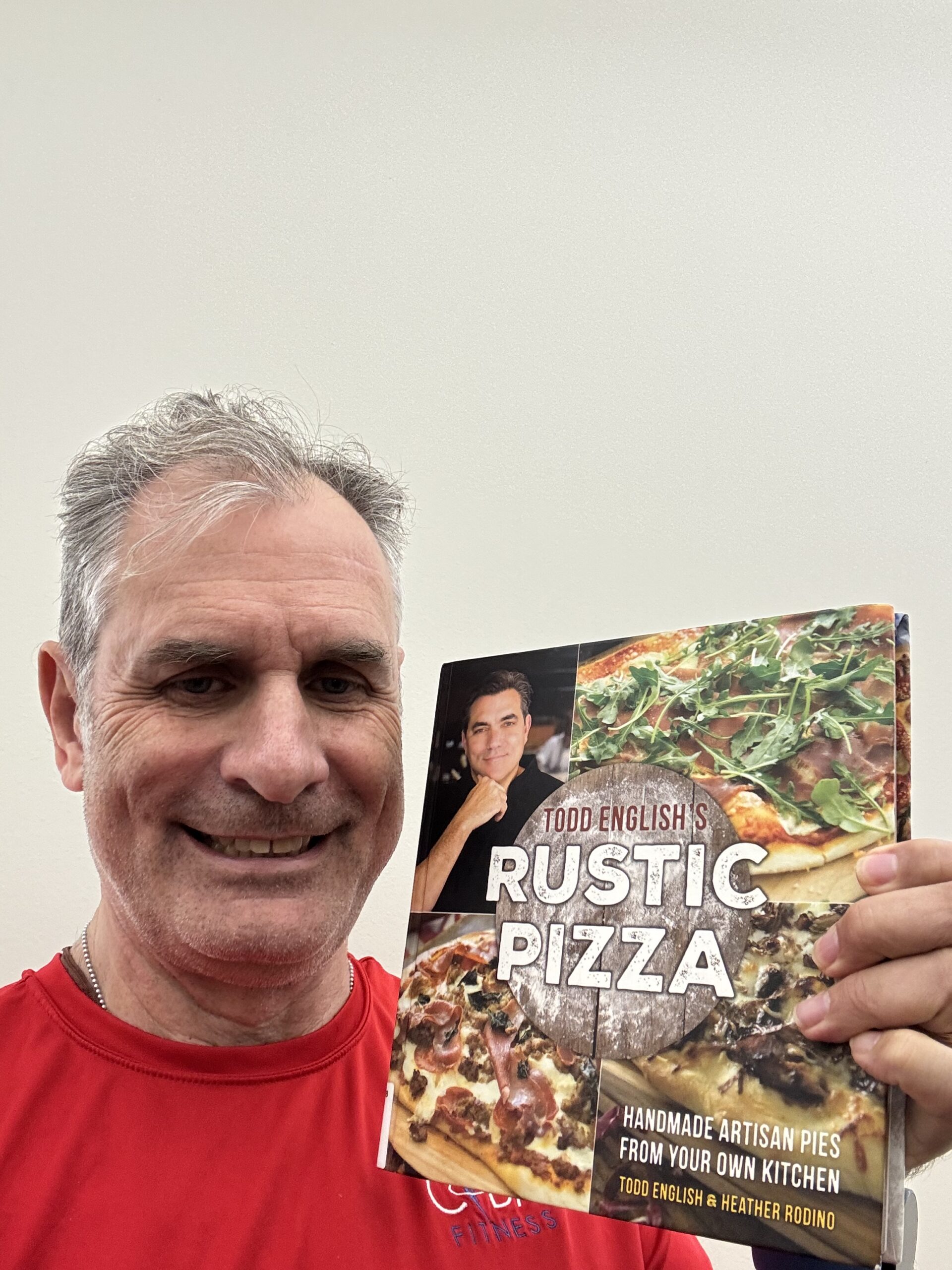
It’s a beautifully structured, chef-crafted formula designed to create a crisp yet tender crust with real flavor and integrity.
Highlights of the Recipe
While I encourage you to grab the book for the full details, here are the core components and method overview:
Key Ingredients:
-
Gluten-free flour blend
-
Xanthan gum (for structure)
-
Active dry yeast
-
Warm water
-
Olive oil
-
Sea salt
-
A touch of sugar (to activate yeast)
Basic Method:
-
Activate the yeast in warm water with sugar.
-
Combine dry ingredients thoroughly.
-
Mix wet and dry ingredients to form dough.
-
Allow the dough to rest and rise.
-
Press or roll onto parchment into desired thickness.
-
Pre-bake before adding toppings.
The result? A crust that actually tastes like real pizza — not cardboard.
This is where healthy pizza begins.
Build It the Right Way
Once you’ve nailed the crust, the rest becomes simple — and fun.
1. Choose a Clean Sauce
Look for:
-
Organic crushed tomatoes
-
No added sugar
-
No seed oils
-
Fresh herbs
Or make your own with olive oil, garlic, basil, and sea salt.
2. Use Quality Mozzarella
Opt for:
-
Fresh mozzarella
-
Whole-milk varieties
-
Minimal ingredients
Quality matters.
3. Load the Vegetables
Think:
-
Arugula
-
Mushrooms
-
Red onions
-
Bell peppers
-
Spinach
Color equals nutrients.
4. Add Powerful Proteins
Two of my favorites:
-
Wild-caught salmon
-
Anchovies
Both provide omega-3 fatty acids that support heart health, reduce inflammation, and elevate your pizza from indulgence to nourishment.
Pizza Without Regret
Pizza doesn’t have to be something you “cheat” with. It can be something you craft with intention.
When you remove the processed crust, eliminate poor-quality oils, and build your pizza on a gluten-free foundation made from scratch, everything changes.
You feel lighter.
You digest better.
You enjoy it more.
That’s what real food does.
Healthy pizza isn’t about deprivation. It’s about upgrading the base.
And once you get that right, the rest is easy.