
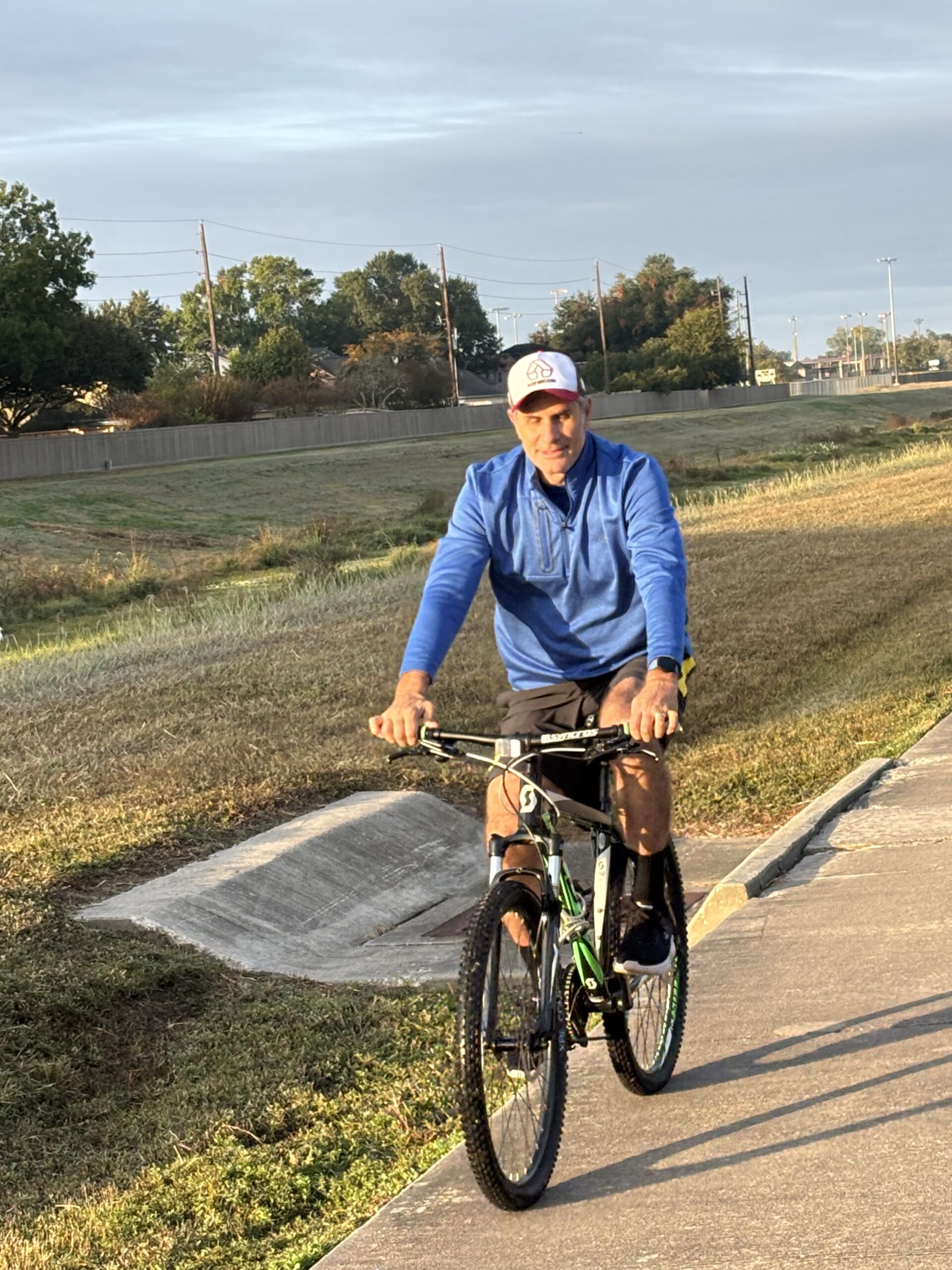
If you’re looking for a fun, low-impact way to strengthen your heart—especially after completing cardio rehab—mountain biking on park trails might just become your new favorite workout.
Whether you’re cruising through wooded paths or rolling over gentle hills, trail riding gives you all the benefits of steady-state cardio without the pounding impact of running or other high-stress exercises.
Why Mountain Biking Supports Cardiovascular Health
✔ Great for Steady-State Cardio
Riding at a comfortable, steady pace keeps you in your fat-burning and aerobic training zones. This is the sweet spot where your body burns the most calories safely, strengthens your heart, and boosts metabolic efficiency.
✔ Enhances Circulation and Blood Flow
The consistent pedal motion helps improve blood flow throughout the entire body, feeding your muscles and heart with the oxygen they need to thrive.
✔ Low-Impact, Joint-Friendly Exercise
Mountain biking puts far less stress on your joints than jogging or high-impact exercise. This makes it ideal not only for post-rehab cardio, but also for long-term heart-healthy living.
✔ Excellent Cross-Training
If you normally walk, jog, or lift weights, biking mixes things up and avoids the repetitive stress of doing the same movements day after day. Your body loves variety—and it rewards you with better conditioning.
The above benefits of mountain biking at a steady-state of cardiovascular endurance (around 60% – 80% of your maximum heart rate) are great, but walking at this same intensity level will burn more calories at 20% – 30% more. However, sometimes the advantages of doing something different in another environment outweighs calorie burning. Just something to consider . . .
Of course if you choose to workout on a mountain bike at the anaerobic level (above 85% of your maximum heart rate), you will burn many more calories than walking with high intensity interval training. However, this won’t be a good option for those going through post rehab cardio training.
Safety Tips for a Better Ride
Keeping your rides safe and productive is just as important as the workout itself. Here are a few essentials:
👉 Warm Up First
Spend 5–10 minutes moving your body, practicing gentle pedal strokes, and getting your heart rate up gradually.
👉 Stretch Before and After
Focus on your hips, quads, hamstrings, and lower back to keep your muscles loose and reduce the chance of strain.
👉 Track Your Heart Rate
A heart-rate-monitor watch is a great tool—especially if you’re watching your training zones after rehab. It helps ensure you’re riding at a safe, effective intensity.
👉 Stick to Established Trails
Avoid busy streets and traffic. Park trails are safer, smoother, and designed for recreational cycling. Plus, nature is a great stress reliever!
👉 Hydrate & Fuel Up
Bring water and a light snack. Even steady-state cardio burns energy faster than most people realize.
Ready to Take Your Fitness to the Next Level?
If you’re looking for personalized support—especially after a heart health wake-up call—my virtual fitness and nutrition coaching is designed to help you rebuild strength, burn fat safely, and stay motivated with expert guidance.
Visit www.cidafitness.com to get started today.
Let’s build a stronger, healthier you—one ride at a time.