
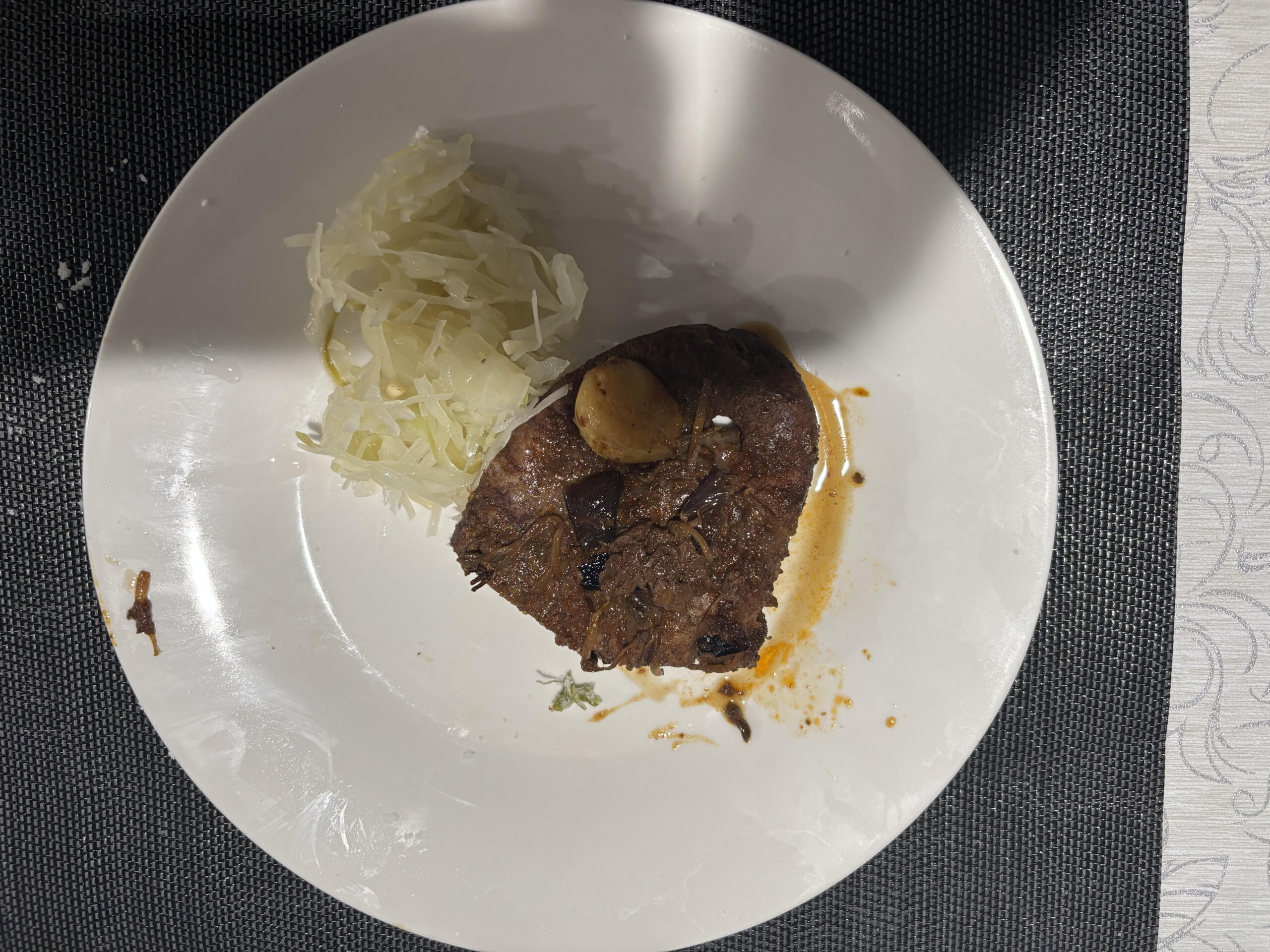
The other day I sent my son, Marcos, a text with a picture of beef liver and sauerkraut that I had just finished preparing as a meal. He said, “what in the world in that? It does not look too appealing.”
I told him that beef liver as well as sauerkraut are some of the most nutritionally dense foods you can eat, especially for someone recovering from a heart attack or a college soccer athlete.

You see, beef liver is like a powerhouse multivitamin that delivers more nutrients than the majority of other foods, but in a very absorbable whole food form. Here’s the breakdown:
- Vitamin B Support (B6, B12, Folate) – supports red blood cell production; helps oxygen delivery throughout the body; good for nerve health; and aids in energy levels. (this is especially important after a heart attack when oxygen efficiency and cellular energy are compromised).
- Vitamin A – supports immune function and tissue repair; helps regulate inflammation (this is
very important); and assists with healthy blood vessel lining. (this is important for healing
arterial tissue after damage, which is the main strategy to heal your body after a cardio event). - CoQ10 – essential for heart muscle energy production; supports mitochondrial production. (the heart is one of the most energy-demanding organs in the body, and CoQ10 is often significantly reduced or totally depleted after a heart attack, and especially with statin use. Most doctors won’t tell you this little detail, so it’s important to consume beef liver on a regular basis (one or twice every 2 weeks) and to aggressively supplement with CoQ10 (around 200 – 300 mg per day). Otherwise, you will feel very tired every day.
- Iron – improves oxygen transport; enhances stamina and recovery; and prevents anemia-related fatigue (remember, better oxygen delivery = less strain on the heart during healing). Doing breathing exercises significantly helps in this area too.
- Copper & Zinc Balance – Copper supports blood vessel elasticity and collagen formation; Zinc helps with immune function, wound healing, and testosterone production. (these 2 mightly minerals help maintain strong, flexible arteries).
- Choline – supports liver detoxification (this is important since statin use causes inflammation to the liver); helps manage homocysteine levels (a cardiovascular and inflammation risk marker); and it’s important for heart and brain recovery. (this is critically important since statin use has been known to cause brain fog and other cognitive issue and inflammation to the liver). And again, most doctors won’t mention this to you either.
- Protein & Amino Acids – provides glycine and methionine; supports muscle repair and connective tissue health. (this is very important to rebuild tissues and supports metabolic stability). Athletes will find beef liver appealing because it will have a different amino acid profile compared to red meat, chicken, and fish. It’s good for variety of amino acids.
In summary, consuming beef liver on a regular basis (once per week) after a cardio event
or for athletic training, it will help you with enhancing cellular energy, oxygen delivery and efficiency, tissue and arterial repair, mental clarity and better mood, and helps calm chronic inflammation.
And here’s one of the best benefits of beef liver . . . it is way cheaper to purchase than steak, chicken, lamb, or fish. This is a good thing since the prices of groceries have become outrageous in the past few years.
Additionally, preparing beef liver is important too; many people complain it is hard to eat because of the bad taste. I simply add lots of spices, such as pepper, salt, and paprika. You can even mix a little ground beef to harmonize the flavor. A good side dish is any type of fibrous carb, like spinach or broccoli. Sauerkraut is also an excellent side dish since it is a fermented food and is very beneficial to your gut health.
Remember, eating beef liver on a regular basis isn’t about being extreme — it’s about giving your body the nutrients it needs to heal well. When done intentionally, and rotating with other superfoods like sardines and salmon, it can be a powerful strategy in heart recovery, long-term wellness, and athletic performance.