

Over the past six months, as I’ve continued recovering from a cardiac event, I’ve become even more intentional about how I start my mornings. What I do in the first few hours of the day sets the tone for my heart rate variability (HRV), stress levels, energy, and overall health.
Every morning before heading to work, I follow a simple routine built around consistency, awareness, and calm. My intention is not to convince you to copy my routine exactly—because morning routines are very individual—but rather to encourage you to create a rhythm that works for your body, your schedule, and your health goals.
A Quick Review: What Is HRV and Why It Matters
HRV, or Heart Rate Variability, measures the variation in time between heartbeats. In simple terms, it reflects how well your nervous system adapts to stress and recovery. A higher, well-trended HRV is generally associated with better recovery, resilience, and cardiovascular health.
What’s important to understand—especially for individuals recovering from a cardiac event—is that HRV should be tracked as a trend over time, not judged based on a single day. Daily fluctuations are normal. The goal is to look for patterns that tell you how your body is responding to sleep, stress, exercise, nutrition, and recovery practices.
My Daily HRV Morning Ritual
Below is what my mornings typically look like. These steps help me stay grounded, relaxed, and physically prepared for the day ahead—while supporting my HRV and overall health.
1. Wake up at 6:00 a.m.
Consistency matters. Waking up at the same time each day supports circadian rhythm, nervous system balance, and recovery.
2. A brief prayer of gratitude to God
I begin the day calmly, centered, and thankful. This simple act reduces mental stress and sets a positive emotional tone.
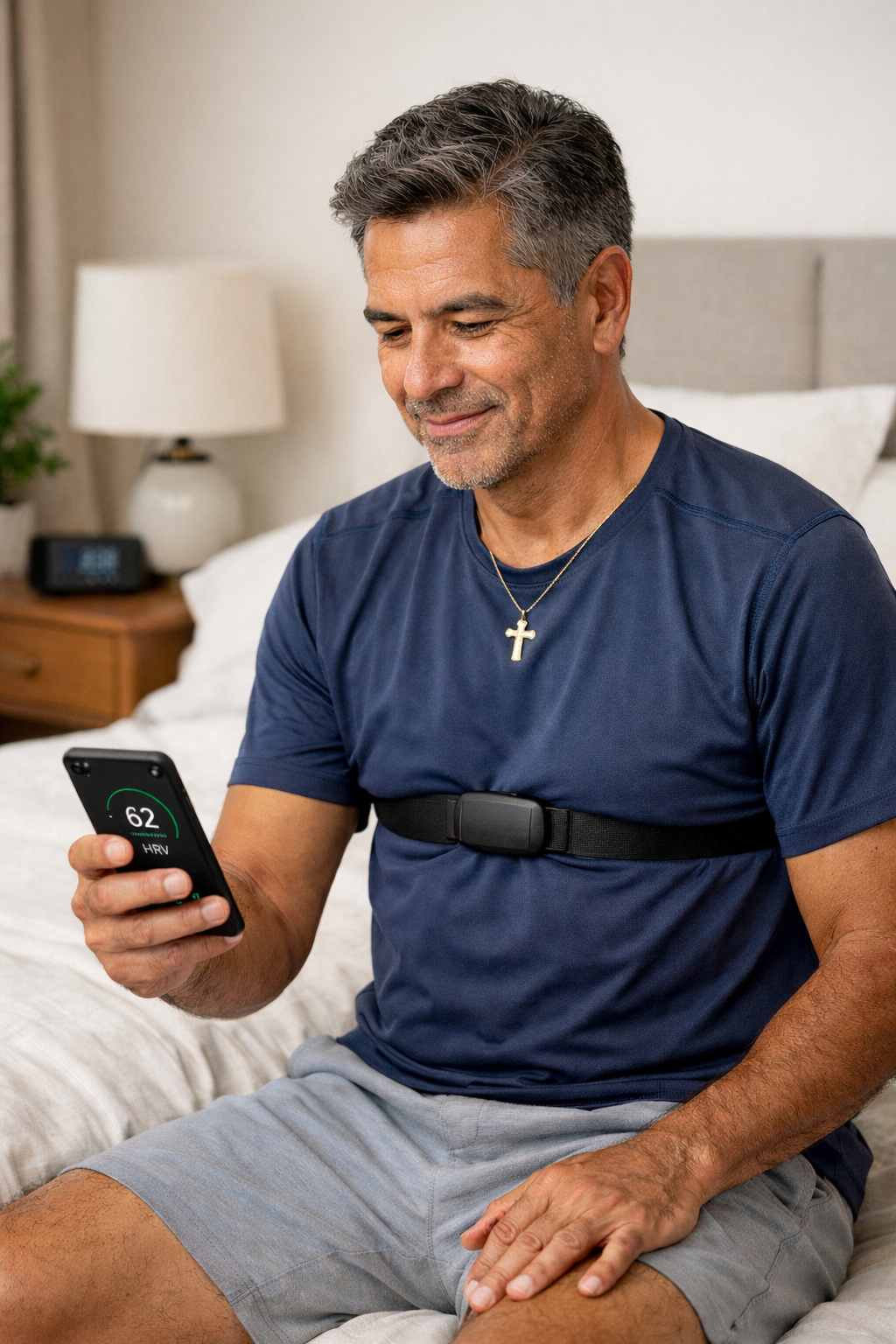
3. Check blood pressure and HRV using an app
This is about awareness, not judgment. I take note of the numbers and move on with my day, focusing on trends over time.
4. Breathing exercises
Slow, intentional breathing helps activate the parasympathetic (rest-and-recover) nervous system, which is key for HRV.
5. Lemon drink
Hydration first thing in the morning supports digestion and helps gently wake up the body.
6. A 60-minute walk in my neighborhood
This is one of the most powerful parts of my routine. Walking improves circulation, lowers stress, supports HRV, and provides time outdoors.
7. A balanced breakfast
I typically eat eggs along with sardines or salmon and vegetables. This provides high-quality protein, omega-3 fats, and nutrients that support heart and brain health.
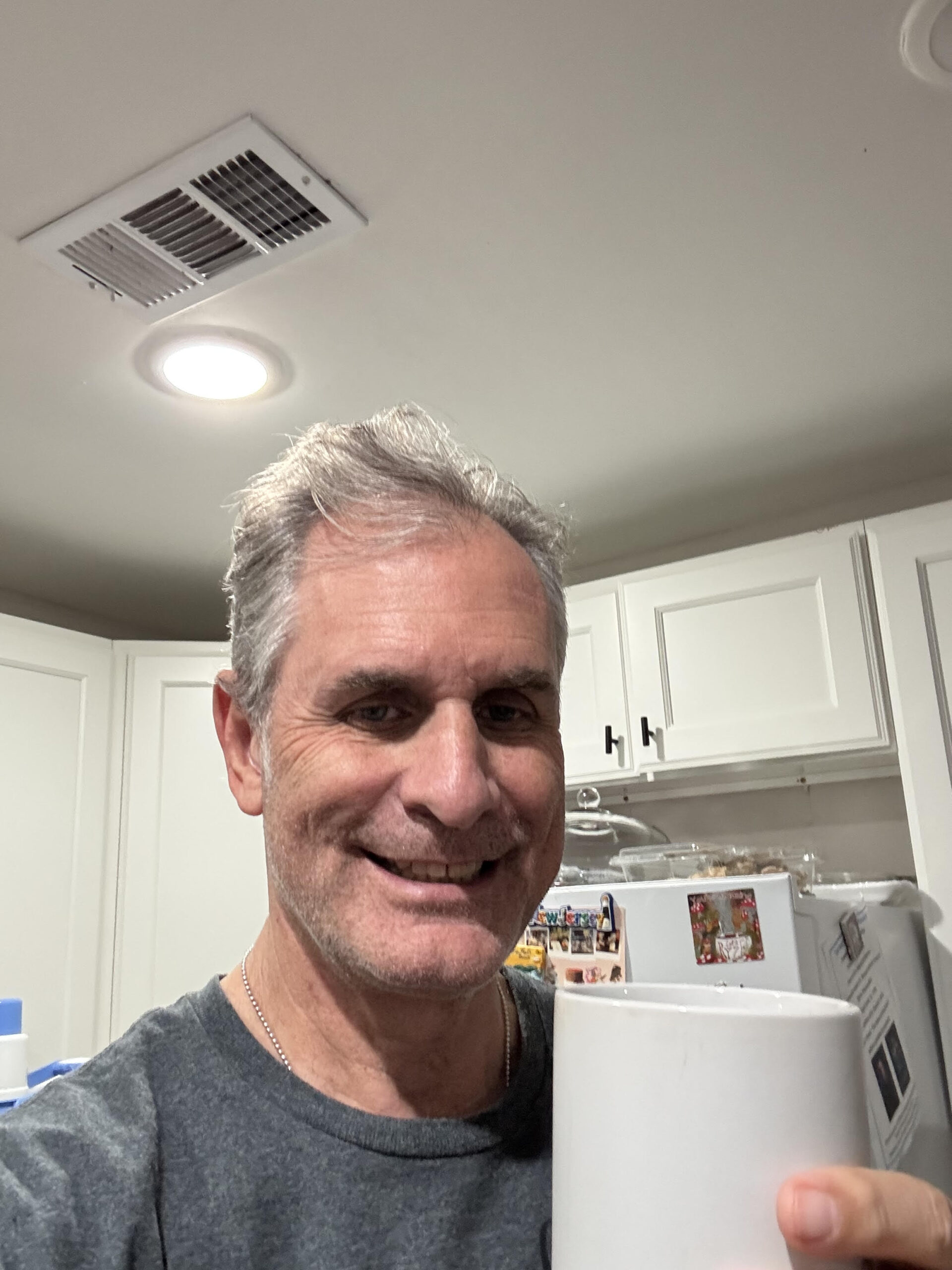
8. One cup of coffee with Laird Superfood Creamer
I enjoy just one cup per day. The clean ingredients and coconut-based creamer enhance the experience without unnecessary additives.
9. A large glass of a red drink with my morning supplements
This supports micronutrient intake and complements my overall nutrition plan.
10. Praying the rosary
This is a time of reflection, calm, and spiritual grounding—an often overlooked but powerful contributor to stress management and recovery.
By 9:00 a.m., I’m ready for work, feeling mentally clear, physically prepared, and emotionally steady.
Why Morning Routines Matter—Especially After a Cardiac Event
For individuals who have recently experienced a cardiac event, a consistent morning routine is essential for recovery. It helps regulate stress, supports nervous system balance, improves adherence to healthy habits, and creates a sense of control during a vulnerable phase of healing.
At the same time, morning routines aren’t just for recovery—they’re just as important for anyone who wants to improve health, fitness, energy, and quality of life.
Find Your Routine
Your morning routine doesn’t need to look like mine. It might be shorter, simpler, or structured differently—and that’s perfectly okay. What matters most is that it’s intentional, repeatable, and supportive of your well-being.
Start small. Stay consistent. Track trends, not perfection.
A thoughtful morning routine is one of the most powerful investments you can make—for your heart, your mind, and your life.
 Free HRV Measurement Apps
 Bonus Tip