

Polysorbate 80: What Is It, and Should You Avoid It?

A simple guide to this common food additive and your gut health

When we think about eating for better health, we usually focus on things like vegetables, fruits, healthy fats, lean proteins, and whole grains. But there is another part of the equation that is easy to overlook: the ingredients added to processed foods.

One ingredient that has received increasing attention is polysorbate 80.

So, what is it—and should you be concerned about it?

What Is Polysorbate 80?

Polysorbate 80 is a synthetic emulsifier. Food manufacturers use emulsifiers to help ingredients such as water and fat stay mixed together. They can also give foods a smoother, creamier texture and help maintain consistency during storage.

You may find polysorbate 80 in foods such as:

  • Ice cream and frozen desserts
  • Some salad dressings
  • Whipped toppings
  • Coffee creamers
  • Sauces and processed foods
  • Some packaged desserts and beverages

It appears on food labels as “polysorbate 80.”

Why Are People Concerned About It?

The concern isn’t that polysorbate 80 is an obvious toxin. It is an approved food additive, and regulatory agencies consider permitted levels safe.

The bigger question is what regular, long-term exposure to emulsifiers might do to the gut microbiome.

Research, particularly laboratory and animal research, suggests that polysorbate 80 may alter the composition of intestinal bacteria and affect the protective mucus layer lining the digestive tract. Some studies have also found changes associated with intestinal inflammation and permeability.

Dr. William Davis, cardiologist and author of Super Gut, has been particularly outspoken about this issue. In his book, he discusses research suggesting that emulsifiers such as polysorbate 80 can disrupt the intestinal mucus barrier and alter gut bacteria.

His practical advice is straightforward:

“Avoid polysorbate 80, carboxymethylcellulose, and other emulsifiers completely.”

— Dr. William Davis, Super Gut

Dr. Davis’s recommendation is more cautious than the current mainstream evidence. While the research raises legitimate concerns, we don’t yet have strong human evidence proving that ordinary dietary exposure to polysorbate 80 causes gut disease.

Does Polysorbate 80 Cause SIBO?

This is an important distinction.

There is research suggesting that polysorbate 80 can change the intestinal microbiome, and Dr. Davis discusses a possible relationship between emulsifiers, bacterial overgrowth, and SIBO.

However, polysorbate 80 has not been proven to directly cause SIBO in humans.

SIBO is a complex condition with many possible contributing factors, including problems with intestinal motility, anatomy, previous surgery, and other gastrointestinal conditions.

So rather than saying “polysorbate 80 causes SIBO,” it is more accurate to say that research raises questions about whether certain emulsifiers may create an intestinal environment that is less favorable for a healthy microbiome.

What About Heart Disease?

There is also an interesting connection worth watching—but we should be careful not to overstate the evidence.

Polysorbate 80 has not been proven to cause coronary artery disease or heart attacks.

However, gut health, inflammation, metabolic health, and cardiovascular health are increasingly recognized as interconnected. Changes in the gut microbiome and intestinal barrier may influence inflammation and other metabolic processes that are relevant to cardiovascular health.

That makes minimizing unnecessary exposure to heavily processed foods a reasonable strategy—but it does not mean that polysorbate 80 itself has been established as a cause of heart disease.

Practical Tips: How Can You Reduce Your Exposure?

The good news is that avoiding polysorbate 80 doesn’t have to be complicated.

1. Read the ingredient list

When buying packaged foods, look for “polysorbate 80.”

If it’s there, consider whether you can find another brand without it.

2. Be especially careful with ice cream

Ice cream is one of the foods where emulsifiers are commonly used.

Try choosing products with a relatively short ingredient list containing recognizable ingredients such as cream, milk, eggs, fruit, and natural flavorings.

3. Look at salad dressings

Some commercial dressings contain emulsifiers and other additives.

An easy alternative is to make your own with:

Extra-virgin olive oil + vinegar or lemon juice + herbs + a little salt and pepper.

Simple—and delicious.

4. Choose foods that don’t need a long ingredient list

This is perhaps the best rule of all.

Fresh vegetables, fruits, fish, eggs, nuts, seeds, beans, olive oil, and other minimally processed foods generally don’t require emulsifiers.

5. Don’t obsess over one ingredient

This is important.

You don’t need to throw away everything in your pantry because you found polysorbate 80 on one label.

Your overall dietary pattern matters much more than any single ingredient.

A diet centered around whole foods, vegetables, fiber, fish, healthy fats, and minimally processed foods is a much more powerful foundation for long-term health.

The Bottom Line

Polysorbate 80 is a common food emulsifier that helps processed foods maintain their texture and consistency.

Emerging research raises legitimate questions about its effects on the gut microbiome and intestinal mucus barrier. However, it has not been proven to cause SIBO or heart disease in humans.

For those of us trying to improve cardiovascular health and eat a more Mediterranean-style, whole-food diet, there is little downside to minimizing unnecessary synthetic emulsifiers.

So the next time you’re shopping, take a few seconds to turn the package around and read the ingredient list.

The fewer unnecessary ingredients, the better.

Your heart may benefit from the overall dietary pattern—and your gut may appreciate it, too.
Gluten-Free: The Key to Healthy Pizza

Pizza has a reputation problem.

Some people see it as comfort food. Others see it as a dietary disaster. The truth? It depends almost entirely on the crust.

After five years working at a major pizza chain back in the 1980s (an experience I genuinely appreciated because it helped me get through college), I saw firsthand what went into commercial pizza dough. Every batch included heavy amounts of low-quality oils—often seed oils, sometimes partially hydrogenated oils, and other highly processed ingredients designed for shelf life and profit margin, not health.

That was an eye-opener.

If you want to know whether a pizza is good for you or not, start with the foundation. The crust is the biggest determining factor. And in my experience, the key to a truly healthy pizza is this:

Make your own crust from scratch — and make it gluten-free.


Why Gluten-Free Is a Game-Changer

Going gluten-free isn’t just a trend. For many people, it can make a real difference in how they feel after a meal.

Here’s why:

1. Easier Digestion

Many individuals experience bloating, brain fog, or sluggishness after consuming conventional wheat-based crusts. Even those without celiac disease may have varying levels of gluten sensitivity. Removing gluten often results in lighter digestion and better energy afterward.

2. Lower Inflammatory Load

Highly processed wheat products can contribute to systemic inflammation, especially when paired with refined oils and additives. A thoughtfully prepared gluten-free crust made from whole-food ingredients avoids much of that burden.

3. Better Ingredient Control

When you make your own dough, you eliminate:

  • Industrial seed oils

  • Hydrogenated fats

  • Dough conditioners

  • Preservatives

You control the fats, the flour quality, and the fermentation process.

That’s powerful.

4. Stable Energy

Many gluten-free crusts use alternative flours like rice flour, tapioca, sorghum, or almond flour. When balanced properly, they can help prevent the heavy carb crash that follows most commercial pizza.


A Proven Recipe: Todd English’s Gluten-Free Pizza Dough

If you want a trusted starting point, I recommend the recipe from award-winning chef Todd English in his 2017 book Todd English’s Rustic Pizza. On pages 12–13, he shares a recipe titled “Gluten-Free Pizza Dough.”

It’s a beautifully structured, chef-crafted formula designed to create a crisp yet tender crust with real flavor and integrity.

Highlights of the Recipe

While I encourage you to grab the book for the full details, here are the core components and method overview:

Key Ingredients:

  • Gluten-free flour blend

  • Xanthan gum (for structure)

  • Active dry yeast

  • Warm water

  • Olive oil

  • Sea salt

  • A touch of sugar (to activate yeast)

Basic Method:

  1. Activate the yeast in warm water with sugar.

  2. Combine dry ingredients thoroughly.

  3. Mix wet and dry ingredients to form dough.

  4. Allow the dough to rest and rise.

  5. Press or roll onto parchment into desired thickness.

  6. Pre-bake before adding toppings.

The result? A crust that actually tastes like real pizza — not cardboard.

This is where healthy pizza begins.


Build It the Right Way

Once you’ve nailed the crust, the rest becomes simple — and fun.

1. Choose a Clean Sauce

Look for:

  • Organic crushed tomatoes

  • No added sugar

  • No seed oils

  • Fresh herbs

Or make your own with olive oil, garlic, basil, and sea salt.

2. Use Quality Mozzarella

Opt for:

  • Fresh mozzarella

  • Whole-milk varieties

  • Minimal ingredients

Quality matters.

3. Load the Vegetables

Think:

  • Arugula

  • Mushrooms

  • Red onions

  • Bell peppers

  • Spinach

Color equals nutrients.

4. Add Powerful Proteins

Two of my favorites:

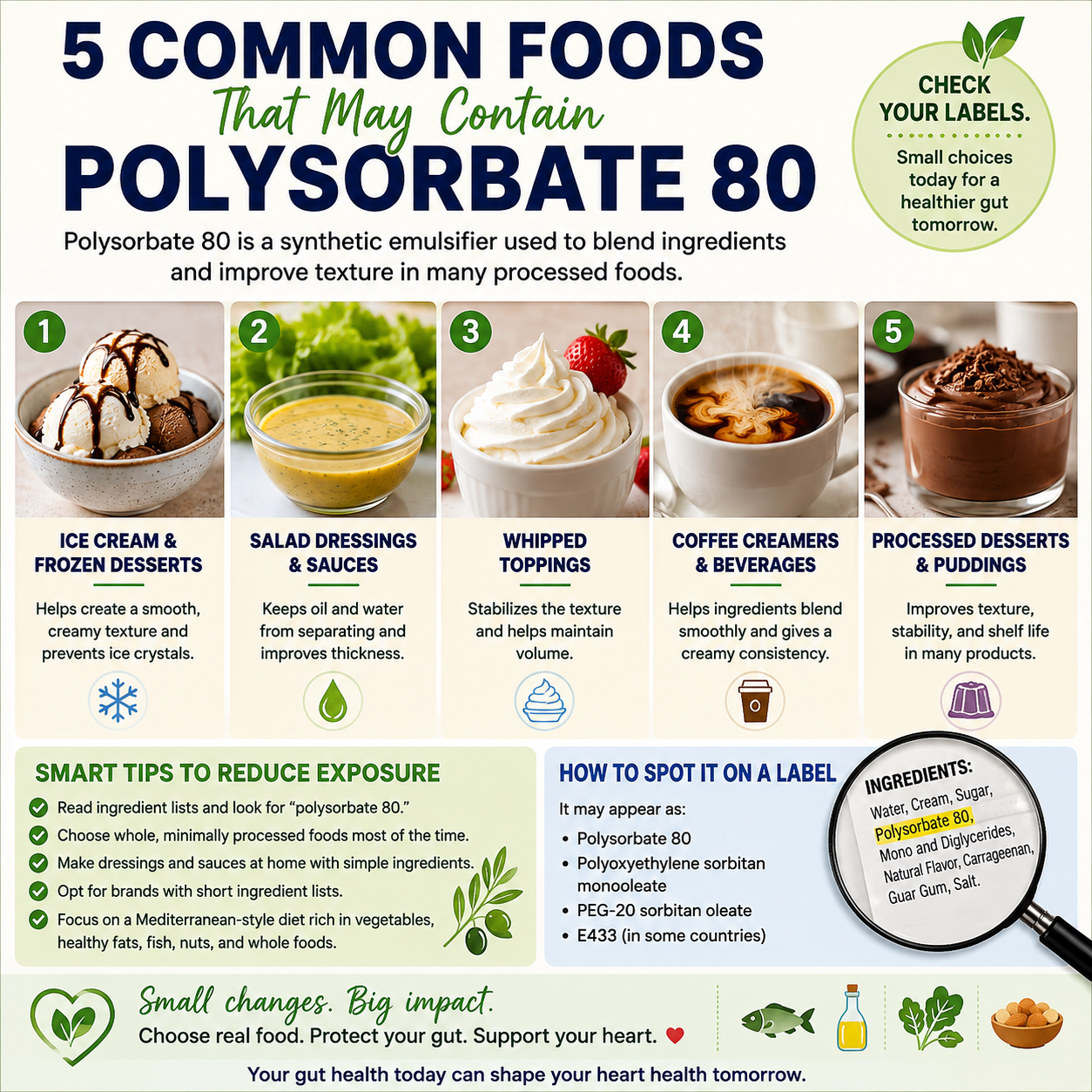
  • Wild-caught salmon

  • Anchovies

Both provide omega-3 fatty acids that support heart health, reduce inflammation, and elevate your pizza from indulgence to nourishment.


Pizza Without Regret

Pizza doesn’t have to be something you “cheat” with. It can be something you craft with intention.

When you remove the processed crust, eliminate poor-quality oils, and build your pizza on a gluten-free foundation made from scratch, everything changes.

You feel lighter.
You digest better.
You enjoy it more.

That’s what real food does.

Healthy pizza isn’t about deprivation. It’s about upgrading the base.

And once you get that right, the rest is easy.

THE Powerful Lemon Drink

A powerful beverage I’ve been drinking every day for the last 2 weeks to improve my cardiovascular health is THE Lemon Drink.  For being such a simplistic beverage with only 2 ingredients (warm water and fresh-squeezed lemon juice), it delivers a powerful punch of benefits beyond cardiovascular health.


The lemon is loaded with phytonutrients, such as flavonoids and antioxidants, and is mostly known for liver detox and support.  Sure, these are good benefits like supporting your body’s natural detox pathways, improving insulin sensitivity, and reducing fat buildup in your liver cells.  But, the benefits go beyond this.

The lemon’s natural acids help to stimulate bile production (bile is a fluid made by the liver that helps break down fats and carry waste out of the body), which assists in breaking down fats more efficiently and improves digestion.

Additionally, it helps improve gut health.  This is huge since your gut is where health begins and is mostly responsible for your overall immune functioning.  It helps to support a diverse gut microbiome, lowers inflammation, and enhances mood disposition.   This is most likely why I had a general good feeling every day from just 1 week of consuming this drink.

And finally, there are cardiovascular health benefits, which is why I originally started drinking The Powerful Lemon Drink.  These include:  helps to regulate blood sugar levels; supports healthy blood flow and circulation, maintains healthy cholesterol balance, and reduces oxidative stress and inflammation. 

Below are a few tips to drinking The Powerful Lemon Drink:

  1. Make sure you squeeze enough lemon juice into your 8 – 12 ounces of warm water.  Otherwise, it’s just lemon-flavored water.  Aim for at least half a lemon per serving.
  2. Let it steep for at least 5 – 10 minutes in order for it to fully absorb the Vitamin C and other nutrients.
  3. Drink first thing in the morning on an empty stomach and do not mix with food; it does not mix well with stomach acid.
  4. Don’t add any sugar or artificial sweeteners; the only exception is stevia.
  5. Drink it every single day; once in a while won’t have very much of an effect.