How do you train your HRV?

Great question—HRV (heart rate variability) is trainable, but not in the “grind harder” way most people expect. You improve HRV by teaching your nervous system to shift smoothly between stress and recovery.

Here’s the clean, evidence-backed way to do it.


1. Breathe like you’re training your nervous system (because you are)

This is the fastest lever.

Best method:

  • 5–6 breaths per minute

  • Inhale ~4–5 sec, exhale ~5–6 sec

  • 5–10 minutes, 1–2× daily

This stimulates the vagus nerve and improves parasympathetic tone → higher HRV.

 Tip: Long exhales matter more than big inhales.


2️⃣ Train, but don’t redline all the time

HRV improves when your body learns stress and recovery.

What helps HRV most:

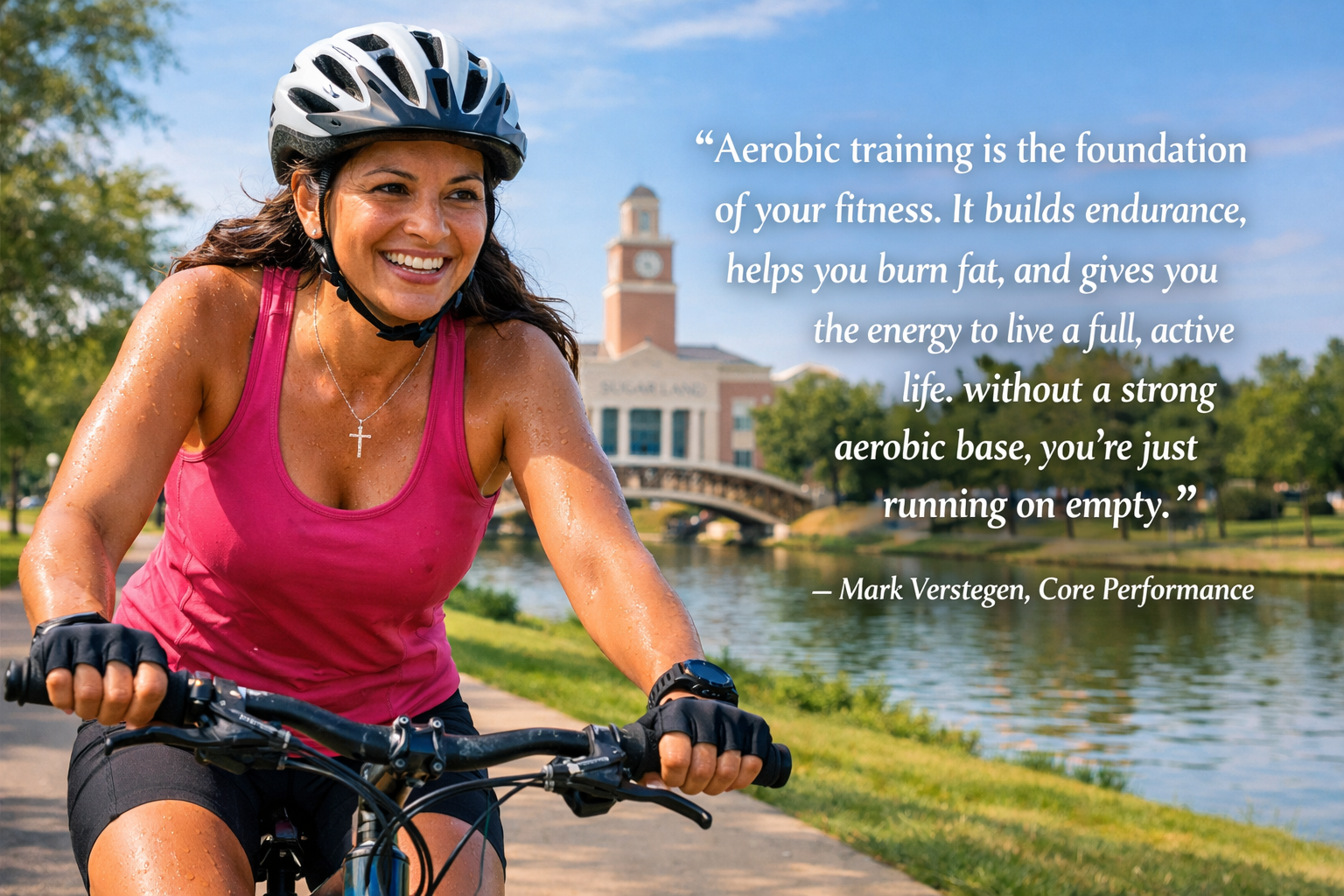
  • Zone 2 cardio (walking, cycling, swimming)

  • Moderate strength training

  • Short, infrequent HIIT (1–2×/week max)

What hurts HRV if overdone:

  • Daily HIIT

  • Chronic “no rest days” mentality

  • Training hard on poor sleep

Think consistent, not crushing.


3️⃣ Sleep is non-negotiable

No hack beats sleep.

HRV-friendly sleep habits:

  • Same bedtime/wake time

  • Cool, dark room

  • No alcohol close to bedtime (big HRV killer)

  • Morning sunlight exposure

Even one poor night can drop HRV for days.


4️⃣ Cold exposure (used correctly)

Short cold stress improves HRV if you recover from it.

  • Cold shower: 30–90 sec

  • Breathe calmly (no gasping)

  • 2–4× per week

Avoid long ice baths if already stressed or under-recovered.


5️⃣ Reduce hidden stressors

Your nervous system doesn’t know the difference between:

  • Emotional stress

  • Overtraining

  • Undereating

  • Poor sleep

All lower HRV.

Check:

  • Are you under-fueling carbs?

  • Too much caffeine?

  • Too little downtime?


6️⃣ Eat for nervous system stability

HRV hates blood sugar chaos.

Support HRV with:

  • Adequate carbs (especially for active people)

  • Magnesium-rich foods (or Mg glycinate)

  • Omega-3s

  • Regular meals


7️⃣ Track trends, not daily numbers

HRV fluctuates a lot.

  • Look at 7–14 day averages

  • Morning readings only

  • Compare against sleep, stress, and training load

Low HRV isn’t “bad”—it’s information.


Simple daily HRV routine (10 minutes)

  • 5 min slow breathing

  • 5–30 min walk

  • Consistent bedtime

Do this for 4–6 weeks and HRV almost always improves.

Heart Rate Variability (HRV): A Helpful Tool for Heart Health Awareness

When it comes to heart health, most people are familiar with resting heart rate and blood pressure.

Another powerful—but often overlooked—metric is Heart Rate Variability (HRV). For individuals living with heart conditions, HRV can be a valuable daily insight into how the body is responding to stress, recovery, exercise, and overall lifestyle habits.  Let’s break it down in a simple, encouraging way.

What Is HRV?

Heart Rate Variability (HRV) measures the variation in time between each heartbeat. Even though your heart may feel like it’s beating steadily, the tiny differences between beats tell an important story about your nervous system.

  • Higher HRV generally reflects better recovery, adaptability, and nervous system balance
  • Lower HRV may indicate stress, fatigue, illness, poor sleep, or overexertion

HRV reflects how well your autonomic nervous system—the system that controls heart rate, breathing, and recovery—is functioning.

Why HRV Is Especially Important for Individuals With Heart Conditions

For people with heart disease, a history of cardiac events, arrhythmias, or those in cardiac rehab, HRV can be a non-invasive way to monitor daily readiness and recovery.

Benefits include:

  •  Early awareness of stress or fatigue before symptoms appear
  •  Guidance for exercise intensity, helping avoid overtraining
  •  Insight into sleep quality and recovery
  •  Support for long-term heart health habits

HRV is not a diagnostic tool, but when tracked over time, it can help you and your healthcare or fitness professional make more informed decisions.

How to Measure Your HRV

You don’t need medical-grade equipment to begin tracking HRV. Many consumer devices and apps can do this accurately enough for daily awareness.

Common ways to measure HRV:

  • Wearable devices (wrist or ring-based)
  • Chest heart-rate straps
  • Smartphone apps using a short morning reading

For best results:

  • Measure once daily, ideally in the morning
  • Stay consistent with time and position
  • Focus on trends, not single-day numbers

How to Log and Track HRV Daily

Logging your HRV is simple and helps you see patterns over time.

You can:

  • Use an app dashboard (automatic logging)
  • Track in Apple Health or Google Fit
  • Keep a simple journal noting HRV, sleep, exercise, and stress levels

Pairing HRV data with lifestyle notes helps you understand why your HRV changes.

Useful HRV Apps (Including Free Options)

Here are some popular and reliable apps for HRV tracking:

 Free or Partially Free Apps

  • Elite HRV – Free
    • Excellent for beginners
    • Uses chest straps or phone camera
    • Clear charts and educational insights
  • Apple Health – Free with Apple Watch
    • Automatically tracks HRV
    • Easy integration with fitness and health data
  • Fitbit App – Included with device
    • Nighttime HRV trends
    • Simple and user-friendly

 Paid Apps & Devices

  • HRV4Training – Low-cost, one-time fee
    • Popular with athletes and cardiac-conscious users
    • Morning readiness assessments
  • WHOOP – Subscription-based
    • Continuous HRV tracking
    • Strong recovery and strain insights
  • Oura Ring – Subscription-based
    • Comfortable, sleep-focused
    • Excellent HRV trend data

A Positive Reminder 

HRV is one piece of the wellness puzzle, not a scorecard. Fluctuations are normal. What matters most is

building healthy habits—regular movement, stress management, quality sleep, and proper recovery.

If you have a heart condition, always:

  • Discuss new fitness or monitoring tools with your healthcare provider
  • Use HRV as a guide, not a source of anxiety

At CIDA Fitness, we believe knowledge empowers healthier choices. HRV can help you listen to your body with confidence, compassion, and consistency.

Why Morning Sunlight Might Be the Health Habit You’re Missing

When people think about improving their health, they often focus on workouts, nutrition, or supplements.

One of the most powerful wellness tools, however, is something you already have access to every day—and it’s completely natural, free, and easy.  That tool is natural sunlight, especially first thing in the morning.

The Power of Morning Sunlight 

Getting outside shortly after waking—whether for a walk, light jog, cycling, or other gentle cardio—does more than just wake you up. Morning sunlight sends critical signals to your brain and body that help regulate your hormones, energy, and sleep patterns.  Even 10–20 minutes of outdoor light exposure can make a meaningful difference.

Sunlight and Dopamine: Fuel for Motivation & Initiative

Morning sunlight plays a key role in regulating dopamine, the neurotransmitter responsible for:

  • Motivation
  • Focus
  • Drive
  • Initiative

When dopamine levels are balanced, you’re more likely to:

  • Start tasks without procrastinating
  • Stay mentally sharp
  • Feel energized and purposeful throughout the day

This is why many people notice that a simple morning walk helps them feel clearer, calmer, and more productive—before the day even begins.

Sunlight and Melatonin: Better Sleep Starts in the Morning 

Here’s a powerful (and often overlooked) truth:

Good sleep doesn’t start at night—it starts in the morning.

Morning sunlight helps set your internal clock (circadian rhythm), which directly affects melatonin, the hormone responsible for sleep.

Consistent morning sun exposure can:

  • Help you fall asleep faster
  • Improve sleep depth and quality
  • Reduce nighttime awakenings
  • Support healthier heart and metabolic function

In short, sunlight early in the day helps your body know when to be alert and when to rest.

Combine Sunlight with Movement for Maximum Benefit 

Pairing morning sunlight with light cardio amplifies the benefits:

  • Walking
  • Easy jogging
  • Cycling
  • Stretching or mobility work outdoors

This combination supports:

  • Cardiovascular health
  • Stress reduction
  • Hormonal balance
  • Mental clarity

And the best part? No gym membership required.

A Perspective from Dr. Jack Kruse 

Renowned neurosurgeon and health expert Dr. Jack Kruse, author of Epi-Paleo Rx: The Prescription for Disease Reversal and Optimal Health, emphasizes the foundational role of sunlight in human health:

“Sunlight is not optional for human health. It is a biologic requirement that controls how our mitochondria, hormones, and brain function.”
— Dr. Jack Kruse

This perspective reminds us that modern health often improves when we reconnect with simple, natural rhythms.

Simple, Free, and Accessible to Everyone

Morning sunlight:

  • Costs nothing
  • Requires no equipment
  • Can be done almost anywhere
  • Fits into nearly any lifestyle

Whether you’re managing heart health, improving fitness, or simply trying to feel better day to day, this habit is one of the highest-return investments you can make in your well-being.

A Gentle Encouragement 

At CIDA Fitness, we believe that sustainable health doesn’t have to be complicated. Small, consistent habits—like stepping outside each morning—can lead to meaningful improvements in energy, focus, sleep, and overall quality of life.

Start tomorrow morning.
Open the door.
Step into the light.

Your body knows what to do.

The Benefits of Sauna Use for Heart Health, Cardiac Recovery, and Athletic Performance

Lately, I’ve been using the sauna a few times a week and really feel the difference.  It helps me to relax and I can tell my cardiovascular system is getting a nice workout.  It’s also a good time for me to read.

You see, sauna use isn’t just a luxury—it’s a powerful wellness practice with deep roots in cardiovascular health, recovery, and performance. When used properly and with a physician’s approval, regular sauna sessions can be especially beneficial for individuals recovering from a cardiac event and for athletes looking to optimize recovery, endurance, and overall health.

Let’s explore why sauna therapy has stood the test of time, how often to use it, and how to do so safely.


Why Sauna Use Is So Powerful for the Heart 

Sauna bathing creates a gentle cardiovascular workout. As body temperature rises, blood vessels dilate, circulation improves, and the heart rate increases—similar to light-to-moderate exercise.

Research-backed heart benefits include:

  • Improved blood vessel function and circulation

  • Reduced blood pressure over time

  • Enhanced heart rate variability (a key marker of heart resilience)

  • Lower risk of future cardiovascular events when used consistently

For individuals recovering from a heart attack or cardiac procedure, sauna use—only with medical clearance—can support circulation, relaxation, and stress reduction, all of which are critical for heart healing.

Think of the sauna as active recovery for your cardiovascular system.


Sauna Use After a Cardiac Event (With Doctor’s Approval)

For post-cardiac clients, sauna use should always be:

  • Gradual

  • Moderate

  • Closely monitored

General guidelines often approved by physicians:

  • Frequency: 2–4 times per week

  • Duration: 10–20 minutes per session

  • Temperature: Moderate heat (not extreme)

  • Progression: Slowly build tolerance over several weeks

Benefits for cardiac recovery may include:

  • Reduced stress hormones

  • Improved endothelial (artery) function

  • Better sleep and relaxation

  • Enhanced overall quality of life

⚠️ Always stop immediately if dizziness, chest discomfort, nausea, or unusual fatigue occurs.


Why Athletes Love the Sauna 

Athletes around the world use sauna therapy as a secret weapon for recovery and performance.

Athletic benefits include:

  • Faster muscle recovery and reduced soreness

  • Improved circulation and nutrient delivery

  • Heat adaptation that may improve endurance

  • Increased growth hormone release

  • Mental relaxation and improved sleep

Athlete-focused sauna protocol:

  • Frequency: 3–5 times per week

  • Duration: 15–30 minutes per session

  • Timing: Post-workout or on recovery days

Many endurance athletes even use sauna exposure to mimic heat training, helping the body adapt and perform better under physical stress.


Finland’s Sauna Culture: A Blueprint for Health 🇫🇮

In Finland, sauna use isn’t a trend—it’s a way of life.

  • Over 3 million saunas for a population of 5.5 million

  • Many Finns use the sauna 4–7 times per week

  • Sauna bathing is linked to lower rates of heart disease, stroke, and all-cause mortality

For Finns, sauna time is about connection, relaxation, and consistency—not extremes. This balanced approach is exactly what makes sauna use so effective and sustainable.


How Long & How Often for Real Benefits?

For most people, benefits begin with consistency—not intensity.

Ideal sauna use for health:

  • 2–4 sessions per week for heart health

  • 15–25 minutes per session

  • Sweating lightly to moderately, not pushing limits

Consistency over months—not days—is what delivers lasting cardiovascular and metabolic benefits.


Sauna Safety: What You Need to Know 

Sauna use is generally safe for healthy individuals, but safety matters—especially for heart patients.

Important precautions:

  • Get medical clearance after a cardiac event

  • Stay well hydrated before and after

  • Avoid alcohol before or after sauna use

  • Start with short sessions and build gradually

  • Exit immediately if you feel lightheaded or unwell

  • Cool down slowly—no sudden cold plunges unless approved

Sauna therapy should leave you feeling refreshed and relaxed, not depleted.


The Bottom Line

When used wisely, sauna therapy can be a powerful ally for:

  • Heart health and cardiac recovery

  • Athletic performance and recovery

  • Stress reduction and longevity

At CIDA Fitness, we believe in smart, evidence-based lifestyle strategies that support long-term health—especially for individuals recovering from a cardiac event and athletes committed to peak performance.

If you’re unsure how sauna use fits into your recovery or training plan, we’re here to help guide you safely and effectively.

Double Stuffed Cheese Peppers

Serving: 4

Prep Time: 10 minutes

Cook Time: 25 minutes

Ingredients

  • 4 summer bell peppers, divined and halved
  • 1 clove garlic, minced
  • 4 ounces cream cheese
  • 2 ounces mozzarella cheese, crumbled
  • 2 tablespoons Greek-style yogurt

How To

  1. Cook the peppers in boiling water in a Dutch oven until just tender or approximately 7 minutes.
  2. Mix the garlic, cream cheese, mozzarella, and yogurt until well combined. Then, stuff the peppers with the cheese mixture.
  3. Arrange the stuffed peppers on a til-lined baking pan.
  4. Bake in the preheated oven at 360 degrees F for 10 to 12 minutes. Serve at room temperature.

Nutrition (Per Serving)

  • Calories: 140
  • Fat: 7g
  • Carbohydrates: 8g
  • Protein: 0.9g


Heart-Healthy Eggs, Sardines & Spinach Power Plate Recipe

A protein-rich, omega-3–packed meal to support heart health, recovery, and athletic performance

Prep Time

5 minutes

🔥 Cook Time

10 minutes

🍽 Number of Servings

1 serving


🧾 Ingredients

  • 2 pasture-raised eggs

  • 1 can wild sardines (in water or extra virgin olive oil)

  • 1 cup fresh spinach

  • 1 teaspoon extra virgin olive oil

  • Sea salt and black pepper, to taste

  • Optional: garlic, onions, or red pepper flakes


👩‍🍳 Directions

  1. Heat olive oil in a skillet over medium-low heat.

  2. Add spinach and sauté until just wilted (about 1–2 minutes).

  3. Add sardines and gently warm — avoid overcooking.

  4. Crack eggs into the pan and cook to your preferred doneness (scrambled, sunny-side, or over-easy).

  5. Season lightly with sea salt and black pepper. Serve warm.


📊 Nutrition Information (Approximate per Serving)

  • Calories: ~450

  • Protein: ~32 g

  • Carbohydrates: ~6 g

  • Fat: ~34 g

  • Sugar: ~1 g

  • Fiber: ~3 g


❤️ Why This Recipe Is Ideal for Heart Health & Athletes

This heart-healthy eggs and sardines recipe delivers powerful nutrition in a simple, easy-to-digest meal. Sardines are one of the best natural sources of omega-3 fatty acids (EPA and DHA), which support cardiovascular health, reduce inflammation, and promote recovery after exercise or a cardiac event. Eggs provide complete protein and choline, essential for muscle repair, brain health, and metabolic function. Spinach adds magnesium, potassium, antioxidants, and fiber, supporting circulation, blood pressure balance, and endurance.

This meal is ideal for:

  • Individuals with a history of heart attack or cardiac rehab

  • Athletes seeking clean, anti-inflammatory fuel

  • Anyone wanting a high-protein, heart-healthy breakfast or lunch