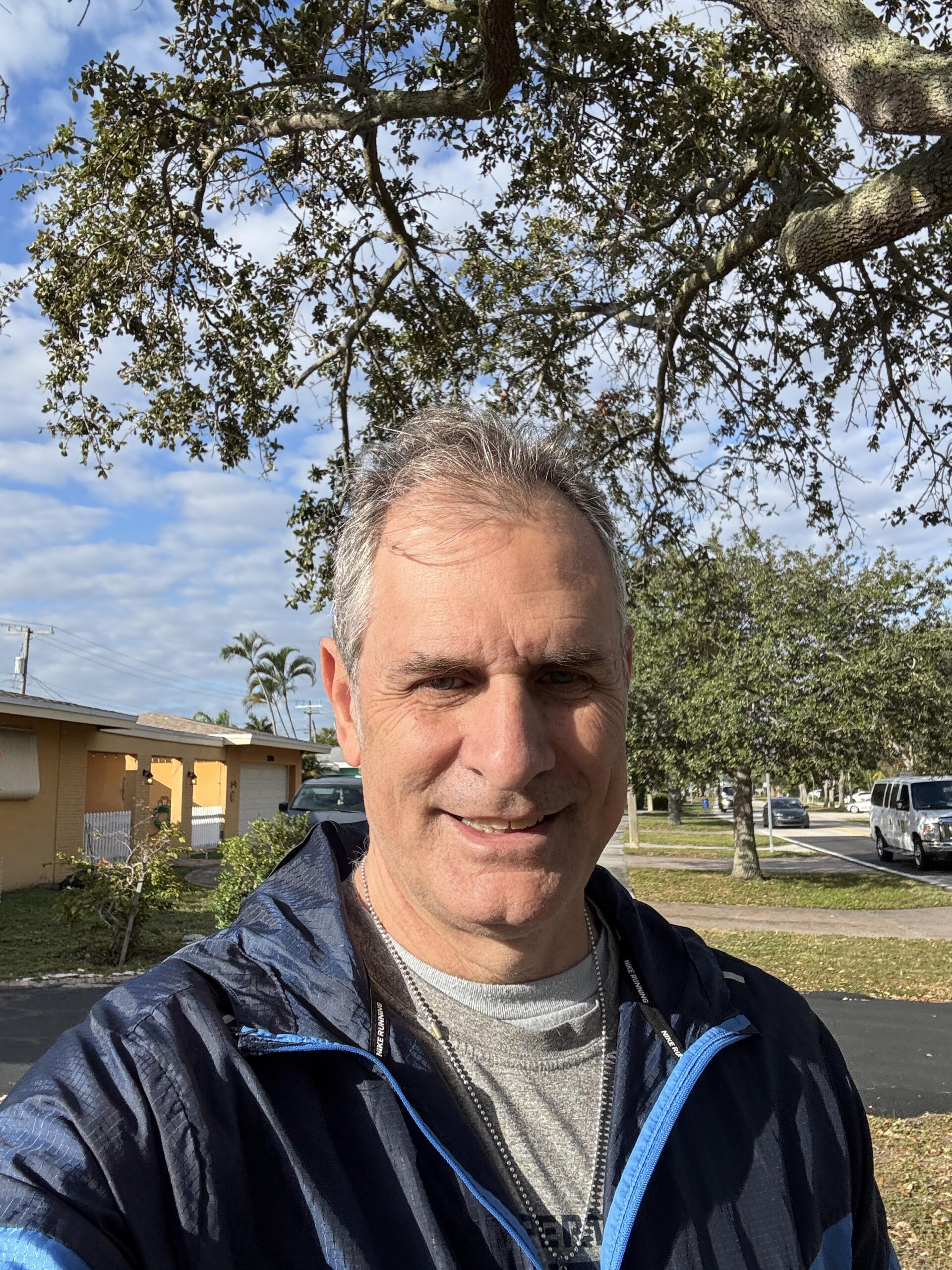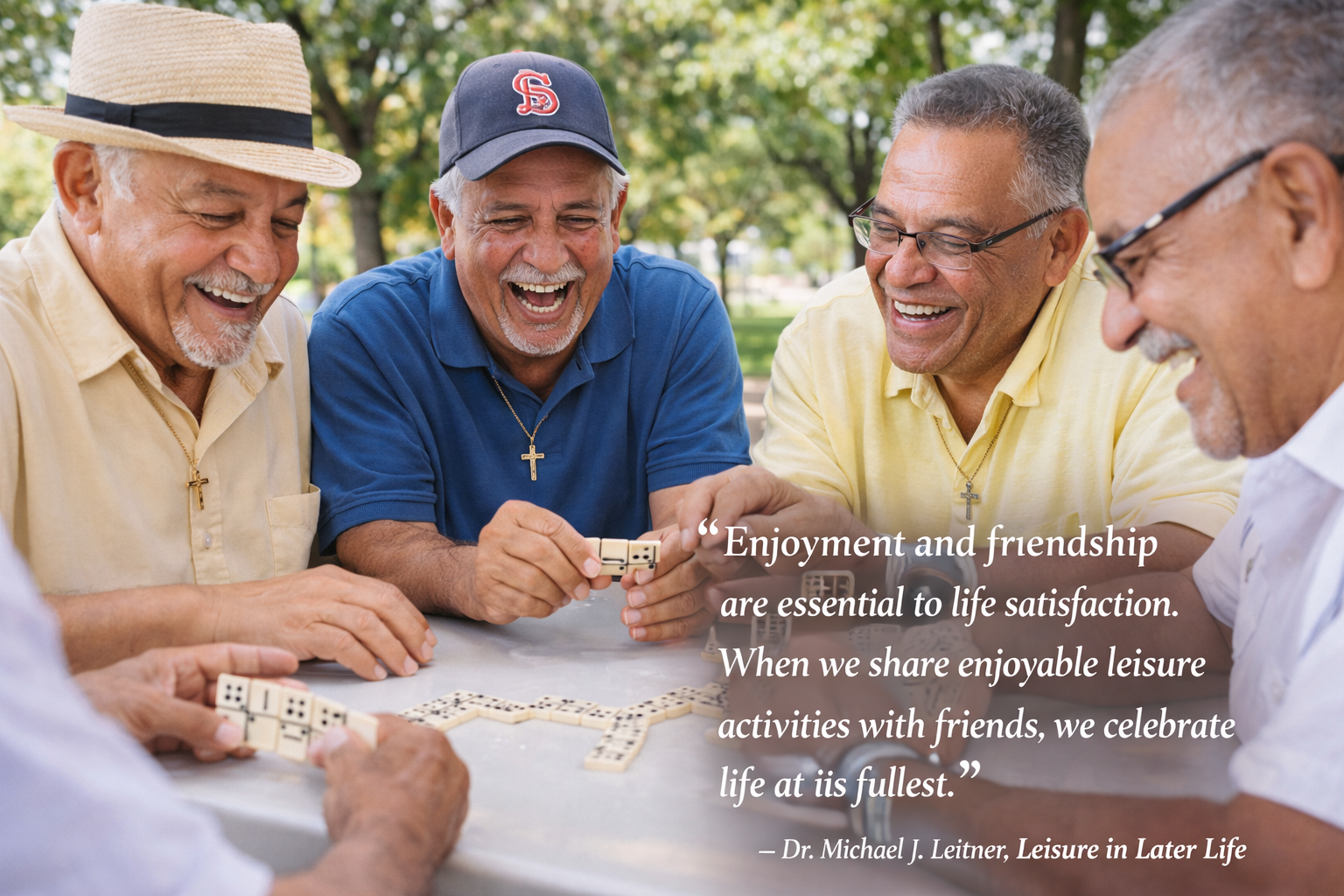
Enjoyment and Friendship
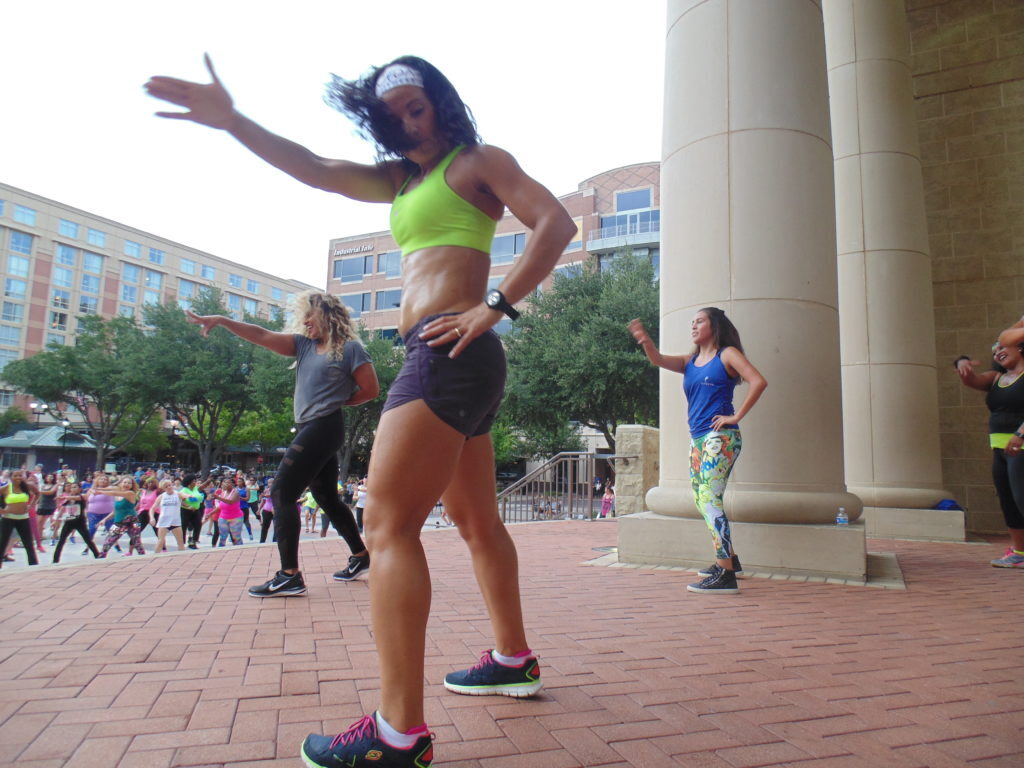
Personal Training, Fitness & Nutrition Coaching and Group Fitness
Recovering from a cardiac event is about more than medications and workouts—it’s also about restoring balance, lowering stress, and reconnecting with the natural rhythms of the body. Three simple, natural practices can play a powerful role in heart health and recovery: grounding (walking barefoot), swimming in ocean salt water, and getting natural sunlight.
These are the reasons why I love visiting Fort Lauderdale, FL, so I can relax and enjoy the beautiful beach. My favorite place to go is Aruba’s, the only restaurant actuallly on the beach. I can eat a great, healthy meal and then walk outside on the beach (grounding) and then jump in the ocean. All at once!
These habits are especially beneficial on days when flying, when the body experiences increased stress, inflammation, and circulation challenges.

Grounding, also known as earthing, involves walking barefoot on natural surfaces such as grass, sand, or soil. Direct contact with the Earth may help neutralize excess electrical charge in the body, supporting relaxation and nervous system balance.
Potential heart-health benefits of grounding include:
Reduced stress and cortisol levels
Improved sleep quality
Enhanced circulation
Greater sense of calm and mental clarity
Stress reduction is especially important for individuals recovering from a heart attack or other cardiac event, as chronic stress can negatively affect blood pressure and heart rhythm.
Swimming in the ocean is one of the most heart-friendly forms of movement available. Salt water provides natural buoyancy, reducing joint strain while offering gentle resistance that supports cardiovascular fitness.
Why ocean swimming supports cardiac recovery:
Encourages healthy circulation
Helps relax muscles and reduce inflammation
Supports mobility without overloading the heart
Promotes nervous system calm and emotional well-being
For those who travel frequently, ocean swimming after flying can be particularly helpful. Long flights often lead to dehydration, stiffness, and sluggish circulation. Salt water swimming helps the body rehydrate, reset, and feel grounded again.
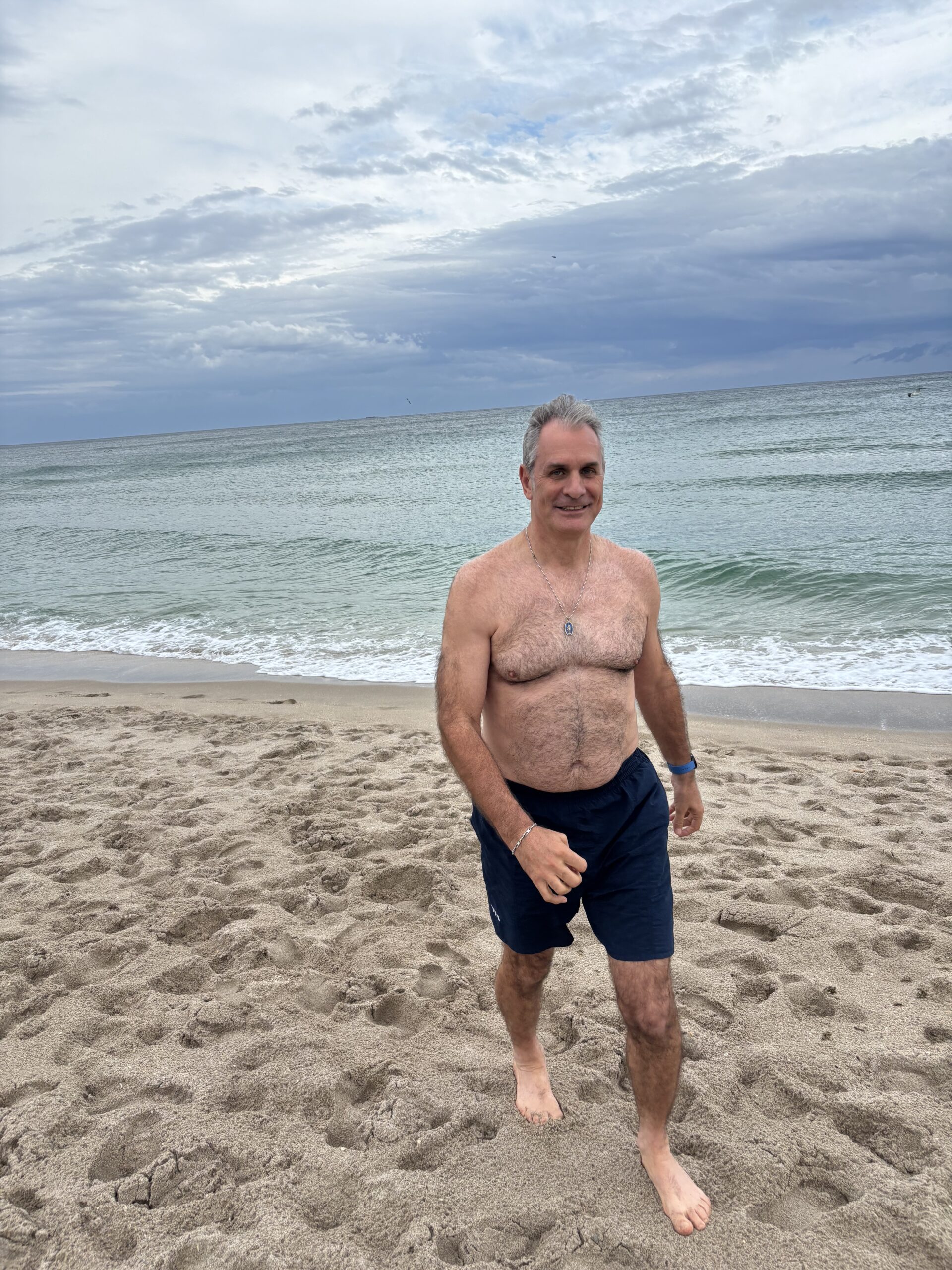
Getting natural sunlight is one of the most overlooked but powerful tools for heart health. Moderate sun exposure supports vitamin D production, which is linked to healthy blood pressure, vascular function, and immune health.
Sunlight benefits for heart recovery include:
Supports vitamin D levels
Helps regulate circadian rhythm and sleep
Improves mood and reduces anxiety
Encourages healthier blood pressure regulation
For individuals recovering from a cardiac event, sunlight can enhance energy levels and support the body’s natural healing processes. Even 10–20 minutes of sunlight per day, especially in the morning or late afternoon, can make a meaningful difference.
Grounding, ocean swimming, and sunlight work synergistically to:
Calm the nervous system
Improve circulation and oxygen delivery
Reduce inflammation and stress
Support emotional and physical recovery
These practices remind the body how to heal naturally—without extremes or complicated routines.
You don’t need intense workouts or complex protocols to support heart health. Sometimes the most effective recovery tools are the simplest:
Walk barefoot on grass or sand
Swim gently in the ocean
Spend time in natural sunlight
At CIDA Fitness, we believe heart recovery is about rebuilding confidence, strength, and vitality—while honoring the body’s natural design.
If you’re recovering from a cardiac event or working toward better cardiovascular health, these nature-based practices can be powerful additions to your wellness routine.
Look for Aruba’s Restaurant if you visit Fort Lauderdale.


Absolutely — you can start tracking HRV without paying a dime! Here are some free apps that let you measure or monitor HRV with minimal cost or basic tools:
 Free HRV Measurement Apps
1. WatchMyHRV (Apple Watch & iPhone) – Free
Real-time on-demand HRV measurements
Shows RMSSD, SDNN & recovery status
Works nicely with Apple Watch health data
2. SelfLoops HRV (iPhone/iPad) – Free + optional upgrades
Provides key HRV metrics (RMSSD, SDNN)
Works with Bluetooth heart rate monitors (e.g., chest straps)
3. Heartify: Heart Health Monitor (iPhone) – Free + optional subscriptions
Uses phone camera to estimate HRV and stress levels
Tracks trends over time
4. HRV Health basic (iPhone) – Free
Daily HRV tracking tied to lifestyle and recovery
Requires compatible heart monitor (e.g., Polar H9/H10) for best accuracy
5. Welltory (iOS & Android) – Free tier available
Measures HRV, stress, energy, sleep quality
Uses phone camera or wearable data
Free features include basic readings; premium features are paid
Phone camera HRV apps (like Heartify or Welltory) use light changes on your fingertip (photoplethysmography) to estimate beat-to-beat intervals — not as accurate as ECG/chest straps, but great for daily trend tracking.
Apple Watch & Samsung Health: Your Apple Watch and Samsung phones/watches do measure HRV passively (especially overnight), but dedicated apps like WatchMyHRV give you more intentional control of readings.
External chest straps (Polar, Wahoo, etc.) paired with these apps often give much better HRV quality than camera-only methods.
 Bonus Tip
Even if an app is “free,” consistency beats sensor type. Daily 1–3-minute HRV readings done at the same time (like right after waking up) are far more useful than sporadic long tests.
Great question—HRV (heart rate variability) is trainable, but not in the “grind harder” way most people expect. You improve HRV by teaching your nervous system to shift smoothly between stress and recovery.
Here’s the clean, evidence-backed way to do it.
This is the fastest lever.
Best method:
5–6 breaths per minute
Inhale ~4–5 sec, exhale ~5–6 sec
5–10 minutes, 1–2× daily
This stimulates the vagus nerve and improves parasympathetic tone → higher HRV.
Tip: Long exhales matter more than big inhales.
HRV improves when your body learns stress and recovery.
What helps HRV most:
Zone 2 cardio (walking, cycling, swimming)
Moderate strength training
Short, infrequent HIIT (1–2×/week max)
What hurts HRV if overdone:
Daily HIIT
Chronic “no rest days” mentality
Training hard on poor sleep
Think consistent, not crushing.
No hack beats sleep.
HRV-friendly sleep habits:
Same bedtime/wake time
Cool, dark room
No alcohol close to bedtime (big HRV killer)
Morning sunlight exposure
Even one poor night can drop HRV for days.
Short cold stress improves HRV if you recover from it.
Cold shower: 30–90 sec
Breathe calmly (no gasping)
2–4× per week
Avoid long ice baths if already stressed or under-recovered.
Your nervous system doesn’t know the difference between:
Emotional stress
Overtraining
Undereating
Poor sleep
All lower HRV.
Check:
Are you under-fueling carbs?
Too much caffeine?
Too little downtime?
HRV hates blood sugar chaos.
Support HRV with:
Adequate carbs (especially for active people)
Magnesium-rich foods (or Mg glycinate)
Omega-3s
Regular meals
HRV fluctuates a lot.
Look at 7–14 day averages
Morning readings only
Compare against sleep, stress, and training load
Low HRV isn’t “bad”—it’s information.
5 min slow breathing
5–30 min walk
Consistent bedtime
Do this for 4–6 weeks and HRV almost always improves.
When it comes to heart health, most people are familiar with resting heart rate and blood pressure.
Another powerful—but often overlooked—metric is Heart Rate Variability (HRV). For individuals living with heart conditions, HRV can be a valuable daily insight into how the body is responding to stress, recovery, exercise, and overall lifestyle habits. Let’s break it down in a simple, encouraging way.
What Is HRV?
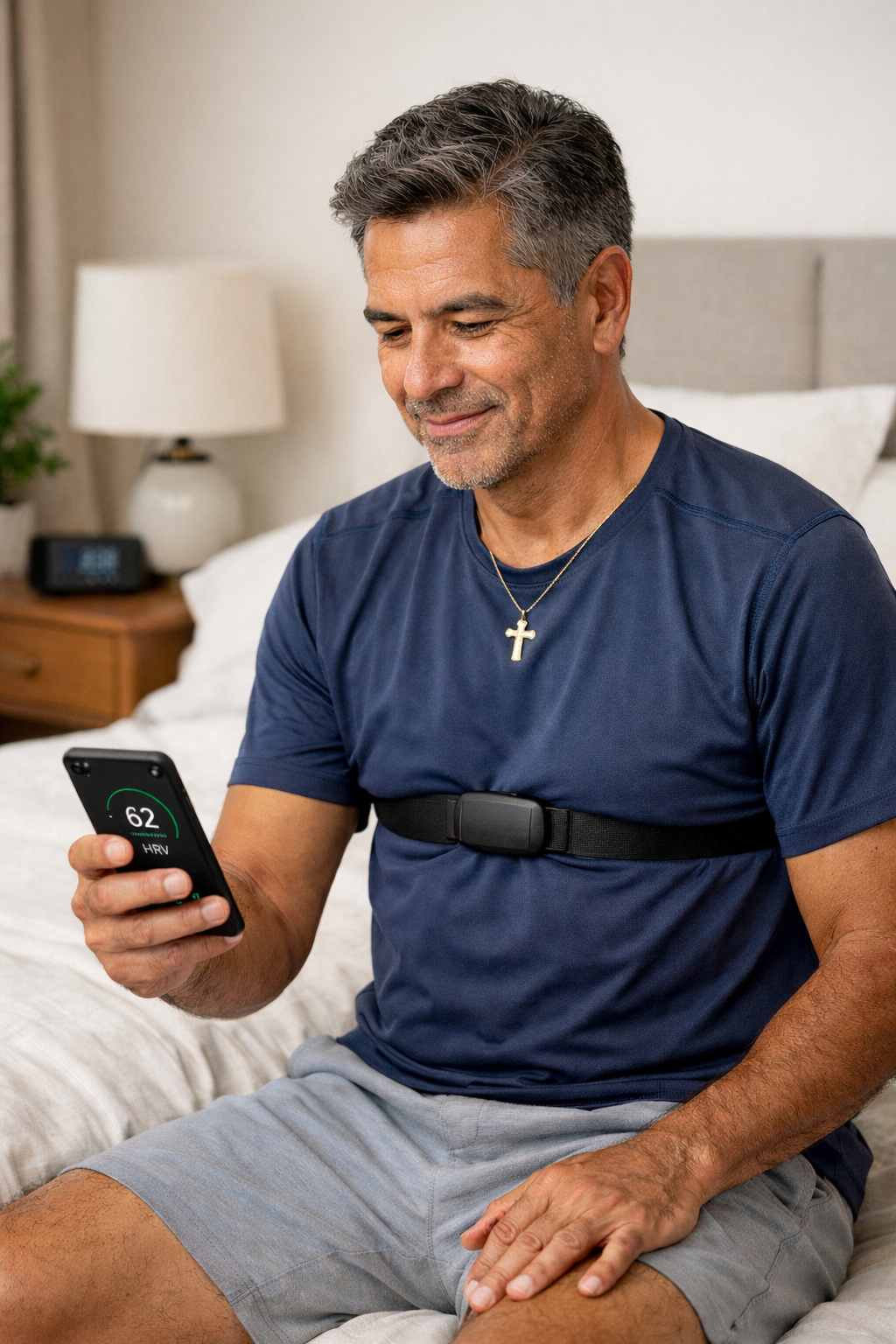
Heart Rate Variability (HRV) measures the variation in time between each heartbeat. Even though your heart may feel like it’s beating steadily, the tiny differences between beats tell an important story about your nervous system.
HRV reflects how well your autonomic nervous system—the system that controls heart rate, breathing, and recovery—is functioning.
Why HRV Is Especially Important for Individuals With Heart Conditions
For people with heart disease, a history of cardiac events, arrhythmias, or those in cardiac rehab, HRV can be a non-invasive way to monitor daily readiness and recovery.
Benefits include:
HRV is not a diagnostic tool, but when tracked over time, it can help you and your healthcare or fitness professional make more informed decisions.
How to Measure Your HRV
You don’t need medical-grade equipment to begin tracking HRV. Many consumer devices and apps can do this accurately enough for daily awareness.
Common ways to measure HRV:
For best results:
How to Log and Track HRV Daily
Logging your HRV is simple and helps you see patterns over time.
You can:
Pairing HRV data with lifestyle notes helps you understand why your HRV changes.
Useful HRV Apps (Including Free Options)
Here are some popular and reliable apps for HRV tracking:
Free or Partially Free Apps
Paid Apps & Devices
A Positive Reminder
HRV is one piece of the wellness puzzle, not a scorecard. Fluctuations are normal. What matters most is
building healthy habits—regular movement, stress management, quality sleep, and proper recovery.
If you have a heart condition, always:
At CIDA Fitness, we believe knowledge empowers healthier choices. HRV can help you listen to your body with confidence, compassion, and consistency.
When people think about improving their health, they often focus on workouts, nutrition, or supplements.
One of the most powerful wellness tools, however, is something you already have access to every day—and it’s completely natural, free, and easy. That tool is natural sunlight, especially first thing in the morning.
The Power of Morning Sunlight

Getting outside shortly after waking—whether for a walk, light jog, cycling, or other gentle cardio—does more than just wake you up. Morning sunlight sends critical signals to your brain and body that help regulate your hormones, energy, and sleep patterns. Even 10–20 minutes of outdoor light exposure can make a meaningful difference.
Sunlight and Dopamine: Fuel for Motivation & Initiative
Morning sunlight plays a key role in regulating dopamine, the neurotransmitter responsible for:
When dopamine levels are balanced, you’re more likely to:
This is why many people notice that a simple morning walk helps them feel clearer, calmer, and more productive—before the day even begins.
Sunlight and Melatonin: Better Sleep Starts in the Morning
Here’s a powerful (and often overlooked) truth:
Good sleep doesn’t start at night—it starts in the morning.
Morning sunlight helps set your internal clock (circadian rhythm), which directly affects melatonin, the hormone responsible for sleep.
Consistent morning sun exposure can:
In short, sunlight early in the day helps your body know when to be alert and when to rest.
Combine Sunlight with Movement for Maximum Benefit
Pairing morning sunlight with light cardio amplifies the benefits:
This combination supports:
And the best part? No gym membership required.
A Perspective from Dr. Jack Kruse
Renowned neurosurgeon and health expert Dr. Jack Kruse, author of Epi-Paleo Rx: The Prescription for Disease Reversal and Optimal Health, emphasizes the foundational role of sunlight in human health:
“Sunlight is not optional for human health. It is a biologic requirement that controls how our mitochondria, hormones, and brain function.”
— Dr. Jack Kruse
This perspective reminds us that modern health often improves when we reconnect with simple, natural rhythms.
Simple, Free, and Accessible to Everyone
Morning sunlight:
Whether you’re managing heart health, improving fitness, or simply trying to feel better day to day, this habit is one of the highest-return investments you can make in your well-being.
A Gentle Encouragement
At CIDA Fitness, we believe that sustainable health doesn’t have to be complicated. Small, consistent habits—like stepping outside each morning—can lead to meaningful improvements in energy, focus, sleep, and overall quality of life.
Start tomorrow morning.
Open the door.
Step into the light.
Your body knows what to do.