Plyometric Cida

Fitness isn't just about how you look. It's about how you live.
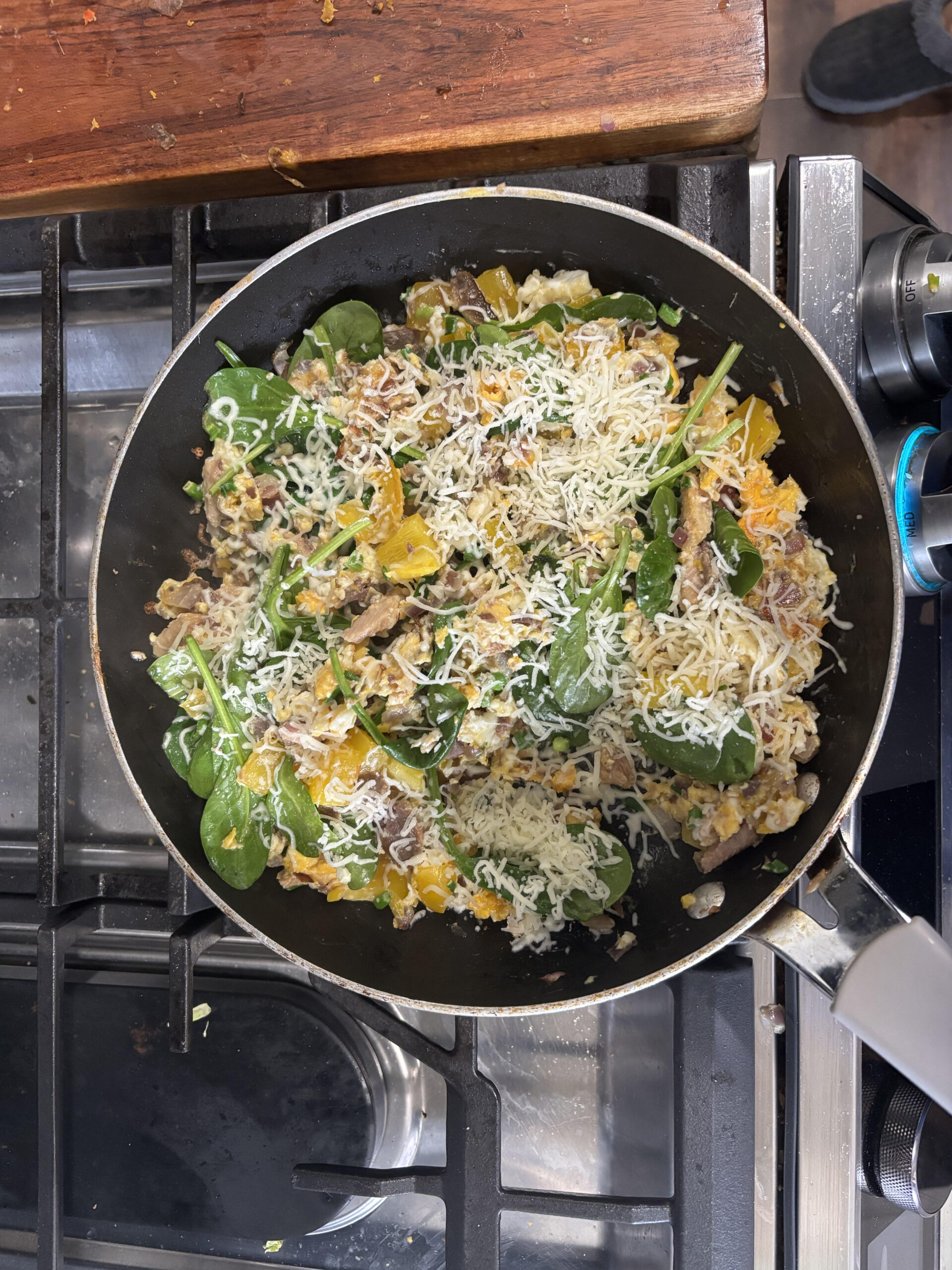
A protein-rich, omega-3–packed meal to support heart health, recovery, and athletic performance
⏱ Prep Time
5 minutes
10 minutes
1 serving
2 pasture-raised eggs
1 can wild sardines (in water or extra virgin olive oil)
1 cup fresh spinach
1 teaspoon extra virgin olive oil
Sea salt and black pepper, to taste
Optional: garlic, onions, or red pepper flakes
Heat olive oil in a skillet over medium-low heat.
Add spinach and sauté until just wilted (about 1–2 minutes).
Add sardines and gently warm — avoid overcooking.
Crack eggs into the pan and cook to your preferred doneness (scrambled, sunny-side, or over-easy).
Season lightly with sea salt and black pepper. Serve warm.
Calories: ~450
Protein: ~32 g
Carbohydrates: ~6 g
Fat: ~34 g
Sugar: ~1 g
Fiber: ~3 g
This heart-healthy eggs and sardines recipe delivers powerful nutrition in a simple, easy-to-digest meal. Sardines are one of the best natural sources of omega-3 fatty acids (EPA and DHA), which support cardiovascular health, reduce inflammation, and promote recovery after exercise or a cardiac event. Eggs provide complete protein and choline, essential for muscle repair, brain health, and metabolic function. Spinach adds magnesium, potassium, antioxidants, and fiber, supporting circulation, blood pressure balance, and endurance.
This meal is ideal for:
Individuals with a history of heart attack or cardiac rehab
Athletes seeking clean, anti-inflammatory fuel
Anyone wanting a high-protein, heart-healthy breakfast or lunch
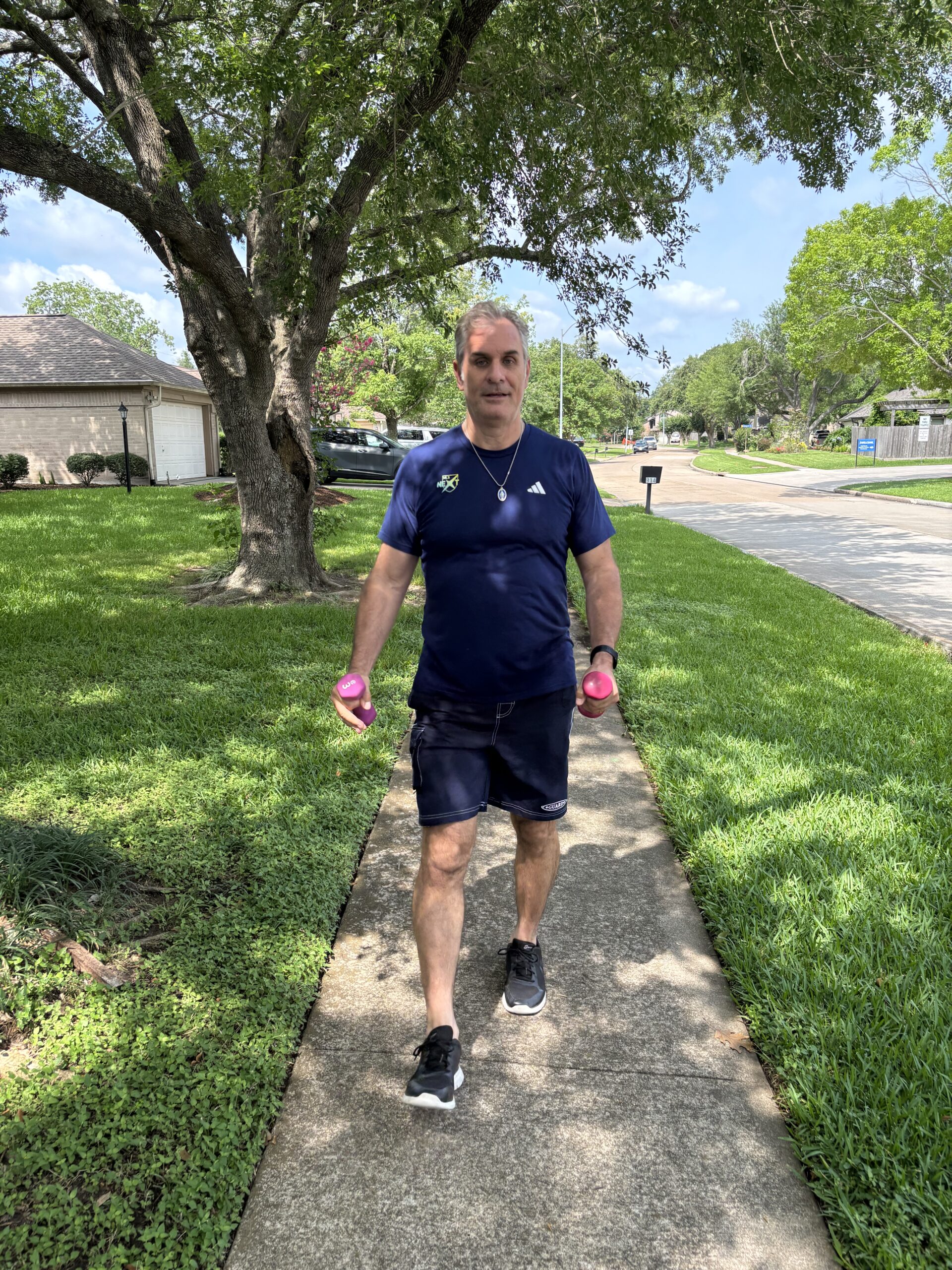
Post-Rehab Cardio & Strength Program – CIDA Fitness
Tracking your heart rate helps you exercise safely, confidently, and effectively after a heart attack. This simple system teaches you how to know your numbers, stay in the right training zones, and build long-term heart health without overdoing it.
Before starting your workouts, take a few minutes to learn your personal heart-rate ranges.
Use this conservative formula:
220 – Your Age = Estimated Maximum Heart Rate
Example:
If you are 60 years old → 220 – 60 = 160 bpm
⚠️ Always follow your cardiologist’s guidance if they have given you specific heart-rate limits.
| Training Zone | % of Max HR | Your Heart Rate |
|---|---|---|
| Fat-Burning Zone | 50–60% | __________ bpm |
| Aerobic Training Zone | 60–70% | __________ bpm |
| Anaerobic Training Zone | 70–85% | __________ bpm |
📌 For most post-rehab clients, the majority of training time should stay in the Fat-Burning and Aerobic Zones.
(Simple, Safe, and Practical)
Primary zone for this program
Improves circulation and endurance
Supports weight management and metabolic health
Very heart-friendly and sustainable
You should be able to talk easily in full sentences
Secondary zone for cardiovascular conditioning
Strengthens the heart muscle
Improves oxygen efficiency
Breathing is deeper but controlled
You can talk, but with occasional pauses
Advanced zone – used sparingly and carefully
Short bursts of higher effort
Improves functional strength and resilience
Talking becomes difficult
Not for sustained effort in early recovery
A healthy heart is adaptable. While most of your workouts should remain low to moderate intensity, brief and controlled exposure to higher effort — when approved by your doctor — helps the heart respond better to daily life demands (stairs, carrying groceries, travel, stress).
Fat-Burning Zone: Most walking, cycling, swimming
Aerobic Zone: Slightly faster walking or steady cycling
Anaerobic Zone: Very short moments (e.g., walking up a hill), only if cleared and well-tolerated
💡 Think “a little, not a lot” when it comes to higher intensity.
Use this log to track progress, build confidence, and stay consistent.
| Date | Activity | Duration | Avg HR | Training Zone | How You Felt |
|---|---|---|---|---|---|
| ____ | Walking | 60 min | ____ | Fat / Aerobic | 😊 😐 😓 |
| ____ | Cycling | 30 min | ____ | Fat / Aerobic | 😊 😐 😓 |
| ____ | Strength | 30 min | ____ | Mixed | 😊 😐 😓 |
✔️ Circle how you felt
✔️ Note any symptoms (fatigue, shortness of breath, dizziness)
If numbers feel confusing, use this simple rule:
Fat-Burning Zone: Talking feels easy
Aerobic Zone: Talking is possible, but slightly challenging
Too Intense: You cannot talk comfortably → slow down
Never hold your breath during cardio or strength training
Stop exercising if you feel chest pain, dizziness, or unusual shortness of breath
Stay well-hydrated before, during, and after workouts
Wear supportive shoes and comfortable clothing
When in doubt, stay in the lower heart-rate range
Drink water throughout the day
Increase fluids in warm or humid conditions
Dehydration can elevate heart rate unnecessarily
Consistency is the real secret to heart health.
Training regularly in the right heart-rate zones builds a stronger, more efficient heart — without fear, without burnout, and without pushing too hard.
Your heart doesn’t need extremes. It needs steady, smart movement.
And, to make things more practical for you, use the following Heart Rate Training Form in PDF format to download. There’s also a Spanish version.
CIDA_Fitness_Heart_Rate_Tracking_Log_4_Weeks_EN
CIDA_Fitness_Heart_Rate_Tracking_Log_4_Weeks_ES
For Individuals 6 Months–3 Years Post Heart Attack
This program is designed for individuals who have:
Experienced a heart attack 6 months to 3 years ago
Successfully completed cardiac rehab / physical therapy
Received doctor’s approval to begin a structured fitness program
Our focus is heart-safe, progressive fitness that builds stamina, strength, confidence, and long-term consistency — without pushing into anaerobic or high-risk zones.
Reminder: This is not a race. Healing hearts thrive on patience, rhythm, and consistency ❤️
✅ Train primarily in the Fat-Burning Zone and Aerobic Zone
❌ Avoid anaerobic, max-effort, or breath-holding exercises
✅ Emphasize daily movement, light resistance, and recovery
✅ Encourage two workouts per day for metabolic health and heart resilience
✅ Progress gradually month-to-month
Cardio: 6 days per week
Strength Training: 3 days per week (full body)
Flexibility & Mobility: Daily
Rest Day: 1 full rest or active recovery day per week
Why mornings matter:
Morning sunlight (especially blue light rays) supports:
Circadian rhythm regulation
Hormonal balance
Better sleep quality
Improved cardiovascular and metabolic health
Workout Details:
Duration: 60 minutes
Intensity: Comfortable, conversational pace
Heart Rate Zone: Fat-Burning to Low Aerobic Zone
Location: Outdoors whenever possible
💡 You should be able to walk and speak in full sentences without gasping.
Rotate cardio and strength training depending on the day.
30–60 minutes per session (including warm-up & cool-down)
Choose 1 activity per session:
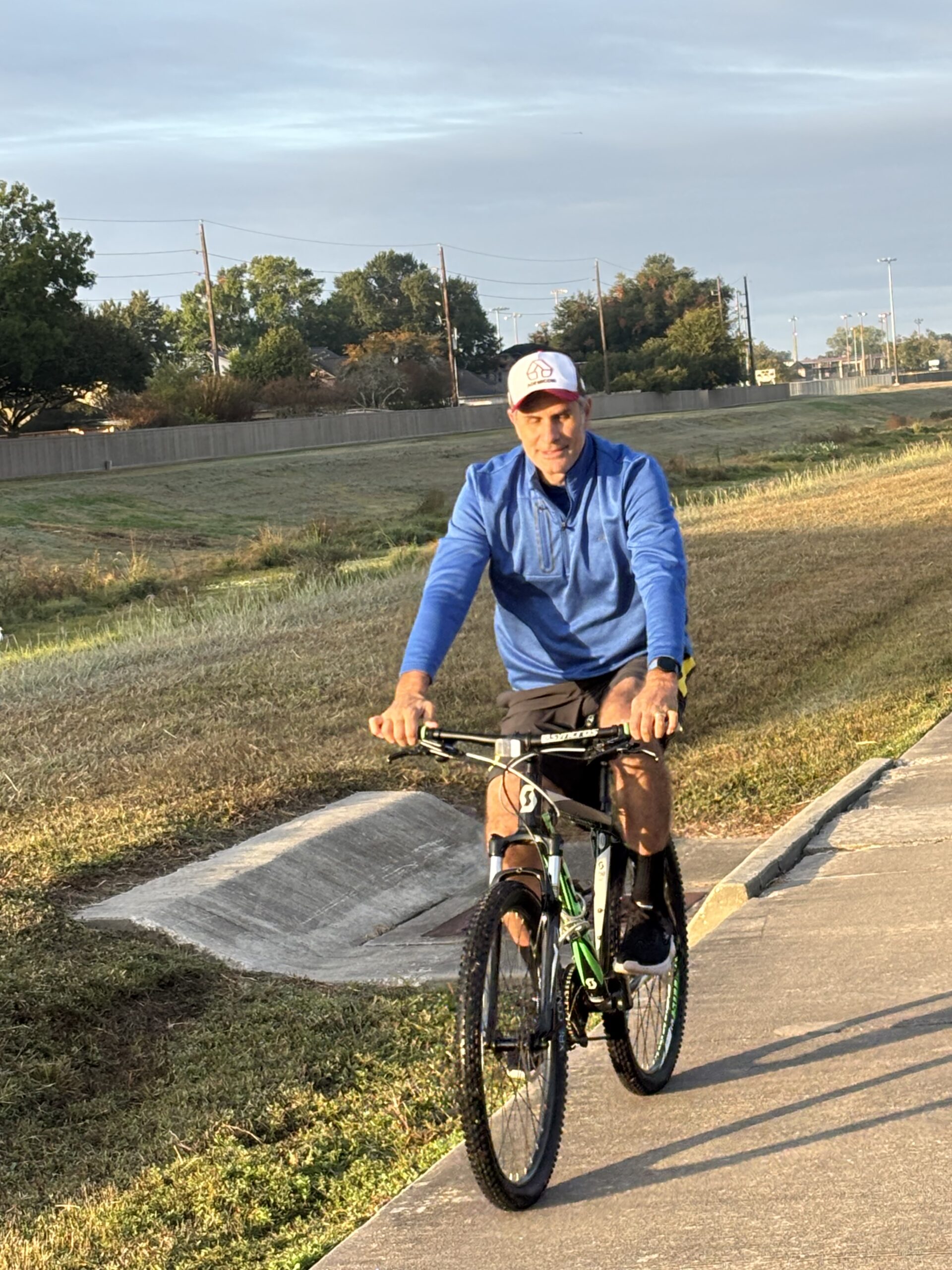
Walking (outdoor or treadmill)
Stationary or outdoor cycling
Swimming
Water fitness / aqua aerobics
Intensity Guidelines
Stay in Fat-Burning or Aerobic Zones
Breathing should remain controlled
No sprinting or high-intensity intervals
| Day | Cardio Focus |
|---|---|
| Mon | Walking |
| Tue | Cycling |
| Wed | Swimming or Water Fitness |
| Thu | Walking |
| Fri | Cycling |
| Sat | Choice Cardio |
| Sun | Rest or gentle walk/stretch |
Example Days: Monday, Wednesday, Friday
Duration: ~30 minutes
Resistance: Light dumbbells, bands, or machines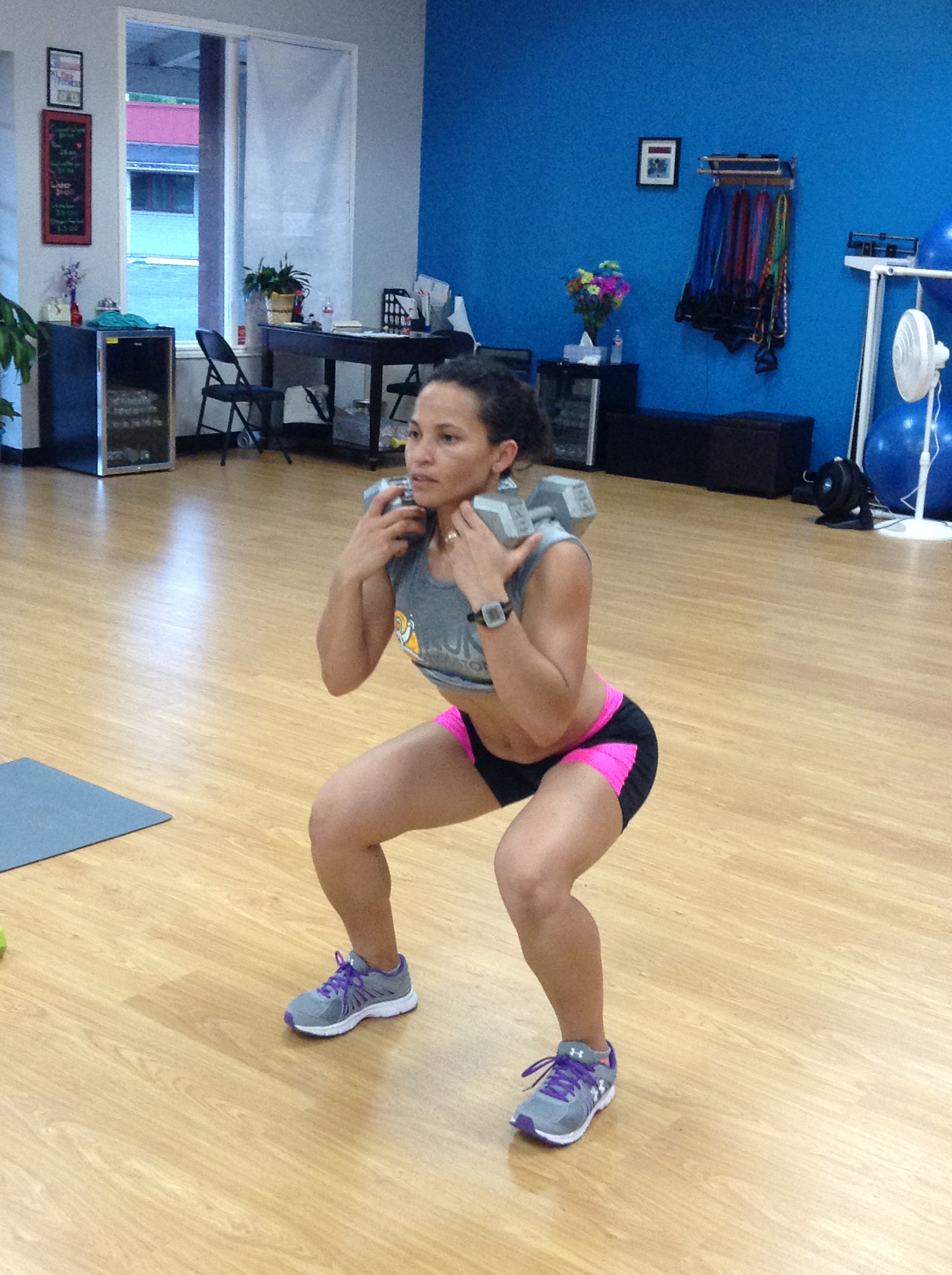
1–2 sets per exercise
10–15 slow, controlled reps
Rest 45–75 seconds between sets
No breath holding (exhale on effort)
Chest: Wall push-ups or chest press
Back: Seated row or resistance band row
Shoulders: Light shoulder raises
Biceps: Dumbbell curls
Triceps: Triceps extensions or kickbacks
Quadriceps: Chair squats or leg press
Hamstrings: Hamstring curls or hip hinge
Calves: Standing calf raises
Seated abdominal bracing
Standing torso rotations (light)
Pelvic tilts or modified planks (optional)
Slow walking or cycling
Arm circles
Shoulder rolls
Marching in place
Gradual slowing of movement
Deep breathing
Light stretching
Focus on:
Hamstrings
Calves
Hips
Chest & shoulders
Lower back
Hold each stretch 15–30 seconds, breathing calmly.
This program is designed for 1 month (4 weeks).
👉 Each month, the program will be updated with:
Slightly longer durations
New exercises
Increased confidence and strength
Continued heart-safe progression
Results come from stacking small wins consistently.
✔ Get medical clearance before starting
✔ Stop exercise if you feel dizziness, chest pain, or unusual shortness of breath
✔ Never hold your breath
✔ Wear supportive footwear
✔ Exercise in a cool, well-ventilated environment
Drink water before, during, and after workouts
Aim for pale-yellow urine as a hydration guide
Increase fluids in heat or humid conditions
Consistency beats intensity — every time.
Walking daily, moving gently, lifting light, breathing well, and staying hydrated creates long-term heart health and confidence in your body again.
Your heart doesn’t need punishment — it needs movement, patience, and care.

Serving: 10
Prep Time: 10 minutes
Cook Time: 8 minutes
Ingredients
How To
Nutrition (Per Serving)