Do Women Really Stress Differently?

About 20 years ago, I read Fantastic Voyage by Ray Kurzweil and Terry Grossman. Recently, I picked it up again and found a section that grabbed my attention just as much as it did the first time: Women Do Stress Differently.

It made me pause.

As someone who works in fitness and nutrition coaching—and who has personally walked through heart recovery—I’m always interested in how stress affects the body. Because let’s be honest: stress is not just mental. It’s biochemical. Hormonal. Cardiovascular. It’s deeply physical.

And according to Kurzweil and Grossman, women may have a built-in physiological edge when it comes to handling stress.

The “Tend and Befriend” Response

We often hear about the classic stress response: fight or flight. Heart rate rises. Blood pressure increases. Cortisol surges. The body prepares for action.

But the authors point out that women also release oxytocin as part of their stress response. Oxytocin is often called the “bonding hormone.” It has a calming effect and encourages what researchers describe as “tend and befriend” behaviors—protecting children, nurturing others, gathering socially, and seeking support.

Here’s where it gets even more interesting:

  • Estrogen enhances oxytocin’s calming effect.

  • Testosterone (higher in men) tends to amplify aggression and hostility under stress.

In other words, while men may be more wired toward confrontation or withdrawal under pressure, women may be biologically nudged toward connection and community.

That’s powerful.

A Possible Heart Advantage?

The book suggests that premenopausal women’s relatively high estrogen levels may offer some protection against heart disease and some of the damaging effects of chronic stress.

From a cardiovascular perspective, this is fascinating. Chronic stress contributes to:

  • Elevated blood pressure

  • Increased inflammation

  • Poor sleep

  • Higher risk of heart disease

If estrogen enhances oxytocin’s calming and bonding effects, it may buffer some of that physiological wear and tear—at least during the premenopausal years.

Of course, this doesn’t mean women are immune to stress-related illness. Not at all. But it does suggest that biology may shape stress patterns differently between men and women.

So… Do Women Have the Advantage?

At first glance, it might seem that way.

But I think the deeper takeaway isn’t about advantage. It’s about awareness.

Women may naturally lean toward connection under stress. That means:

  • Calling a friend

  • Spending time with family

  • Gathering in community

  • Protecting and nurturing

And those behaviors? They’re incredibly healthy.

Social connection lowers stress hormones. Community improves mental health. Support systems improve recovery outcomes. Even from heart disease.

The real question is this:

Are we leaning into the tools we’ve been given?

What This Means for Stress Management

Whether you’re a man or a woman, there’s a lesson here.

  1. Connection is medicine.
    Isolation increases stress. Community reduces it.

  2. Hormones matter—but habits matter more.
    You may not control your estrogen or testosterone levels naturally, but you absolutely control whether you pick up the phone, go for a walk with a friend, or build supportive relationships.

  3. Stress is not just emotional—it’s physical.
    It impacts your heart, digestion, sleep, and recovery.

  4. Men can learn from the “tend and befriend” model too.
    There’s nothing weak about connection. In fact, it may be one of the strongest stress-reduction tools we have.

My Personal Reflection

After going through a heart event myself, I became much more aware of how stress accumulates quietly over time. It’s not always dramatic. Sometimes it’s subtle and chronic.

What helped me most wasn’t just nutrition or exercise (though those are critical). It was community. Prayer. Family. Honest conversations. Support.

Maybe women are biologically nudged toward that sooner.

But the truth is, we all need it.

Final Thoughts

So do women really stress differently?

Biologically—yes, there’s evidence suggesting they do.

But instead of turning this into a competition between men and women, I see it as an invitation:

  • Lean into connection.

  • Build relationships.

  • Protect your heart—physically and emotionally.

  • Understand your stress patterns.

  • Use your biology wisely.

If stress is inevitable (and it is), then managing it intelligently becomes part of living well.

And whether you’re male or female, one thing is clear:

You don’t have to handle stress alone.

Combining GABA and Inositol for Reducing Anxiety and Stress

Seven months ago, after experiencing a heart attack, my perspective on health changed forever. Fitness has always been important to me—but now, stress management sits at the very top of my priority list.

Not just because I want to feel good.
Because I want to live well.

Cardiovascular recovery is not only about cholesterol numbers, medications, or exercise output. It’s about the nervous system. It’s about managing stress hormones. It’s about cultivating calm.

Over the past several months, I’ve built intentional daily habits that protect my heart and mind. And one powerful tool I occasionally use—especially on very stressful days—is the combination of GABA and Inositol.

Let’s break this down.


My Foundation: Daily Stress-Control Habits

Before we even talk about supplements, I want to be clear about something:

No supplement replaces disciplined lifestyle habits.

Here are the pillars I focus on every single week:

  • Eating clean, whole foods

  • Keeping caffeine intake low

  • Exercising daily (even if it’s just a long walk)

  • Getting natural sunlight every day

  • Sleeping 7–9 hours of quality sleep

  • Using the sauna at least 3 times per week

  • Making time for quality leisure and reflection

Drinking tea also plays a big role. Green tea, white tea, and Ceylon tea contain L-theanine and antioxidants that gently support calm focus without overstimulating the nervous system.

But sometimes—especially after a very hard workout or a high-pressure day—your nervous system needs additional support.

That’s where GABA and Inositol come in.


What Is GABA?

GABA (Gamma-Aminobutyric Acid) is your brain’s primary calming neurotransmitter.

Its role is simple but powerful:
It slows down excessive brain activity.

When GABA levels are healthy, you tend to feel:

  • Calm

  • Grounded

  • Less reactive

  • Less mentally “wired”

  • More physically relaxed

Low GABA activity is associated with anxiety, tension, racing thoughts, and difficulty sleeping.

After intense stress—or even after very hard training sessions—your nervous system can remain overstimulated. GABA helps bring things back to balance.


What Is Inositol?

Inositol is often grouped with B vitamins (though technically it isn’t one). It plays a key role in:

  • Supporting healthy neurotransmitter signaling

  • Improving mood balance

  • Reducing anxiety symptoms

  • Enhancing insulin sensitivity

  • Supporting mental clarity

Inositol has been studied for its ability to support individuals dealing with anxiety, panic tendencies, and even obsessive thinking patterns.

What I personally appreciate about Inositol is that it helps me feel mentally clear without feeling sedated.


Why Combine GABA and Inositol?

Here’s where things get interesting.

GABA works primarily by calming the nervous system directly.

Inositol supports neurotransmitter balance and signaling pathways that regulate mood and emotional stability.

Together, they create a synergistic effect:

  • Reduced physical tension

  • Lower mental noise

  • Improved ability to think clearly

  • Better emotional regulation

  • Smoother transition into restful sleep

On very stressful days, this combination helps me stay levelheaded instead of reactive.

After an extremely hard workout—especially intense strength training or conditioning—this blend helps my nervous system shift from “fight-or-flight” into recovery mode.


How I Use It

I keep it simple.

In the early evening, I’ll mix:

  • A moderate dose of GABA

  • A moderate dose of Inositol

I blend it into a smoothie or simply mix it into water or herbal tea.

Within a short period, I can feel my body relax without feeling groggy.

It’s not something I rely on daily—but it’s incredibly helpful when needed.


What Dr. Eric Braverman Says

In The Edge Effect, Eric Braverman explains how neurotransmitter balance shapes personality, mood, and stress resilience. He writes:

“GABA is the brain’s natural tranquilizer, calming nervous tension and quieting excessive brain activity.”

He also discusses how inositol supports serotonin pathways and emotional stability—making it a valuable tool for those struggling with anxiety patterns.

When you understand neurotransmitters, you begin to see that anxiety isn’t just “mental.” It’s biochemical. And supporting the chemistry responsibly can be life-changing.


Why This Matters After a Heart Event

After a cardiac event, stress is no longer something you can ignore.

Chronic stress:

  • Elevates blood pressure

  • Increases inflammation

  • Disrupts sleep

  • Impairs recovery

  • Raises cortisol chronically

Managing stress is not optional—it’s foundational.

And sometimes, strategic supplementation alongside disciplined lifestyle habits can be the difference between surviving and thriving.


Important Note

Always consult your physician before adding supplements—especially if you’re on heart medications or other prescriptions. What works for me may need to be adjusted for you.


Final Thoughts

For me, combining GABA and Inositol has become:

  • A tool for difficult days

  • A recovery aid after intense workouts

  • A mental clarity enhancer

  • A calmness amplifier

But remember: supplements work best when layered on top of disciplined daily habits.

Sunlight. Movement. Clean food. Sauna. Tea. Sleep. Leisure.

Then strategic support when needed.

That’s the formula.


Ready to Take Control of Your Stress and Nutrition?

If you’re serious about improving your health—especially after a major life event—I would love to work with you.

Through my nutrition and fitness coaching at CIDA Fitness, I help clients:

  • Build sustainable nutrition habits

  • Reduce inflammation

  • Improve body composition

  • Manage stress strategically

  • Create long-term cardiovascular resilience

If you’re ready to move from reactive to intentional, reach out to me at www.cidafitness.com and let’s build a plan tailored specifically for you.

Your heart deserves it.

Controlling Cortisol

When it comes to fitness, longevity, and heart health, one hormone deserves a lot more attention than it usually gets: cortisol.

As a trainer and someone deeply invested in long-term health, I’ve come to appreciate that controlling your cortisol levels is not about eliminating stress. It’s about respecting how powerful this hormone is — and learning how to work with it, not against it.

Let’s break it down in a practical, positive way.

What Is Cortisol?

Cortisol is often called “the stress hormone,” but that label doesn’t tell the full story. It’s produced by your adrenal glands and plays a vital role in your daily survival and performance.

Under the regulation of the hypothalamic-pituitary-adrenal (HPA) axis, cortisol helps your body:

  • Regulate blood sugar

  • Control inflammation

  • Maintain blood pressure

  • Support metabolism

  • Manage your sleep–wake cycle

  • Mobilize energy during physical or emotional stress

In healthy amounts, cortisol is not the enemy. It’s essential.

In fact, cortisol is naturally highest in the early morning. This is called the Cortisol Awakening Response (CAR). It helps wake you up, sharpen your focus, and get you moving.

The problem is not cortisol itself.

The problem is chronically elevated cortisol.

What Happens When Cortisol Stays Too High?

When stress becomes constant — work stress, poor sleep, emotional strain, overtraining, financial pressure — cortisol can remain elevated for too long.

Chronically high cortisol levels may contribute to:

  • Increased abdominal fat storage

  • Elevated blood sugar and insulin resistance

  • High blood pressure

  • Sleep disturbances

  • Impaired immune function

  • Increased inflammation

  • Muscle breakdown

  • Anxiety and irritability

Now let’s talk about something very important: the heart.

Cortisol and Heart Conditions

For individuals with a cardiac condition — or anyone recovering from a cardiac event — managing cortisol becomes even more critical.

Chronic cortisol elevation can:

  • Increase blood pressure

  • Increase resting heart rate

  • Contribute to arterial inflammation

  • Promote blood sugar instability

  • Increase clotting tendency

All of these can place additional strain on the cardiovascular system.

If you’ve experienced a heart event (like me), stress management is not optional. It is foundational.

Managing cortisol and stress is essential to recovering well and living well after a cardiac event. Fitness alone isn’t enough. Nutrition alone isn’t enough. You must calm the hormonal environment that surrounds your heart.

The Good Side of Cortisol

Before we demonize cortisol, let’s give it credit.

Cortisol:

  • Helps you wake up and feel alert

  • Allows you to respond quickly in emergencies

  • Reduces excessive inflammation

  • Supports endurance during exercise

  • Maintains metabolic flexibility

Without cortisol, you wouldn’t have energy for a workout or mental clarity for decision-making.

The goal is rhythm, not suppression.

Cortisol should rise in the morning, gently taper through the day, and be low at night.

When that rhythm is intact, you feel strong, focused, and resilient.

How I Personally Manage Cortisol

Over the years, I’ve adjusted my habits to support a healthier cortisol rhythm.

One simple change I’ve made: I do not drink coffee first thing in the morning.

Because cortisol is already naturally high upon waking, immediately adding caffeine can potentially spike it further. For some people, this may amplify jitters, anxiety, and stress responses.

Instead, first thing in the morning I have a simple Lemon Drink (I wrote about this on this blog last month). It’s refreshing, hydrating, and gentle on the system.

Then about an hour later — once my body has fully awakened — I enjoy a cup of coffee with Laird Superfood creamer. That timing works better for me and feels more balanced.

Small shifts like this can make a meaningful difference over time.

Natural Ways to Manage Cortisol

Here are strategies I consistently recommend:

1. Prioritize Sleep

Aim for 7–8 hours of quality sleep. Cortisol dysregulation and sleep deprivation feed off each other.

2. Get Morning Sunlight

Natural light exposure in the first hour of the day helps anchor your circadian rhythm and supports healthy cortisol timing.

3. Train Smart, Not Excessively

Exercise is beneficial stress. But chronic overtraining can keep cortisol elevated. Recovery days are not weakness — they are strategy.

4. Practice Active Recovery

Walking, mobility work, deep breathing, and light stretching can lower stress hormones while still promoting movement.

5. Eat Balanced Meals

Protein, healthy fats, and fiber-rich carbohydrates help stabilize blood sugar — which in turn stabilizes cortisol.

6. Develop a Stress-Reduction Practice

Prayer, journaling, reading, time outdoors, meaningful conversation — these aren’t luxuries. They are hormonal regulators.

7. Consider Measuring Your Cortisol

It can be helpful to occasionally measure your cortisol levels through a simple blood test.

Keep in mind: insurance may not always cover this test unless there is a specific medical reason. If your doctor does not recommend it or insurance declines coverage, you can have it done privately at a reasonable cost through the Life Extension Foundation.

Having objective data can be empowering. It gives you a clearer picture of how your body is responding to your lifestyle.

The Bigger Picture: Stress, the Heart, and Living Well

If you’ve had a cardiac event — or you’re simply serious about preventing one — controlling cortisol isn’t just about feeling calm.

It’s about:

  • Protecting your arteries

  • Stabilizing blood pressure

  • Supporting metabolic health

  • Reducing inflammatory burden

  • Improving recovery capacity

Managing stress is not soft. It is strategic.

Fitness builds the body. Nutrition fuels it. But hormonal balance protects it.

You don’t need to eliminate stress from your life — that’s impossible. What you can do is build resilience, structure your day wisely, and respect your physiology.

Your heart deserves a calm internal environment.

And when you manage cortisol well, you don’t just recover better — you live better.

Stay strong, stay balanced, and remember: discipline is not only about pushing harder. Sometimes it’s about slowing down intelligently.

The Greatness of Ceylon Tea

If you’re looking for a simple daily habit that supports heart health, stress management, and overall wellness, Ceylon Tea deserves a place in your routine.

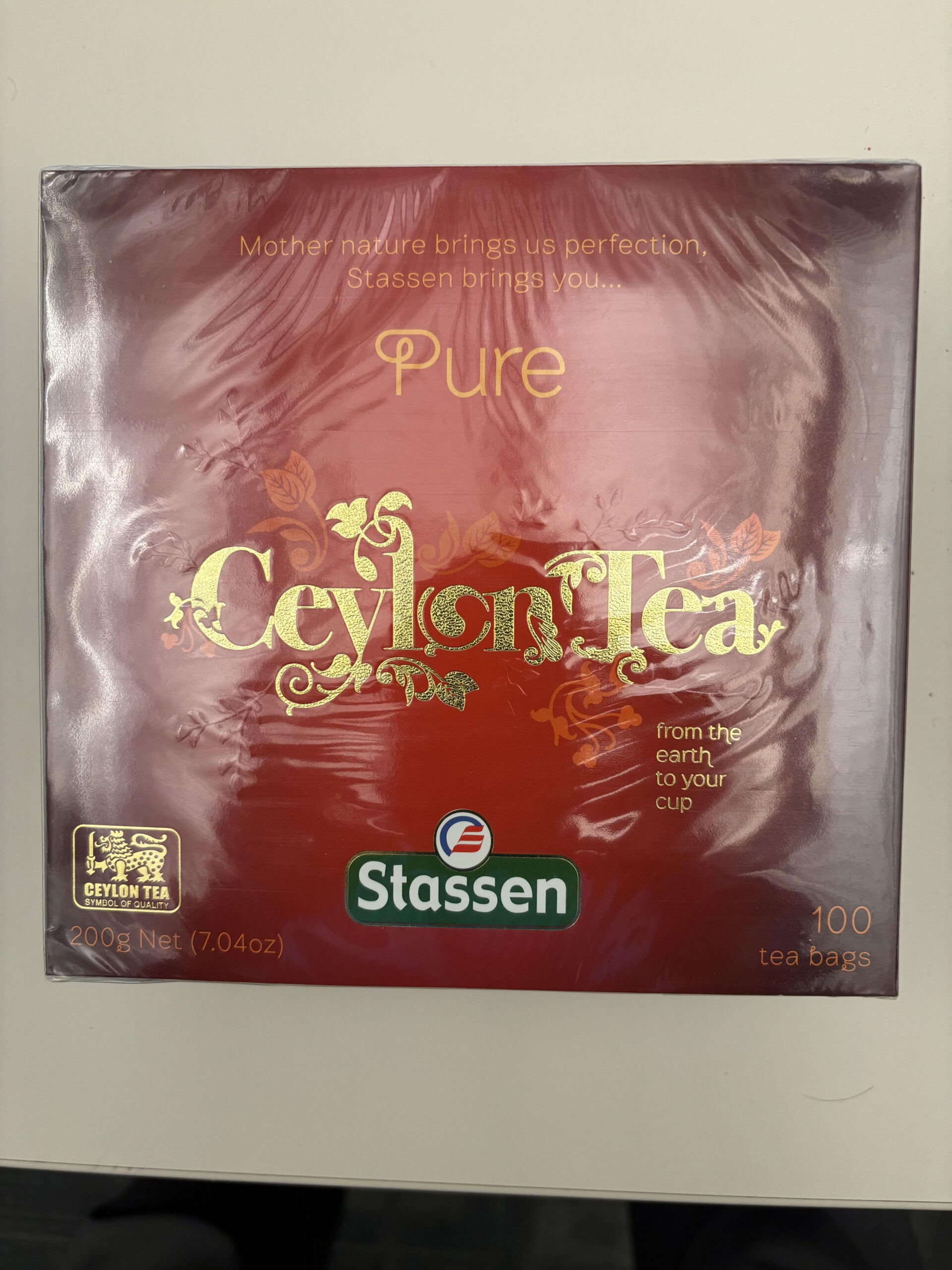
Exclusively grown and produced in Sri Lanka, Ceylon Tea is more than just a flavorful beverage—it’s a time-tested health ally. In fact, authentic Ceylon Tea is certified by the Sri Lanka Tea Board with the official Lion Logo, which guarantees that the tea was grown and packed in Sri Lanka and meets strict quality standards. When you see that Lion emblem, you know you’re getting the real thing.

Let’s break down why this tea is such a powerful addition to a heart-focused lifestyle.


What Makes Ceylon Tea Unique?

Ceylon Tea is typically a black tea (though green and white varieties are also produced in Sri Lanka), known for its:

  • Bright, brisk flavor

  • Citrus-like notes

  • Light to medium body

  • Clean, refreshing finish

Depending on the elevation where it’s grown, the taste can range from bold and full-bodied to delicate and floral. It’s invigorating without being overpowering—making it an excellent morning or early afternoon choice.


Specific Heart Health Benefits of Ceylon Tea

For those focused on cardiovascular health—whether prevention or recovery—Ceylon Tea offers several compelling benefits.

1. Rich in Flavonoids and Antioxidants

Ceylon Tea contains powerful polyphenols, especially theaflavins and thearubigins (in black tea varieties). These compounds help:

  • Reduce oxidative stress

  • Protect blood vessels from damage

  • Support healthy endothelial function

Oxidative stress plays a major role in atherosclerosis and cardiovascular disease. Antioxidant-rich foods and beverages like Ceylon Tea can help counteract this process.

2. Supports Healthy Cholesterol Levels

Regular black tea consumption has been associated with improvements in lipid profiles. Some research suggests it may:

  • Help lower LDL (bad cholesterol)

  • Support improved total cholesterol balance

While tea is not a replacement for lifestyle intervention, it can be part of a heart-smart nutrition strategy.

3. May Support Healthy Blood Pressure

Certain tea polyphenols may help improve vascular tone and blood vessel flexibility, which can contribute to healthier blood pressure levels over time.

4. Anti-Inflammatory Effects

Chronic low-grade inflammation is strongly linked to cardiovascular disease. The antioxidants in Ceylon Tea help modulate inflammatory pathways, supporting long-term heart health.


L-Theanine: Calm Focus Without the Crash

One of the most beneficial compounds in tea is L-theanine, an amino acid known for promoting relaxation without drowsiness.

L-theanine works by:

  • Increasing alpha brain waves (associated with calm focus)

  • Helping reduce stress perception

  • Supporting a balanced mood

When combined with the natural caffeine in Ceylon Tea, L-theanine creates a smoother, more stable energy boost—without the jittery spike and crash associated with coffee. For individuals managing stress (especially those recovering from cardiac events), this can be a valuable daily tool.

Stress management is not optional for heart health—it is essential.


General Health Benefits

Beyond cardiovascular support, Ceylon Tea may:

  • Support immune function

  • Improve gut health through polyphenol activity

  • Enhance metabolic function

  • Provide mild appetite regulation

  • Improve mental alertness

It’s low in calories, naturally sugar-free (unless you add sweeteners), and easy to incorporate into almost any nutrition plan.


 Rotate Your Teas for Broader Benefits

While Ceylon Tea is excellent, variety is powerful.

Consider rotating daily with other health-supportive teas such as:

  • Green Tea – rich in EGCG and known for metabolic and anti-inflammatory benefits

  • Jasmine Tea – calming, aromatic, and antioxidant-rich

  • White Tea – minimally processed and high in delicate polyphenols

Rotating teas exposes your body to a broader spectrum of beneficial plant compounds while keeping your routine enjoyable and sustainable.


How to Enjoy Ceylon Tea

  • Brew with freshly boiled water

  • Steep 3–5 minutes depending on desired strength

  • Enjoy plain to appreciate the natural citrus-brisk profile

  • Optional: a squeeze of lemon enhances its brightness

It can be enjoyed hot or iced and pairs beautifully with a protein-rich breakfast or as a mid-afternoon reset.


Final Thoughts

Ceylon Tea is a simple, affordable, and enjoyable daily ritual that supports heart health, stress resilience, and overall wellness. Certified by the Sri Lanka Tea Board and exclusively grown in Sri Lanka, it carries both authenticity and quality assurance (notice the Lion emblem on bottom left corner).

In a world that overcomplicates health, sometimes the most powerful tools are also the simplest.

A warm cup of Ceylon Tea may not solve everything—but as part of a consistent lifestyle focused on nutrition, movement, recovery, and stress management, it can be a meaningful step in the right direction.

If you’re building a heart-healthy routine, consider adding Ceylon Tea to your rotation this week. Small daily habits compound into long-term health.