What Makes the Kettlebell Swing So Powerful?

If there’s one exercise I could keep in my program for the rest of my life, it would be the kettlebell swing.

Simple. Powerful. Efficient. And incredibly effective.

The kettlebell swing is one of those rare movements that checks almost every box: strength, conditioning, fat loss, athleticism, hormonal support, and practicality. And the best part? All you need is a single kettlebell.

Let’s talk about why this movement is so spectacular.

What Makes the Kettlebell Swing So Powerful?

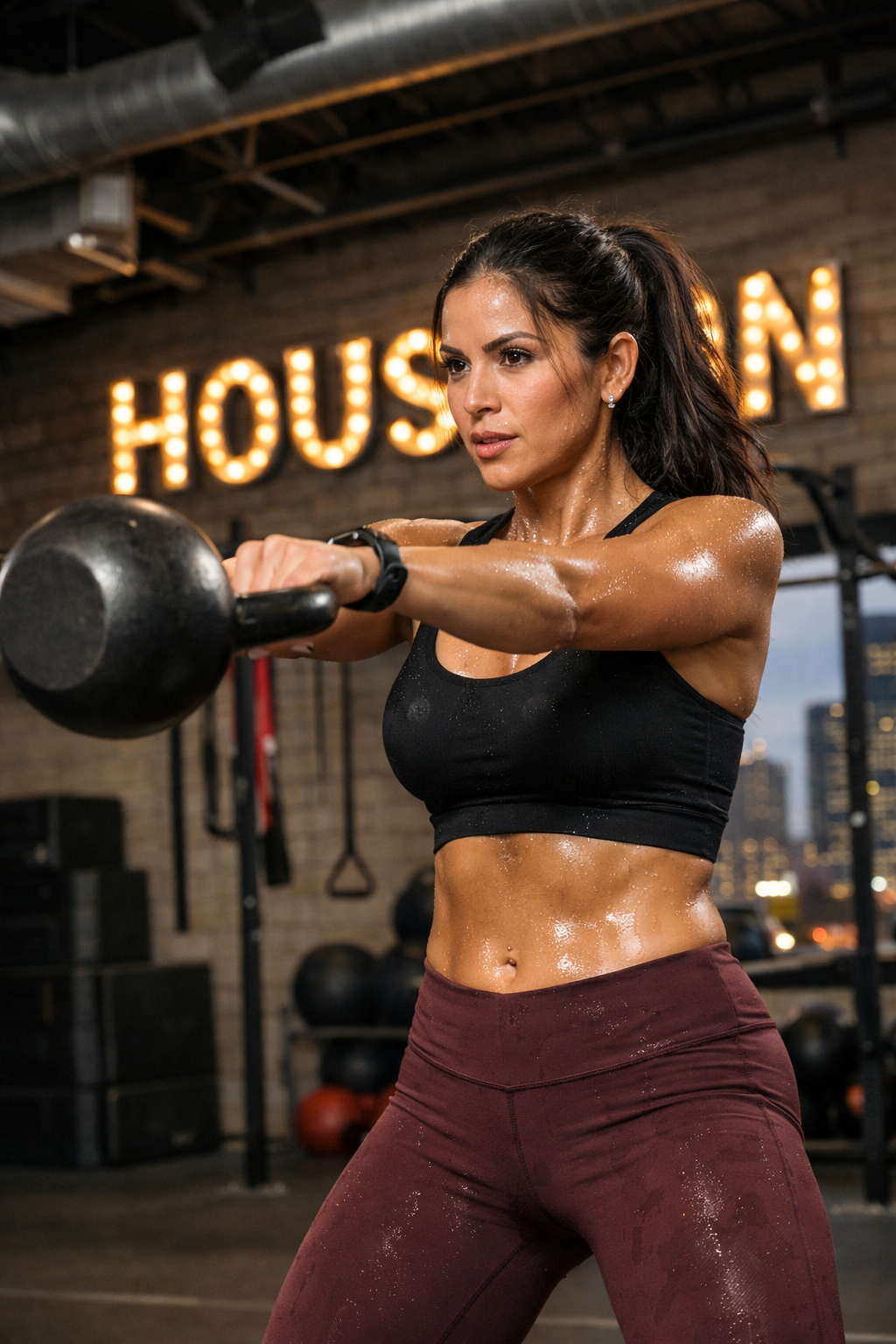
The kettlebell swing is a hip-dominant, explosive movement that trains your body the way it was designed to move — with power from the hips.

When performed correctly, it works:

  • Glutes

  • Hamstrings

  • Quadriceps

  • Core (especially deep stabilizers)

  • Lats

  • Shoulders

  • Grip and forearms

  • Lower back (as a stabilizer, not a prime mover)

In other words, it’s a full-body powerhouse.

Unlike isolation exercises, swings train coordinated movement patterns. You’re not just building muscle — you’re building usable strength.


Aerobic and Anaerobic Conditioning in One Exercise

One of the things I love most about swings is their versatility.

  • Perform moderate sets with controlled breathing, and they build aerobic capacity.

  • Perform high-rep sets or heavy swings with short rest periods, and they become a brutally effective anaerobic conditioning tool.

Few exercises can push your heart rate through the roof while strengthening your posterior chain at the same time.

It’s strength and cardio married together in one explosive motion.


Hormonal Benefits: Testosterone and More

Explosive, compound movements stimulate the body in ways machine-based exercises simply cannot.

Because the kettlebell swing recruits large muscle groups — especially the glutes and hamstrings — and demands high neural output, it can contribute to:

  • Increased testosterone production

  • Improved growth hormone response

  • Better insulin sensitivity

  • Enhanced metabolic rate

Movements that train large muscle mass with speed and power send a strong signal to your endocrine system: adapt, grow stronger, stay resilient.

That’s powerful — especially for men over 40 who want to support healthy testosterone levels naturally.


It Burns Serious Calories

If fat loss is one of your goals, kettlebell swings are your friend.

Due to their:

  • Full-body muscle recruitment

  • Explosive hip drive

  • Elevated heart rate response

They burn a high number of calories in a short amount of time. More importantly, they elevate post-exercise oxygen consumption (EPOC), meaning your body continues to burn calories after your workout ends.

It’s efficient. It’s effective. And it doesn’t require an hour on the treadmill.


Minimal Equipment, Maximum Return

Another reason I love this movement — especially for busy professionals — is that it requires:

One kettlebell. That’s it.

No machines.
No complicated setup.
No gym membership required.

You can train at home, in the garage, at a park, or while traveling. For those of us with full schedules, that simplicity is priceless.


How to Perform the Kettlebell Swing Correctly and Safely

This is critical: the swing is a hip hinge, not a squat.

Here’s how to do it properly:

1. Start Position

  • Place the kettlebell slightly in front of you.

  • Feet shoulder-width apart.

  • Hinge at the hips (push hips back).

  • Grab the handle with both hands.

  • Keep your spine neutral and chest proud.

2. Hike Pass

  • Pull the kettlebell back between your legs like you’re hiking a football.

  • Keep it high in the groin area.

  • Load your hamstrings.

3. Explosive Hip Drive

  • Snap your hips forward aggressively.

  • Let the kettlebell float up to chest height.

  • Arms stay relaxed — they are hooks, not lifters.

4. Controlled Descent

  • Let gravity bring the kettlebell back down.

  • Hinge again.

  • Repeat.


Key Safety Tips

  • Do NOT squat the movement.

  • Do NOT lift with your shoulders.

  • Keep your back neutral at all times.

  • Start with a manageable weight and master form first.

  • If you feel pain in your lower back (not muscle fatigue, but pain), stop and reassess technique.

If you’re new to swings, I recommend starting with:

  • 3 sets of 10–15 reps

  • Focus on crisp, powerful hip snaps

  • Rest 45–60 seconds between sets

Quality always beats quantity.


A Word from Alwyn Cosgrove

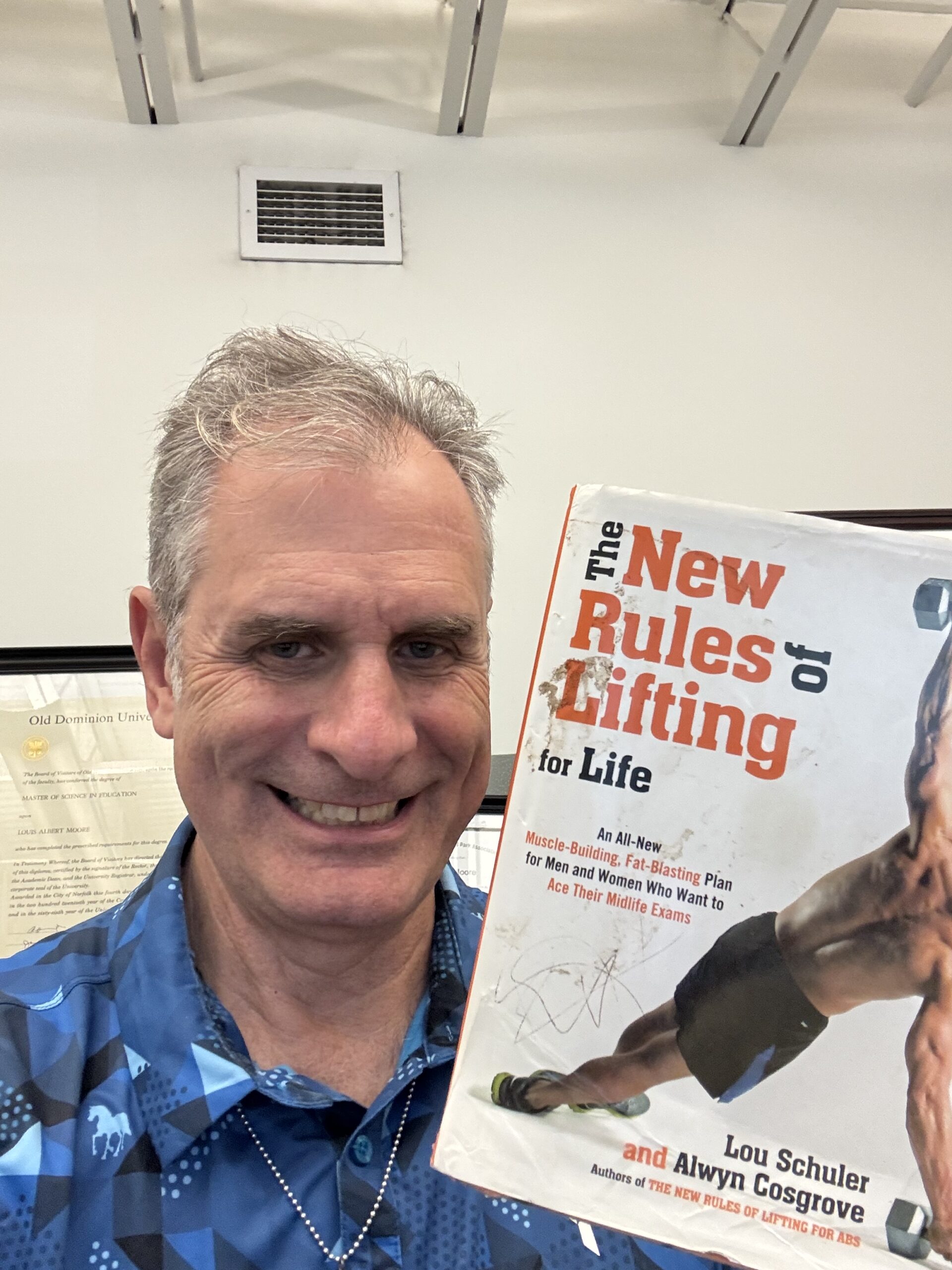
Strength coach Alwyn Cosgrove, author of The New Rules of Lifting, has long emphasized the power of training large muscle groups with intensity. One of his well-known sentiments about effective conditioning work is:

“If you want to burn fat, train movements — not muscles.”

The kettlebell swing embodies that philosophy perfectly. It’s a movement that trains the entire system — muscular, cardiovascular, and hormonal — all at once.

My Personal Take

As a coach, I’ve seen kettlebell swings:

  • Improve athletic performance

  • Accelerate fat loss

  • Strengthen the posterior chain

  • Improve posture

  • Boost work capacity

And perhaps most importantly, I’ve seen them build confidence.

There’s something empowering about generating force from your hips and feeling that kettlebell float in front of you. It reminds you that your body was designed for power.

If you’re looking for one exercise that delivers extraordinary return on investment — this is it.

Start light. Focus on form. Be consistent.

And swing with purpose.
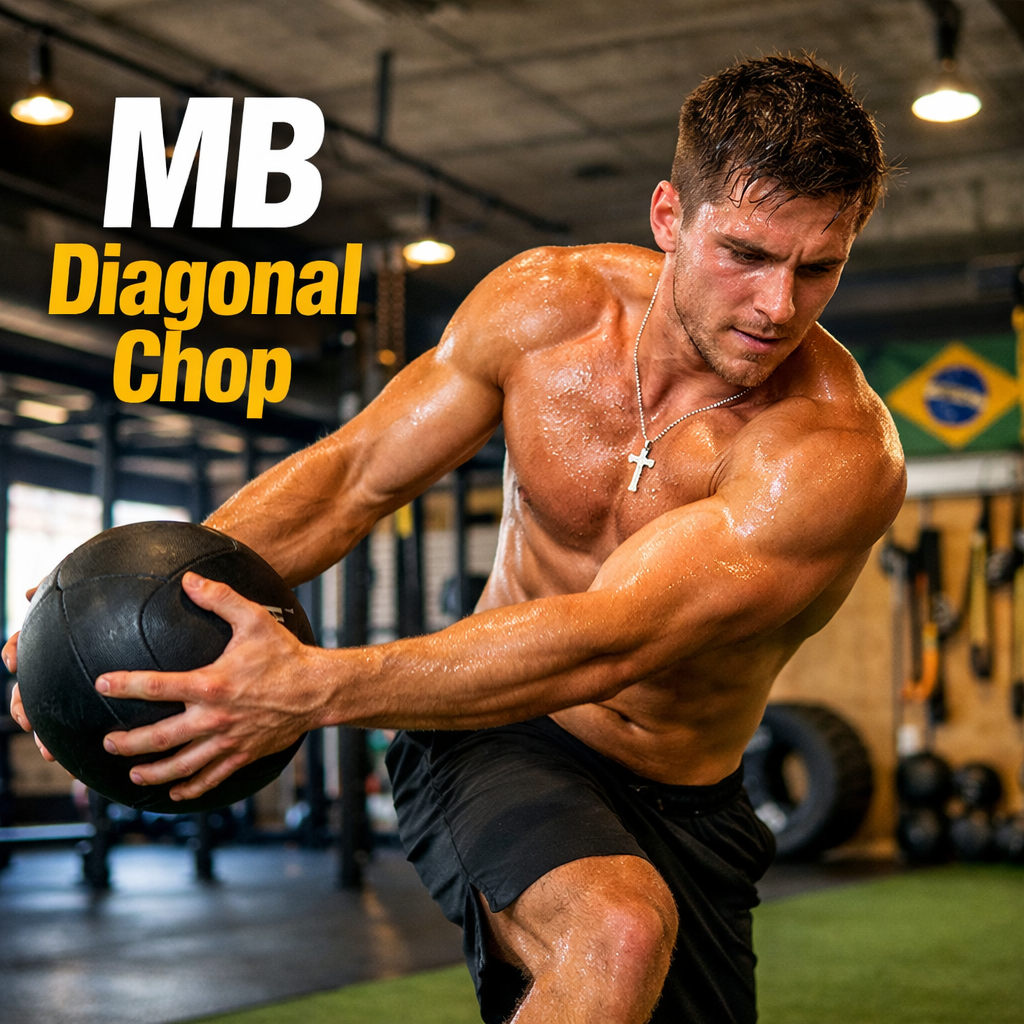
 

MB Diagonal Chop Exercise Tips

At CIDA Fitness, I’m always looking for exercises that don’t just make you look fit—but actually make you move better. One of my all-time favorites for building athletic, real-world strength is the Medicine Ball (MB) Diagonal Chop.

This movement is powerful, dynamic, and incredibly functional. Whether you’re an athlete, a busy professional, or someone who simply wants to stay active and capable for decades to come, the MB Diagonal Chop deserves a place in your training program.


Why the MB Diagonal Chop Matters

Life doesn’t happen in straight lines.

We rotate to put groceries in the car.
We twist to reach for something in the back seat.
We turn explosively to hit a tennis ball or swing a bat.

The MB Diagonal Chop trains your body in the way it was designed to move—in multiple planes, especially rotational and diagonal patterns.

This exercise strengthens:

  • Core musculature (especially obliques and transverse abdominis)

  • Glutes

  • Shoulders

  • Upper back

  • Hip rotators

  • Total kinetic chain coordination

It also enhances:

  • Rotational power

  • Athletic explosiveness

  • Core stability

  • Neuromuscular coordination

  • Balance and deceleration control

And here’s the key: it trains your body to transfer force efficiently from the lower body through the torso and into the upper body. That’s what real performance is all about.


Starting Position

  1. Stand with feet shoulder-width apart.

  2. Hold a medicine ball with both hands.

  3. Engage your core and keep your chest tall.

  4. Position the ball high near one shoulder (as if preparing to swing an axe).

Your knees should be slightly bent and your weight evenly distributed. Think athletic stance—not stiff, not loose.


Movement Instructions

  1. Initiate from the hips, not just the arms.

  2. Rotate your torso and hips diagonally across your body.

  3. Chop the ball downward toward the outside of your opposite knee (or slightly past it).

  4. Allow your back foot to pivot naturally to protect your knees.

  5. Keep your core braced and spine neutral.

  6. Return under control to the starting position.

  7. Repeat for the prescribed reps, then switch sides.

If performed explosively, this can be a power movement. If performed under control, it becomes a tremendous stability and anti-rotational strength builder.

The key cue I give clients:
“Move as one connected system.”


Safety Considerations

This is where smart coaching matters.

  • Avoid rounding the lower back.

  • Rotate through the hips and thoracic spine—not the lumbar spine.

  • Start with a light medicine ball until form is mastered.

  • Do not “muscle” the ball with your arms alone.

  • Keep the core engaged throughout the movement.

  • If you have a history of lower back issues, begin with controlled tempo before progressing to explosive reps.

When performed properly, this movement actually strengthens and protects the spine by improving force distribution across the body.


Why It’s Essential for Athletes

If you play:

  • Soccer

  • Tennis

  • Baseball

  • Golf

  • Basketball

  • Any rotational or field sport

Marcos Moore
Photo Credit: The Rise SC

You need to produce and control rotational power.

The MB Diagonal Chop mimics sport-specific movement patterns. It teaches your body to accelerate and decelerate rotational force—both of which are critical for performance and injury prevention.

Athleticism isn’t just about strength. It’s about how well you apply strength.


Why It’s Essential for Everyday Life

Even if you’re not an athlete, you are still a human being designed to rotate, bend, and move dynamically.

As we age, we don’t lose strength first—we lose coordination and power. And that loss affects our ability to:

  • Carry luggage

  • Lift grandchildren

  • Do yard work

  • Play recreational sports

  • Move confidently and without fear

Functional training helps preserve the quality of movement that makes life enjoyable.

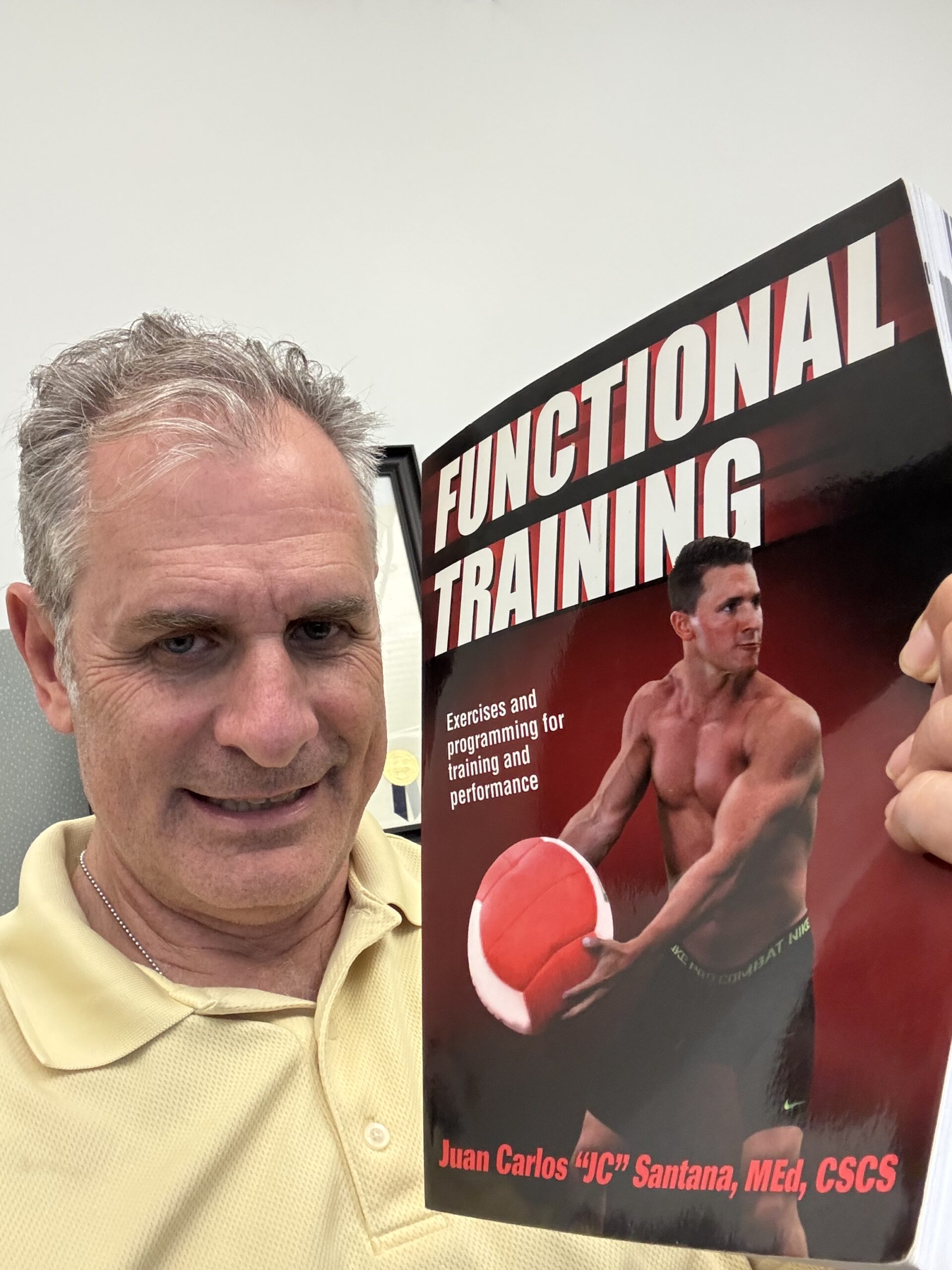
In his book Functional Training, Juan Carlos Santana explains that effective functional exercise must be “multi-planar, multi-joint, and performed in an upright position that integrates acceleration, deceleration, and stabilization.”

That description fits the MB Diagonal Chop perfectly.


Programming Suggestions

For stability focus:

  • 2–3 sets

  • 8–12 controlled reps per side

For power focus:

  • 3–4 sets

  • 5–8 explosive reps per side

  • Full recovery between sets

This movement works beautifully in warm-ups, strength circuits, or athletic performance sessions.


Final Thoughts

I love the MB Diagonal Chop because it respects how the body truly functions. It connects the hips, core, and shoulders into one integrated system. It builds power. It builds resilience. It builds capability.

And capability is what we’re really after.

Fitness isn’t just about aesthetics. It’s about staying ready—ready to compete, ready to move, ready to live fully.

Train movements that matter. Train patterns that transfer. Train for life.

Post-Rehab Cardio & Strength Program (4 Weeks)

Louis Moore

For Individuals 6 Months–3 Years Post Heart Attack

This program is designed for individuals who have:

  • Experienced a heart attack 6 months to 3 years ago

  • Successfully completed cardiac rehab / physical therapy

  • Received doctor’s approval to begin a structured fitness program

Our focus is heart-safe, progressive fitness that builds stamina, strength, confidence, and long-term consistency — without pushing into anaerobic or high-risk zones.

Reminder: This is not a race. Healing hearts thrive on patience, rhythm, and consistency ❤️


Program Philosophy

  • ✅ Train primarily in the Fat-Burning Zone and Aerobic Zone

  • ❌ Avoid anaerobic, max-effort, or breath-holding exercises

  • ✅ Emphasize daily movement, light resistance, and recovery

  • ✅ Encourage two workouts per day for metabolic health and heart resilience

  • ✅ Progress gradually month-to-month


Weekly Structure Overview

Cardio: 6 days per week
Strength Training: 3 days per week (full body)
Flexibility & Mobility: Daily
Rest Day: 1 full rest or active recovery day per week


🌅 Daily Morning Workout (6 Days/Week)

60-Minute Walk – Morning Sunlight Session

Why mornings matter:
Morning sunlight (especially blue light rays) supports:

  • Circadian rhythm regulation

  • Hormonal balance

  • Better sleep quality

  • Improved cardiovascular and metabolic health

Workout Details:

  • Duration: 60 minutes

  • Intensity: Comfortable, conversational pace

  • Heart Rate Zone: Fat-Burning to Low Aerobic Zone

  • Location: Outdoors whenever possible

💡 You should be able to walk and speak in full sentences without gasping.


🌤 Second Daily Workout (Later in the Day)

Rotate cardio and strength training depending on the day.


Cardio Training Plan (6 Days/Week)

30–60 minutes per session (including warm-up & cool-down)

Approved Cardio Activities

Choose 1 activity per session:

  • Walking (outdoor or treadmill)

  • Stationary or outdoor cycling

  • Swimming

  • Water fitness / aqua aerobics

Intensity Guidelines

  • Stay in Fat-Burning or Aerobic Zones

  • Breathing should remain controlled

  • No sprinting or high-intensity intervals


Weekly Cardio Schedule Example

Day Cardio Focus
Mon Walking
Tue Cycling
Wed Swimming or Water Fitness
Thu Walking
Fri Cycling
Sat Choice Cardio
Sun Rest or gentle walk/stretch

💪 Strength Training (3 Days/Week – Full Body)

Example Days: Monday, Wednesday, Friday
Duration: ~30 minutes
Resistance: Light dumbbells, bands, or machines

Repetition Guidelines

  • 1–2 sets per exercise

  • 10–15 slow, controlled reps

  • Rest 45–75 seconds between sets

  • No breath holding (exhale on effort)


Strength Training Exercises

Upper Body

  • Chest: Wall push-ups or chest press

  • Back: Seated row or resistance band row

  • Shoulders: Light shoulder raises

  • Biceps: Dumbbell curls

  • Triceps: Triceps extensions or kickbacks

Lower Body

  • Quadriceps: Chair squats or leg press

  • Hamstrings: Hamstring curls or hip hinge

  • Calves: Standing calf raises

Core (Gentle & Controlled)

  • Seated abdominal bracing

  • Standing torso rotations (light)

  • Pelvic tilts or modified planks (optional)


🧘 Warm-Up & Cool-Down (Every Workout)

Warm-Up (5–10 Minutes)

  • Slow walking or cycling

  • Arm circles

  • Shoulder rolls

  • Marching in place

Cool-Down (5–10 Minutes)

  • Gradual slowing of movement

  • Deep breathing

  • Light stretching


Flexibility & Mobility (Daily)

Focus on:

  • Hamstrings

  • Calves

  • Hips

  • Chest & shoulders

  • Lower back

Hold each stretch 15–30 seconds, breathing calmly.


📅 4-Week Program Commitment

This program is designed for 1 month (4 weeks).

👉 Each month, the program will be updated with:

  • Slightly longer durations

  • New exercises

  • Increased confidence and strength

  • Continued heart-safe progression

Results come from stacking small wins consistently.


⚠️ Safety First – Always

  • ✔ Get medical clearance before starting

  • ✔ Stop exercise if you feel dizziness, chest pain, or unusual shortness of breath

  • ✔ Never hold your breath

  • ✔ Wear supportive footwear

  • ✔ Exercise in a cool, well-ventilated environment


💧 Hydration Matters

  • Drink water before, during, and after workouts

  • Aim for pale-yellow urine as a hydration guide

  • Increase fluids in heat or humid conditions


❤️ Final Reminder

Consistency beats intensity — every time.

Walking daily, moving gently, lifting light, breathing well, and staying hydrated creates long-term heart health and confidence in your body again.

Your heart doesn’t need punishment — it needs movement, patience, and care.