
Heart Rate Variability (HRV): A Helpful Tool for Heart Health Awareness

When it comes to heart health, most people are familiar with resting heart rate and blood pressure.

Another powerful—but often overlooked—metric is Heart Rate Variability (HRV). For individuals living with heart conditions, HRV can be a valuable daily insight into how the body is responding to stress, recovery, exercise, and overall lifestyle habits.  Let’s break it down in a simple, encouraging way.
What Is HRV?

Heart Rate Variability (HRV) measures the variation in time between each heartbeat. Even though your heart may feel like it’s beating steadily, the tiny differences between beats tell an important story about your nervous system.

  • Higher HRV generally reflects better recovery, adaptability, and nervous system balance
  • Lower HRV may indicate stress, fatigue, illness, poor sleep, or overexertion

HRV reflects how well your autonomic nervous system—the system that controls heart rate, breathing, and recovery—is functioning.

Why HRV Is Especially Important for Individuals With Heart Conditions

For people with heart disease, a history of cardiac events, arrhythmias, or those in cardiac rehab, HRV can be a non-invasive way to monitor daily readiness and recovery.

Benefits include:

  •  Early awareness of stress or fatigue before symptoms appear
  •  Guidance for exercise intensity, helping avoid overtraining
  •  Insight into sleep quality and recovery
  •  Support for long-term heart health habits

HRV is not a diagnostic tool, but when tracked over time, it can help you and your healthcare or fitness professional make more informed decisions.

How to Measure Your HRV

You don’t need medical-grade equipment to begin tracking HRV. Many consumer devices and apps can do this accurately enough for daily awareness.

Common ways to measure HRV:

  • Wearable devices (wrist or ring-based)
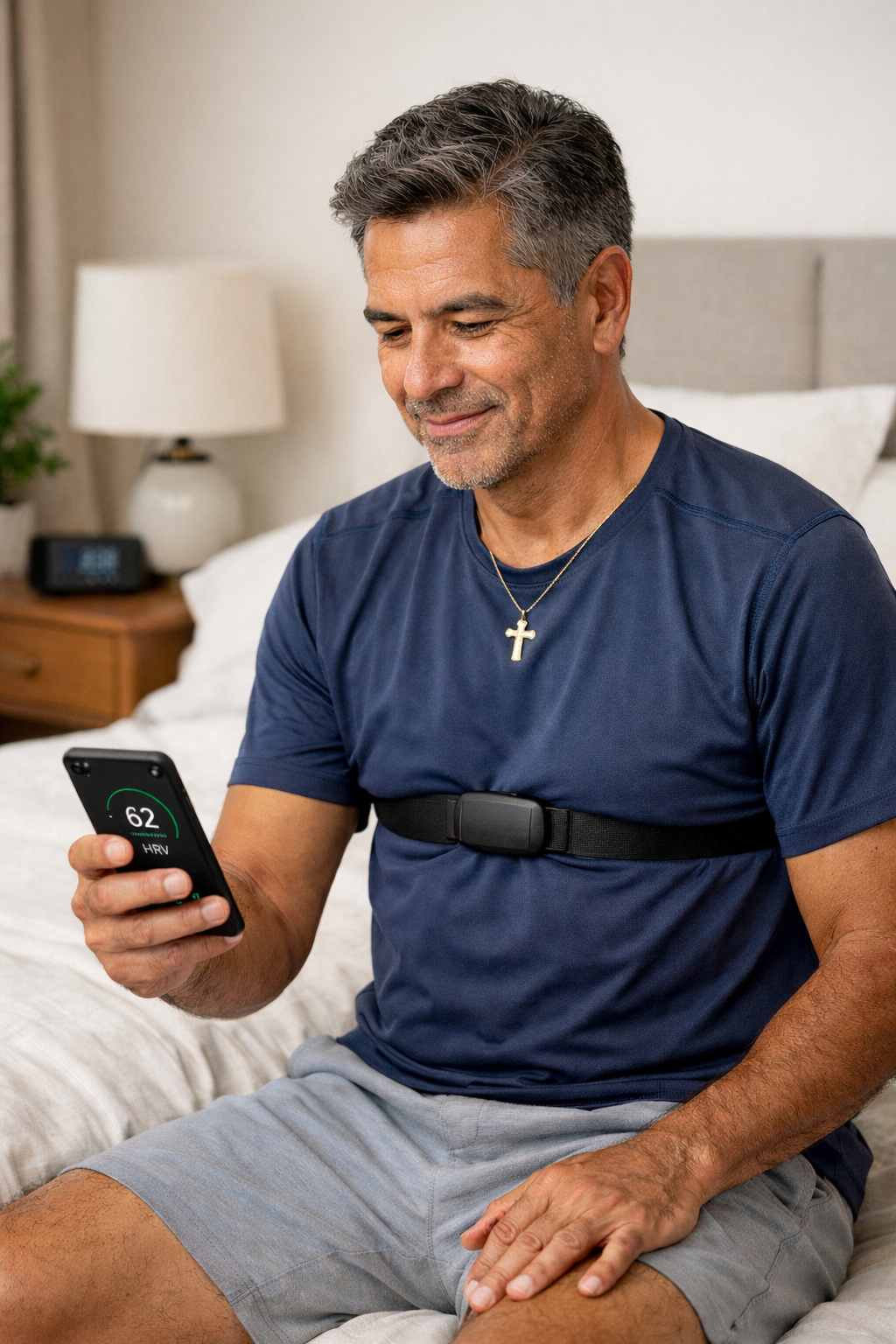
  • Chest heart-rate straps
  • Smartphone apps using a short morning reading

For best results:

  • Measure once daily, ideally in the morning
  • Stay consistent with time and position
  • Focus on trends, not single-day numbers

How to Log and Track HRV Daily

Logging your HRV is simple and helps you see patterns over time.

You can:

  • Use an app dashboard (automatic logging)
  • Track in Apple Health or Google Fit
  • Keep a simple journal noting HRV, sleep, exercise, and stress levels

Pairing HRV data with lifestyle notes helps you understand why your HRV changes.

Useful HRV Apps (Including Free Options)

Here are some popular and reliable apps for HRV tracking:

 Free or Partially Free Apps

  • Elite HRV – Free
    • Excellent for beginners
    • Uses chest straps or phone camera
    • Clear charts and educational insights
  • Apple Health – Free with Apple Watch
    • Automatically tracks HRV
    • Easy integration with fitness and health data
  • Fitbit App – Included with device
    • Nighttime HRV trends
    • Simple and user-friendly

 Paid Apps & Devices

  • HRV4Training – Low-cost, one-time fee
    • Popular with athletes and cardiac-conscious users
    • Morning readiness assessments
  • WHOOP – Subscription-based
    • Continuous HRV tracking
    • Strong recovery and strain insights
  • Oura Ring – Subscription-based
    • Comfortable, sleep-focused
    • Excellent HRV trend data

A Positive Reminder 

HRV is one piece of the wellness puzzle, not a scorecard. Fluctuations are normal. What matters most is

building healthy habits—regular movement, stress management, quality sleep, and proper recovery.

If you have a heart condition, always:

  • Discuss new fitness or monitoring tools with your healthcare provider
  • Use HRV as a guide, not a source of anxiety

At CIDA Fitness, we believe knowledge empowers healthier choices. HRV can help you listen to your body with confidence, compassion, and consistency.


The Benefits of Sauna Use for Heart Health, Cardiac Recovery, and Athletic Performance

Lately, I’ve been using the sauna a few times a week and really feel the difference.  It helps me to relax and I can tell my cardiovascular system is getting a nice workout.  It’s also a good time for me to read.

You see, sauna use isn’t just a luxury—it’s a powerful wellness practice with deep roots in cardiovascular health, recovery, and performance. When used properly and with a physician’s approval, regular sauna sessions can be especially beneficial for individuals recovering from a cardiac event and for athletes looking to optimize recovery, endurance, and overall health.

Let’s explore why sauna therapy has stood the test of time, how often to use it, and how to do so safely.


Why Sauna Use Is So Powerful for the Heart 

Sauna bathing creates a gentle cardiovascular workout. As body temperature rises, blood vessels dilate, circulation improves, and the heart rate increases—similar to light-to-moderate exercise.

Research-backed heart benefits include:

  • Improved blood vessel function and circulation

  • Reduced blood pressure over time

  • Enhanced heart rate variability (a key marker of heart resilience)

  • Lower risk of future cardiovascular events when used consistently

For individuals recovering from a heart attack or cardiac procedure, sauna use—only with medical clearance—can support circulation, relaxation, and stress reduction, all of which are critical for heart healing.

Think of the sauna as active recovery for your cardiovascular system.


Sauna Use After a Cardiac Event (With Doctor’s Approval)

For post-cardiac clients, sauna use should always be:

  • Gradual

  • Moderate

  • Closely monitored

General guidelines often approved by physicians:

  • Frequency: 2–4 times per week

  • Duration: 10–20 minutes per session

  • Temperature: Moderate heat (not extreme)

  • Progression: Slowly build tolerance over several weeks

Benefits for cardiac recovery may include:

  • Reduced stress hormones

  • Improved endothelial (artery) function

  • Better sleep and relaxation

  • Enhanced overall quality of life

⚠️ Always stop immediately if dizziness, chest discomfort, nausea, or unusual fatigue occurs.


Why Athletes Love the Sauna 

Athletes around the world use sauna therapy as a secret weapon for recovery and performance.

Athletic benefits include:

  • Faster muscle recovery and reduced soreness

  • Improved circulation and nutrient delivery

  • Heat adaptation that may improve endurance

  • Increased growth hormone release

  • Mental relaxation and improved sleep

Athlete-focused sauna protocol:

  • Frequency: 3–5 times per week

  • Duration: 15–30 minutes per session

  • Timing: Post-workout or on recovery days

Many endurance athletes even use sauna exposure to mimic heat training, helping the body adapt and perform better under physical stress.


Finland’s Sauna Culture: A Blueprint for Health 🇫🇮

In Finland, sauna use isn’t a trend—it’s a way of life.

  • Over 3 million saunas for a population of 5.5 million

  • Many Finns use the sauna 4–7 times per week

  • Sauna bathing is linked to lower rates of heart disease, stroke, and all-cause mortality

For Finns, sauna time is about connection, relaxation, and consistency—not extremes. This balanced approach is exactly what makes sauna use so effective and sustainable.


How Long & How Often for Real Benefits?

For most people, benefits begin with consistency—not intensity.

Ideal sauna use for health:

  • 2–4 sessions per week for heart health

  • 15–25 minutes per session

  • Sweating lightly to moderately, not pushing limits

Consistency over months—not days—is what delivers lasting cardiovascular and metabolic benefits.


Sauna Safety: What You Need to Know 

Sauna use is generally safe for healthy individuals, but safety matters—especially for heart patients.

Important precautions:

  • Get medical clearance after a cardiac event

  • Stay well hydrated before and after

  • Avoid alcohol before or after sauna use

  • Start with short sessions and build gradually

  • Exit immediately if you feel lightheaded or unwell

  • Cool down slowly—no sudden cold plunges unless approved

Sauna therapy should leave you feeling refreshed and relaxed, not depleted.


The Bottom Line

When used wisely, sauna therapy can be a powerful ally for:

  • Heart health and cardiac recovery

  • Athletic performance and recovery

  • Stress reduction and longevity

At CIDA Fitness, we believe in smart, evidence-based lifestyle strategies that support long-term health—especially for individuals recovering from a cardiac event and athletes committed to peak performance.

If you’re unsure how sauna use fits into your recovery or training plan, we’re here to help guide you safely and effectively.