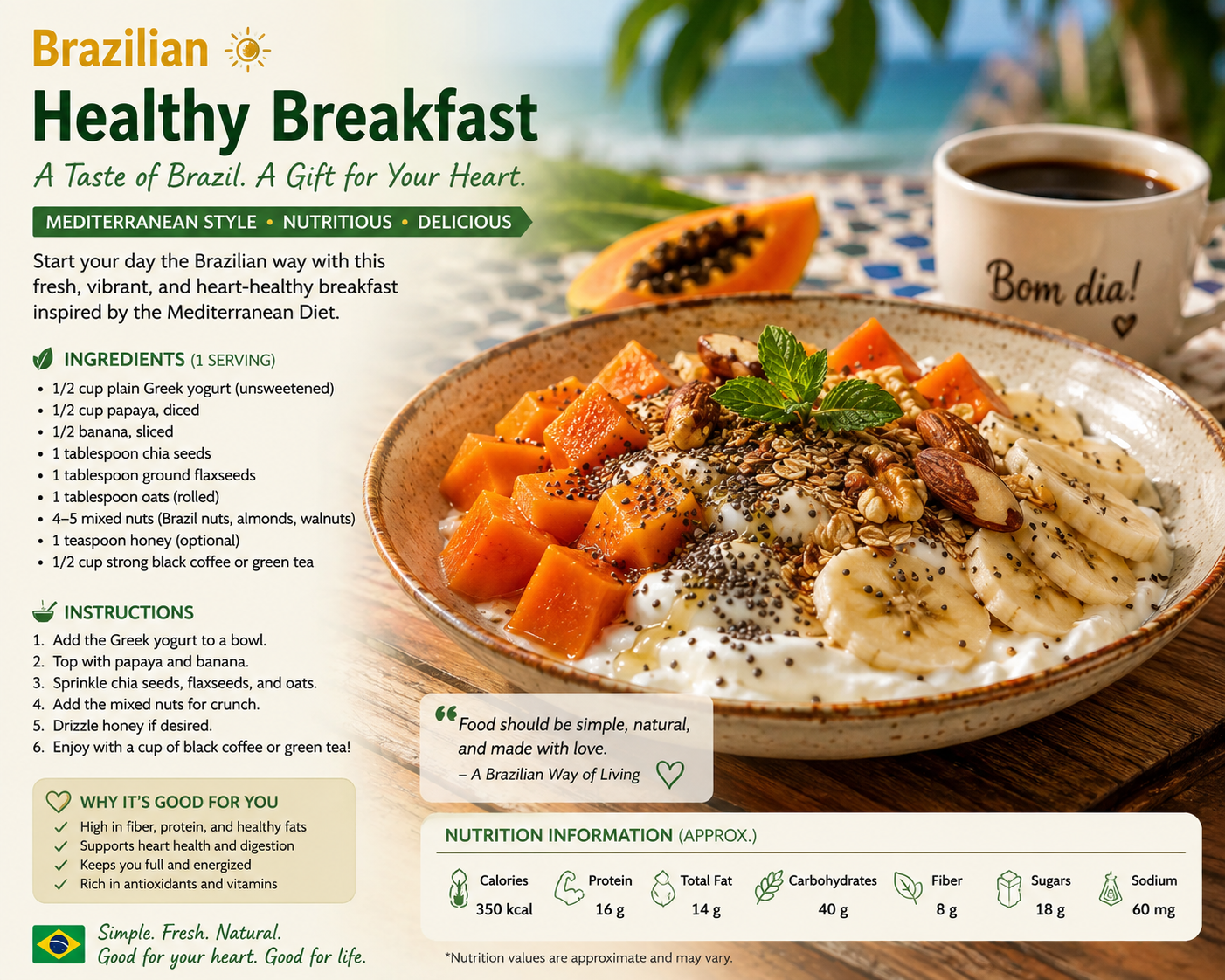
Brazilian Healthy Breakfast
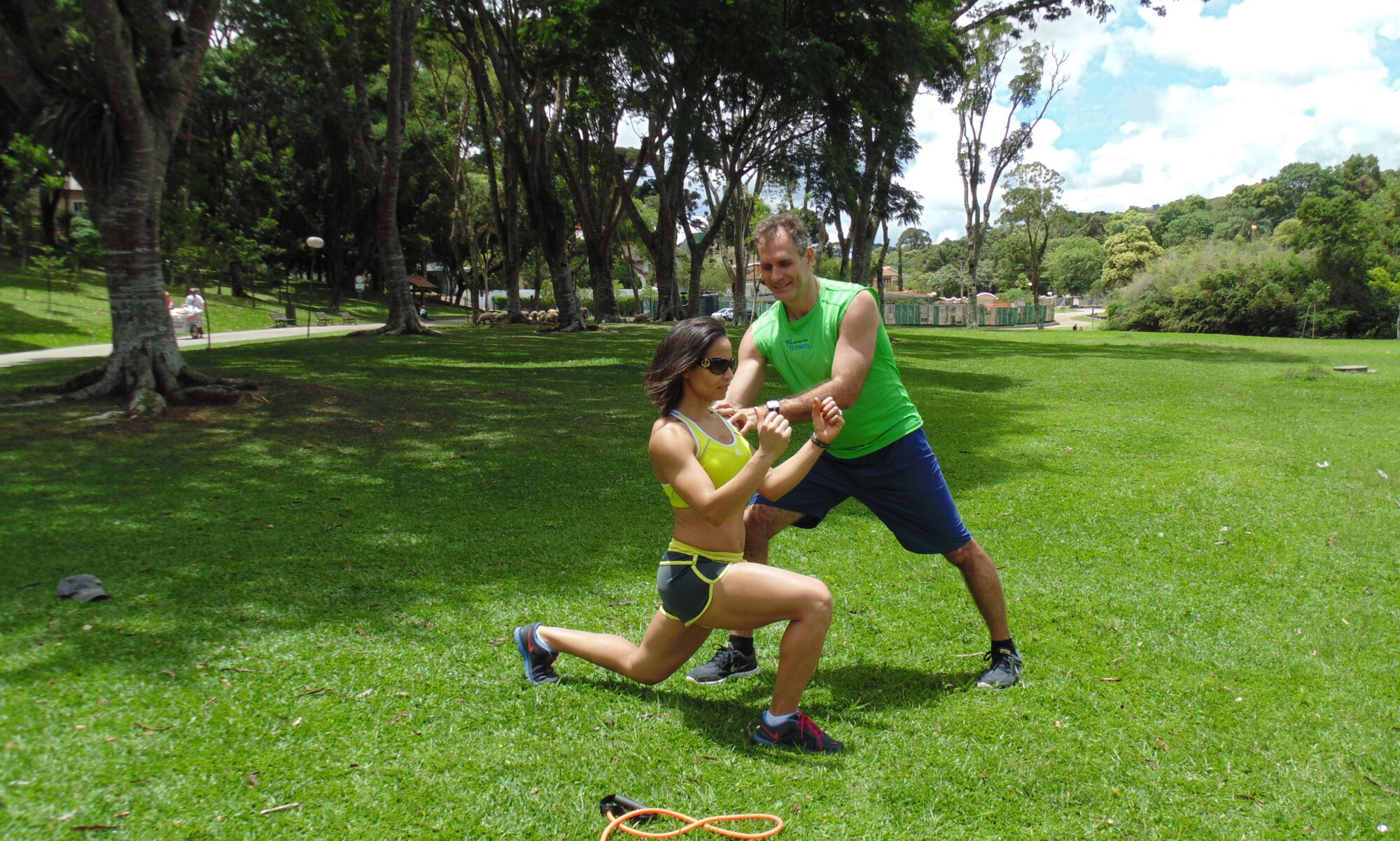

Fitness isn't just about how you look. It's about how you live.
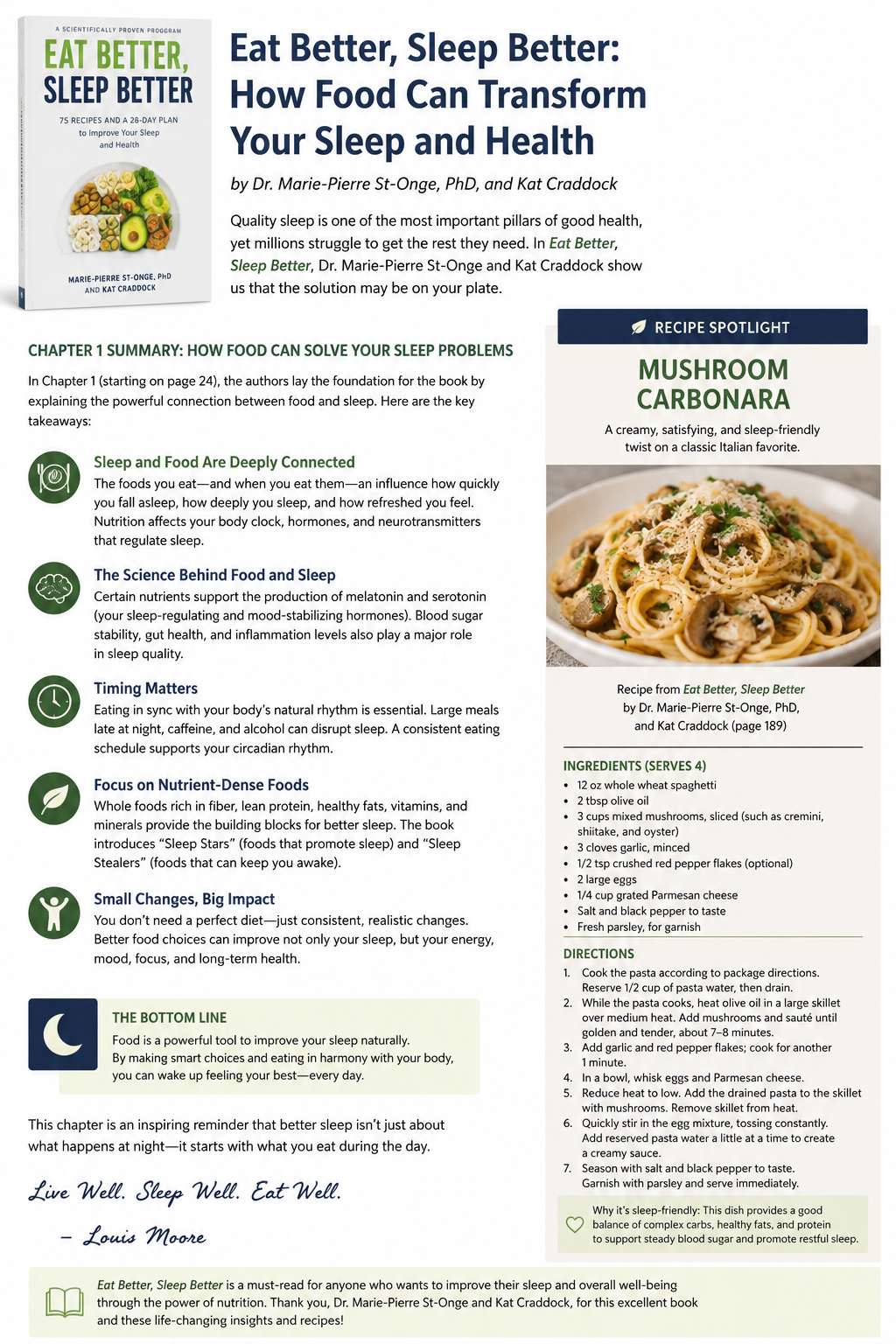
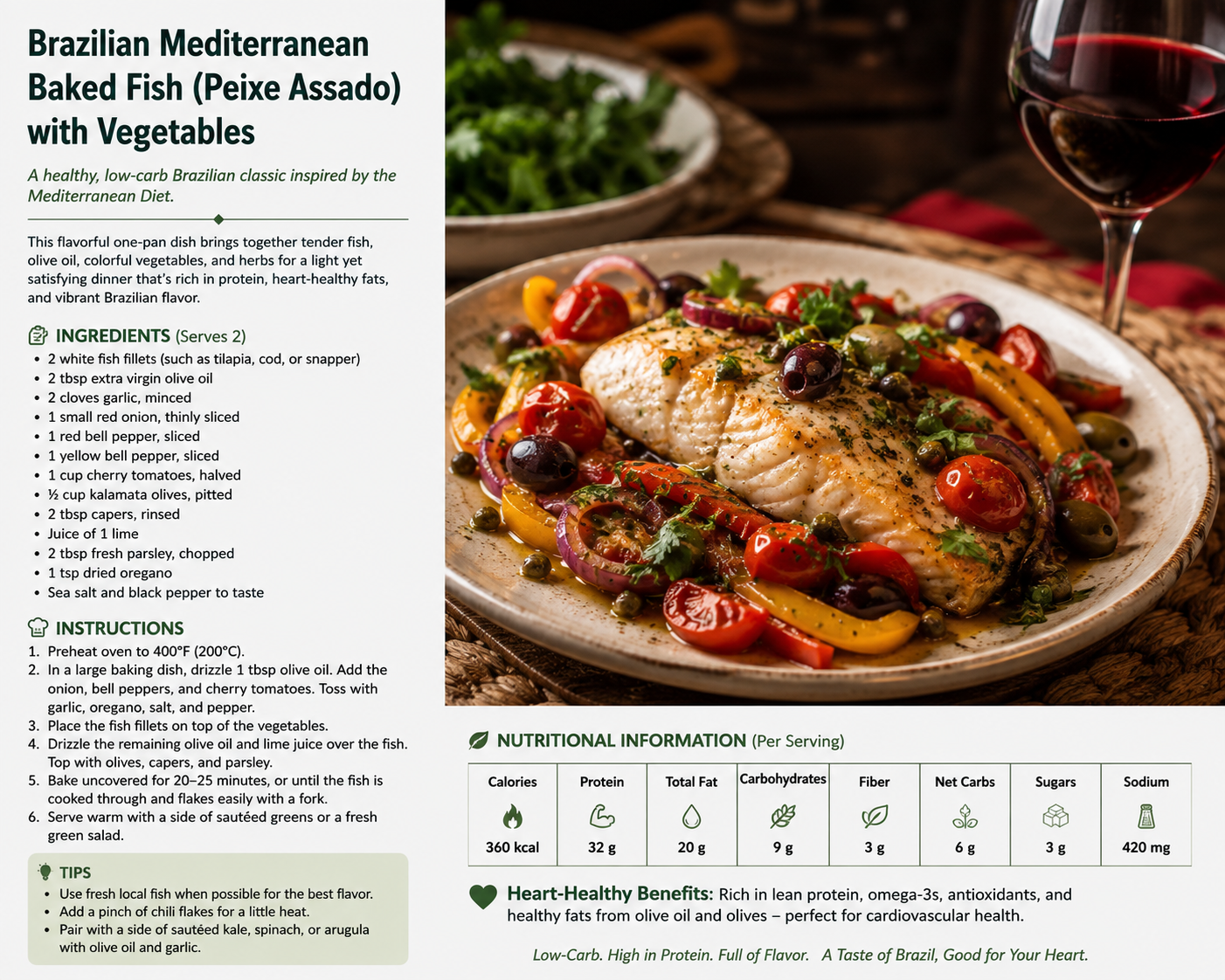
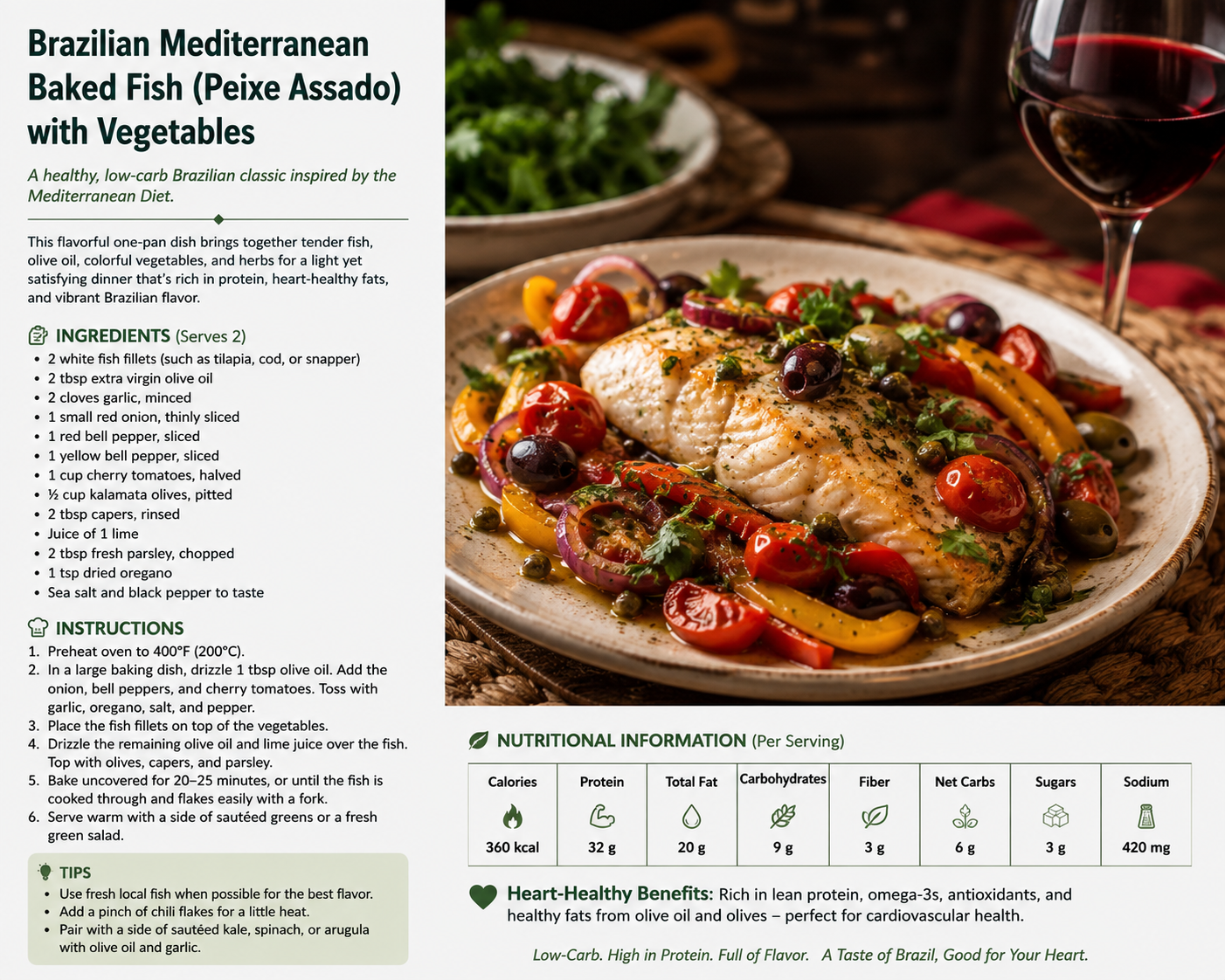
One of my favorite kitchen tools for preparing nutritious, heart-healthy meals is the humble slow cooker. Whether you’re cooking for yourself, your spouse, or your entire family, a slow cooker makes it easy to enjoy wholesome, homemade meals without spending hours in the kitchen.
For anyone striving to improve cardiovascular health, lose weight, or simply reduce the stress of meal preparation, slow cooking is an excellent solution. It allows you to prepare fresh ingredients in the morning, go about your day, and return home to a flavorful meal that’s ready to enjoy.
Most of the preparation takes only a few minutes. Once your ingredients are in the slow cooker, it does the work while you focus on your family, career, exercise, or other priorities.
Cooking food slowly over several hours allows herbs, spices, vegetables, and proteins to blend beautifully, creating rich and satisfying flavors.
A slow cooker makes it easy to prepare meals with lean proteins, vegetables, beans, and heart-healthy ingredients while reducing the need for processed foods and excess sodium.
Less expensive cuts of meat become tender during slow cooking, helping you prepare delicious meals while saving money.
Many slow cooker recipes produce leftovers that can be refrigerated or frozen, making healthy eating easier throughout the week.
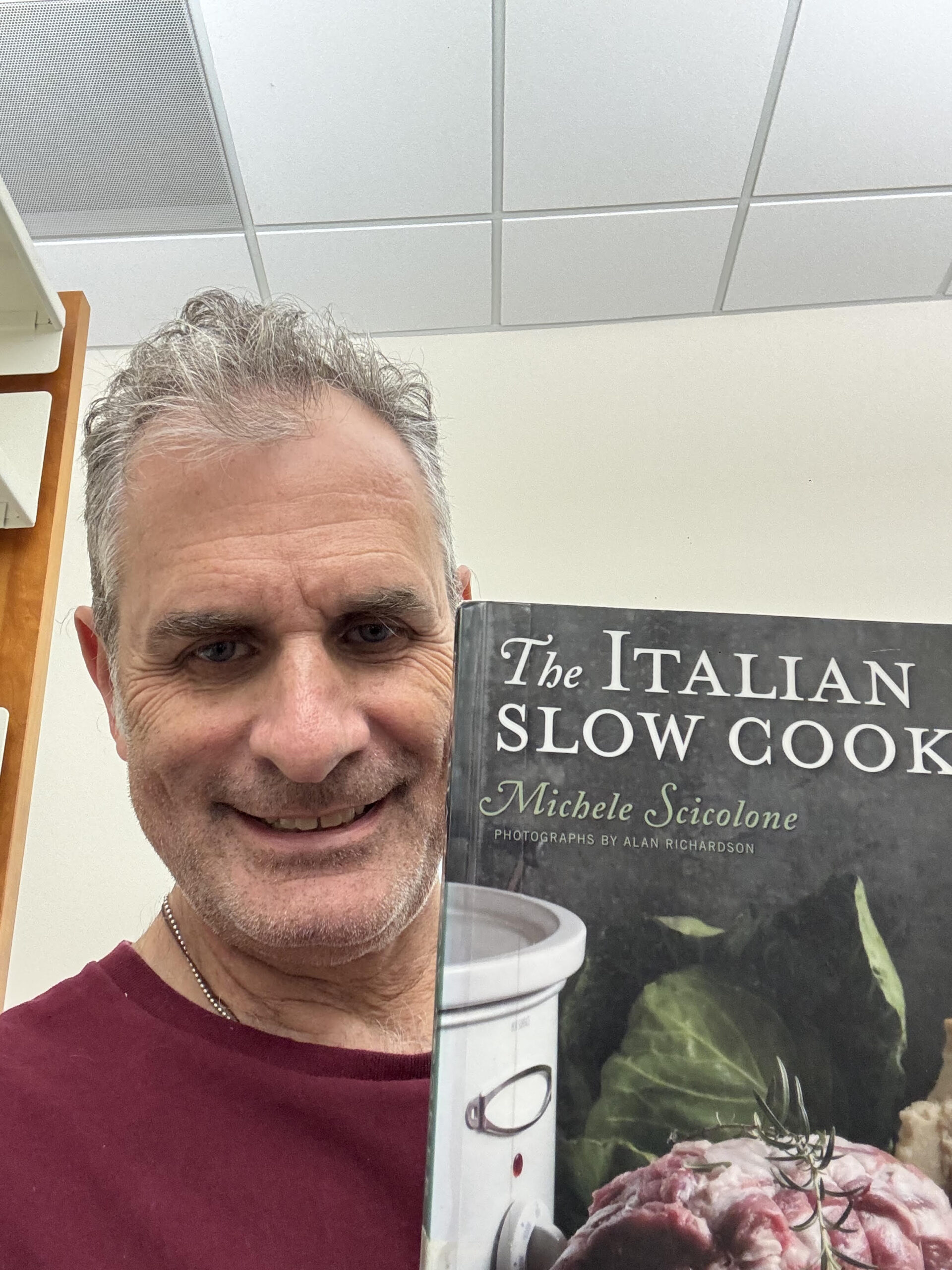
One cookbook I highly recommend is The Italian Slow Cooker by Michele Scicolone. It is filled with authentic Italian recipes specifically designed for slow cookers, making it an excellent resource for anyone who enjoys flavorful Mediterranean-inspired meals.
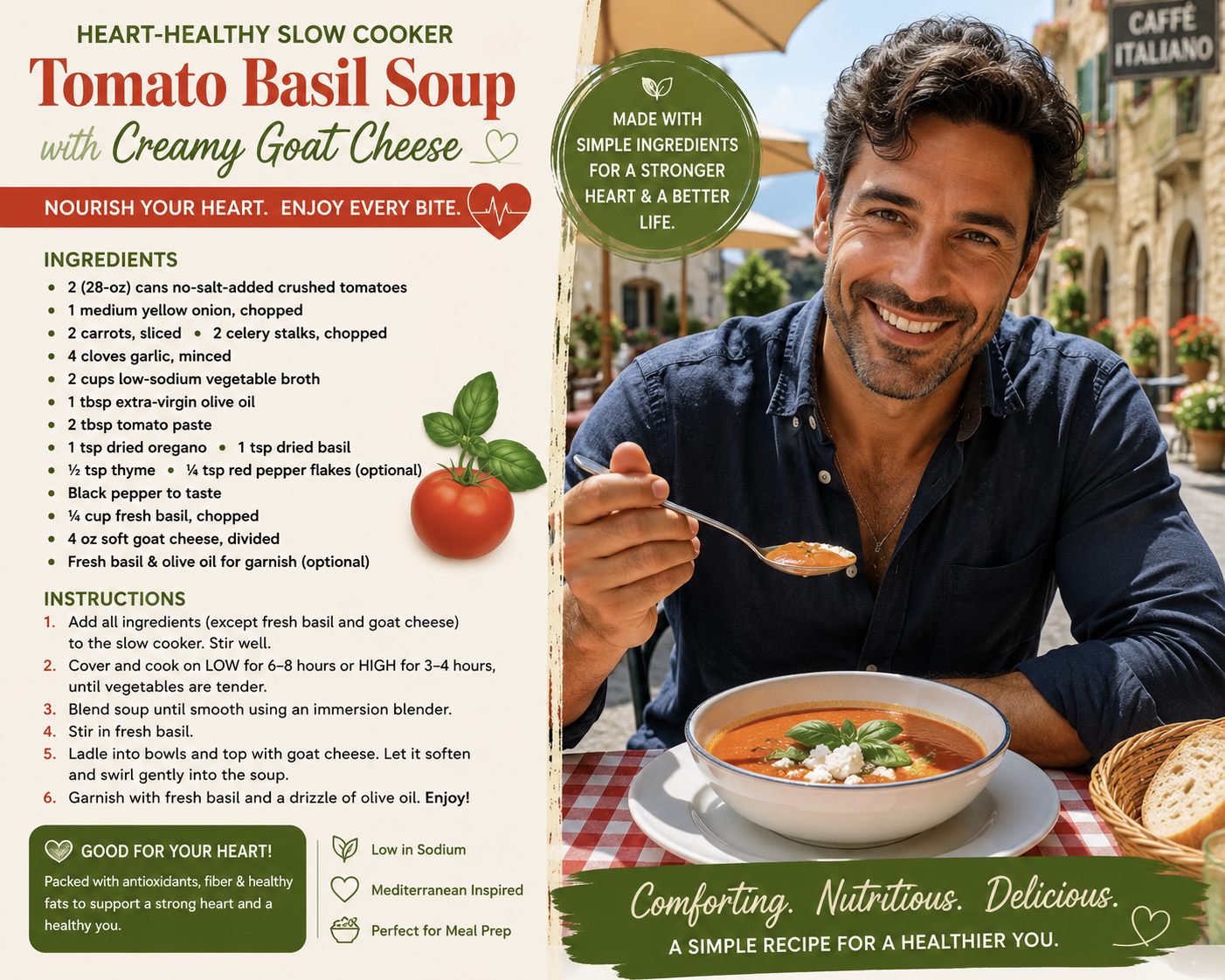
One recipe that especially caught my attention is “Tomato Soup with Burrata or Goat Cheese.” This comforting recipe combines a rich tomato-based soup with the creamy richness of burrata or goat cheese, creating a simple yet elegant dish that celebrates classic Italian flavors. It’s a wonderful example of how a handful of quality ingredients can produce a satisfying and nourishing meal.
Rather than relying on heavy cream, the cheese adds a luxurious texture and flavor that pairs beautifully with the bright acidity of tomatoes. Serve it alongside a fresh green salad or a slice of whole-grain crusty bread for a complete meal.
If you enjoy Mediterranean cooking or are looking for healthy, comforting recipes that are easy to prepare, I highly recommend adding The Italian Slow Cooker by Michele Scicolone to your cookbook collection.
Healthy eating doesn’t have to be complicated. Sometimes the best meals are the simplest ones—prepared with wholesome ingredients, cooked slowly, and shared with the people you love.
A slow cooker can become one of the most valuable tools in your kitchen, helping you prepare nutritious meals with less effort while supporting a healthier lifestyle. Whether your goal is better heart health, weight management, or simply enjoying more home-cooked meals, slow cooking is a habit well worth embracing.
Happy cooking—and here’s to nourishing your body, one delicious meal at a time!
Life has a beautiful way of surprising us—especially when health, happiness, and a touch of indulgence come together in the most unexpected places. Recently, my wife, Cida, and I experienced one of those delightful moments during a visit to a new family-friendly gem in Houston: Camden Park in the Westchase District of the Alief area.
Designed especially for young children and families, Camden Park offers a vibrant and welcoming atmosphere filled with laughter, play, and community spirit. As we explored the park, we stumbled upon a charming food truck that instantly caught our attention. To our pleasant surprise, the vendor was an old friend—Sarah, a schoolmate of our daughter from KIPP School. It was wonderful reconnecting and reminiscing, but what truly delighted us was discovering her specialty: authentic Italian gelato.
Sarah shared the fascinating health benefits of Italian gelato compared to traditional commercial ice cream. Intrigued, Cida and I decided to give it a try. One taste, and we were transported to Europe. Wow! It was fantastic—smooth, rich, and bursting with flavor. The experience was both indulgent and refined, offering a delicious reminder that enjoying life’s pleasures can still align with a healthy lifestyle.
If you’re going to indulge in an occasional dessert, Italian gelato is one of the best treats to enjoy in moderation. Here’s why:
1. Lower in Fat
Authentic gelato contains more milk and less cream than traditional ice cream, resulting in significantly lower fat content. While premium ice cream can contain 14–25% fat, gelato typically ranges between 4–8%.
2. Fewer Calories per Serving
Because gelato is denser and churned with less air, it delivers intense flavor in smaller portions. This allows you to feel satisfied with less, making it a smarter indulgence.
3. Richer Taste with Natural Ingredients
Served slightly warmer than ice cream, gelato offers a silkier texture and more pronounced flavor. Many artisanal varieties are made with simple, high-quality ingredients such as fresh fruit, nuts, and natural flavorings.
4. Potentially Lower Sugar Levels
While still a dessert, authentic gelato often contains less sugar than commercial ice cream, especially when produced in small batches using traditional methods.
5. Nutritional Benefits
Milk-based gelato provides small amounts of calcium and protein, while fruit-based flavors offer antioxidants and vitamins—adding a subtle nutritional boost to your treat.
| Dessert | Calories | Fat | Key Characteristics |
|---|---|---|---|
| Italian Gelato | 120–160 | 3–8 g | Dense, creamy, and flavorful |
| Commercial Ice Cream | 200–250 | 10–16 g | Higher in fat and air content |
| Frozen Yogurt | 100–170 | 0–4 g | Often higher in added sugars |
| Sorbet | 120–150 | 0 g | Dairy-free but sugar-heavy |
At CIDA Fitness, I emphasize balance, sustainability, and mindful enjoyment. Healthy living doesn’t mean eliminating indulgences—it means choosing them wisely. Italian gelato exemplifies the philosophy that you can savor something delicious without compromising your wellness goals.
If you’re going to have an occasional treat, this is one of the best options to enjoy in moderation.
Our experience at Camden Park was unforgettable—not just because of the delicious gelato, but because of the sense of community and connection. I highly recommend visiting this wonderful park in Southwest Houston with your family.
Be sure to support Sarah and her amazing gelato. You can follow her journey on Instagram at @GelatoGalorehtx to find out where her food truck will appear next.

Discoveries like this remind us that health and happiness go hand in hand. Whether you’re enjoying a relaxing day at the park, reconnecting with friends, or savoring a delightful dessert, life is meant to be experienced fully—and mindfully.
So the next time you crave something sweet, consider Italian gelato. Take a moment, savor each spoonful, and enjoy the balance of indulgence and wellness.
Stay fit, stay balanced, and savor life—one delightful bite at a time.
—Louis, CIDA Fitness