Delicious Gluten Free Waffle Recipe

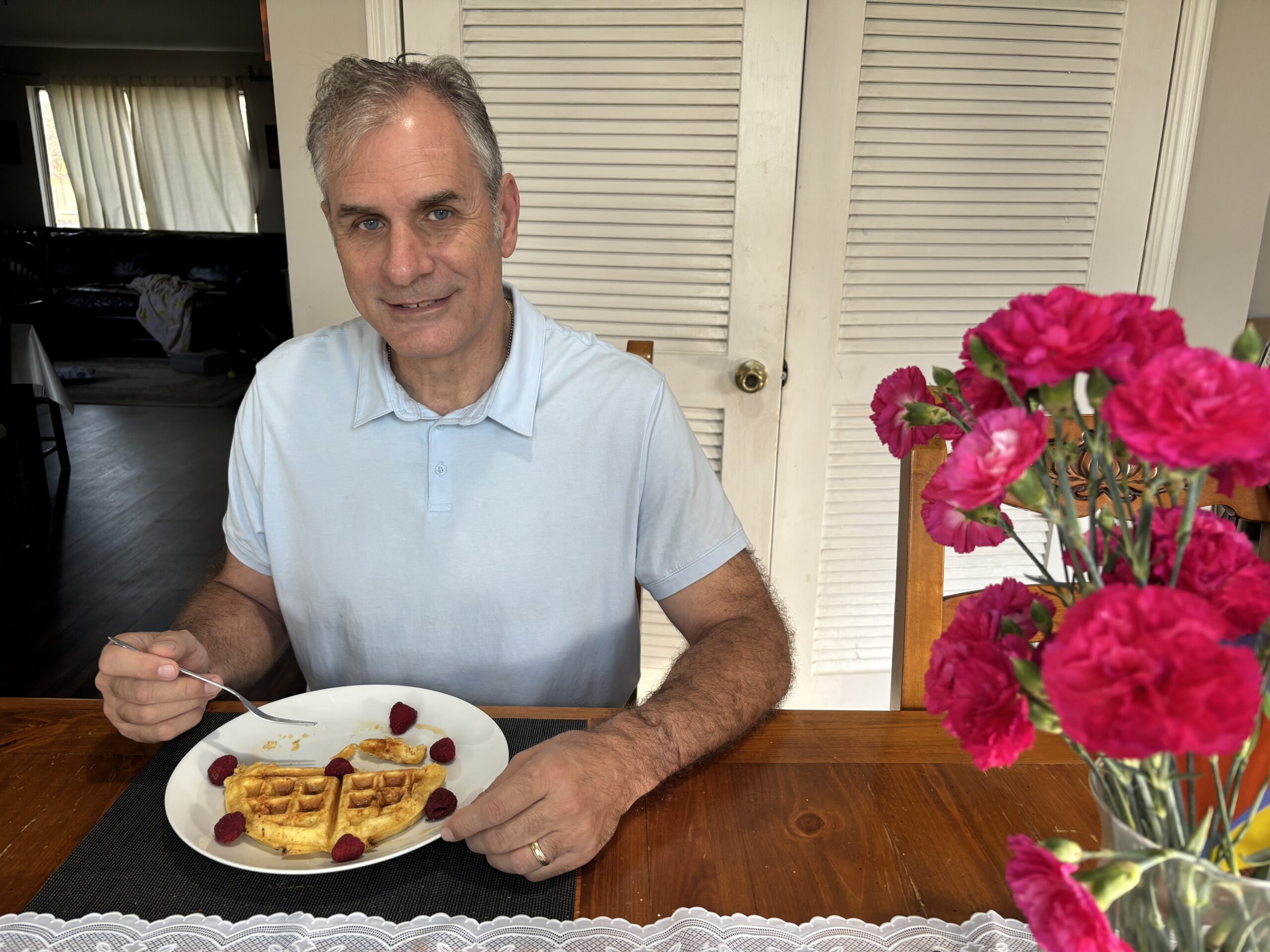
This morning my wife surprised me by making a Gluten Free Waffle that was healthy and absolutely delicious at the same time.

This was a nice change because lately I’ve been eating eggs with sardines every single day.  Although this is a powerhouse superfood breakfast, you can get tired of it on such a regular basis.

I use the Herbalife Protein Baked Goods Mix (I don’t sell Herbalife, I just like some of their products).  This is the key for this recipe being gluten free.

Give it try.  It’s easy to make, quick, and delicious.  Just add a little honey and a few rasberries for a little natural sweetness.

A Simple Upgrade to My Daily Coffee Ritual

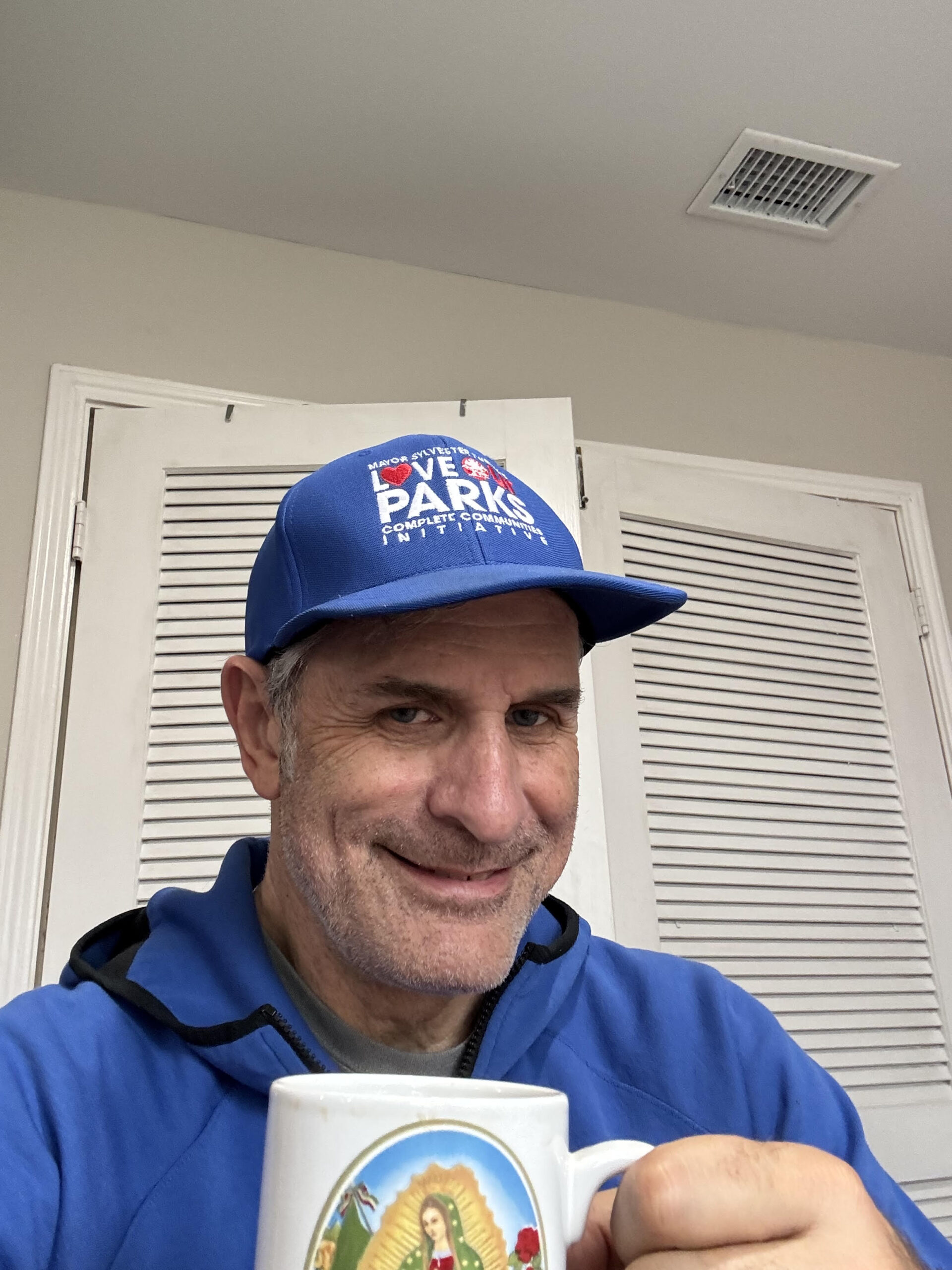
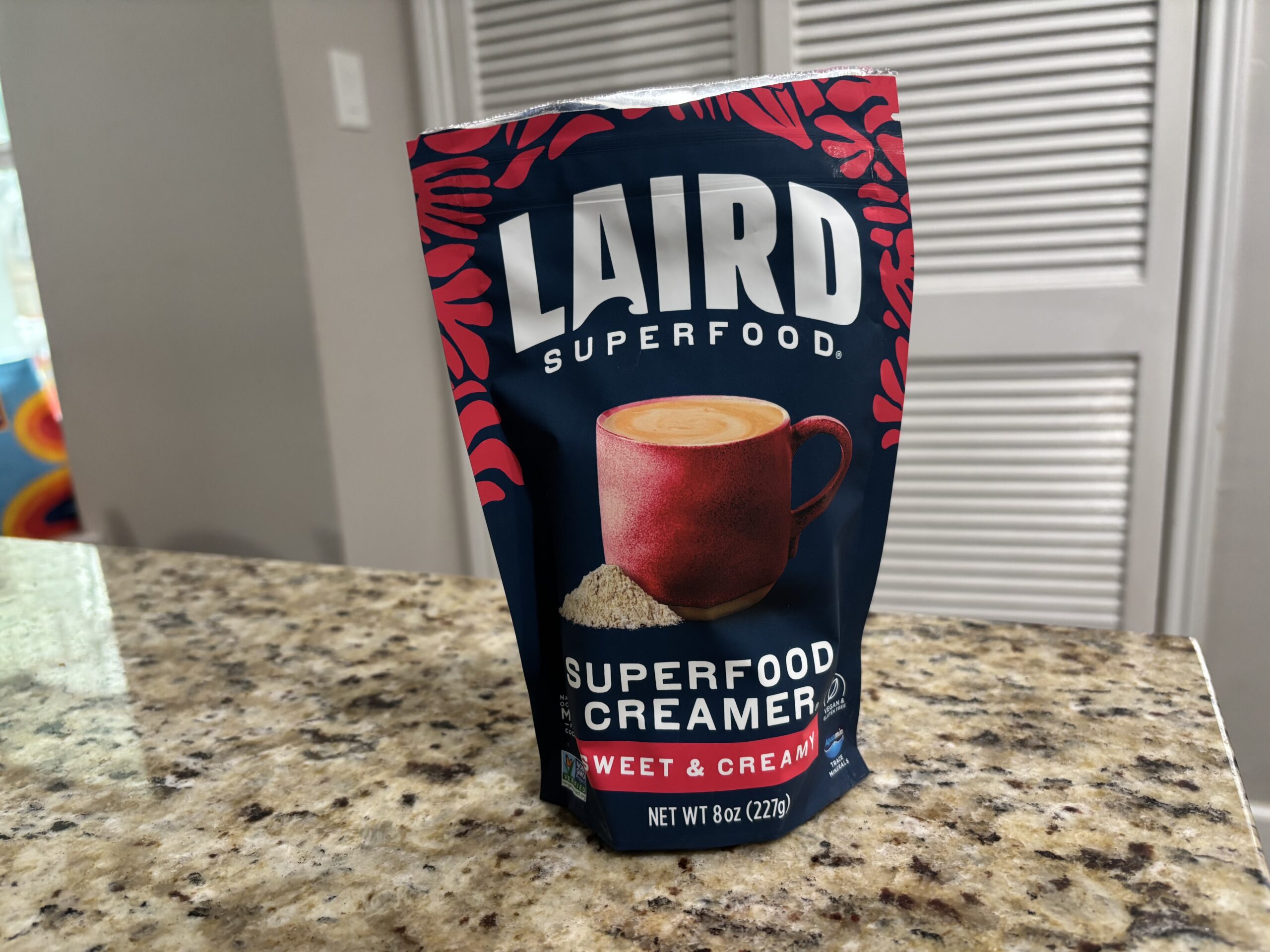
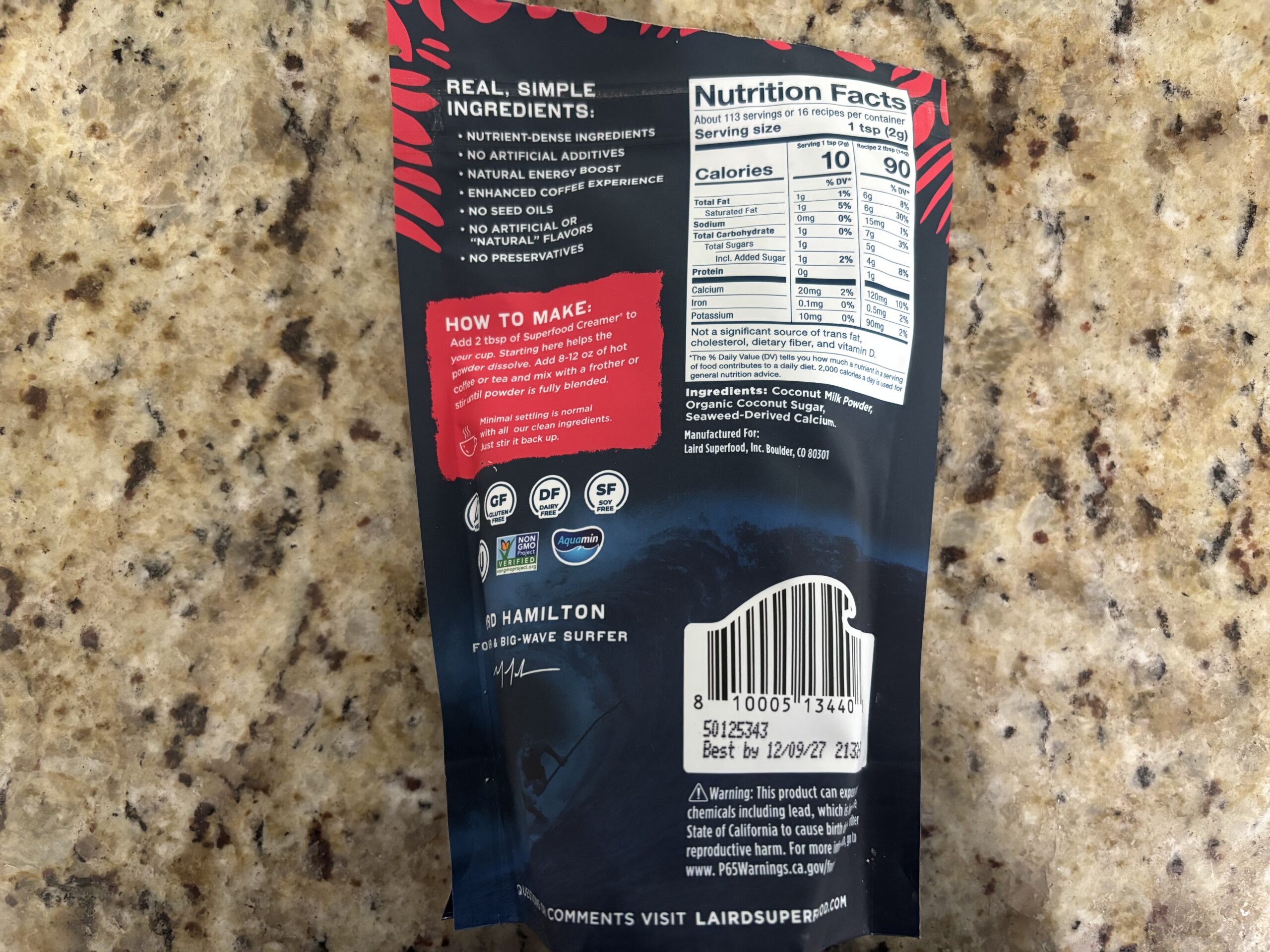
One of my favorite daily rituals is enjoying a really good cup of coffee—and lately, I’ve been loving the combination of organic Brazilian coffee with Laird Superfood Creamer (Sweet & Creamy). It’s become a simple, healthy upgrade that genuinely makes my coffee experience better.

What I appreciate most about Laird Superfood Creamer is the quality of the ingredients. It’s made with nutrient-dense, coconut-based ingredients and contains no artificial additives, no preservatives, no seed oils, and no artificial or “natural” flavors. That matters to me, especially when something becomes part of a daily habit.

From a nutrition standpoint, it’s a win. The creamer provides a clean, natural energy boost without relying on questionable ingredients. It contains only 1 gram of sugar, so there’s no need for stevia or other sweeteners—the flavor is already balanced, smooth, and satisfying. The creamer enhances the coffee rather than overpowering it, creating a rich and enjoyable cup every time.

This combination can also fit well into a heart-healthy lifestyle, including for individuals recovering from a cardiac event, like me (with their doctor’s approval). The key is moderation—limiting intake to one cup per day. Organic coffee is naturally rich in polyphenols, powerful plant compounds that support brain health, cognition, and mental focus, while helping reduce oxidative stress in the body. When paired with a clean, coconut-based creamer like Laird Superfood—free from inflammatory seed oils and artificial ingredients—you get a gentler, smoother coffee experience that supports both heart and brain health.

And let’s talk practicality—this couldn’t be easier.
👉 Brew a cup of coffee
👉 Add one spoonful of the creamer
👉 Done

Easy peasy.

The best part? It tastes absolutely great. Smooth, creamy, lightly sweet, and deeply satisfying. Paired with organic Brazilian coffee, it feels like a café-quality cup made right at home.

Another bonus: it’s widely available at most grocery stores, costs under $10, and one package provides about 113 servings, making it both economical and convenient.

If you’re looking for a simple way to make your daily coffee healthier, more enjoyable, and still incredibly practical, this is one small habit that delivers big rewards—one great cup at a time.

My Daily HRV Morning Ritual: A Simple Routine to Support Heart Health, Stress, and Recovery


Over the past six months, as I’ve continued recovering from a cardiac event, I’ve become even more intentional about how I start my mornings. What I do in the first few hours of the day sets the tone for my heart rate variability (HRV), stress levels, energy, and overall health.

Every morning before heading to work, I follow a simple routine built around consistency, awareness, and calm. My intention is not to convince you to copy my routine exactly—because morning routines are very individual—but rather to encourage you to create a rhythm that works for your body, your schedule, and your health goals.

A Quick Review: What Is HRV and Why It Matters

HRV, or Heart Rate Variability, measures the variation in time between heartbeats. In simple terms, it reflects how well your nervous system adapts to stress and recovery. A higher, well-trended HRV is generally associated with better recovery, resilience, and cardiovascular health.

What’s important to understand—especially for individuals recovering from a cardiac event—is that HRV should be tracked as a trend over time, not judged based on a single day. Daily fluctuations are normal. The goal is to look for patterns that tell you how your body is responding to sleep, stress, exercise, nutrition, and recovery practices.

My Daily HRV Morning Ritual

Below is what my mornings typically look like. These steps help me stay grounded, relaxed, and physically prepared for the day ahead—while supporting my HRV and overall health.

1. Wake up at 6:00 a.m.
Consistency matters. Waking up at the same time each day supports circadian rhythm, nervous system balance, and recovery.

2. A brief prayer of gratitude to God
I begin the day calmly, centered, and thankful. This simple act reduces mental stress and sets a positive emotional tone.

3. Check blood pressure and HRV using an app
This is about awareness, not judgment. I take note of the numbers and move on with my day, focusing on trends over time.

4. Breathing exercises
Slow, intentional breathing helps activate the parasympathetic (rest-and-recover) nervous system, which is key for HRV.

5. Lemon drink
Hydration first thing in the morning supports digestion and helps gently wake up the body.

6. A 60-minute walk in my neighborhood
This is one of the most powerful parts of my routine. Walking improves circulation, lowers stress, supports HRV, and provides time outdoors.

7. A balanced breakfast
I typically eat eggs along with sardines or salmon and vegetables. This provides high-quality protein, omega-3 fats, and nutrients that support heart and brain health.

8. One cup of coffee with Laird Superfood Creamer
I enjoy just one cup per day. The clean ingredients and coconut-based creamer enhance the experience without unnecessary additives.

9. A large glass of a red drink with my morning supplements
This supports micronutrient intake and complements my overall nutrition plan.

10. Praying the rosary
This is a time of reflection, calm, and spiritual grounding—an often overlooked but powerful contributor to stress management and recovery.

By 9:00 a.m., I’m ready for work, feeling mentally clear, physically prepared, and emotionally steady.

Why Morning Routines Matter—Especially After a Cardiac Event

For individuals who have recently experienced a cardiac event, a consistent morning routine is essential for recovery. It helps regulate stress, supports nervous system balance, improves adherence to healthy habits, and creates a sense of control during a vulnerable phase of healing.

At the same time, morning routines aren’t just for recovery—they’re just as important for anyone who wants to improve health, fitness, energy, and quality of life.

Find Your Routine

Your morning routine doesn’t need to look like mine. It might be shorter, simpler, or structured differently—and that’s perfectly okay. What matters most is that it’s intentional, repeatable, and supportive of your well-being.

Start small. Stay consistent. Track trends, not perfection.

A thoughtful morning routine is one of the most powerful investments you can make—for your heart, your mind, and your life.

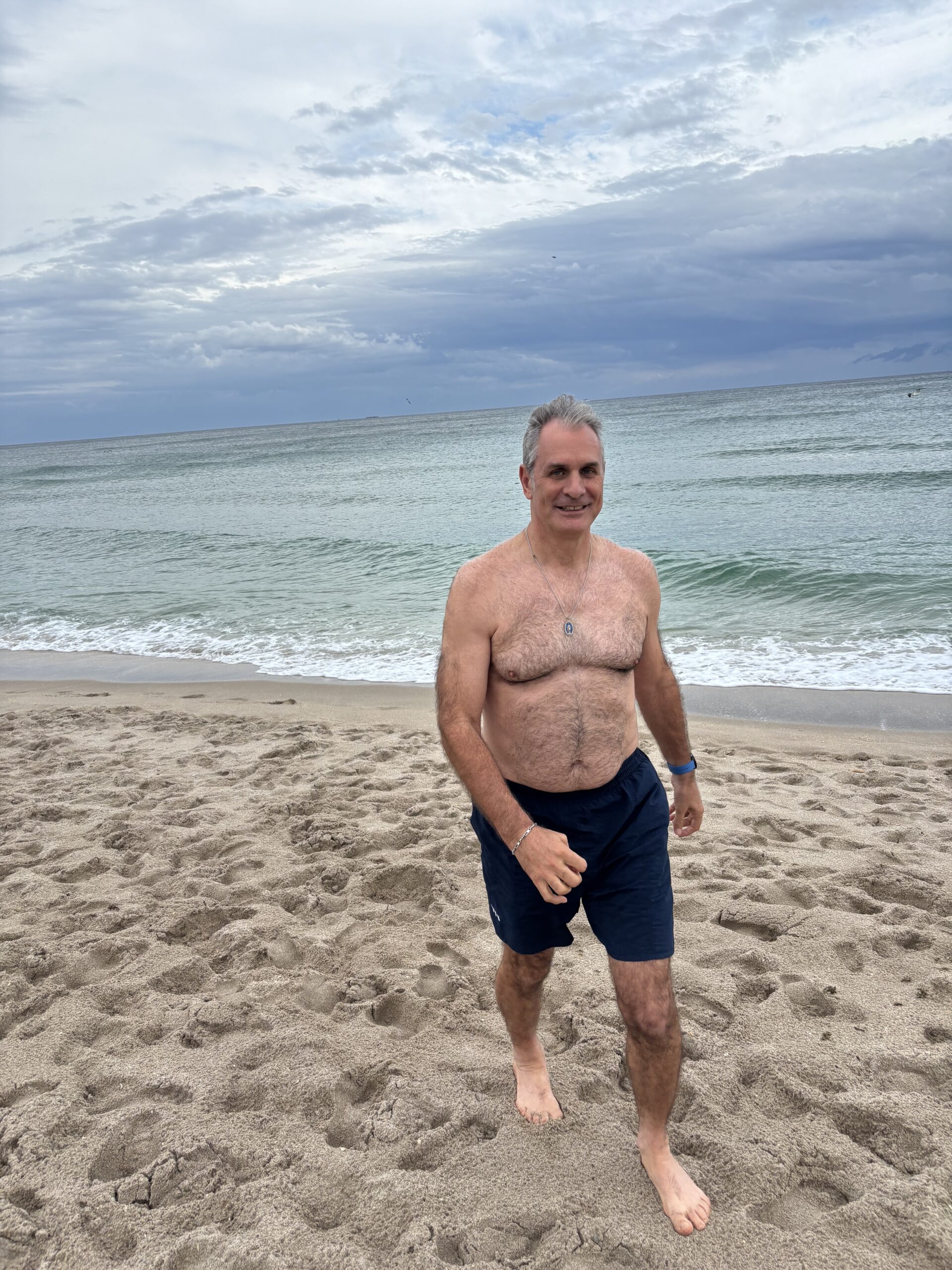
Grounding, Ocean Swimming, and Sunlight: Natural Ways to Support Heart Health and Cardiac Recovery

Recovering from a cardiac event is about more than medications and workouts—it’s also about restoring balance, lowering stress, and reconnecting with the natural rhythms of the body. Three simple, natural practices can play a powerful role in heart health and recovery: grounding (walking barefoot), swimming in ocean salt water, and getting natural sunlight.

These are the reasons why I love visiting Fort Lauderdale, FL, so I can relax and enjoy the beautiful beach.  My favorite place to go is Aruba’s, the only restaurant actuallly on the beach.  I can eat a great, healthy meal and then walk outside on the beach (grounding) and then jump in the ocean.  All at once!

These habits are especially beneficial on days when flying, when the body experiences increased stress, inflammation, and circulation challenges.


What Is Grounding and Why Is It Good for Heart Health?

Grounding, also known as earthing, involves walking barefoot on natural surfaces such as grass, sand, or soil. Direct contact with the Earth may help neutralize excess electrical charge in the body, supporting relaxation and nervous system balance.

Potential heart-health benefits of grounding include:

  • Reduced stress and cortisol levels

  • Improved sleep quality

  • Enhanced circulation

  • Greater sense of calm and mental clarity

Stress reduction is especially important for individuals recovering from a heart attack or other cardiac event, as chronic stress can negatively affect blood pressure and heart rhythm.


Benefits of Swimming in Ocean Salt Water

Swimming in the ocean is one of the most heart-friendly forms of movement available. Salt water provides natural buoyancy, reducing joint strain while offering gentle resistance that supports cardiovascular fitness.

Why ocean swimming supports cardiac recovery:

  • Encourages healthy circulation

  • Helps relax muscles and reduce inflammation

  • Supports mobility without overloading the heart

  • Promotes nervous system calm and emotional well-being

For those who travel frequently, ocean swimming after flying can be particularly helpful. Long flights often lead to dehydration, stiffness, and sluggish circulation. Salt water swimming helps the body rehydrate, reset, and feel grounded again.


Natural Sunlight and Its Role in Cardiac Recovery

Getting natural sunlight is one of the most overlooked but powerful tools for heart health. Moderate sun exposure supports vitamin D production, which is linked to healthy blood pressure, vascular function, and immune health.

Sunlight benefits for heart recovery include:

  • Supports vitamin D levels

  • Helps regulate circadian rhythm and sleep

  • Improves mood and reduces anxiety

  • Encourages healthier blood pressure regulation

For individuals recovering from a cardiac event, sunlight can enhance energy levels and support the body’s natural healing processes. Even 10–20 minutes of sunlight per day, especially in the morning or late afternoon, can make a meaningful difference.


Why These Practices Work Best Together

Grounding, ocean swimming, and sunlight work synergistically to:

  • Calm the nervous system

  • Improve circulation and oxygen delivery

  • Reduce inflammation and stress

  • Support emotional and physical recovery

These practices remind the body how to heal naturally—without extremes or complicated routines.


Simple, Natural Habits for a Healthier Heart

You don’t need intense workouts or complex protocols to support heart health. Sometimes the most effective recovery tools are the simplest:

  • Walk barefoot on grass or sand

  • Swim gently in the ocean

  • Spend time in natural sunlight

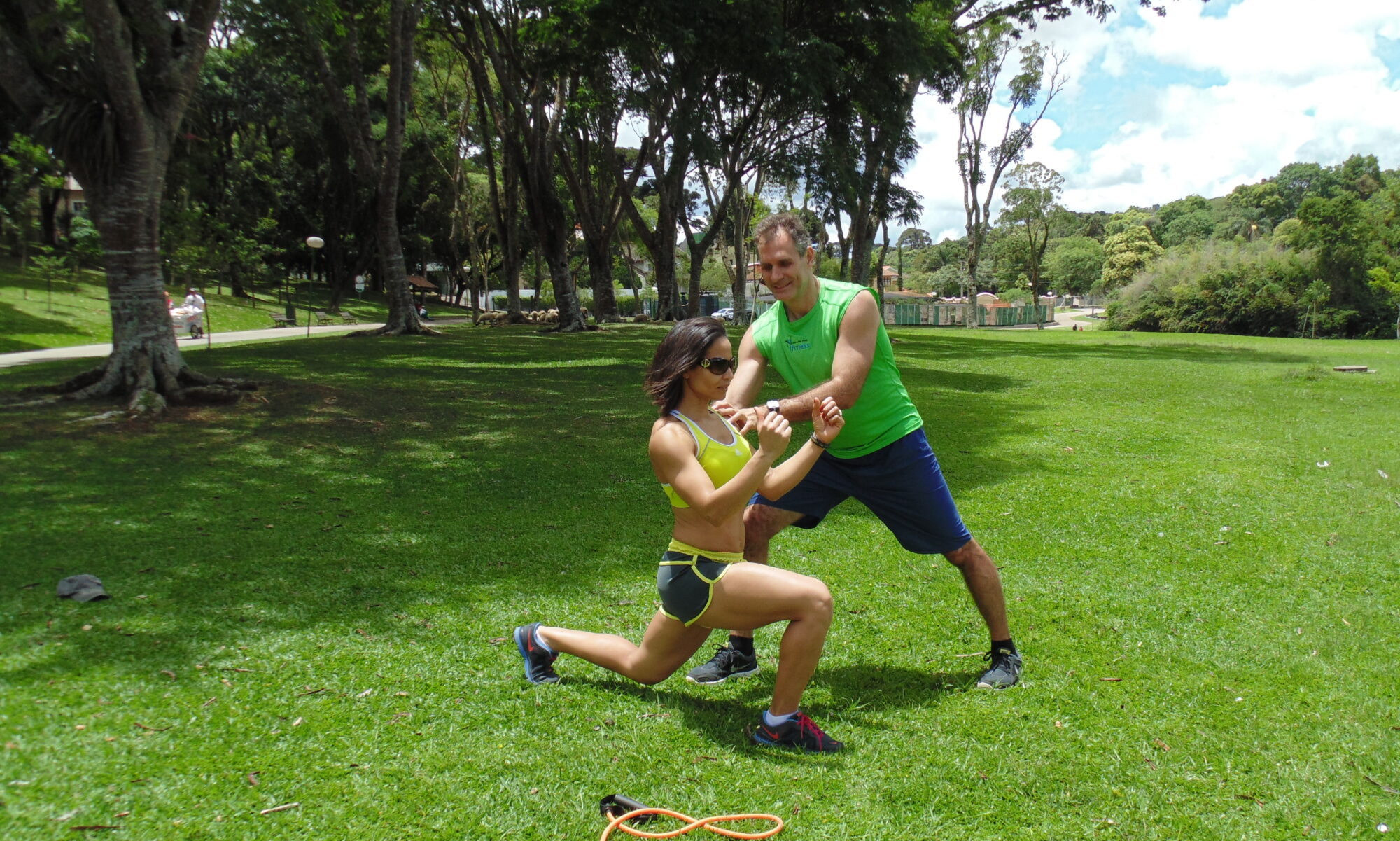
At CIDA Fitness, we believe heart recovery is about rebuilding confidence, strength, and vitality—while honoring the body’s natural design.

If you’re recovering from a cardiac event or working toward better cardiovascular health, these nature-based practices can be powerful additions to your wellness routine.

Look for Aruba’s Restaurant if you visit Fort Lauderdale.